

General laboratory equipment
We personally find you the right used, refurbished and new general laboratory equipment from verified suppliers.
General laboratory equipment is the broad class of instruments and devices that support routine and specialised work across a laboratory, from preparing and separating samples to heating, mixing, measuring and moving liquids. On Questpair, 92248 listings sit in this category, offered by 40 verified suppliers and distributors across 29 countries. Both new and used units are listed, and 91 percent of the listings are used, the remainder new. Prices run from EUR 0 to EUR 1.549.601, which reflects how much ground this class of equipment covers. It is the general-purpose backbone of a working lab rather than any single technique, and refurbished units appear here alongside new stock.
Updated:
General laboratory equipment product list
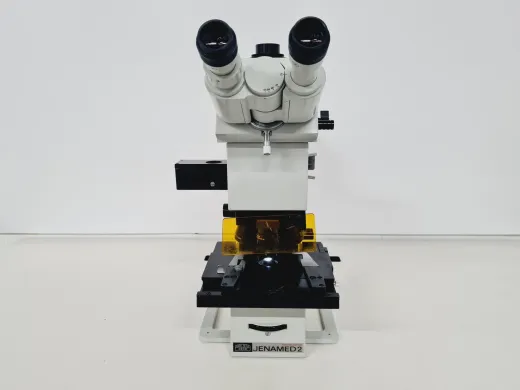
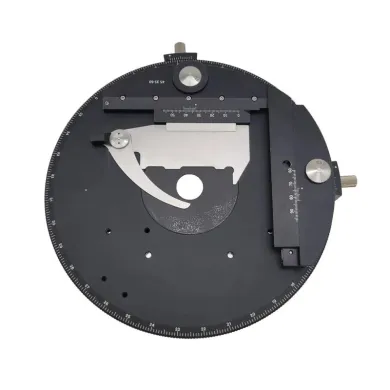
Carl Zeiss Jenamed 2 Microscope with 5 Objectives
- Category
- Objectives
- Brand
- Zeiss
- Suppliers
- 1 verified


Not the exact instrument you need?
Tell our scientists what you are after. We track it down, including off-market supply.

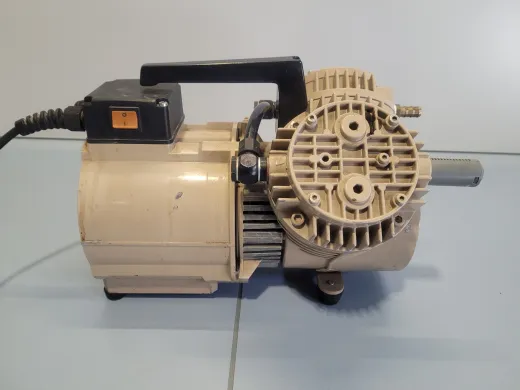
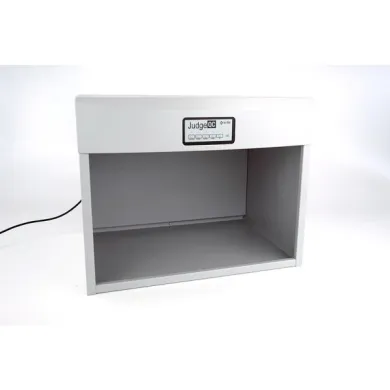
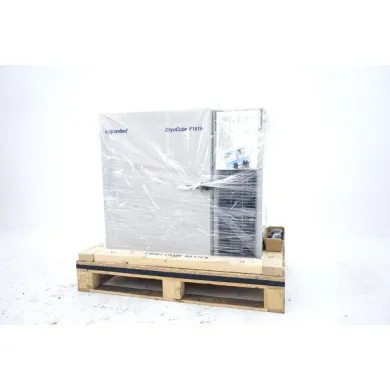
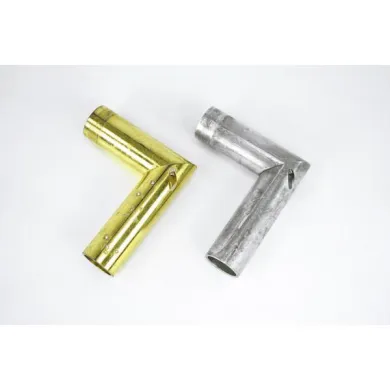
Not the exact instrument you need?
Tell our scientists what you are after. We track it down, including off-market supply.
Showing 1–40 of 38,938 listings
Show 40 more listingsBuying guide
What decides a general laboratory equipment purchase?
Because this category spans so many device types, the specification that settles a purchase changes with the device. The first thing to fix is which task the unit actually performs, since that pins down the one number that matters: throughput and capacity for a centrifuge, temperature range and stability for an incubator, volume and accuracy for a pipette, speed and footprint for a stirrer or shaker. A buyer who starts from the task rather than the brand avoids paying for a specification the work never calls on.
With the task settled, condition is the next question, and it carries more weight here than on a single-technique page because so much of what is listed is used. On a used unit, check the service history and whether moving parts, rotors, pumps, drive motors, have been inspected or replaced. Instruments with calibration requirements, balances and pipettes above all, should come with a recent record, or a buyer should budget for recalibration before the unit enters a validated workflow. A warranty is often possible and is arranged in consultation for the specific listing.
Price sits across an exceptionally wide band because the category holds everything from a single consumable to a complete floor-standing system. The range runs from EUR 0 to EUR 1.549.601, with an average of EUR 2.809. Where a tight budget rules, refurbished units listed for sale cost less than new, and used stock makes up a large share of what is available here, so a buyer weighing what a unit costs against what fits a budget usually has an affordable option within the same model family. The brands with the deepest presence, Thermo Scientific, Eppendorf, Thermo Fisher Scientific, VWR, Radwag, set the reference points: parts and comparable listings are easiest to find for these, which keeps resale and servicing straightforward.
Types of General laboratory equipment
Sample preparation
Sample preparation covers the devices that get a specimen ready for analysis: grinders, mills, homogenisers, dispensers and the fittings around them. These units reduce particle size, mix reagents and bring a sample to a defined and repeatable starting state, which is why they sit upstream of almost every quantitative method. In molecular biology and genomics work, homogenisers and bead mills lyse cells and tissue ahead of nucleic acid extraction, so sample preparation for DNA extraction is a routine step before any downstream assay. The right choice depends on sample hardness and volume, and buyers reach for a benchtop mill for solids or a high-speed homogeniser for cell culture material.
Centrifugation
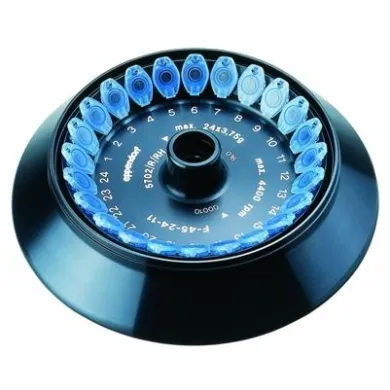
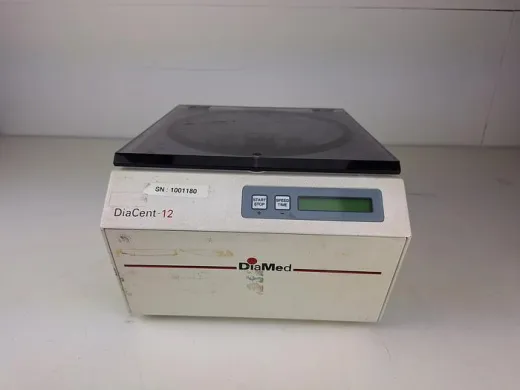
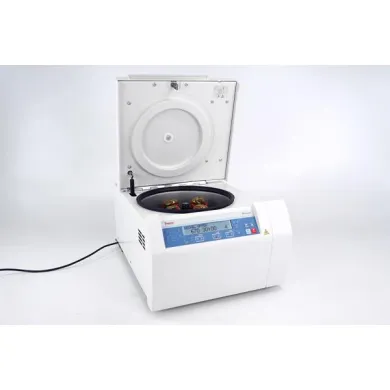
Centrifugation equipment separates components of a mixture by density under spin, and this subtype spans microcentrifuges, benchtop units, floor-standing models and the rotors that fit them. What separates one unit from another is the maximum relative centrifugal force and the tube format it accepts, so a buyer matches the rotor and speed to the separation at hand. In the life sciences these systems pellet cells, clarify lysates and band gradients, and benchtop centrifugation for cell culture and protein purification is among the most common laboratory uses. Refrigerated models protect heat-sensitive material during longer runs.
Optics
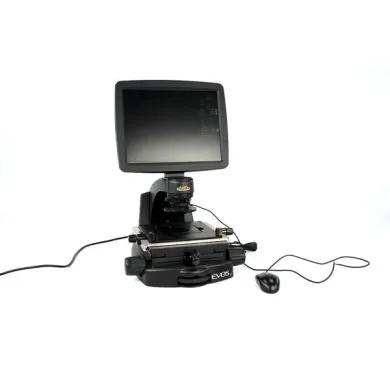
Optics gathers the viewing and measuring instruments built around lenses and light: microscopes, magnifiers, light sources and the components that support them. The distinction between units turns on resolution, magnification range and the imaging mode, brightfield, phase contrast, fluorescence, each suited to different specimens. In the biological sciences these instruments do cell imaging and histology, and fluorescence microscopy for cell culture analysis is a standard application in molecular diagnostics laboratories. A buyer selects by the smallest feature that must be resolved and by whether live or fixed samples are viewed.
Heating and cooling
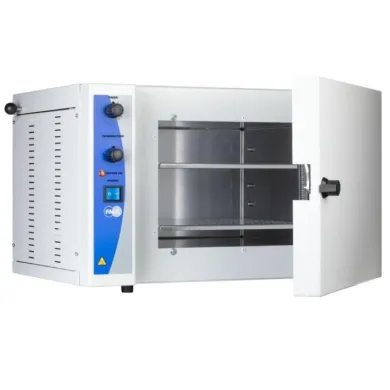
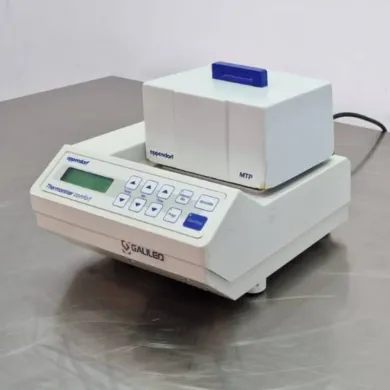
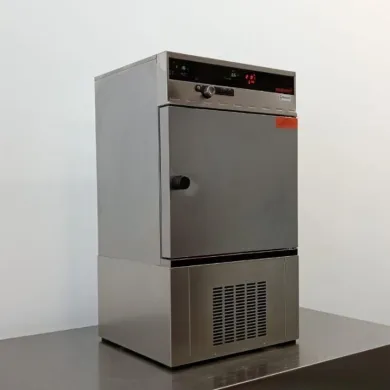
Heating and cooling equipment holds a sample at a controlled temperature, and the subtype includes incubators, ovens, water baths, chillers and dry blocks. They are told apart by their temperature range, stability and uniformity across the chamber, which is what matters when a reaction or a culture must sit at a precise setpoint. In cell culture and microbiology these units maintain the growth conditions that keep cells and organisms viable, and a CO2 incubator for cell culture is a fixture of any life sciences laboratory. Buyers choose by the temperature band they need and by whether tight uniformity is required.
Stirrers
Stirrers keep a solution in motion, and the subtype runs from magnetic stirrers to overhead mechanical units and combined hotplate stirrers. The difference lies in viscosity and volume handled: a magnetic stirrer suits low-viscosity liquids in modest volumes, while an overhead stirrer drives thick or large batches. Stirrers do sample preparation and formulation work, and a magnetic stirrer for buffer preparation in molecular biology is a daily tool at the bench. Heated models double as a temperature source, which is why hotplate stirrers are a frequent choice where a reaction needs both mixing and warmth.
Shakers
Shakers agitate samples held in flasks, plates or tubes, and the subtype covers orbital, reciprocating and platform models along with incubated versions. They are distinguished by motion type, speed range and the load they carry, since orbital motion suits flask cultures while a platform shaker handles stacked plates. In the life sciences these units support cell culture and microbiology, keeping suspension cultures aerated, and an incubated orbital shaker for bacterial cell culture is a standard piece of a microbiology setup. A buyer matches the throw and capacity to the vessel and the growth protocol.
Pumping systems
Pumping systems move liquids and gases in a controlled way, and the subtype includes peristaltic pumps, vacuum pumps, syringe pumps and the dosing units built around them. They differ in flow rate, pressure or vacuum level and whether the fluid contacts the mechanism, which is why a peristaltic pump suits sterile or aggressive media. These units feed bioprocessing and protein purification rigs, and a peristaltic pump for chromatography and bioprocessing is also used for filtration and perfusion in cell culture. Flow accuracy and chemical compatibility settle the choice.
Pipettes
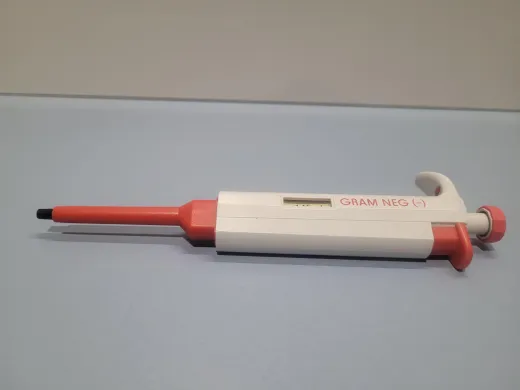
Pipettes transfer measured volumes of liquid, and the subtype spans single-channel, multichannel, manual and electronic models together with their tips and stands. They are set apart by volume range and accuracy, and by whether the work calls for parallel transfer across a plate. Pipettes do the liquid handling behind electrophoresis, immunoassay and genomics, and an electronic multichannel pipette for 96-well plate assays is central to molecular diagnostics throughput. Any unit above a basic manual single-channel benefits from a recent calibration record, which a buyer should confirm before putting it into a validated method.
Frequently asked questions
What is general laboratory equipment?
It is the broad class of instruments that support routine bench work across disciplines, covering sample preparation, separation, heating, mixing and liquid handling. The term describes the devices a laboratory relies on daily rather than any single analytical specialism.
What does general laboratory equipment mean?
It means the apparatus that keeps a lab running from day to day: centrifuges, incubators, stirrers, pumps, pipettes and similar devices. These are the tools used before and around analysis rather than the dedicated analytical instruments themselves.
How does general laboratory equipment work?
Each class works on a different principle: a centrifuge spins samples so denser material settles outward, an incubator holds a chamber at a set temperature, a stirrer drives motion into a liquid, and a pump moves fluid or draws a vacuum. There is no single mechanism shared across the category.
What types of general laboratory equipment are there?
The main subtypes are sample preparation apparatus, centrifugation equipment, optics and optical instruments, heating and cooling equipment, stirrers, shakers, pumping systems and pipettes. Among specific listings the common types include the laboratory incubator, benchtop centrifuge, laboratory centrifuge, laboratory freezer, laboratory mixer and cell culture incubator.
What is general laboratory equipment used for?
It is used for the preparatory and supporting steps around analysis: separating mixtures, holding samples at temperature, mixing reagents, transferring measured volumes and moving fluids. These steps feed workflows in molecular biology, cell culture, microbiology and chemistry.
How do I choose general laboratory equipment?
Fix the equipment class first, then work out the single parameter that governs your application: relative centrifugal force for a centrifuge, temperature range and stability for an incubator, flow rate and chemical compatibility for a pump. That parameter narrows the field faster than any feature list.
What is the difference between refurbished and used equipment?
A used unit is sold in its existing condition, while a refurbished unit has been serviced and checked before sale. For equipment whose core function is mechanical rather than electronic, a serviced used unit often meets the need at a lower price than new.
How much does general laboratory equipment cost?
Across this category prices range from EUR 0 to EUR 1.549.601, with an average around EUR 2.809. The wide span reflects that the category holds both small bench apparatus and complete high-value instruments, so cost tells you little until the class is fixed.
Which brands are commonly listed in this category?
Recurring brands here include Thermo Scientific, Eppendorf, Thermo Fisher Scientific, VWR and Radwag. A model from a name with wide installed presence is easier to compare against others and easier to find parts for later.
Is a warranty available on refurbished equipment?
A warranty is often possible and is arranged in consultation for the specific listing. Weigh each offer on its own terms rather than on the condition label alone.
Can I get parts for general laboratory equipment?
Parts can be sourced via Questpair. On used units, the consumable and wear parts, such as centrifuge rotors, pump seals and tubing, and incubator door seals, are the items most likely to need attention.
How long does general laboratory equipment last?
Lifespan depends on the class and on usage. Mechanical devices like stirrers and shakers can run for many years with routine maintenance, while wear parts such as centrifuge rotors have a finite safe cycle life and compressor-based cooling units age with their seals and refrigeration systems.
Should I buy new or refurbished?
Used and refurbished units are listed at lower prices than new. Where the function is mechanical, a serviced used unit that arrives verified against its own specification can meet the requirement; for either option, check the individual listing and arrange warranty in consultation.
Where can I buy general laboratory equipment?
This category is offered on the Questpair marketplace through verified suppliers and distributors, with 92248 listings from 40 suppliers across 29 countries. New, used and refurbished units are all listed.
What are the lead time and shipping like?
Lead time and shipping depend on the individual listing and the supplier offering it. The listing is the place to confirm availability and delivery for a specific unit.
What calibration and maintenance does it need?
This varies by class: pipettes need periodic recalibration with a certificate, heating and cooling units need their temperature calibration verified and seals checked, and centrifuges need rotor cycle history tracked. On any used unit, confirm the current state before relying on results. Questpair does not perform servicing.
Which types are listed most, and who reaches for which?
Sample preparation apparatus is the largest subtype among listings that specify a type, which reflects how much bench time precedes analysis. Molecular biology and genomics labs reach for microcentrifuges and extraction equipment, cell culture and microbiology labs for incubators and orbital shakers, and chemistry benches for stirrers, hotplates and pumps.
Which brands dominate this category, and what does that mean for a buyer?
The recurring names here are Thermo Scientific, Eppendorf, Thermo Fisher Scientific, VWR and Radwag. A model from a brand with wide installed presence gives a buyer more comparison points and makes later parts sourcing more straightforward, which matters when you expect to run the unit for years.
What separates the bottom of the price band from the top here?
The bottom holds small bench apparatus such as basic stirrers, simple pipettes and compact benchtop units, while the top holds complete high-value instruments like ultracentrifuges and ultra-low freezers. The difference is the class of equipment, not condition, so compare prices only within a single class.