

Rollers
We personally find you the right used, refurbished and new rollers instruments & equipment from verified suppliers.
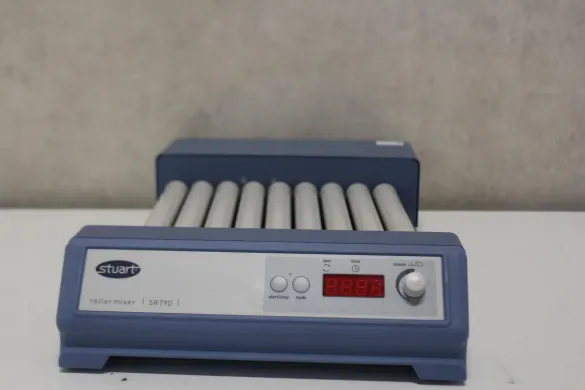
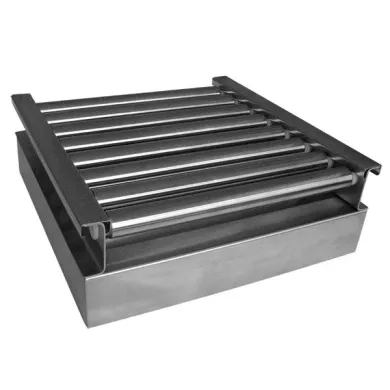
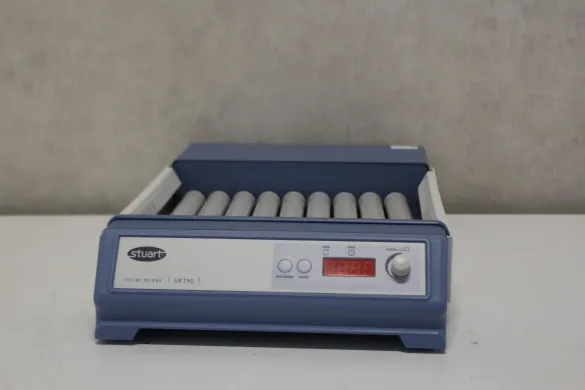
Rollers are laboratory mixing devices that keep liquid samples in gentle, continuous motion by rolling tubes or vessels on a set of rotating bars. They are used to resuspend cells, blood and other particle-laden fluids without the shear that vortexing introduces, which makes them a standard fixture in cell culture and sample preparation work. On Questpair, new, used and refurbished rollers are listed side by side across this category: of the 301 current entries, 88 percent of the listings are used. The 264 used units sit alongside 37 new ones from 12 verified suppliers and distributors in 8 countries. Prices run from EUR 49 to EUR 10.983, with an average around EUR 1.145.
Updated:
Rollers product list


Not the exact instrument you need?
Tell our scientists what you are after. We track it down, including off-market supply.
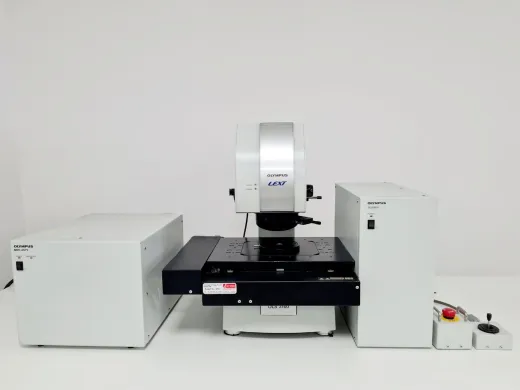
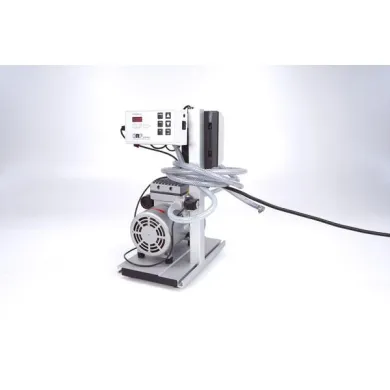
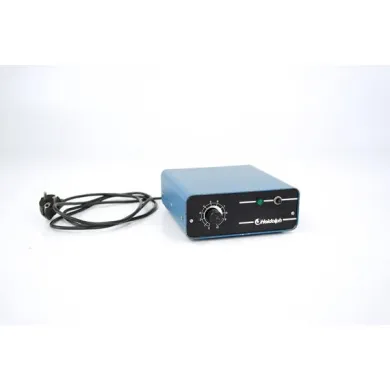
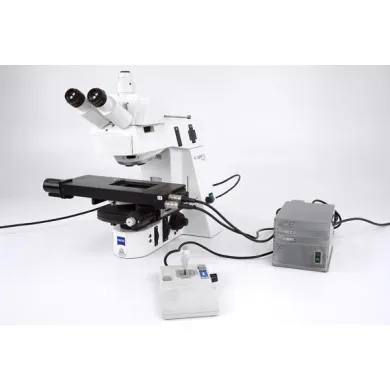

Not the exact instrument you need?
Tell our scientists what you are after. We track it down, including off-market supply.
Showing 1–40 of 137 listings
Show 40 more listingsBuying guide
The decision on a roller starts with the vessel it has to carry. Roll diameter and the gap between bars set which tubes sit stably and which walk off the end, so a unit sized for 15 and 50 millilitre centrifuge tubes is a different purchase from one built around blood collection tubes or small bottles. Capacity follows from that: a bench roller takes a handful of tubes, while larger platforms hold trays or run inside an incubator. Speed range matters less than it seems, since most mixing of cells and blood sits at the low end, but a model with adjustable speed and a timer earns its place where protocols are fixed and have to be repeated.
Where the roller runs decides the rest of the specification. A unit destined for a cold room or a CO2 incubator has to tolerate humidity and temperature that a bench model is not rated for, and the drive and bearings are the parts that fail first in those conditions. This is the single most important thing to verify on a used unit. Ask whether it has spent its life in an incubator, listen for bearing noise if you can, and confirm the rollers turn smoothly and evenly along their full length rather than binding at one end. The motor and its speed control are the other check: a roller that will not hold a steady low speed is of little use for gentle resuspension, and that fault is not visible in a photograph. Parts for the common platforms can be sourced via Questpair, which matters for a used purchase since a worn drive belt or a seized bearing is a repair rather than a write-off.
Price spans a wide band here, from EUR 49 at the simple bench end to EUR 10.983 for larger or incubator-rated systems, with the average near EUR 1.145. That spread reflects capacity and build more than brand. What a basic tube roller costs is low enough that condition rather than budget usually drives the choice, while a platform that has to sit in an incubator pushes well up the range. Used and refurbished units are listed below the price of new, which brings an incubator-rated model within reach of a smaller budget where a new one would not be. The brands that recur, IKA, Radwag, Wheaton, Leica, Stuart, occupy different parts of that range, so comparing a EUR 1.145 listing against its nearest new equivalent for sale is the clearest way to judge whether a given unit is worth it.
Types of Rollers
Which roller types are listed here?
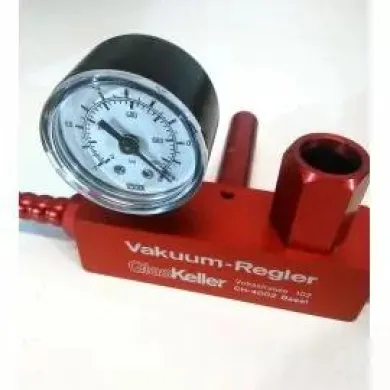
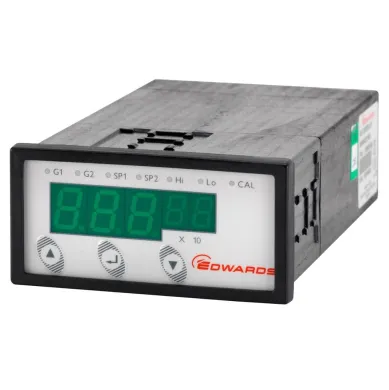
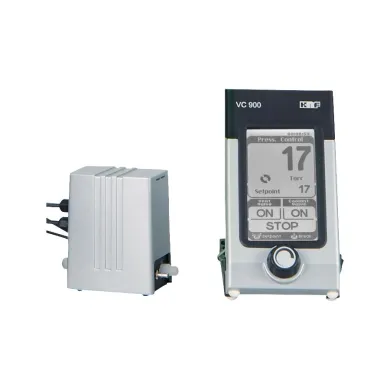
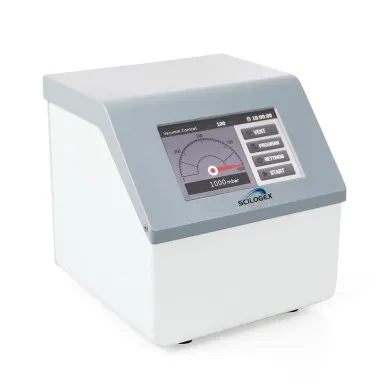
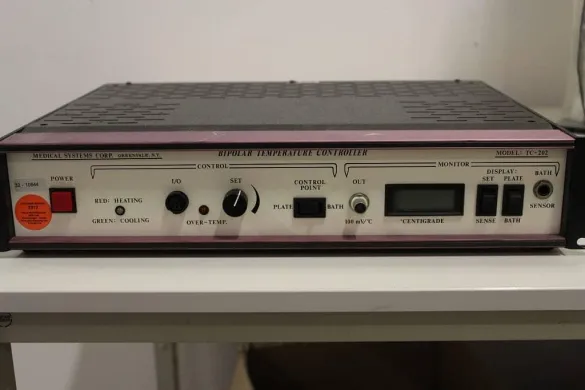
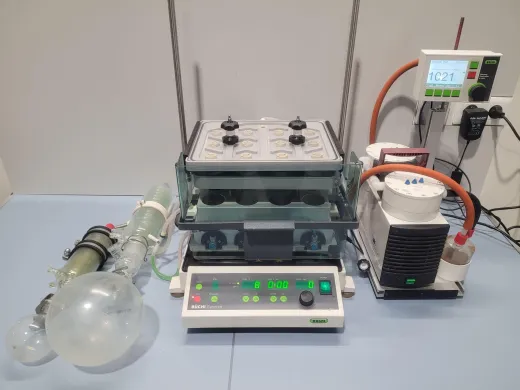
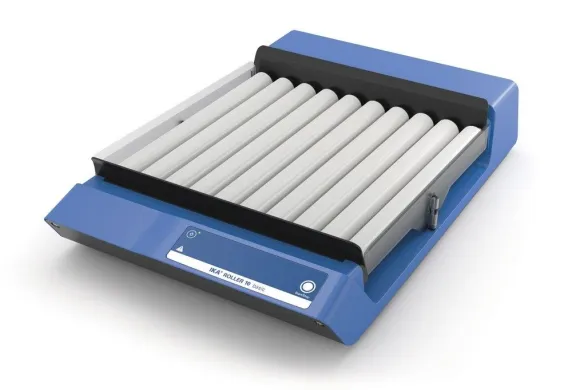
Among the listings that specify a type, the catalogue runs well beyond the plain tube roller. laboratory mixer, laboratory controller, laboratory automation, vacuum controller, cell culture equipment, tube roller are the forms that recur, and they are not all the same class of device. The tube roller itself is the core: a set of rotating bars that roll tubes to keep blood, cells and viscous samples mixed. Alongside it the data groups several laboratory mixers of adjacent design, where the motion comes from a rocking or nutating bed rather than rollers, used for the same gentle agitation of sensitive fluids. Cell culture equipment appears because roller bottles turn on these platforms to grow adherent cells over a large surface, a technique still used in vaccine and cell-based bioprocessing. The controller and automation entries are the electronics that drive and schedule these units, including vacuum controllers paired with mixing setups. A buyer should read the type label closely, since a nutating mixer and a bottle roller serve different protocols despite sitting in one category.
The brands behind the roller listings
IKA, Radwag, Wheaton, Leica, Stuart account for most of what is offered. For a buyer that presence means something practical: a brand that recurs across many listings is easy to compare model against model, and spare rollers, belts and bearings for it can be sourced via Questpair rather than hunted for. IKA and Stuart sit toward the general-purpose bench end, Radwag brings its weighing and controller background, and Leica and Wheaton reach into the culture and specialist glassware side. The upshot is a market where a used unit from a common maker is a safer buy than an orphan model, because the parts and the comparison points exist.
What a used roller costs here
The condition mix is weighted heavily toward pre-owned stock: 88 percent of the listings are used. Prices cover a broad band, from EUR 49 to EUR 10.983, with the average near EUR 1.145. The low end is simple bench tube rollers; the high end is larger platforms and incubator-rated cell culture systems. British and American spellings both appear across the catalogue, so a search for a roller or a mixer turns up the same equipment either way.
Frequently asked questions
What is a roller in the lab?
A roller is a mixing device that rolls tubes or vessels on a set of rotating bars to keep liquid samples in continuous gentle motion. It is used where shearing the sample has to be avoided, such as with cells or blood.
What does roller mean when it appears in both tube roller and roller bottle listings?
The word covers two related things: a tube roller rolls tubes on rotating bars to mix fluids, while a roller platform turns roller bottles so adherent cells grow across a large surface. Read the type label, because the two serve different protocols despite sharing the name.
How do rollers work?
A motor turns a set of parallel bars, and tubes laid across them roll with the bars so the liquid inside tumbles slowly and stays suspended. The motion is low-shear, which keeps cells and particles mixed without the damage vortexing would cause.
What types of rollers are there?
The listings here include tube rollers, nutating and rocking laboratory mixers of adjacent design, cell culture equipment that turns roller bottles, and the controllers and automation that drive these units, including vacuum controllers paired with mixing setups. A nutating mixer and a bottle roller are not interchangeable, so the type label matters.
What are rollers used for?
They resuspend cells, blood and other particle-laden fluids, keep viscous samples mixed, and turn roller bottles to culture adherent cells. The common thread is gentle, continuous agitation of samples that cannot tolerate harsher mixing.
How do I choose a roller?
Start with the vessel: roll diameter and the gap between bars decide which tubes sit stably, so a unit for 15 and 50 millilitre tubes differs from one built for blood collection tubes or small bottles. Then match capacity to your throughput and confirm the unit is rated for where it will run, whether that is a bench, a cold room or a CO2 incubator.
Refurbished or used roller, what is the difference?
A used roller is sold in its current condition, while a refurbished one has been checked and brought back to working order before listing. On a roller the parts that wear are the drive belt and bearings, so a refurbished unit should turn smoothly along the full length of the rollers.
How much does a roller cost?
Prices in this category run from EUR 49 to EUR 10.983, with the average near EUR 1.145. Simple bench tube rollers sit at the low end, while larger platforms and incubator-rated cell culture systems push toward the top.
Which brands make rollers?
The brands that recur in this category are IKA, Radwag, Wheaton, Leica and Stuart. IKA and Stuart sit toward the general-purpose bench end, Radwag comes from a weighing and controller background, and Leica and Wheaton reach into culture and specialist glassware.
Can I get a warranty on a refurbished roller?
A warranty is often possible and is arranged in consultation for the specific listing. Check the individual entry, since terms are set per unit rather than across the category.
Are spare parts available for rollers?
Parts such as drive belts and bearings can be sourced via Questpair. On a common platform a worn belt or a seized bearing is a repair rather than a reason to write the unit off.
How long does a roller last?
The motor and bearings are the parts that determine lifespan, and these wear faster in a humid incubator or cold room than on a bench. A unit whose rollers turn smoothly and whose drive holds a steady low speed can serve for many years, with belts and bearings replaceable along the way.
New versus refurbished roller, which should I buy?
Used and refurbished rollers are listed at lower prices than new, which can bring an incubator-rated model within a smaller budget. For a basic tube roller the cost is low enough that condition rather than price usually drives the choice; where you weigh the two, check the specific listing and arrange any warranty in consultation.
Where can I buy a roller?
Rollers are listed on Questpair from 12 verified suppliers and distributors across 8 countries. New, used and refurbished units appear side by side in this category, currently 301 entries in total.
What are the lead time and shipping on a roller?
Lead time and shipping depend on the individual supplier and the unit's location, so the listing is where those details sit. Questpair specialists respond within one hour if you need to confirm availability before committing.
What maintenance and calibration does a roller need?
Keep the rollers and bearings clean and listen for noise that signals a worn bearing, and replace the drive belt if the unit will not hold a steady speed. Speed can be verified against a timer, since gentle resuspension depends on a reliable low setting; Questpair does not service units, but parts for the common platforms can be sourced through it.
Which roller types are listed most and who reaches for which?
Tube rollers are the core form and suit labs resuspending blood and cells on a bench. Cell culture equipment that turns roller bottles is reached for in vaccine and cell-based bioprocessing, while nutating and rocking mixers go to work needing gentle agitation of sensitive fluids without rolling action.
Which brands dominate the roller listings and what does that mean for a buyer?
IKA, Radwag, Wheaton, Leica and Stuart account for most of what is offered. A brand that recurs across listings lets you compare model against model and makes belts, bearings and spare rollers easier to source through Questpair, which makes a used unit from a common maker a safer buy than an orphan model.
What separates the cheapest rollers from the most expensive here?
The low end is a simple bench tube roller holding a handful of tubes, driven by capacity and basic build rather than brand. The high end is a larger platform or an incubator-rated cell culture system that has to tolerate humidity and temperature a bench model is not built for, which is where the price climbs toward EUR 10.983.