

Ovens
We personally find you the right used, refurbished and new ovens instruments & equipment from verified suppliers.
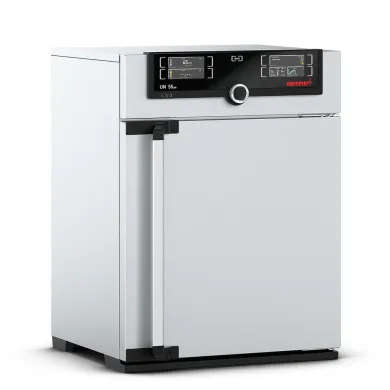
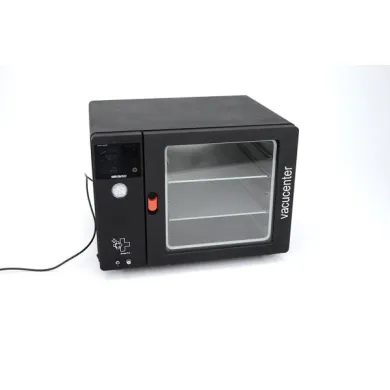
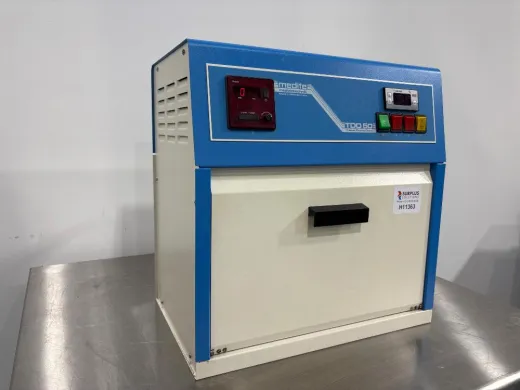
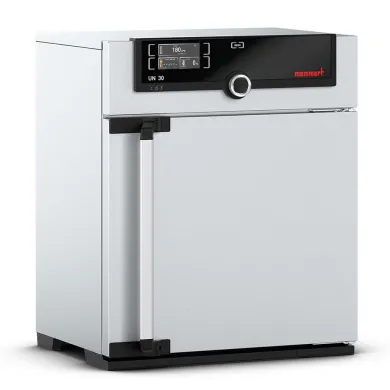
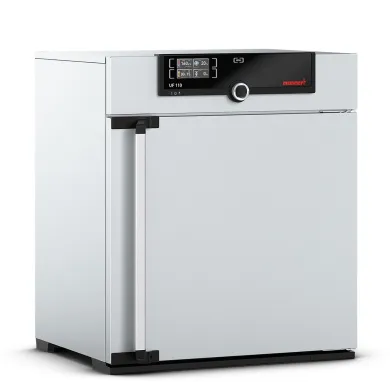
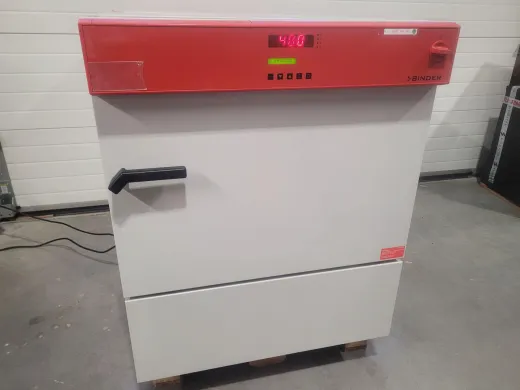
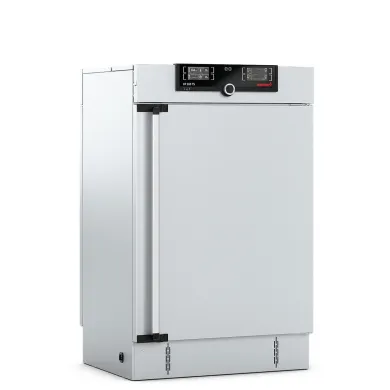
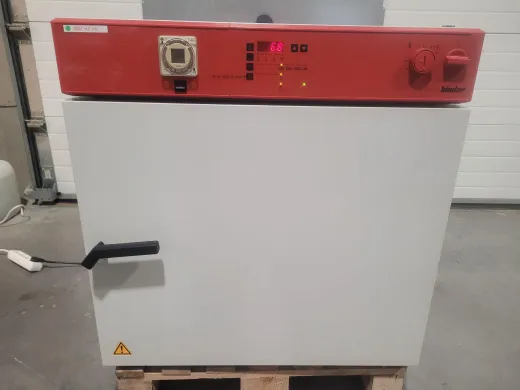
Ovens are temperature-controlled laboratory enclosures that hold a sample at a set temperature, most often to dry it, cure it, or bring it to thermal equilibrium. On Questpair, 719 ovens are listed across new, used and refurbished laboratory units from 19 verified suppliers and distributors in 8 countries. 77 percent of the listings are used. Prices run from EUR 43 to EUR 34.634, with an average near EUR 2.164, a spread that separates a small benchtop drying cabinet from a large forced-convection chamber. Among the listings that specify a type, the field splits into general laboratory ovens, dedicated drying ovens and temperature-controlled units, with brands such as Memmert, Binder, Yamato, BINDER, Thermo Scientific recurring most.
Updated:
Ovens product list
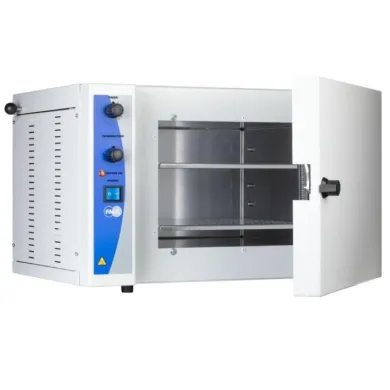
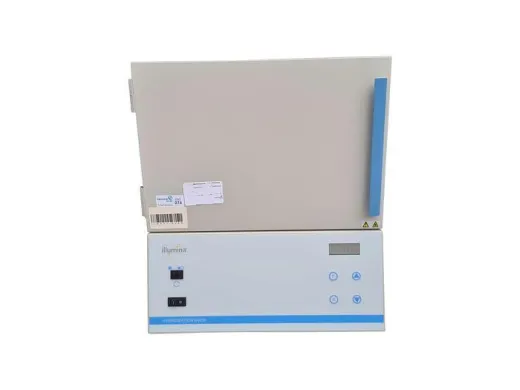
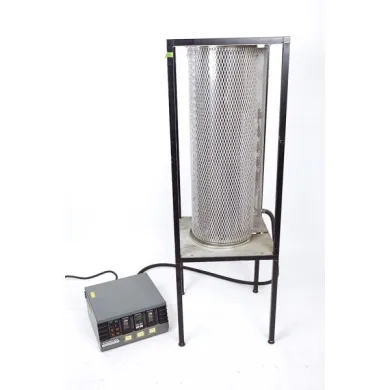
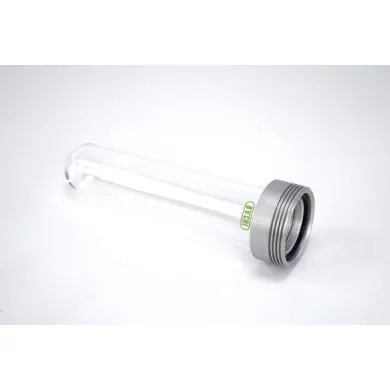
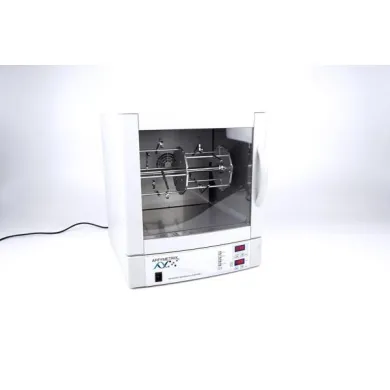
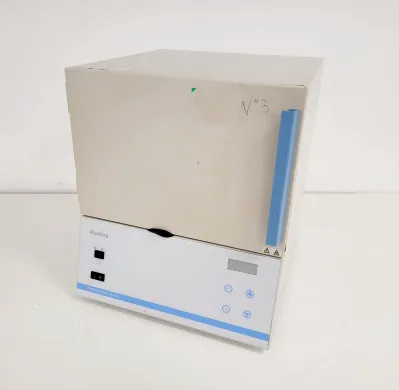
Illumina Boekel 230401 - 21LL Hybridization Oven
- Category
- Furnaces
- Brand
- Illumina
- Suppliers
- 1 verified


Not the exact instrument you need?
Tell our scientists what you are after. We track it down, including off-market supply.
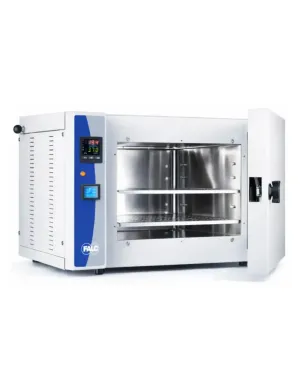
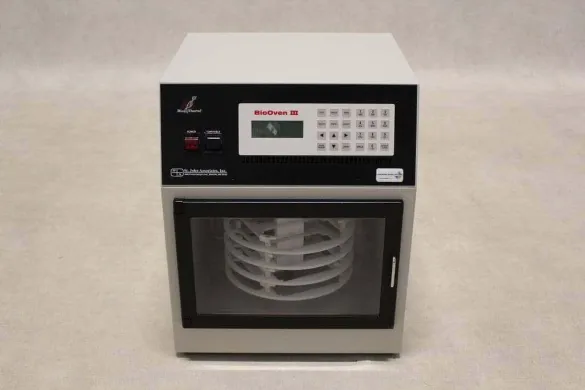
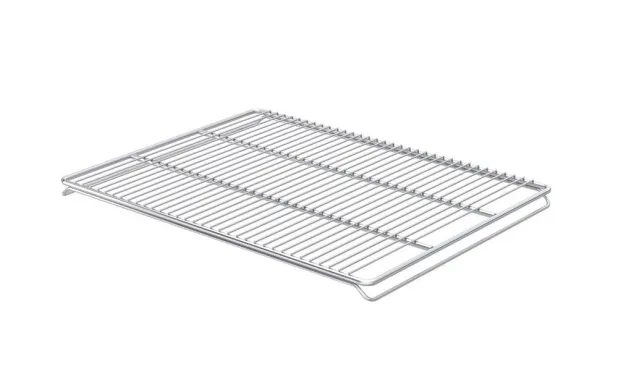
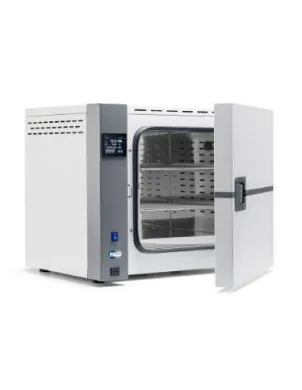
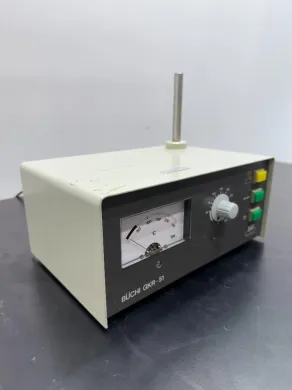
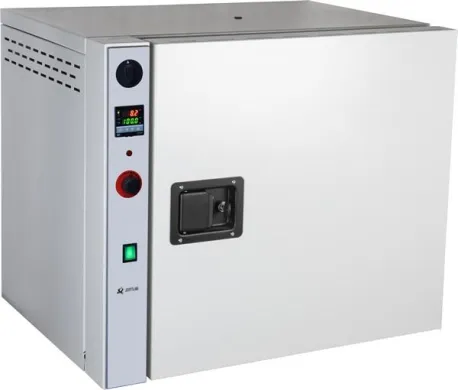
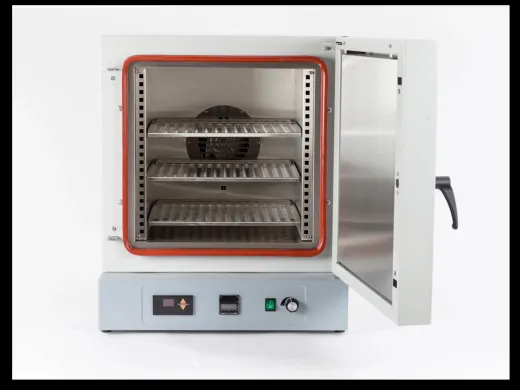
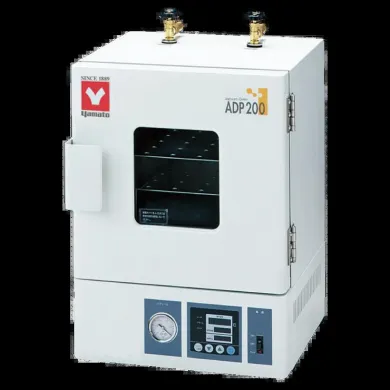
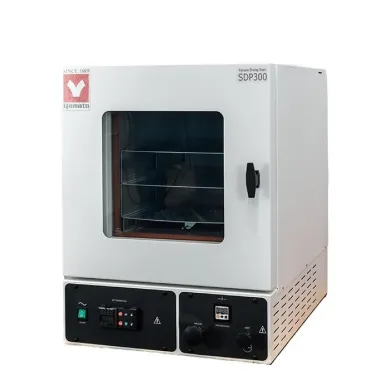
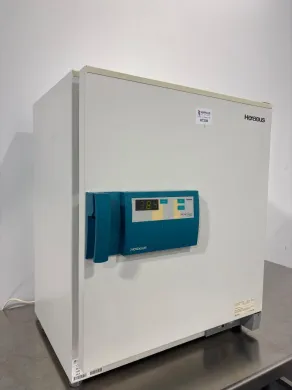
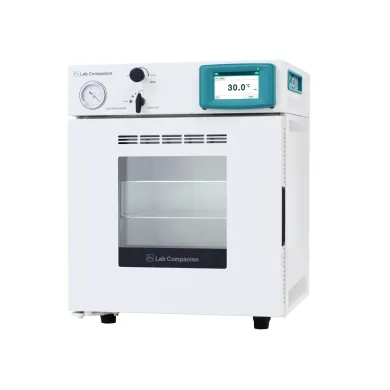
Not the exact instrument you need?
Tell our scientists what you are after. We track it down, including off-market supply.
Showing 1–40 of 317 listings
Show 40 more listingsBuying guide
The temperature range and the way heat moves through the chamber settle most oven purchases before any other figure. A drying oven that tops out near 250 degrees Celsius covers most sample preparation and moisture removal, while curing, sterilisation and material testing push the requirement higher, and the uniformity of the air inside matters as much as the maximum. Gravity-convection ovens let warm air rise on its own and suit gentle drying where airflow would disturb a sample; forced-convection ovens drive air with a fan and hold a tighter, more even temperature across a loaded chamber, which is what a buyer running reproducible protocols is usually paying for. Decide this first, because chamber volume, shelf count and the controller all follow from the work the oven has to do.
On a used unit the chamber and the heating element carry the history, and both are checkable. Door seals perish, so a visible gap or a hardened gasket is a sign the temperature will drift; the fan and its motor on a forced-convection model wear and should run quietly and steadily; and the controller, whether a simple dial or a programmable display, determines whether the oven can actually hold the setpoint it claims. A recalibration against a reference thermometer is worth arranging for any laboratory oven that feeds a documented result, and warranty on a used listing is arranged in consultation for that specific unit rather than assumed.
The price band is wide for a reason. At the low end sit small benchtop cabinets suitable for routine drying; at the high end sit large-capacity forced-convection and specialist units with programmable control and validation-ready documentation. Most buyers find a serviceable laboratory oven well within budget at the used end, where units are listed below the cost of new, and Memmert, Binder, Yamato, BINDER, Thermo Scientific appear across the range so a given model is usually easy to compare against a near equivalent. What a unit costs tracks chamber size, temperature ceiling and controller sophistication more than brand alone, and a refurbished oven for sale at the middle of the range often carries the convection and control of a far newer cabinet. Used and refurbished ovens are the more affordable route; where the choice between those and a new unit is close, the individual listing and its consultation-arranged warranty decide it.
Types of Ovens
Which oven types are listed here?
Among the listings that specify a type, the catalogue sorts into a few overlapping groups. A general laboratory oven is the flexible workhorse, a temperature-controlled enclosure used for drying, heating and curing across chemistry, materials and biology benches alike. A drying oven, or laboratory drying oven, is the same idea narrowed to moisture removal and sample preparation, where the point is to bring a sample to constant weight before it is weighed or analysed. Temperature-controlled ovens and benchtop ovens describe the control precision and the footprint rather than the application: the first signals a tighter setpoint for work that cannot tolerate drift, the second a compact unit sized to sit on a bench where floor space is short. These units also support gravimetric analysis, where a sample is dried to constant mass before weighing, and sample preparation ahead of microbiology and molecular biology work, drying glassware, media and consumables before they enter a sterile workflow. A laboratory drying oven for moisture determination is one of the most searched configurations, because moisture content underlies so many downstream measurements.
The brands behind the oven listings
The recurring names are Memmert, Binder, Yamato, BINDER, Thermo Scientific, and their presence shapes what a buyer can expect. Memmert and Binder dominate the European convection-oven market, so parts, shelves and seals for their chambers are straightforward to source and a given model is easy to compare against a near sibling. Yamato and Thermo Scientific broaden the range into programmable and higher-specification units. Because these makers occupy the bulk of the listings, a buyer comparing two ovens is usually comparing within a known family rather than against an unknown, which makes price level and condition easier to read.
What a used oven costs here
77 percent of the listings are used. Prices run from EUR 43 to EUR 34.634, averaging around EUR 2.164. That spread covers everything from a small benchtop drying cabinet to a large forced-convection chamber with programmable control, and used and refurbished units sit below the price of new across the range.
Frequently asked questions
What is a laboratory oven?
A laboratory oven is a temperature-controlled enclosure that holds a sample at a set temperature, most often to dry it, cure it, or bring it to thermal equilibrium. It differs from a furnace in that it works at moderate temperatures, typically up to a few hundred degrees Celsius rather than the much higher ranges used for ashing or melting.
What does oven mean in a lab context?
In a laboratory the word oven refers to a heated chamber used for controlled drying, curing and heating, not for cooking. The term covers everything from a small benchtop drying cabinet to a large forced-convection chamber with programmable control.
How do laboratory ovens work?
An oven heats the air inside a sealed chamber and holds it at a setpoint using a controller that reads a temperature sensor and switches the heating element. In a gravity-convection oven warm air rises on its own; in a forced-convection oven a fan circulates the air to keep temperature even across a loaded chamber.
What types of ovens are there?
The listings sort into general laboratory ovens, drying ovens, temperature-controlled ovens and benchtop ovens. The first two describe the application, drying and general heating, while temperature-controlled and benchtop describe control precision and footprint rather than what the oven is used for.
What are laboratory ovens used for?
They are used to dry samples, cure materials and bring samples to thermal equilibrium, and they support gravimetric analysis where a sample is dried to constant mass before weighing. They also prepare glassware, media and consumables ahead of microbiology and molecular biology work.
How do I choose an oven?
Start with the temperature range and the airflow, because chamber volume, shelf count and controller all follow from the work the oven has to do. A drying oven topping out near 250 degrees Celsius covers most sample preparation, while curing, sterilization and material testing push the requirement higher, and forced convection holds a tighter temperature than gravity convection.
What is the difference between refurbished and used ovens?
A used oven is sold in its current condition, while a refurbished oven has been reconditioned before resale. Both are listed below the price of new, and on either you should check the chamber, the heating element and the door seals since those carry the unit's history.
How much does a laboratory oven cost?
On Questpair prices range from EUR 43 to EUR 34.634, with an average near EUR 2.164. What a unit costs tracks chamber size, temperature ceiling and controller sophistication more than brand alone.
Which oven brands are worth looking at?
The recurring names here are Memmert, Binder, Yamato and Thermo Scientific. Memmert and Binder are common in the European convection-oven market, while Yamato and Thermo Scientific extend the range into programmable and higher-specification units.
Can I get a warranty on a refurbished oven?
A warranty is often possible and is arranged in consultation for the specific listing rather than applied as a blanket policy. Because terms depend on the individual unit, check the listing you are considering and ask before purchase.
Are parts available for these ovens?
Parts can be sourced via Questpair. Shelves, seals and other components for widely listed Memmert and Binder chambers are generally straightforward to find because those models recur across the market.
How long does a laboratory oven last?
A well-maintained oven lasts many years, with the heating element, the fan motor on forced-convection models and the door seals being the parts that wear first. A perished gasket or a noisy fan is a sign of age that affects how well the oven holds its setpoint.
Should I buy a new or a refurbished oven?
Used and refurbished ovens are listed at lower prices than new, which is the clearest difference between them. Where the choice is close, the individual listing and its consultation-arranged warranty decide it, so compare the specific unit rather than the condition label alone.
Where can I buy a laboratory oven?
Questpair lists 719 ovens from 19 verified suppliers and distributors across 8 countries. The listings span new, used and refurbished units, so you can compare condition and price on the same page.
What are the lead time and shipping for an oven?
Lead time and shipping depend on the individual supplier and the unit's location, which spans 8 countries. Check the specific listing for availability, and contact Questpair if you need delivery details confirmed before ordering.
How do I calibrate and maintain an oven?
A recalibration against a reference thermometer is worth arranging for any oven that feeds a documented result, since a controller can drift from the setpoint it displays. Routine maintenance means checking the door seals for gaps or hardening and confirming the fan runs quietly and steadily on forced-convection models.
Which oven types are listed most and who uses them?
The field splits into general laboratory ovens, drying ovens and laboratory drying ovens, plus temperature-controlled and benchtop units. General ovens suit chemistry, materials and biology benches that need flexible heating; drying ovens go to labs doing moisture determination and gravimetric work; benchtop units are chosen where floor space is short.
Which brands dominate this category and what does that mean for a buyer?
Memmert and Binder recur across much of the European convection-oven market, with Yamato and Thermo Scientific adding programmable and higher-specification options. Because these makers hold the bulk of the listings, a buyer comparing two ovens is usually comparing within a known family, which makes price level and condition easier to read.
What separates the cheapest ovens here from the most expensive?
At the low end sit small benchtop cabinets for routine drying, with simple dial control and modest chamber volume. At the high end sit large-capacity forced-convection and specialist units with programmable control and validation-ready documentation, so the gap reflects chamber size, temperature ceiling and controller sophistication.