
Temperature-Controlled Processes equipment
We personally find you the right new, used and refurbished temperature-controlled processes instruments & equipment from verified suppliers.
Temperature-controlled processing covers the laboratory steps that depend on holding a sample, instrument or reaction at a defined setpoint: incubation of cultures and assays, drying and curing in ovens, controlled heating and cooling in baths and circulators, heat removal by chillers, cold storage in freezers, and cycling between setpoints in thermal cyclers. Stability, uniformity and recovery after a disturbance matter more than the setpoint alone. Monitoring equipment and thermostats document and regulate the result. Verified suppliers and distributors offer new, used and refurbished laboratory equipment for temperature-controlled work on Questpair.
Updated:
Temperature-Controlled Processes product list
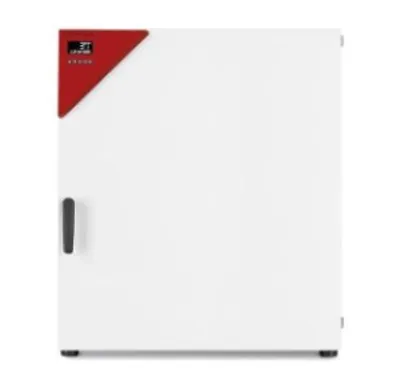
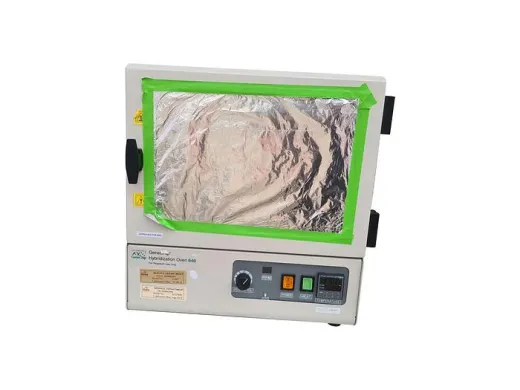
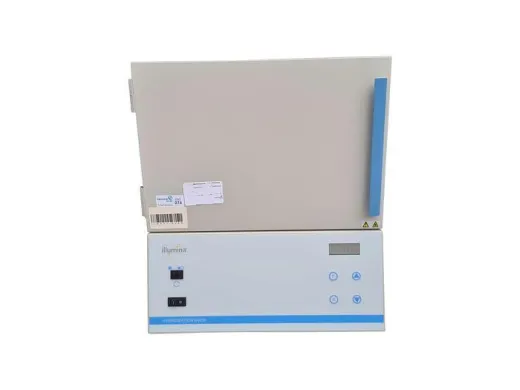
Illumina Boekel 230401 - 21LL Hybridization Oven
- Category
- Furnaces
- Brand
- Illumina
- Suppliers
- 1 verified


Not the exact instrument you need?
Tell our scientists what you are after. We track it down, including off-market supply.
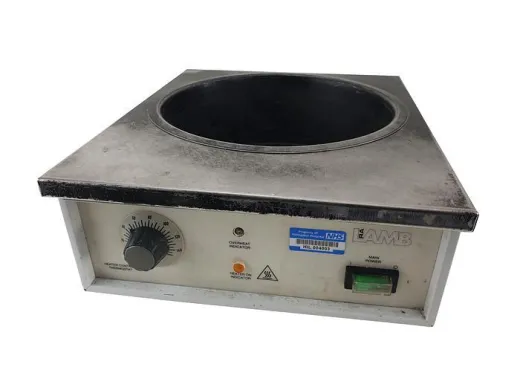
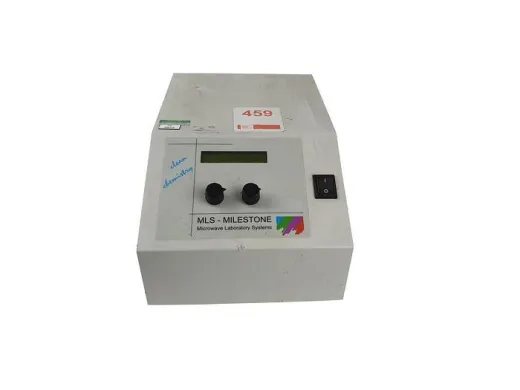
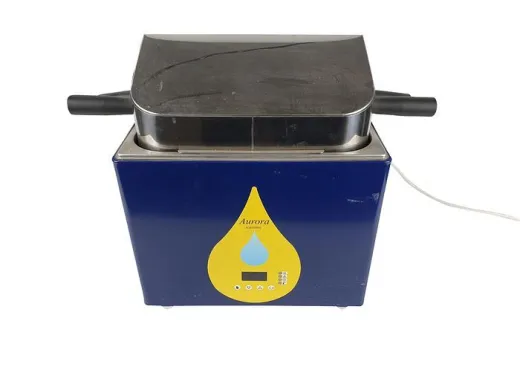
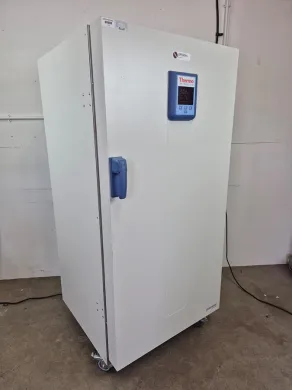
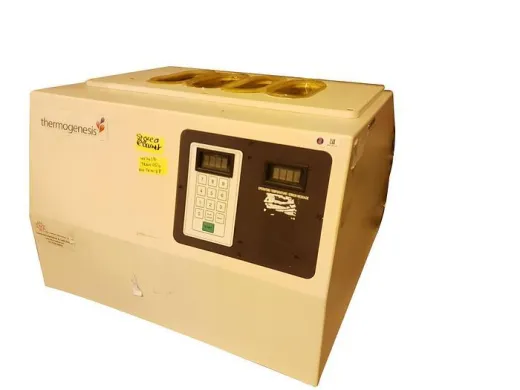
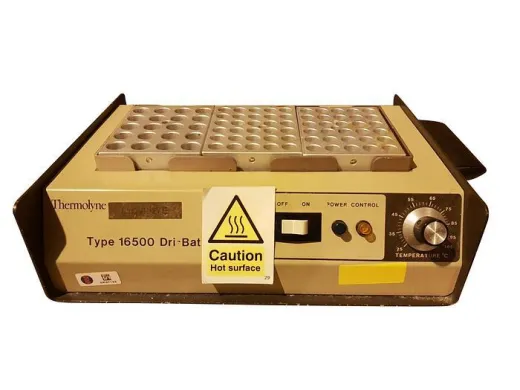
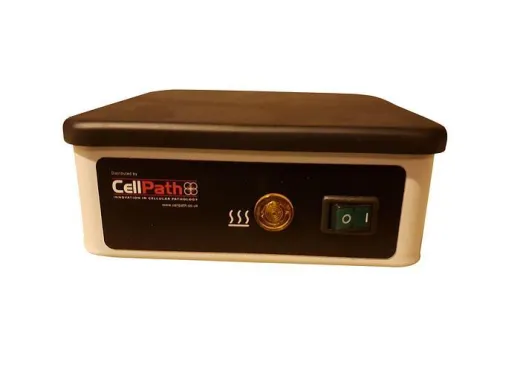
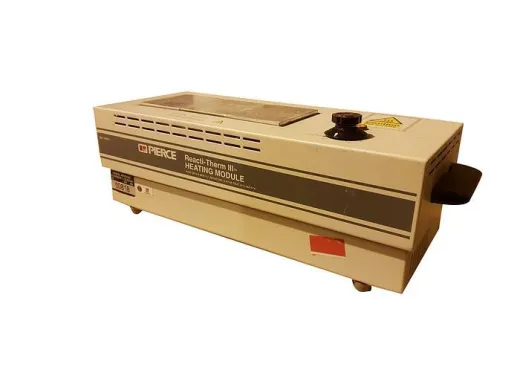
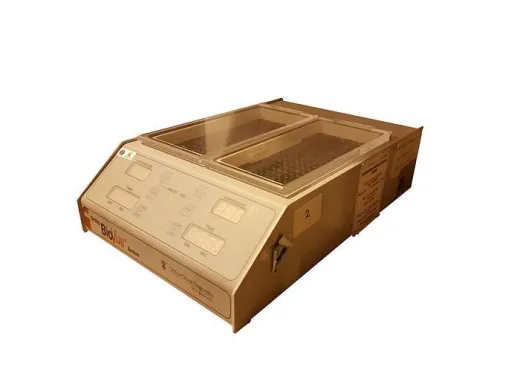
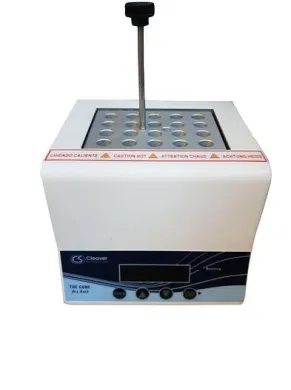
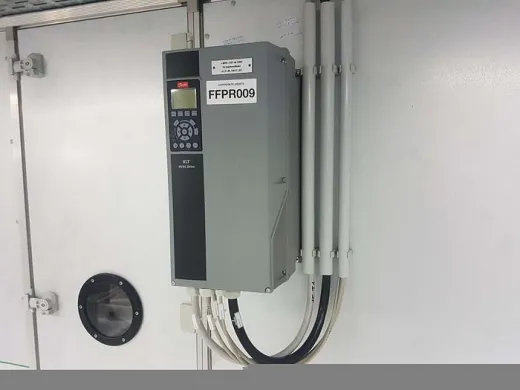

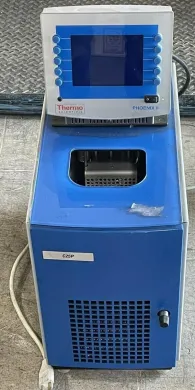


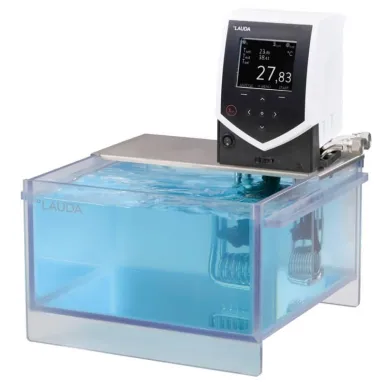
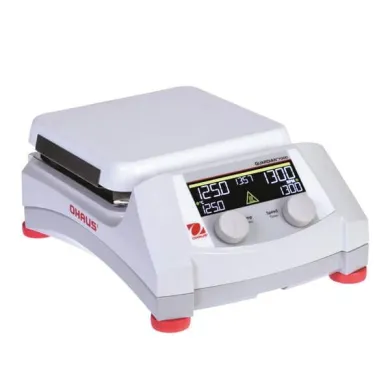
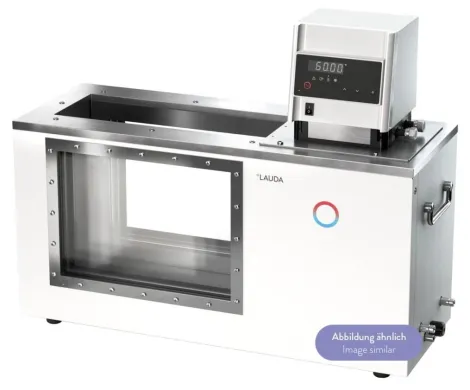
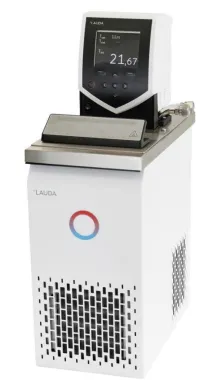
ECO ET 20 G Heating Thermostat by LAUDA
- Category
- Thermostats
- Brand
- Lauda
- Suppliers
- 1 verified
Not the exact instrument you need?
Tell our scientists what you are after. We track it down, including off-market supply.
Showing 1–40 of 7,576 listings
Show 40 more listingsBuying guide
Range, stability and uniformity come before brand or size. A process may need to sit a few degrees above ambient, reach well below freezing or ramp between setpoints, and it may be sensitive to drift over hours or to differences across a shelf or bath. Those needs point to the equipment class: incubators for cultures and assays, ovens for drying and curing, baths and circulators for immersing samples or feeding an external system, chillers for removing heat from instruments, and freezers for holding samples cold.
Within each class, a few specifications decide the purchase. Incubators differ in whether they heat only or also cool, in air circulation and in humidity or gas control. Ovens differ in natural or forced convection, vacuum operation for heat-sensitive or solvent-wet samples, and safety features for flammable vapours. Circulators are specified by heating and cooling capacity, pump pressure and flow for external circuits such as reactor jackets, and by working range. Chillers must match the heat load and the flow and pressure requirements of the instrument they serve, whether a laser, an ICP torch or an electron microscope. Stability figures should be read at the actual working point, not only under ideal conditions.
Measurement closes the loop. Calibrated sensors, data logging and alarms show that a process held its setpoint, which accredited and GMP labs must document.
On a used unit, ask for a recent uniformity and stability check at the working setpoint. Refrigerated units need compressor condition and cooling performance checked and the refrigerant type noted, since rules on some refrigerants affect future servicing. Baths and circulators should be checked for pump function and seals, ovens for door gaskets and controller accuracy, and monitoring sensors for calibration traceability.
On Questpair, used and refurbished incubators, ovens, baths, circulators and chillers are offered for sale next to new equipment. Their prices make them more affordable than new equipment, which lets a lab dedicate a unit to one process instead of changing setpoints between users. The cost of energy and maintenance over a unit's life should be counted with the price. A lab setting its budget should include calibration of sensors and controllers.
Types of Temperature-Controlled Processes
Incubators
Incubators in this workflow hold samples at a stable setpoint above or below ambient: microbiological incubators for bacterial culture and environmental testing, cooled incubators with compressors or Peltier elements for work near room conditions such as BOD testing and insect or plant studies, shaking incubators for liquid cultures, and small incubators for plates and slides. Uniformity across shelves and recovery after door openings decide the choice. The difference from ovens lies in operating at the moderate settings living samples need. Demand comes from microbiology, environmental, food and research labs.
Ovens
Ovens heat samples and materials for drying, curing, heat treatment and burn-in testing. Natural convection ovens suit light powders, forced convection ovens give faster and more uniform heating, vacuum ovens dry heat-sensitive or solvent-wet material at lower settings, and high-temperature and clean-process ovens serve materials and electronics work. Chamber volume, uniformity, maximum setpoint and safety features for solvent vapor decide the choice. Demand comes from chemistry, materials, electronics, pharmaceutical and QC labs. Set beside incubators, this category is distinguished by reaching higher settings for processing rather than growth.
Baths / circulators
Baths and circulators hold liquids at a set point for immersing samples or feeding an external circuit. Water baths warm reagents and samples, shaking baths add agitation, oil and high-temperature baths reach higher ranges, and refrigerated circulators control jacketed reactors, viscometers, rotary evaporator condensers and optical cells from below freezing to well above ambient. Stability, heating and cooling capacity, pump pressure and bath fluid range decide the choice. The category differs from chillers in controlling a process setpoint rather than only removing heat. Demand comes from chemistry, materials, food and life science labs.
Chillers
Chillers remove heat from instruments and processes by circulating coolant at a set point: recirculating chillers for lasers, ICP and mass spectrometers, electron microscopes, X-ray generators, rotary evaporators and reactor condensers. Cooling capacity at the working point, pump flow and pressure matched to the instrument, and air or water cooling of the chiller itself decide the fit, along with noise and heat released into the room. Replacing tap water cooling with a chiller saves water and gives steadier cooling. This category stands apart from circulators in serving cooling loads rather than process control. Demand comes from instrument owners and facility managers.
Freezers
Freezers in this workflow are chosen for how steadily they hold cold: −20 °C laboratory freezers for enzymes and reagents, −40 °C units for specific process and stability needs, ultra-low freezers for long-term biological storage, and plasma and blast freezers that bring samples down quickly. Uniformity inside the cabinet, recovery after opening and alarm outputs matter more than the rated minimum. Manual and auto-defrost designs differ in stability during defrost. Demand comes from research labs, pharmacies, blood services and QC stability teams. The difference from the heating categories lies in holding samples below freezing.
Heating & cooling
Heating and cooling equipment covers the benchtop devices for direct control of vessels and tubes: hotplates and heating stirrers, heating mantles and blocks for flasks, dry block heaters and thermomixers for tubes, Peltier heating and cooling blocks, cooling plates and ice-free cold blocks, and thermal cyclers, which step tubes between setpoints for amplification. They give fast, local control where a bath or oven would be too large. Setpoint accuracy, block formats and surface safety decide the choice. Set beside baths, this category is distinguished by heating by direct contact rather than through a liquid. Demand comes from chemistry, molecular biology and teaching labs.
Temperature monitoring
Monitoring equipment records and proves the conditions a process ran at: data loggers, wireless sensor networks, thermocouple and resistance thermometer probes, mapping kits with multiple sensors for qualifying chambers and ovens, and reference thermometers for calibration. Software stores readings, raises alarms and produces reports for audits. Sensor range and accuracy, logging interval and calibration traceability decide the choice. The category differs from Thermostats in measuring rather than regulating. Demand comes from quality managers, validation teams and labs that must document conditions for accreditation or GMP.
Thermostats
Thermostats regulate heat by switching or modulating heating and cooling: immersion thermostats that turn a tank into a controlled bath, stand-alone controllers with probes for heating mantles and plates, and replacement controllers for ovens, baths and incubators. PID control gives stable setpoints without overshoot, and safety cut-outs protect against runaway heating. Probe type, control range and output power decide the fit. Demand comes from labs building or upgrading their own setups and technicians repairing equipment. This category stands apart from Temperature monitoring in acting on the process rather than recording it.
About Questpair
Questpair is the European marketplace for lab equipment, where AI-prepared cases and personal specialists guide every purchase. We work with 247 verified suppliers across 38 countries to find buyers the right new, used or refurbished instruments, with response within 1 hour and significant savings vs buying new.
Personal · Fast · Reliable · Affordable