
Centrifugation
We personally find you the right new, used and refurbished centrifugation instruments & equipment from verified suppliers.
Separating a sample by density runs on matching the spin to the particle: a cell pellet comes down at a few hundred g, a membrane fraction needs tens of thousands, and a protein in a density gradient wants a controlled profile held for hours. The work binds on three things at once, the rotor that carries the tubes, the speed the drive can reach and hold, and the temperature the chamber keeps while it runs. Across this work the Questpair catalogue holds 14850 listings from 108 verified suppliers and distributors. Separations range from a one-minute benchtop spin to a process run feeding downstream purification, and the equipment splits along those lines.
Updated:
Centrifugation product list
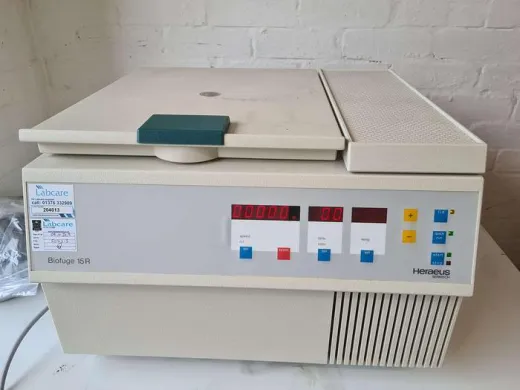
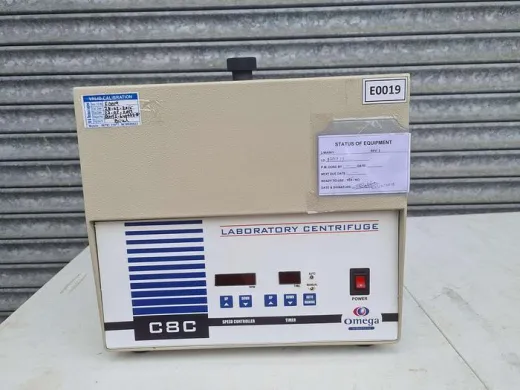
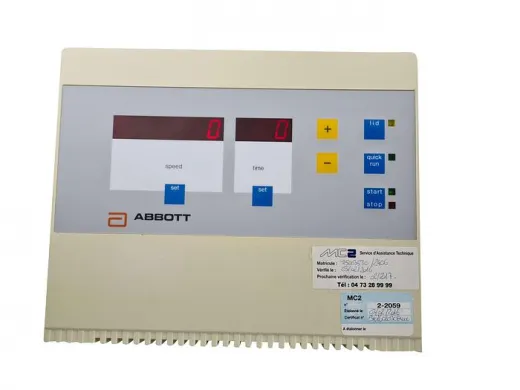
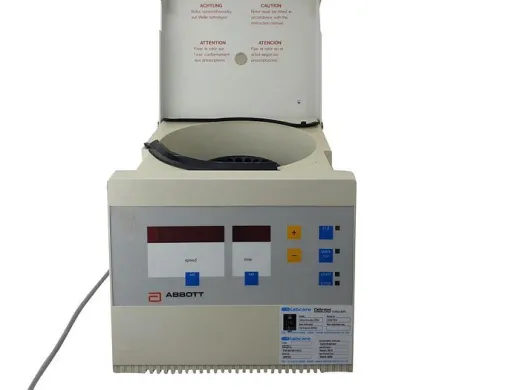
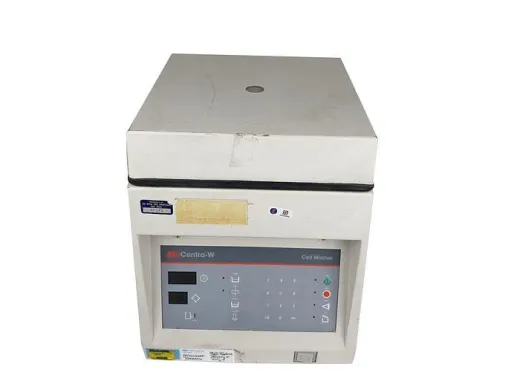


Not the exact instrument you need?
Tell our scientists what you are after. We track it down, including off-market supply.
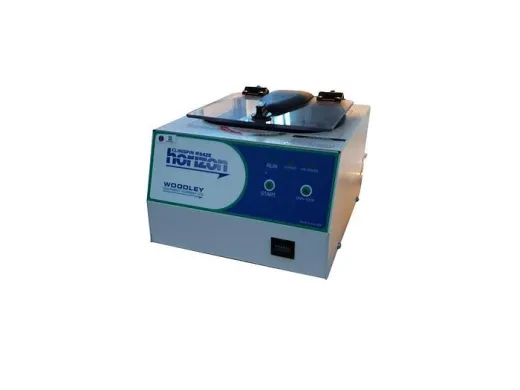
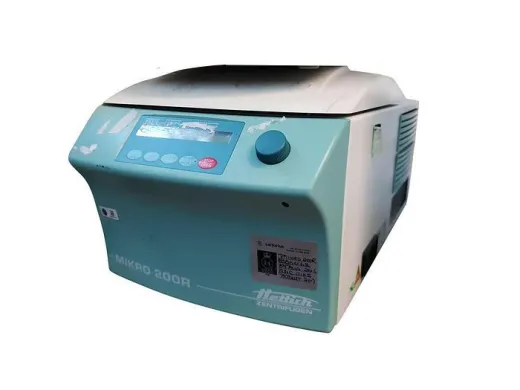
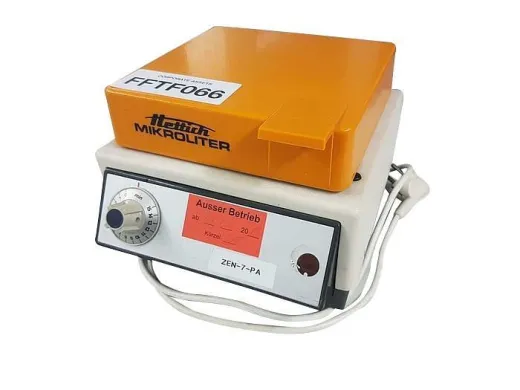
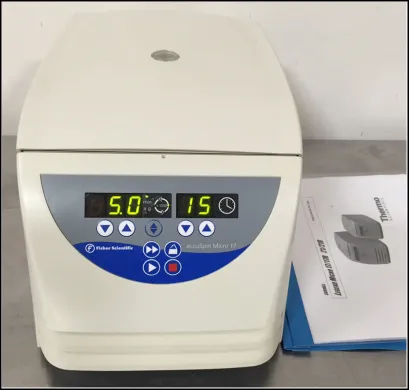


Not the exact instrument you need?
Tell our scientists what you are after. We track it down, including off-market supply.
Showing 1–40 of 3,242 listings
Show 40 more listingsBuying guide
Across the whole set, prices run from EUR 6 to EUR 622.043. That span is wide because it covers a single small benchtop spinner at one end and a floor-standing process or ultracentrifuge installation at the other, and the expensive end is the high-force and large-volume work: ultracentrifugation, refrigerated high-speed drives, and process-scale separation. A microcentrifuge or a basic benchtop unit sits far down the range, while a complete high-speed instrument with a refrigerated chamber and a matching rotor sits well up it. Rotors and parts list separately, so a given price may be for an instrument alone or for a rotor alone, and reading which is which matters before comparing two figures.
Of the listings, 95 percent are used. Used and refurbished units are listed below the price of new equipment, which is the one comparison the catalogue supports; warranty is arranged in consultation for the specific listing, so that is the place to settle it rather than assuming it from the condition. The catalogue draws on 108 verified suppliers and distributors across 55 countries, so the same instrument class often appears at several price points. Where a buyer is weighing a particular unit, the individual listing carries the rotor fit, the speed rating, and whether the chamber is refrigerated, and those three decide whether it matches the separation before the price does.
Types of Centrifugation
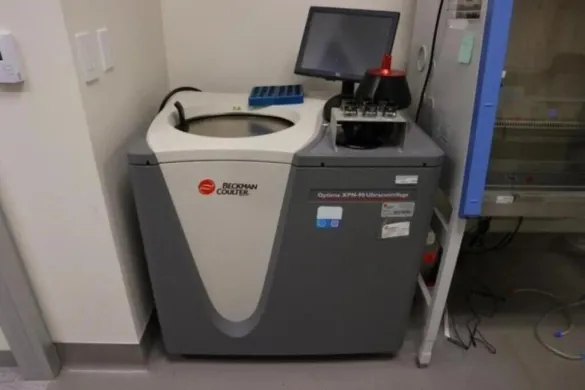
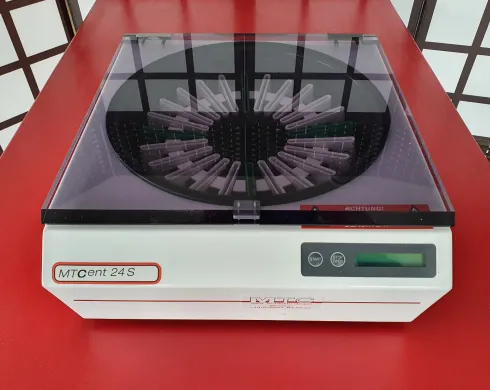
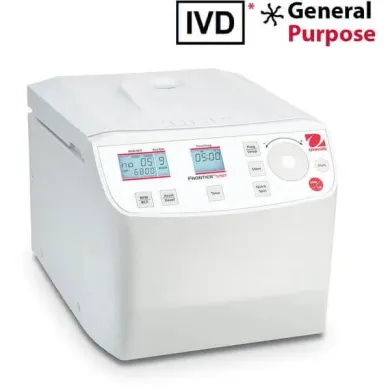
The equipment here spans benchtop and microcentrifuges, floor-standing high-speed and ultracentrifuges, process units and the rotors and parts that fit them. Separation by centrifugal force is less a single procedure than a sequence of choices, and the stages below follow the order a lab actually works through: deciding the force, loading the rotor, running at temperature, and reading the result.
What force does the separation need?
The first decision is relative centrifugal force, not rotor speed, because g depends on radius as well as rpm. Pelleting whole cells sits low, a few hundred g for a few minutes, and a microcentrifuge or a benchtop unit covers it. Clearing a lysate of debris moves higher. Isolating subcellular fractions, pelleting viruses, or banding nucleic acids in a gradient reaches into the tens and hundreds of thousands, which is where high-speed and ultracentrifugation separate from everything below them. The reason this matters at the buying stage is that the force target fixes the class of machine, and a benchtop unit cannot be pushed into ultracentrifuge territory by setting a higher number. A sample that needs 100,000 g needs a drive and rotor built for it.
Loading the rotor
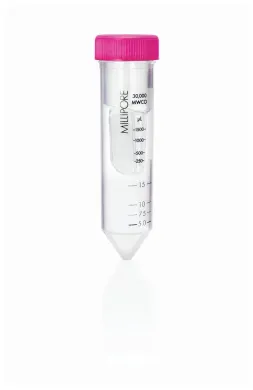
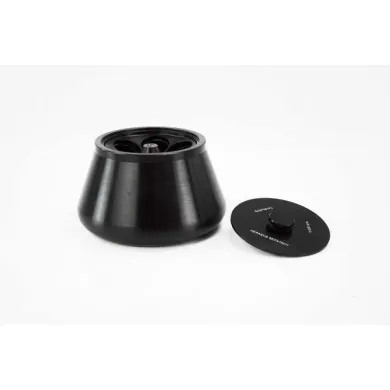
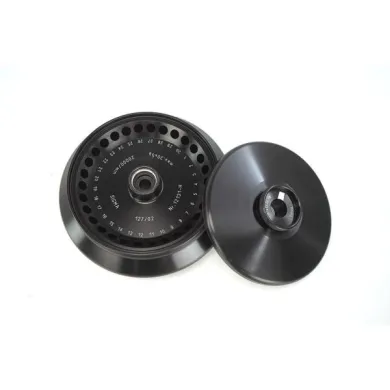
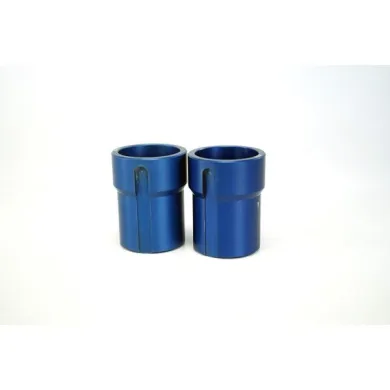
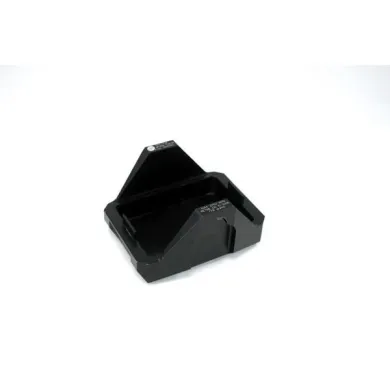
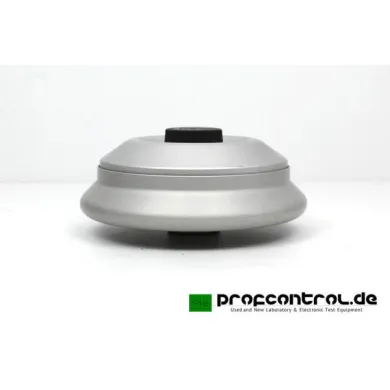
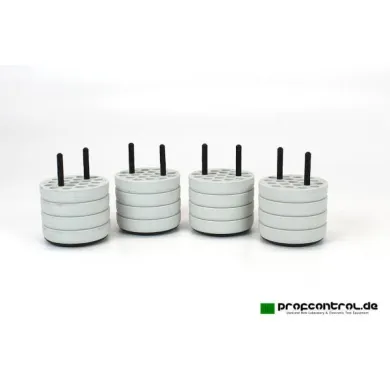
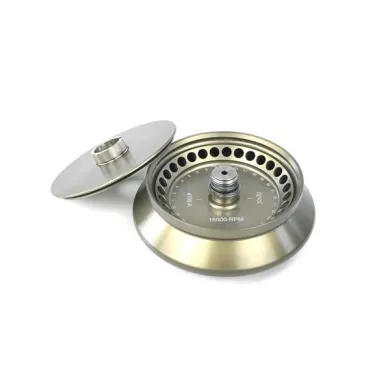
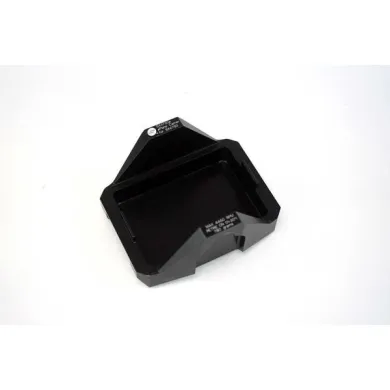
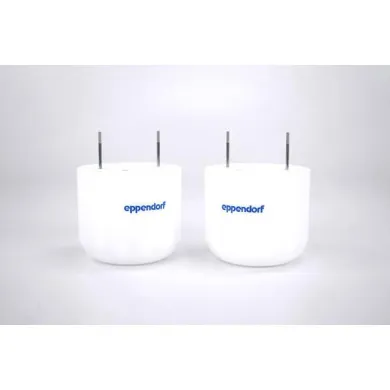
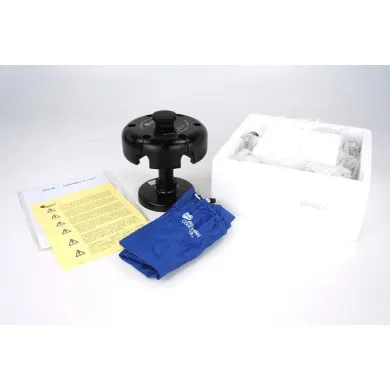
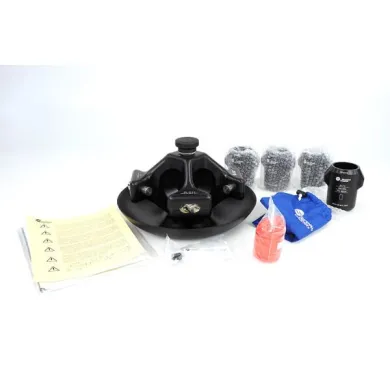
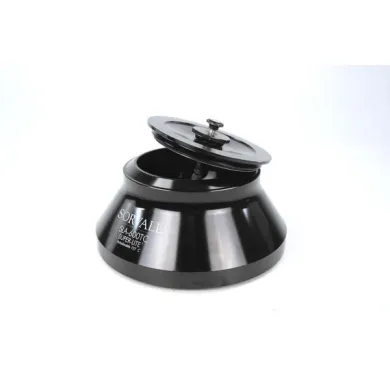
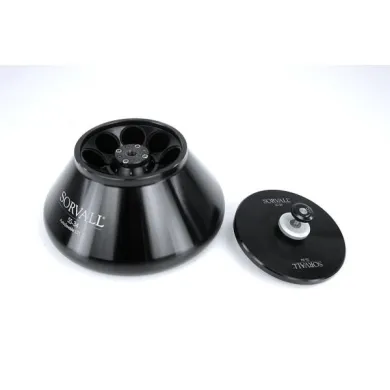
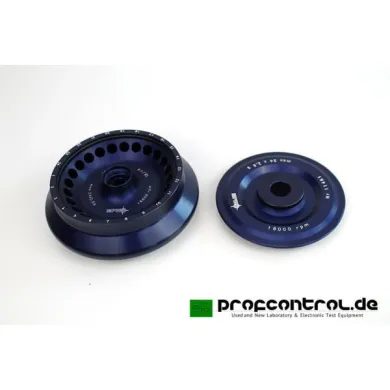
The rotor is where the sample sits, and it constrains the run as much as the drive does. A fixed-angle rotor holds tubes at a set angle and pellets against the tube wall, which suits clearing and pelleting. A swing-out rotor lets buckets rise to horizontal under load, which gives a flat pellet and a clean gradient band, at the cost of a lower top speed than a fixed-angle rotor of the same class. Each rotor carries a maximum speed and a tube format, so a rotor and the tubes are a pair, not two separate choices. This is why rotors and parts are a category of their own: a working centrifuge is often an instrument plus the right rotor, and a listing for one is not a listing for the other.
Running at temperature
Many separations generate heat at speed, and a sample that must stay cold through a long run needs a refrigerated chamber. Protein work, live cells, and enzyme preparations commonly run at four degrees, which rules out an ambient-only unit for that step. A refrigerated centrifuge holds the set temperature while the rotor turns, and the hold is part of the specification to check, not an extra. Where the run is short and the sample tolerant, an ambient machine is enough and simpler.
From benchtop to process scale
At the top of the volume range the work leaves the lab bench. Process centrifuges run continuously or in large batches, separating cells from broth or clarifying a feed stream ahead of purification, and they belong to pilot and production settings rather than to benchtop science. They share the principle with a microcentrifuge and almost nothing else: throughput, footprint, and the way a run is fed and emptied all change. A lab scaling a separation up crosses from one class of equipment into another, which is why the same work spans the whole set from a desktop spinner to a floor-standing process unit.
Frequently asked questions
What do you need at minimum to start separating samples by centrifugation?
A single centrifuge with a rotor that fits your tubes and reaches the force your separation needs covers the minimum. For clearing samples and pelleting cells, a benchtop unit or microcentrifuge with one fixed-angle rotor and matching tubes is enough to run.
Which part of a centrifugation setup is the most expensive to set up?
The high-force and large-volume work sits at the top of the range: ultracentrifugation, refrigerated high-speed drives, and process-scale separation. A benchtop unit with an ambient chamber is far cheaper to buy and install than a floor-standing high-speed instrument with a refrigerated chamber and a matching rotor.
What can you buy used and what is better bought new for centrifugation?
Instruments and rotors both appear used and refurbished in the catalogue, listed below the price of new equipment, which is the one comparison the listings support. The practical limit on used is the rotor: a rotor has a usage history that affects whether it is safe at its rated speed, so that is the item to inspect most closely rather than assume from the drive.
What has to match between the rotor, the drive, and the tubes?
The rotor carries a maximum speed and a tube format, so the rotor and the tubes are a pair, and the drive has to be rated to spin that rotor at the force you need. A rotor that fits one centrifuge is not interchangeable across classes, and a benchtop drive cannot reach ultracentrifuge speeds no matter which rotor you fit.
Roughly what does a complete centrifugation setup cost?
Across the whole set, prices run from EUR 6 to EUR 622.043, and a complete setup lands somewhere inside that span depending on the force class. A microcentrifuge or basic benchtop unit with a rotor sits far down the range, while a refrigerated high-speed instrument with its matching rotor sits well up it. Rotors and parts list separately, so check whether a given price is for an instrument alone or a rotor alone before comparing.
Where does cutting the budget on centrifugation cost you later?
Buying below the force class your work needs is the common trap, because a benchtop unit cannot be pushed into high-speed or ultracentrifuge territory and you end up replacing the whole instrument. Skipping a refrigerated chamber also costs you if any step runs long or cold, since protein, live-cell, and enzyme work at four degrees cannot run on an ambient-only machine.
Which centrifugation equipment gets shared with other lab work?
A refrigerated benchtop or microcentrifuge is general-purpose and serves cell pelleting, lysate clearing, and sample prep across many workflows, so it rarely stays dedicated to one application. A high-speed or ultracentrifuge with a specific rotor is tied more closely to its separations, and a process centrifuge belongs to pilot or production rather than bench science.
What should you check on a used centrifuge before buying it for this work?
Confirm the three specifications that decide whether it matches the separation: the rotor fit, the speed rating, and whether the chamber is refrigerated with a verified temperature hold. On the rotor itself, check its condition and usage history, since a rotor rated for high g is a safety-critical part. Warranty on a used unit is arranged in consultation for the specific listing, so settle it there.
About Questpair
Questpair is the European marketplace for lab equipment, where AI-prepared cases and personal specialists guide every purchase. We work with 247 verified suppliers across 38 countries to find buyers the right new, used or refurbished instruments, with response within 1 hour and significant savings vs buying new.
Personal · Fast · Reliable · Affordable