

Centrifugation
We personally find you the right new, used and refurbished centrifugation instruments & equipment from verified suppliers.
Centrifugation is the laboratory process that separates the components of a mixture by spinning samples at high rotational speed, so that denser particles move outward and settle while lighter fractions stay near the axis. The equipment that performs it, laboratory centrifuges, spans small personal units through floor-standing high-speed machines. Across the Questpair catalogue 5159 centrifugation listings are offered by 23 verified suppliers and distributors in 10 countries. Of those, 94 percent of the listings are used, the remainder new. New, used and refurbished units all appear, from bench instruments to spare rotors, with prices that run across a wide band depending on speed, capacity and whether a listing is a complete machine or a part.
Updated:
Centrifugation product list
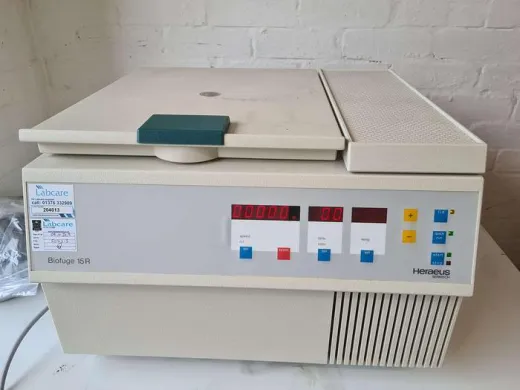
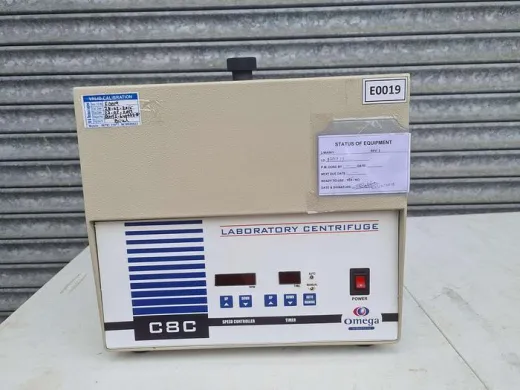
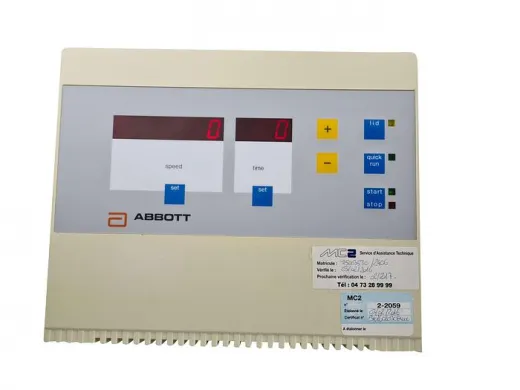
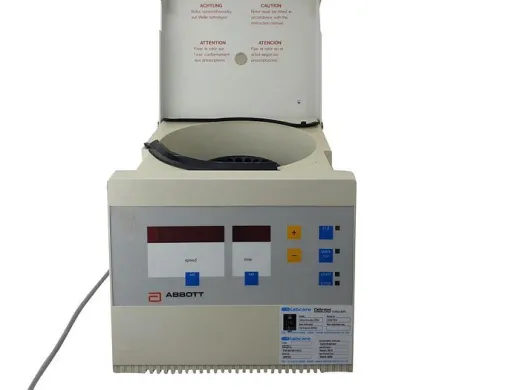


Not the exact instrument you need?
Tell our scientists what you are after. We track it down, including off-market supply.


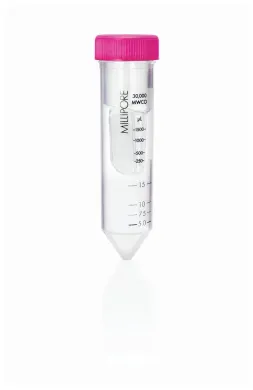
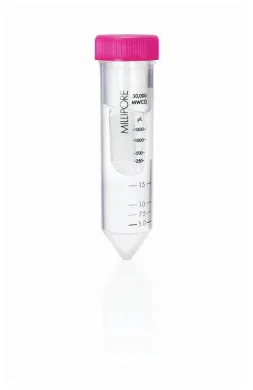
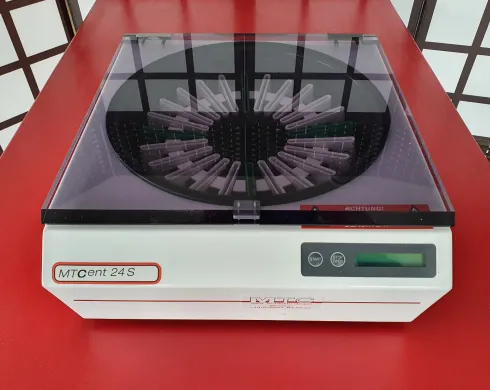
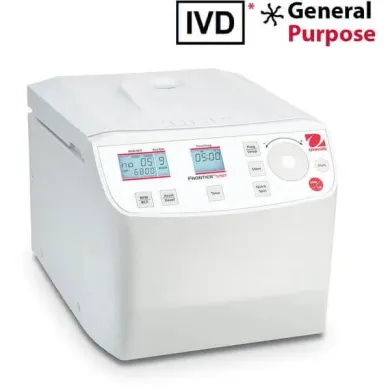
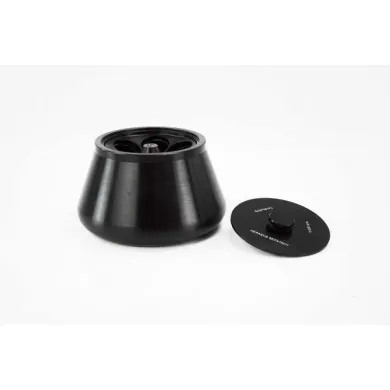
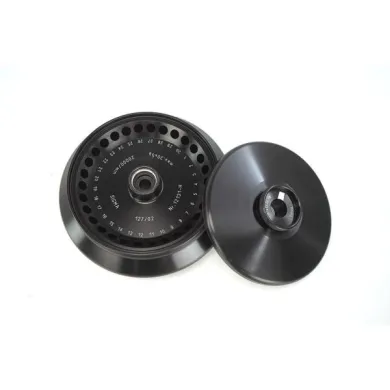
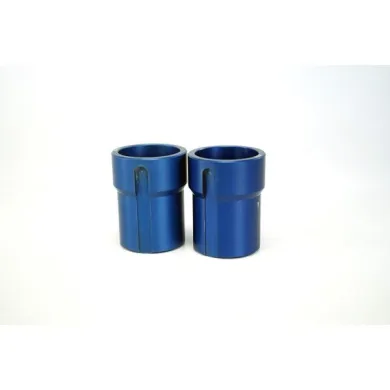
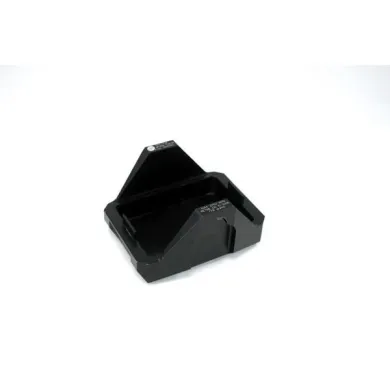
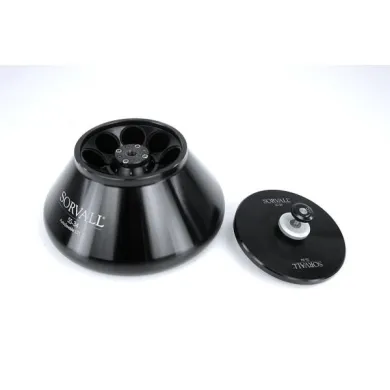
Not the exact instrument you need?
Tell our scientists what you are after. We track it down, including off-market supply.
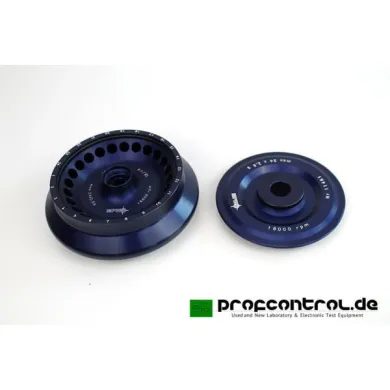
Showing 1–40 of 3,237 listings
Show 40 more listingsBuying guide
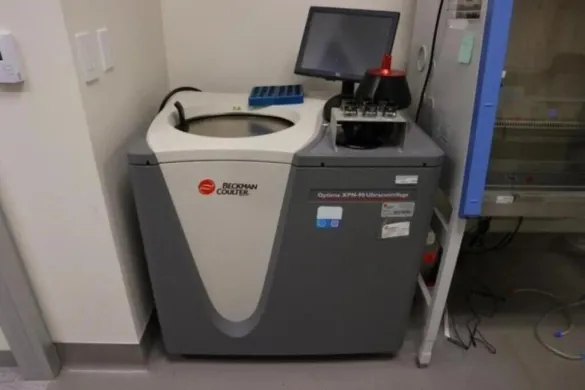
The decision that settles a centrifuge purchase is almost always speed, paired with the capacity it has to reach that speed with. A unit rated for a few thousand rpm separates blood, resuspends cells and clears culture debris; one rated above twenty thousand pellets subcellular fractions and ribonucleoprotein; an ultracentrifuge reaches further still, into the range where density gradients resolve. Match the maximum relative centrifugal force and the rotor's bore and tube count to the protocol you actually run, because a machine that spins fast but holds the wrong tube is no use, and one sized for litres wastes bench space on a lab that processes microlitres. Capacity and speed trade against each other across the rotor range, and the swing-out versus fixed-angle choice follows from the separation, not the other way round.
Condition carries real weight here, more than on most equipment, because a centrifuge stores enormous energy in a spinning rotor and a fatigued one is a safety matter, not a cosmetic one. On a used unit verify the rotor's run history and that it sits within the manufacturer's recommended service life, check the lid interlock and imbalance detection, and confirm the drive bearing runs without vibration or noise. A refrigerated model adds a compressor and a temperature sensor to that list. Ask what it costs to replace the rotor you need, since on an older machine that figure can approach the price of the instrument itself.
Price spans the full breadth of the catalogue, from EUR 6 at the parts and accessory end to EUR 601.762 for a complete high-capacity system, with an average around EUR 2.635. Microcentrifuges and compact benchtop models occupy the lower and middle of that band and are where a limited budget goes furthest. Floor-standing high-speed and refrigerated machines, carrying names such as Eppendorf, Thermo Scientific, Beckman Coulter, Thermo Fisher Scientific, VWR, sit higher. Used and refurbished units listed for sale are more affordable than new, which is the main reason a buyer weighs them, and the right price depends on the speed class and the rotor supplied rather than on the brand alone.
Types of Centrifugation
Which centrifuge types are listed?
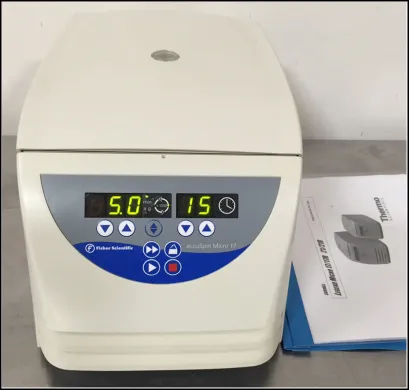
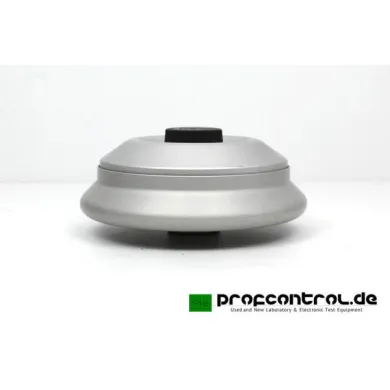
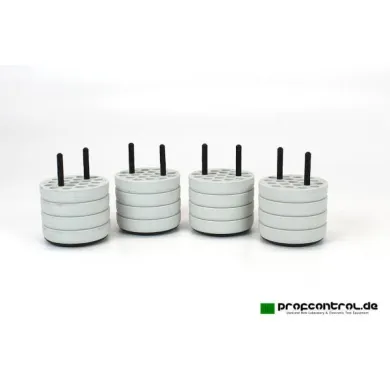
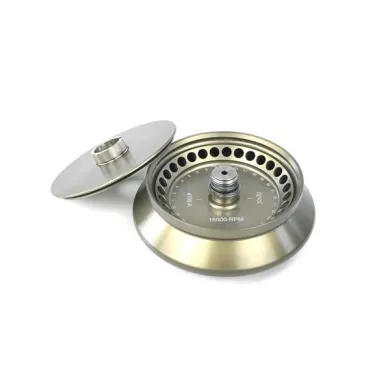
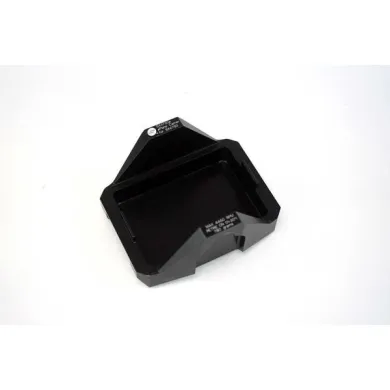
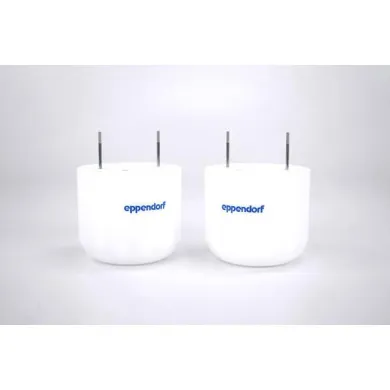
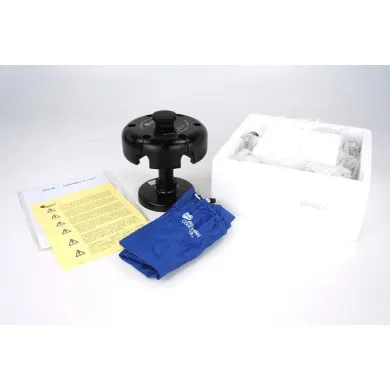
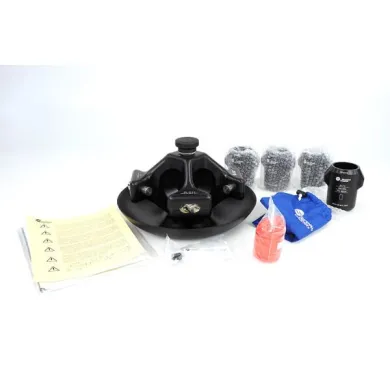
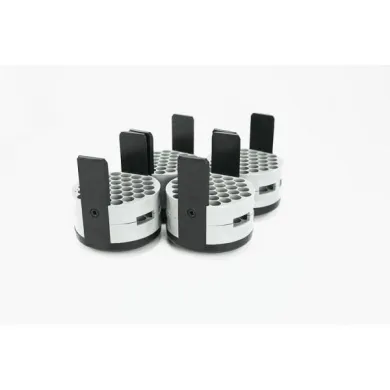
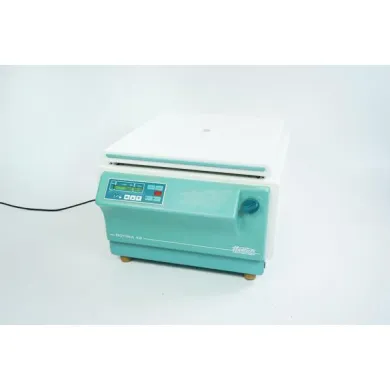
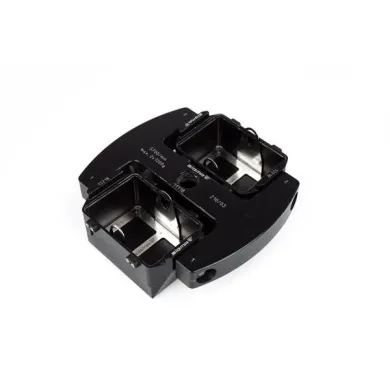
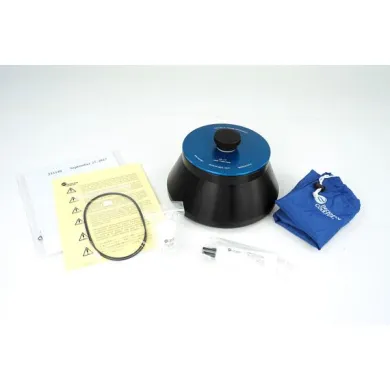
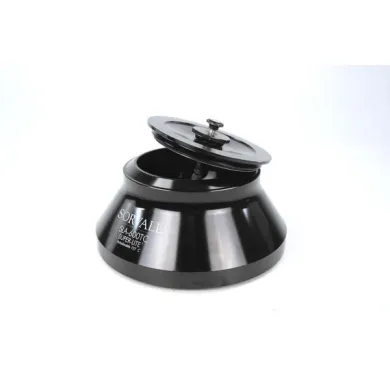
Among the centrifugation listings that specify a type, the spread runs from personal instruments to industrial separators. The microcentrifuge holds microtube volumes and spins them fast, the format a molecular biology bench reaches for daily in DNA and RNA preparation, protein purification and spin-column work. The general benchtop centrifuge is the larger-volume workhorse for cell culture and clinical samples, swinging buckets or fixed-angle rotors through blood, media and conical tubes. The high-speed centrifuge pushes into the range where subcellular structures and precipitates pellet, serving genomics and proteomics sample preparation. A refrigerated benchtop variant adds cooling for temperature-sensitive separations, holding labile enzymes, live cells and nucleic acids near zero through the run. Centrifuge rotors and parts appear as listings in their own right, which is how a buyer replaces a worn or wrong rotor without replacing the machine.
The brands behind the centrifugation listings
The names that recur across these listings are Eppendorf, Thermo Scientific, Beckman Coulter, Thermo Fisher Scientific, VWR. For a buyer that concentration matters in practical ways rather than as a mark of status. A model from a maker with a deep installed base is easier to compare against others of its kind, and rotors, buckets, adapters and seals for it are more likely to turn up as separate listings. Eppendorf and Thermo Scientific dominate the benchtop and microcentrifuge end, while Beckman Coulter reaches furthest up the high-speed and preparative range. A VWR-badged unit is often a rebranded instrument, so match it to its original maker when sourcing consumables. Where several listings of one model exist, their prices form a reference point that a one-off orphan brand cannot offer.
What a used centrifuge costs here
The catalogue leans heavily toward used stock: 4861 of the listings are used against 286 new, which is 94 percent used. Prices span from EUR 6 to EUR 601.762. That range is wide because it covers both ends of the market at once, a single replacement rotor or adapter at the bottom and a floor-standing refrigerated high-speed system at the top, with most whole benchtop machines falling between them. Used and refurbished units are listed below the price of new, and the figure a given listing carries tracks its speed class, its cooling and the rotor it ships with more than the badge on the front.
Frequently asked questions
What is centrifugation?
Centrifugation is a laboratory technique that separates the parts of a sample by density, using rapid spinning so that denser particles move outward while lighter material stays near the centre. The instruments that carry it out range from small benchtop units to floor-standing machines.
What does centrifugation mean in practice?
In practice it means loading tubes into a rotor and spinning them at a set speed and time to pellet solids, clarify a liquid, or separate layers of differing density. The result is usually a visible pellet at the bottom of the tube and a cleared supernatant above it.
How do centrifuges work?
A motor spins a rotor holding the sample tubes, generating centrifugal force measured in multiples of gravity (g). Denser components sediment toward the outer wall of the tube while lighter components remain closer to the axis, and the separation depends on the speed, the run time, and the rotor geometry.
What types of centrifuge are there?
The listings here cover benchtop centrifuges, broader laboratory centrifuges, microcentrifuges, high-speed centrifuges, refrigerated benchtop centrifuges, and centrifuge rotors sold on their own. Each differs in capacity, achievable g-force, and whether it includes temperature control.
What are centrifuges used for?
They separate sample components by density for tasks such as pelleting cells, clarifying lysates, and isolating nucleic acids or proteins. Microcentrifuges handle microlitre volumes in molecular biology, while refrigerated units keep heat-sensitive samples cold during cell culture and enzyme work.
How do I choose the right centrifuge?
Start with the tube format and sample volume you run, then the maximum g-force your protocols need, and whether you require refrigeration. Check that the available rotors fit your tubes, since a model is only as useful as the rotor options that match your workflow.
What is the difference between refurbished and used?
A used centrifuge is sold in its existing condition, while a refurbished one has been checked and brought back toward working order before listing. Both are listed below new prices, and the exact scope of any refurbishment is described in the individual listing.
How much does a centrifuge cost?
Prices in the catalogue run from EUR 6 to EUR 601.762, with an average around EUR 2.635. The low end reflects a single replacement rotor and the high end a fully configured refrigerated or high-speed instrument.
Which centrifuge brands are worth looking at?
The most frequently listed makers here are Eppendorf, Thermo Scientific, Beckman Coulter, Thermo Fisher Scientific, and VWR. Each appears across several of the types in this category, so the same rotor families and tube formats tend to recur in the listings.
Can I get a warranty on a refurbished centrifuge?
A warranty is often possible and is arranged in consultation for the specific listing. The terms depend on the individual unit rather than a blanket policy, so check the listing you are considering.
Are parts available for these centrifuges?
Parts, including rotors, lids, and adapters, can be sourced via Questpair. For the common Eppendorf and Thermo Scientific lines, spares circulate more widely because those instruments are so frequently used.
How long does a centrifuge last?
A centrifuge's working life depends on how hard the rotor and motor are driven and how well the unit is maintained, and well-kept laboratory instruments often run for many years. Rotors have their own service limits based on cycle counts and speed, which is one reason they are listed and replaced separately.
New versus refurbished: which should I buy?
The one difference you can count on is price, since used and refurbished units are listed below new ones. Weigh the specific condition described in the listing against the saving, and arrange any warranty in consultation for that unit.
Where can I buy a centrifuge?
The centrifuges here are offered through verified suppliers and distributors listed on Questpair, spanning 23 suppliers across 10 countries. You can compare new and used units in the same catalogue.
What are the lead time and shipping like?
Lead time and shipping depend on the individual supplier and whether the unit is in stock, so they vary from one listing to another. The listing or the supplier can confirm the timeframe for a specific centrifuge.
What about calibration and maintenance?
Routine care covers rotor inspection, checking the lid seal and imbalance detection, and verifying speed and temperature against expected values. Questpair does not carry out servicing, but parts for maintenance can be sourced through it.
Which centrifuge types are listed most, and who reaches for which?
Benchtop centrifuges are the most common listing, used for routine pelleting and clarification at the bench. Molecular biology labs reach for microcentrifuges for microlitre spins, cell culture and immunoassay work favours refrigerated units, and buyers matching an existing machine look to the standalone rotor listings.
Which brands dominate this category and what does that mean for a buyer?
Eppendorf, Thermo Scientific, Beckman Coulter, Thermo Fisher Scientific, and VWR account for the bulk of the listings. That concentration means spare rotors and adapters for the common lines circulate widely, and models are easier to compare because the same rotor families and tube formats recur across listings.
What separates the cheapest centrifuges here from the most expensive?
At the low end sits a single replacement rotor or a basic non-refrigerated benchtop unit; at the high end, a fully configured refrigerated or high-speed instrument. The gap between EUR 6 and EUR 601.762 tracks capacity, achievable g-force, temperature control, and whether a complete machine or a single component is on offer.