

Centrifuge rotors / parts
We personally find you the right used, refurbished and new centrifuge rotors / parts instruments & equipment from verified suppliers.
Centrifuge rotors and parts are the replaceable components of a laboratory centrifuge, the rotor that holds the samples and spins them, together with the buckets, adapters, lids, seals and drive parts that keep a unit running. A rotor is matched to a specific instrument and a specific speed rating, so it is bought as often to replace a worn or failed one as to extend what a centrifuge can do. On Questpair, 96 percent of the 4021 listings here are used, the remainder new, which tells a buyer most of this market is second-hand rather than factory-fresh. Listings span new, used and refurbished units from 19 verified suppliers and distributors across 9 countries.
Updated:
Centrifuge rotors / parts product list


Not the exact instrument you need?
Tell our scientists what you are after. We track it down, including off-market supply.
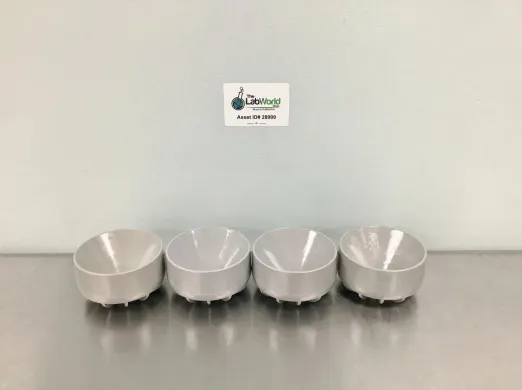
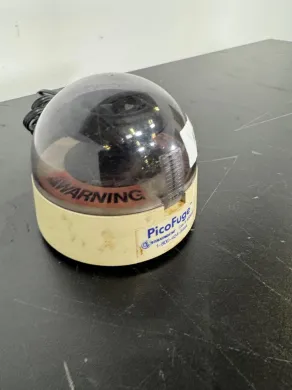
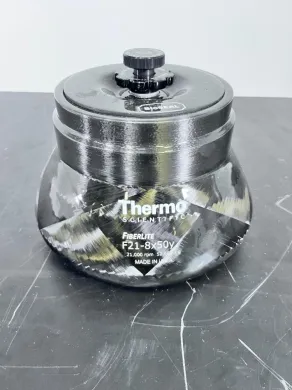
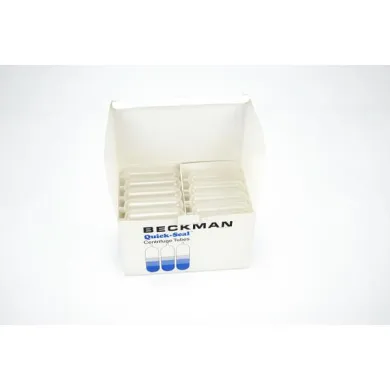
Not the exact instrument you need?
Tell our scientists what you are after. We track it down, including off-market supply.
Showing 1–40 of 2,771 listings
Show 40 more listingsBuying guide
On a used rotor, history outweighs anything on the datasheet, and that is where a purchase here is really decided. A rotor is a spinning mass rated for a finite number of cycles, and metal fatigues. Aluminium rotors in particular carry a de-rating schedule: run hours accumulate, the maximum safe speed drops, and a rotor at the end of its life can fail catastrophically inside the chamber. So the first question is not what the part can do but what it has already done. Ask for the logbook or the run-hour record, check the manufacturing date stamped on the body, and look for pitting or corrosion around the bores and the seal face, the places where repeated loading and cleaning agents do their damage.
Compatibility is the next gate, and it is narrower than buyers expect. A rotor fits one drive spindle and one bowl geometry; the model number on the centrifuge and the catalogue number on the rotor have to agree, not merely the brand. Buckets, adapters and tube holders carry their own part numbers within a rotor family, so a fixed-angle rotor and a swing-out rotor for the same instrument share almost nothing. Confirm the exact pairing against the listing before committing, because a rotor that looks right and seats wrong is an expensive mistake.
Price here covers an unusually wide field. Listings run from EUR 6 to EUR 601.762. That spread is real, not a rounding artefact: at the low end sit small adapters, spare lids and single tube holders, and at the top sit complete high-capacity rotors and ultracentrifuge rotors that cost as much as a whole benchtop machine. The average, EUR 2.560, says little on its own because of that range. What a replacement rotor costs depends almost entirely on the class of instrument it serves, and the brands that dominate the listings, Eppendorf, Thermo Scientific, Beckman Coulter, Thermo Fisher Scientific, VWR, each price their genuine rotors at a level that makes the used market worth searching. For a buyer working to a budget, the refurbished and used units for sale here are more affordable than new, and for a common benchtop model the saving against a factory rotor can be substantial. Set the compatibility and the run-hour check against that saving, in that order.
Types of Centrifuge rotors / parts
Which centrifuge parts and rotors are listed here?
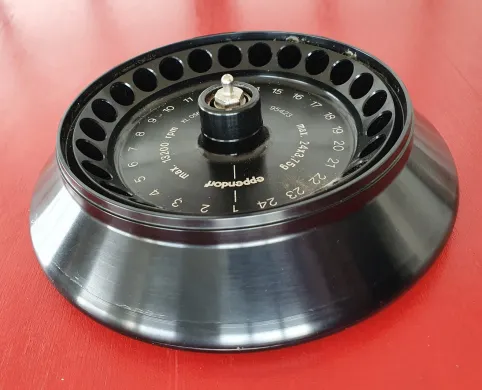
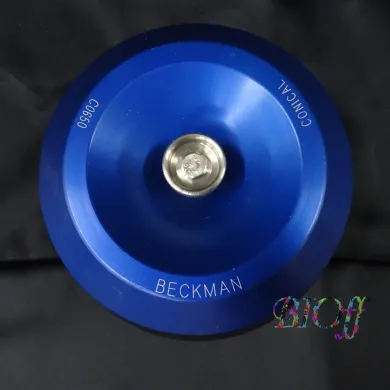
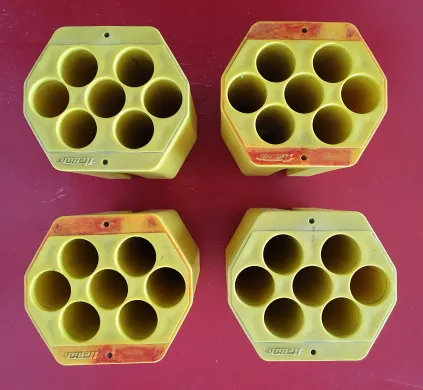
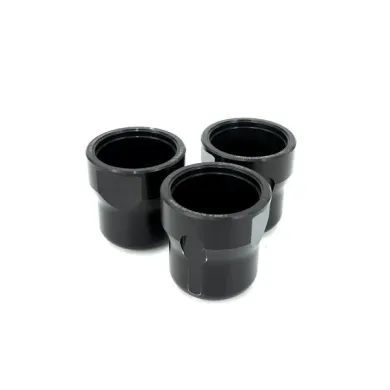
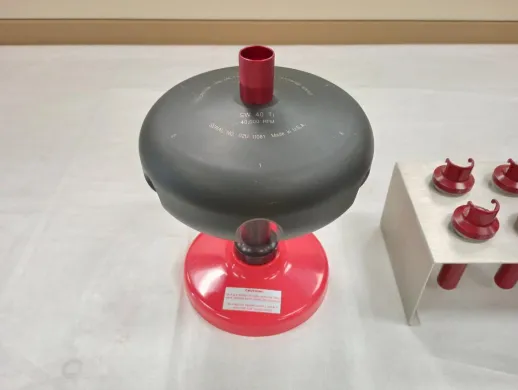
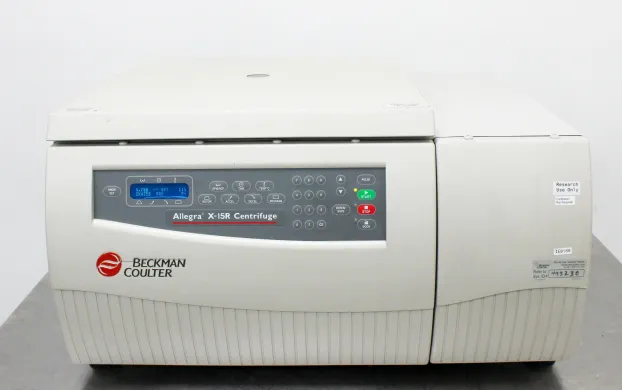
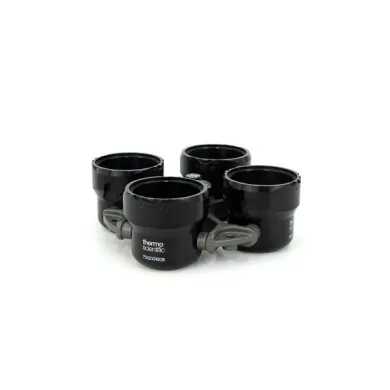
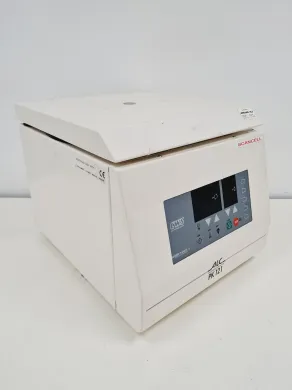
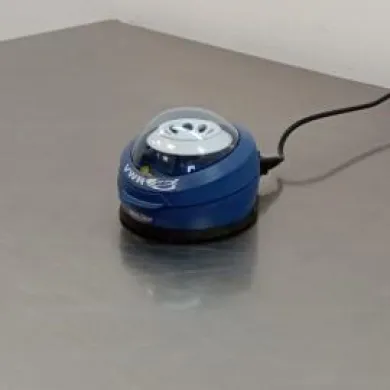
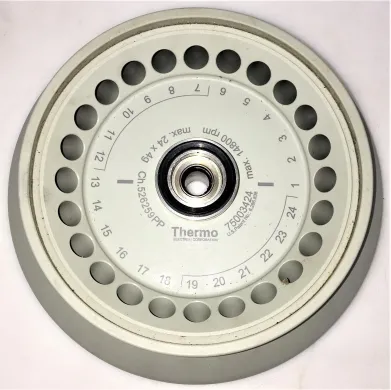
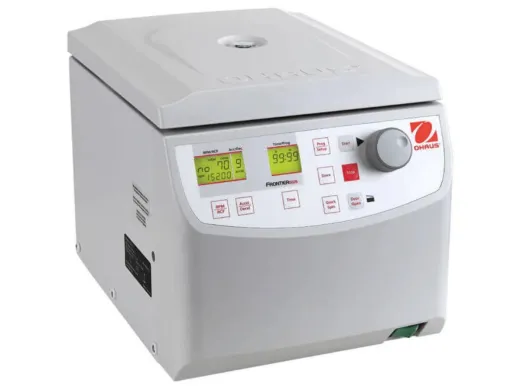
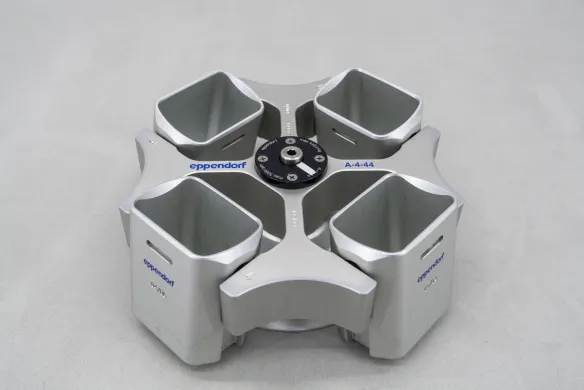
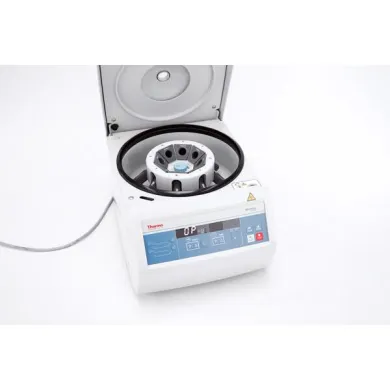
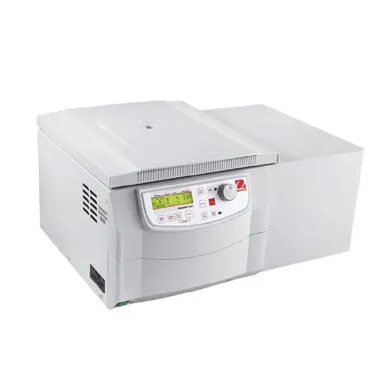
Among the listings that specify a type, the field splits between complete machines sold with their rotors and the rotors and parts themselves. The complete units include the benchtop centrifuge and laboratory centrifuge, the general-purpose formats that sit on a bench and handle routine pelleting, and the refrigerated benchtop centrifuge, which adds temperature control for work where the sample degrades at room heat. Alongside those run the microcentrifuge, built for the small tube volumes of molecular biology, and the high-speed centrifuge, which reaches the forces needed to separate finer fractions. The centrifuge rotor as a standalone part cuts across all of them: fixed-angle rotors for pelleting, swing-out rotors for density gradients, and the buckets and adapters that convert one tube format to another. Much of this equipment does its real work in life sciences. A refrigerated benchtop centrifuge is a fixture of cell culture and protein purification, where a pellet has to be recovered cold; the microcentrifuge serves molecular biology and genomics, spinning down nucleic acid preparations between steps; and a high-speed centrifuge underpins the subcellular fractionation that proteomics and cell imaging depend on. A swing-out rotor is also used for the ficoll gradients that isolate cells for immunoassay and flow cytometry.
The brands behind these rotor and parts listings
The listings are led by Eppendorf, Thermo Scientific, Beckman Coulter, Thermo Fisher Scientific, VWR. For a buyer this concentration is useful rather than incidental: a part from one of these makers is far easier to match, because the rotor catalogues are documented, the compatible instrument models are known, and a used rotor can be checked against a published speed rating. It also keeps the second-hand supply deep enough that a given rotor turns up more than once, which lets a buyer compare condition and price instead of taking the only unit available. Genuine rotors from these makers sit at the upper end of the price field when bought new, which is precisely what makes their used listings worth the search.
What a used centrifuge rotor costs here
Nearly the whole catalogue is second-hand: 96 percent of the 4021 listings are used, with 148 listed new. Prices run from EUR 6 to EUR 601.762. That range covers everything from a single adapter or spare lid at the bottom to a complete high-capacity rotor at the top, which is why the figures sit so far apart. The practical reading is that a replacement part for a common benchtop model is cheap and plentiful, while a rotor for a high-speed or ultracentrifuge instrument is the serious line item, and both live under the same heading.
Frequently asked questions
What is a centrifuge rotor or part?
A centrifuge rotor is the component that holds the sample tubes and spins them at speed, and the parts are the buckets, adapters, lids, seals and drive components that keep a centrifuge running. Each rotor is matched to a specific instrument and a specific speed rating.
What does centrifuge rotor or part mean in practice?
It means a replaceable component of a centrifuge rather than a whole machine, though complete units sold with their rotors also appear under this heading. In practice a buyer here is either replacing a worn or failed rotor or part, or extending what an existing centrifuge can do.
How do centrifuge rotors work?
A rotor mounts on the drive spindle and spins the loaded tubes, generating the centrifugal force that separates sample components by density. Fixed-angle rotors hold tubes at a set angle for pelleting, while swing-out rotors let the buckets pivot outward during the run for density gradients.
What types of centrifuge rotors and parts are there?
The main rotor types are fixed-angle rotors for pelleting and swing-out rotors for density gradients, along with the buckets and adapters that convert one tube format to another. The listings also include complete machines such as the benchtop centrifuge, laboratory centrifuge, refrigerated benchtop centrifuge, microcentrifuge and high-speed centrifuge sold with their rotors.
What are centrifuge rotors used for?
Fixed-angle rotors pellet material such as cells or precipitates, while swing-out rotors run density gradients like the ficoll gradients that isolate cells for immunoassay and flow cytometry. Refrigerated formats serve cell culture and protein purification where the pellet must stay cold, and microcentrifuge rotors spin down nucleic acid preparations in molecular biology.
How do I choose the right rotor?
Start with compatibility: the centrifuge model number and the rotor catalogue number have to agree, not just the brand, because a rotor fits one drive spindle and one bowl geometry. Then confirm the rotor type matches your work, since a fixed-angle rotor and a swing-out rotor for the same instrument share almost nothing.
What is the difference between a refurbished and a used rotor?
A used rotor is sold in its current condition, while a refurbished one has been checked and brought back to working order before sale. On a rotor the run-hour history matters more than either label, so ask for the logbook and the manufacturing date regardless of how the listing is described.
How much does a centrifuge rotor cost?
Prices here range from EUR 6 to EUR 601.762, with an average of EUR 2.560. The low end covers single adapters, spare lids and tube holders, while the top covers complete high-capacity rotors that can cost as much as a whole benchtop machine.
Which brands make centrifuge rotors and parts?
The listings are led by Eppendorf, Thermo Scientific, Beckman Coulter, Thermo Fisher Scientific and VWR. A rotor from one of these makers is easier to match because the catalogues are documented and the compatible instrument models are known.
Can I get a warranty on a refurbished rotor?
A warranty is often possible and is arranged in consultation for the specific listing. Because terms are not set centrally, check the individual listing for what applies to that rotor.
Are spare parts available for these rotors?
Buckets, adapters, lids, seals and tube holders are listed here, and further parts can be sourced via Questpair. Each accessory carries its own part number within a rotor family, so confirm the part number before ordering.
How long does a centrifuge rotor last?
A rotor is rated for a finite number of cycles because metal fatigues with use. Aluminium rotors carry a de-rating schedule where the maximum safe speed drops as run hours accumulate, and a rotor at the end of its life can fail inside the chamber, which is why the run-hour record matters more than the datasheet.
Should I buy a new or a used rotor?
Used and refurbished rotors are listed at lower prices than new, and for a common benchtop model the saving against a factory rotor can be substantial. Weigh that against the compatibility check and the run-hour history, in that order, and check the individual listing for warranty terms.
Where can I buy centrifuge rotors and parts?
They are listed on Questpair from 19 verified suppliers and distributors across 9 countries. The catalogue spans new, used and refurbished rotors and parts, with 4021 listings in total.
What are the lead time and shipping like?
Lead time and shipping depend on the individual listing and the supplier handling it. The listing itself states availability, and Questpair specialists respond within one hour if you need to confirm timing before committing.
How do I maintain and check a rotor?
Inspect the bores and the seal face for pitting or corrosion, the places where repeated loading and cleaning agents cause damage, and keep the run-hour record up to date so the de-rating schedule can be followed. Questpair does not offer servicing, so routine inspection and cleaning are done in your own lab.
Which types in this category are listed most, and who reaches for which?
The field splits between complete machines sold with rotors and the rotors and parts themselves. Cell culture and protein purification labs reach for the refrigerated benchtop centrifuge, molecular biology and genomics for the microcentrifuge, and proteomics and cell imaging for the high-speed centrifuge and its rotors.
Which brands dominate this category and what does that mean for a buyer?
Eppendorf, Thermo Scientific, Beckman Coulter, Thermo Fisher Scientific and VWR lead the listings. This concentration means a used rotor can be checked against a published speed rating and matched to a known instrument, and the second-hand supply is deep enough that a given rotor often turns up more than once so condition and price can be compared.
What separates the cheapest listings here from the most expensive?
At the bottom of the band sit small adapters, spare lids and single tube holders, priced near EUR 6. At the top sit complete high-capacity rotors and ultracentrifuge rotors reaching EUR 601.762, so what a listing costs depends almost entirely on the class of instrument it serves.