

Laboratory equipment
We personally find you the right used, refurbished and new laboratory equipment from verified suppliers.
Laboratory equipment is the collective term for the instruments, apparatus and consumables used in research, analytical, clinical and industrial labs to measure, separate, incubate, weigh and store samples. The Questpair catalogue holds 114762 listings in this category from 56 verified suppliers and distributors across 34 countries. New, used and refurbished units are all listed; 90 percent of those listings are used, the remainder new. Prices run from EUR 0 to EUR 1.549.601. The category spans bench instruments such as balances and centrifuges through to incubators and freezers, in both current and legacy models, which is why a single laboratory search returns everything from a hand-held unit to a complete floor-standing system.
Updated:
Laboratory equipment product list


Not the exact instrument you need?
Tell our scientists what you are after. We track it down, including off-market supply.
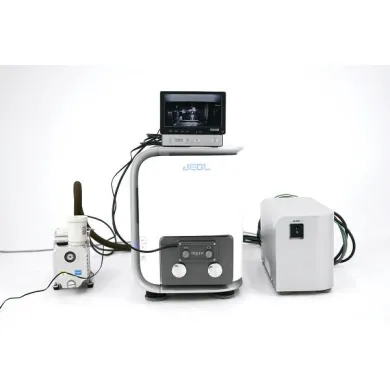
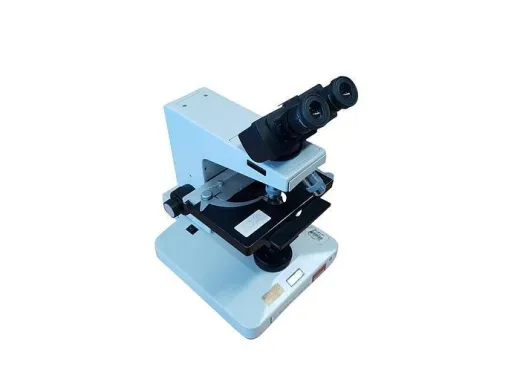
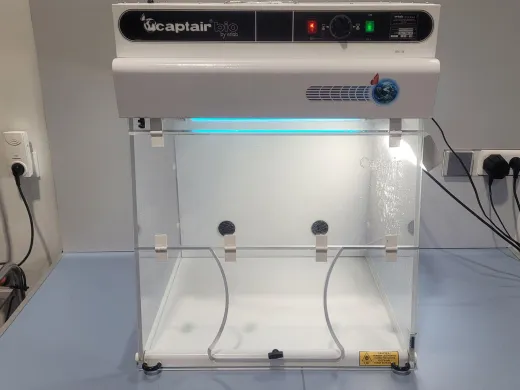
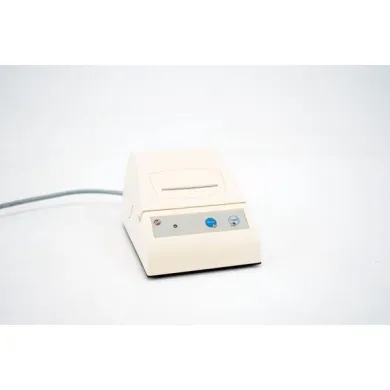

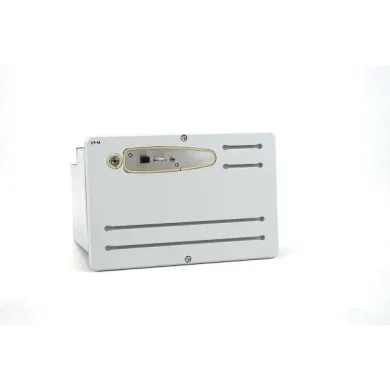
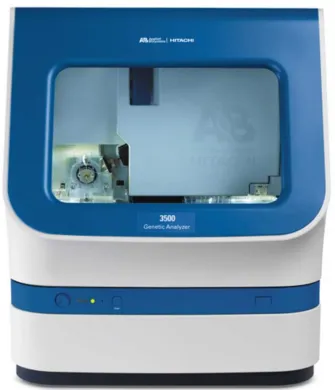
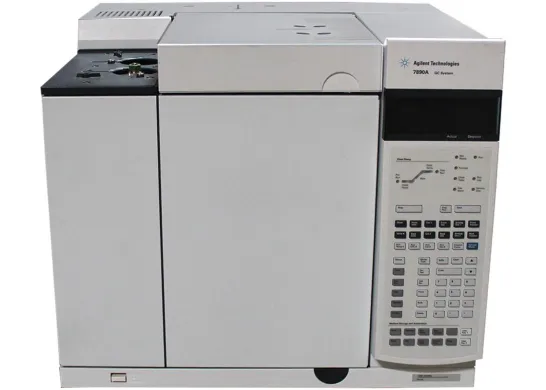
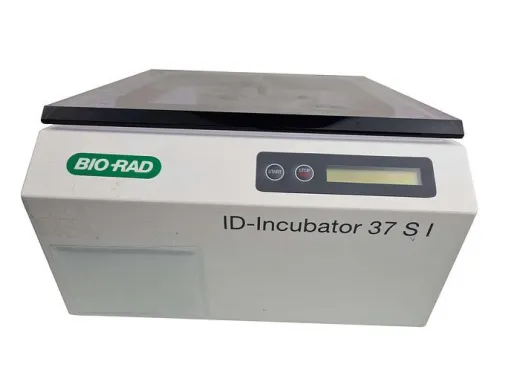
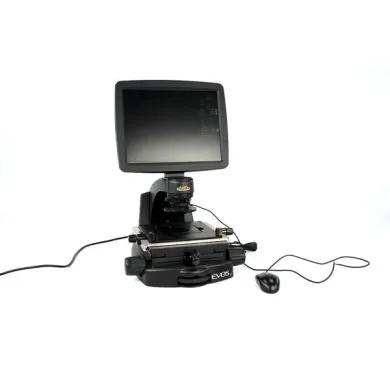
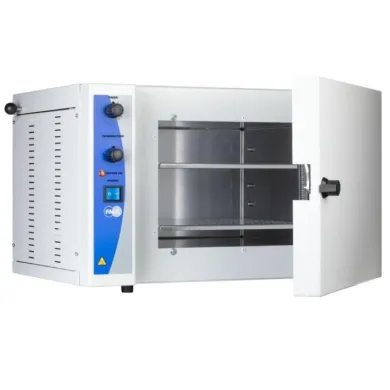
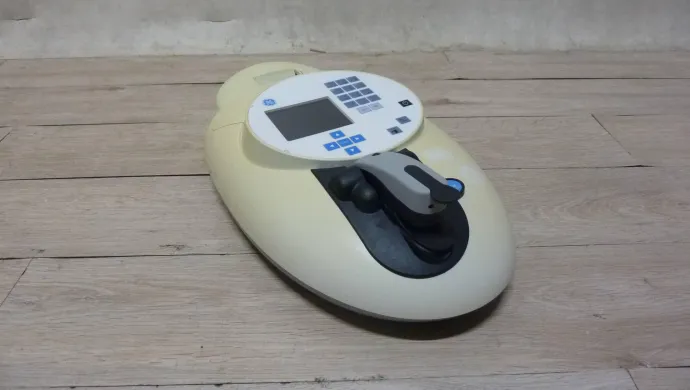
Not the exact instrument you need?
Tell our scientists what you are after. We track it down, including off-market supply.
Showing 1–40 of 49,410 listings
Show 40 more listingsBuying guide
Because this category covers so many different instruments, the first decision is not a single specification but which class of equipment the work actually needs, and from there the specification that governs that class. A centrifuge is chosen on rotor type and maximum g-force; a balance on readability and capacity; an incubator on temperature range and whether it needs CO2 control; a freezer on its set point, minus 20, minus 40 or minus 80. Settle that governing number against the protocol before anything else, because it rules out most of the catalogue in one step and leaves a shortlist worth comparing.
On a used unit, the datasheet is only the starting point. A used centrifuge carries a service history that matters more than any figure on paper: rotor hours, over-speed events and corrosion on the chamber decide whether it is safe, and none of that shows in a specification. For a balance, ask when it was last calibrated and whether a calibration certificate comes with it, since a precision instrument out of calibration is not a precision instrument. For temperature equipment, compressor condition and door-seal integrity determine whether the set point holds under load. Where documentation or a manual is missing, it can be requested through Questpair, with specialists responding within the hour, and parts for older models can be sourced the same way.
Price follows the class and the condition. What a given unit costs on Questpair ranges from EUR 0 to EUR 1.549.601, with an average around EUR 3.491. That spread is real, not noise: a single pipette and a floor-standing ultracentrifuge sit in the same category. Used and refurbished units are listed for sale at lower prices than new, which is the main lever for a constrained budget, and the condition split means affordable options exist in almost every class. The dominant makers here, Thermo Scientific, Thermo Fisher Scientific, Radwag, Eppendorf, Olympus, set the reference points a buyer compares against, so a model from one of them is easier to price-check and to find parts for than an obscure one.
Types of Laboratory equipment
Which equipment types are listed under laboratory equipment?
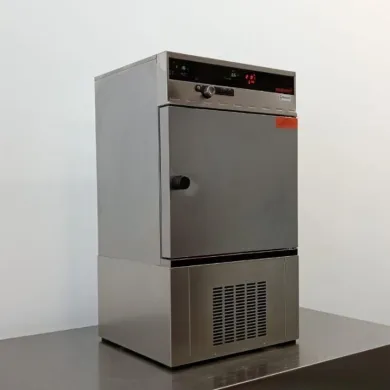
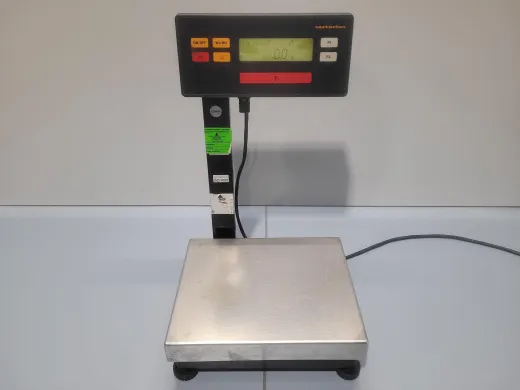
Among the listings that specify a type, the catalogue is led by laboratory incubators, analytical and precision balances, benchtop and larger laboratory centrifuges, and laboratory freezers. Incubators hold samples at a controlled temperature, and often humidity and CO2, for cell culture and microbiology, where stable conditions decide whether a culture grows. Analytical balances read to four decimal places for gravimetric analysis and quantitative chemistry; precision balances trade that resolution for higher capacity and suit formulation and sample preparation. Benchtop centrifuges handle small tubes for routine spins in molecular biology and clinical work, pelleting cells or separating serum, while floor-standing laboratory centrifuges reach the speeds used in protein purification and genomics sample prep. Thermal cyclers listed here do PCR for molecular diagnostics and genomics; flow instruments serve cell imaging and immunoassay workflows. These types also appear in bioprocessing and biomanufacturing settings, where incubation, centrifugation and cold storage underpin cell culture at scale and the handling of sensitive biologics.
The brands behind the laboratory equipment listings
The makers that recur most often are Thermo Scientific, Thermo Fisher Scientific, Radwag, Eppendorf, Olympus. A heavy presence of Thermo Scientific, Thermo Fisher Scientific and Eppendorf across incubators, centrifuges and freezers means parts and consumables are widely available and a used unit is straightforward to price-check against comparable listings. Radwag anchors the balance side, where its analytical and precision models give a clear reference point for weighing. Olympus appears across optical and imaging instrumentation. For a buyer, a listing from one of these names is easier to compare, service through third-party channels and resell than one from a maker with no footprint in the catalogue, which is why they tend to hold value in the used market.
What a used piece of laboratory equipment costs here
The catalogue carries both new and used stock, with 90 percent of listings used and the balance new. Prices range from EUR 0 to EUR 1.549.601, averaging around EUR 3.491. That range reflects the breadth of the category rather than a single product line: a consumable and a complete analytical instrument are both counted. Used and refurbished units are listed below new pricing, so the condition filter is the most direct way to match equipment to a budget. Where a manual, a part or a warranty question comes up, those are arranged through Questpair for the specific listing, with specialists reachable within the hour.
Frequently asked questions
What is laboratory equipment?
Laboratory equipment is the collective term for the instruments, apparatus and devices used to measure, prepare, analyse and store samples in research, clinical and industrial labs. It spans everything from small consumables to complete analytical systems, so no single specification describes the category.
What does laboratory equipment mean in practice?
In practice it refers to whatever a lab needs to do its work: balances for weighing, centrifuges for separation, incubators for holding temperature, freezers for storage, and more. The term is defined by the type of work a given instrument does rather than by any shared feature.
How does laboratory equipment work?
Each class works on a different physical principle: incubators and freezers control temperature, balances measure mass, and centrifuges apply rotational force to separate by density. What unites them is that each controls a specific physical quantity a protocol depends on.
What types of laboratory equipment are there?
The types that recur most in the catalogue are laboratory incubators, analytical balances, precision balances, benchtop centrifuges, laboratory centrifuges and laboratory freezers. They separate by the quantity they control: temperature, mass or rotational force.
What is laboratory equipment used for?
It is used to grow and maintain cultures, weigh reagents, separate sample fractions and store biological material at low temperature. Specific classes underpin cell culture, microbiology, protein purification, genomics, proteomics and reagent preparation for assays.
How do I choose the right laboratory equipment?
Start one level down, with the specific job the unit has to do, such as an incubator that holds a stable 37 degrees or a balance that reads to a known decimal place. Fix that governing specification first, then weigh condition and price, because a discount never closes the gap between two different specifications.
What is the difference between refurbished and used laboratory equipment?
Both are offered below their new equivalents, but the verification evidence matters more than the label. For any pre-owned unit, ask the seller for what that instrument class logs, such as calibration records for a balance or rotor history and cycle count for a centrifuge.
How much does laboratory equipment cost?
Prices in the catalogue range from EUR 0 to EUR 1.549.601, with an average around EUR 3.491. That spread reflects the full reach of the field, from low-cost consumables and simple benchtop units to complete analytical platforms, rather than any single instrument costing that much.
Which brands are listed most for laboratory equipment?
The names that recur most are Thermo Scientific, Thermo Fisher Scientific, Radwag, Eppendorf and Olympus. Where a brand appears across many listings, you can compare a given unit against its peers and source parts and consumables more easily.
Can I get a warranty on a refurbished unit?
A warranty is often possible and is arranged in consultation for the specific listing rather than set across the catalogue. Confirm it against the individual unit, especially where the equipment is calibrated or temperature controlled.
Are parts available for laboratory equipment?
Parts can be sourced via Questpair when a unit needs them. A strong presence of recurring brands such as Eppendorf and Thermo Scientific also makes replacement parts and consumables easier to find.
How long does laboratory equipment last?
Lifespan depends on the class and on usage history, which is why pre-owned units are checked differently by type. A centrifuge rotor fatigues with use and is the part that fails hardest, while a freezer or incubator is judged on whether it still holds temperature across the whole chamber.
Should I buy new or refurbished laboratory equipment?
Used and refurbished units are listed at lower prices than their new equivalents, which is the clearest difference between them. Where you have to weigh the two, look at the individual listing and confirm that warranty is arranged in consultation for that specific unit.
Where can I buy laboratory equipment?
The Questpair catalogue lists 114762 items across 56 verified suppliers and distributors in 34 countries. Listings cover new, used and refurbished units, of which 90 percent are used.
What are the lead time and shipping for laboratory equipment?
Lead time and shipping depend on the individual listing and the supplier offering it, since units come from different verified suppliers and distributors across 34 countries. For specifics on a given unit you can contact Questpair, where specialists respond within one hour.
How is laboratory equipment calibrated and maintained?
Calibration and maintenance checks are specific to the instrument class: a balance needs recent calibration evidence and an intact draft shield, while a temperature-controlled unit needs proof it holds across the chamber. For a used unit, ask the seller for what that class actually logs and treat missing records as a reason to inspect.
Which types are listed most, and who reaches for which?
Incubators, balances, centrifuges and freezers recur most, each sitting inside a named field of work. Cell culture and microbiology teams reach for incubators, protein purification and genomics work drives centrifugation, gravimetric analysis for reagent prep calls for analytical and precision balances, and freezers hold the enzymes, nucleic acids and cell lines that gene editing and synthetic biology depend on.
Which brands dominate this category and what does that mean for a buyer?
Thermo Scientific, Thermo Fisher Scientific, Radwag, Eppendorf and Olympus appear across many listings. For a buyer that means multiple listings of the same model line are available to compare on price and condition, and parts and replacement units are easier to source.
What separates the cheapest laboratory equipment from the most expensive here?
The bottom of the band holds entry-level consumables and simple benchtop apparatus, while the top holds complete analytical platforms. Instrument class and condition drive the difference: an analytical balance reading to four decimals and one reading to two are different instruments at different prices, and a used or refurbished unit sits below its new equivalent.