
Radwag laboratory equipment
We personally find you the right new, used and refurbished radwag laboratory equipment from verified suppliers.
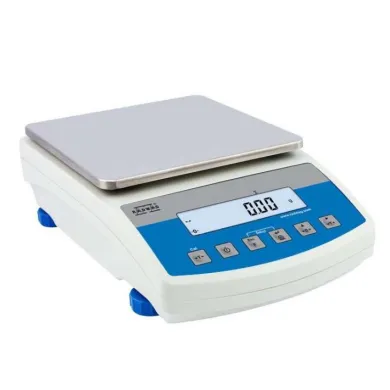
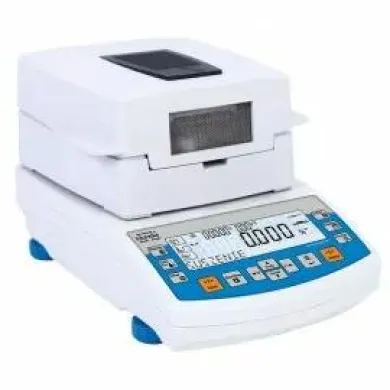
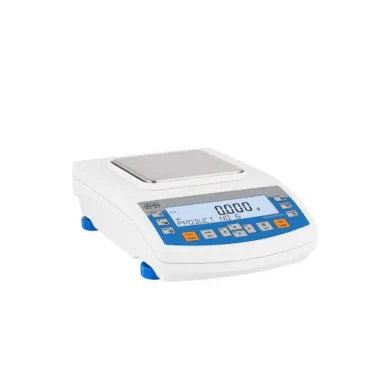
Radwag laboratory equipment on Questpair spans the weighing spine of the catalogue: analytical and precision balances from the XA and AS lines, PS and WLC precision instruments, moisture analysers from the MA series, and the calibration weights and mass standards that keep all of them honest. The Questpair catalogue holds 2797 listings in this pairing, drawn from 7 verified suppliers and distributors across 6 countries. Among the listings that specify a type, the spread runs from industrial and platform scales through precision balances to the calibration weights and mass standards that sit alongside them. What distinguishes the range here is readability: the gravimetric instruments reach down to microgram resolution where the work demands it, while the industrial end handles bulk capacity on the factory floor.
Updated:
Radwag Laboratory equipment product list


Not the exact instrument you need?
Tell our scientists what you are after. We track it down, including off-market supply.
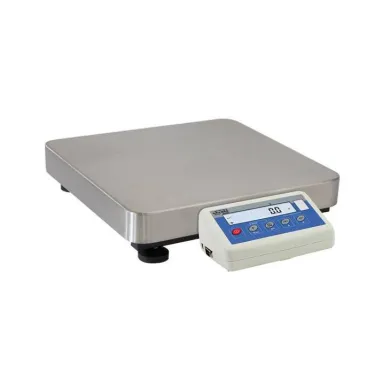
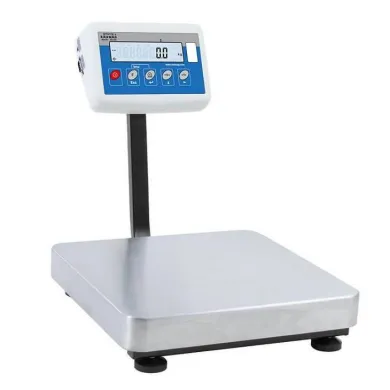
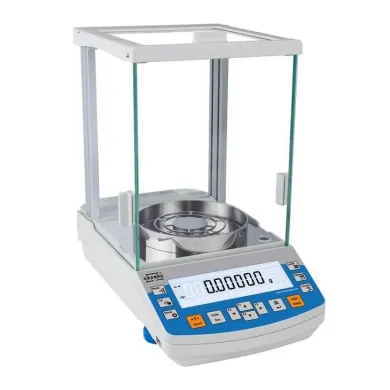
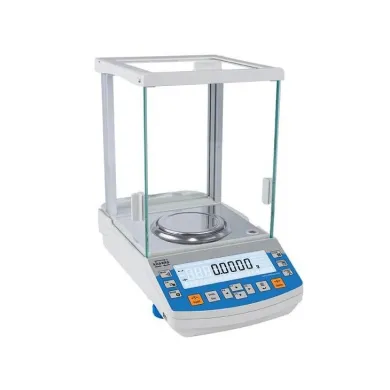
Not the exact instrument you need?
Tell our scientists what you are after. We track it down, including off-market supply.
Showing 1–40 of 2,782 listings
Show 40 more listingsBuying guide
Choosing a Radwag laboratory equipment
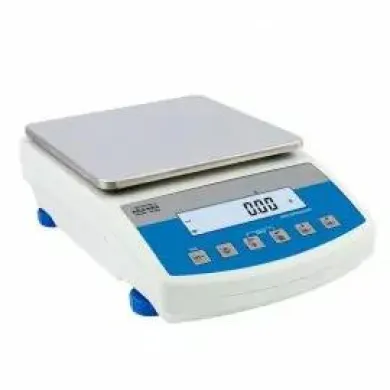
The first decision is which series matches the weighing task, and for this maker that comes down to readability versus capacity. Decide the finest resolution you genuinely need before you look at price. If any sample you weigh falls below a milligram, you are in XA or MYA territory and the small pan capacity is simply a constraint you accept. If everything you weigh is heavier and resolution of 1 mg suffices, a PS or WLC precision balance gives you far more capacity for less money, and buying analytical readability you never use is wasted budget.
On a used unit, the load cell is the part that matters, because it does not wear in the mechanical sense but it does drift. Ask any seller of a used balance for a recent calibration record and confirm whether internal adjustment is fitted, since the higher XA and MYA configurations rely on it and an external-only unit forces you to keep certified weights on hand. Check that the draught shield and pan are present and undamaged on analytical and microbalance models, as replacements are specific to the series. For calibration weights and mass standards, the question is the certified class and whether a current calibration certificate accompanies them, since an uncertified weight is only a paperweight to a regulated lab.
The price band breaks along the same line as the series. Calibration weights and small standards fill the bottom, precision balances the middle, and microbalances and high-capacity industrial systems the top, so the figure you see tracks resolution and capacity rather than brand premium.
The compatibility trap worth knowing is that Radwag's external calibration weights are specified by class and nominal mass, not by balance model, so a weight set bought for an AS balance will verify a PS balance of the same range. Where warranty matters on a used purchase, it is arranged in consultation for the specific listing, so check the listing rather than assuming a blanket term.
Which Radwag weighing lines are listed here?
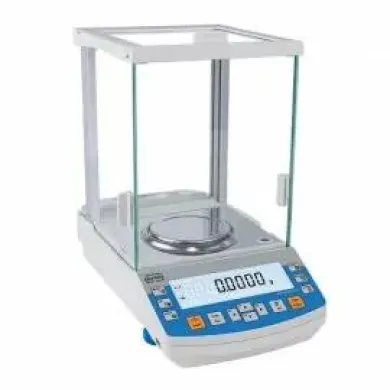
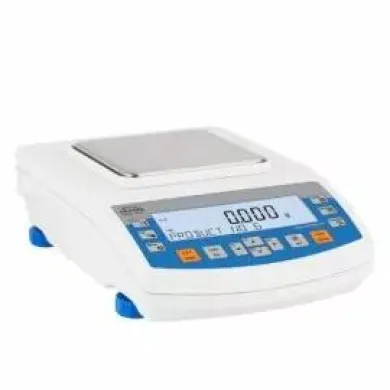
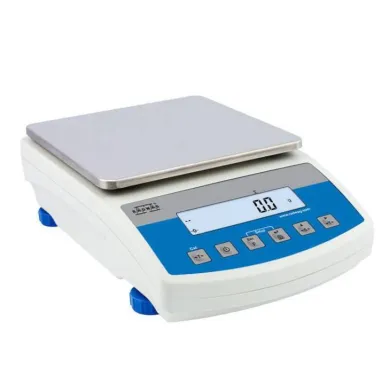
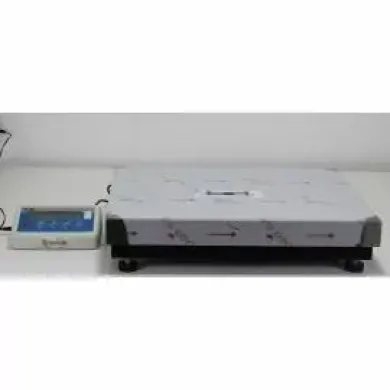
Among the listings that specify a type, the intersection is built around industrial scales, precision balances, calibration weights, mass standards, precision weights and platform scales. The series carry across those types in a predictable way. The AS series covers analytical balances for routine laboratory weighing, and the XA series extends both into analytical territory and down into microbalance territory where sub-milligram readability matters. The MYA series is purely microbalance work, and the UYA line pushes further still into ultra-microbalance resolution. For precision balances, the PS and WLC series are the volume lines, sitting above the industrial scales in readability and below the analytical instruments in capacity. Moisture analysers come from the MA series. The calibration weights and mass standards are the reference artefacts that verify the whole range rather than a product line of their own.
Where the AS, XA and PS lines diverge
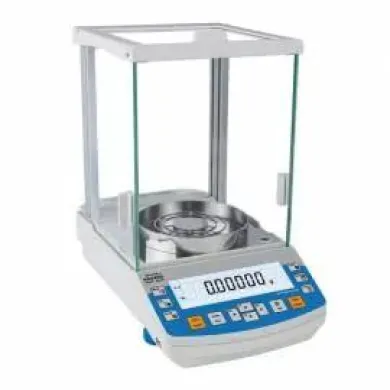
The deciding parameter across this maker's weighing instruments is readability against maximum capacity, and the two pull in opposite directions. An AS analytical balance typically reads to 0.1 mg with a capacity in the low hundreds of grams, which suits sample preparation and reagent weighing. The XA series overlaps that at the top and then descends: in microbalance configuration it reads to 1 microgram or finer, with capacity dropping to tens of grams, because resolution and range cannot both be maximised on one load cell. The MYA and UYA lines carry that trade to its limit, reaching 0.1 microgram at the cost of a very small pan capacity. The PS and WLC precision balances sit the other way: readability of 1 mg to 10 mg, but capacity running into kilograms, which is what bulk formulation and QC work need. For moisture determination the MA analysers combine a weighing cell with a heating element, so the specification that matters is drying temperature range rather than raw readability. The rule of thumb is simple to apply: let the lightest thing you weigh set the readability, and the heaviest set the capacity, then find the line that covers both.
How price and condition break down
Prices in this pairing run from EUR 10 to EUR 204.879. The floor is populated by individual calibration weights and small mass standards, which are inexpensive and sold in large numbers, while the ceiling is reached by high-capacity industrial and platform systems and fully specified microbalance configurations. The average listing sits at EUR 5.157. 1 percent of the listings are used. The remainder are drawn from 2767 new entries, which is why the catalogue skews heavily toward current-production instruments and freshly supplied reference weights rather than second-hand stock.
Frequently asked questions
Which Radwag weighing series are in the catalogue?
The range covers analytical and precision balances from the AS and XA lines, PS and WLC precision instruments, MYA and UYA microbalances, MA moisture analysers, and the calibration weights and mass standards that verify them. Across all of these the Questpair catalogue holds 2797 listings from 7 verified suppliers and distributors in 6 countries.
What is the actual difference between the AS and XA series?
An AS analytical balance reads to 0.1 mg with capacity in the low hundreds of grams, which fits routine sample preparation. The XA series overlaps that range at the top but can be configured down to 1 microgram or finer, at which point its pan capacity drops to tens of grams because one load cell cannot maximise both resolution and range.
How much does a used Radwag balance cost?
Prices across the pairing range from EUR 10 to EUR 204.879, with the average listing at EUR 5.157. Used and refurbished units are listed below the price of new equipment, and the exact figure tracks readability and capacity rather than age alone, so a high-resolution microbalance stays costly even second-hand.
Are refurbished Radwag units available?
Yes, the catalogue mixes new, used and refurbished stock, with 1 percent of listings used and the remainder drawn from 2767 new entries. Refurbished and used units carry lower prices than new ones; condition and any calibration record are specified on the individual listing.
Which Radwag model should I pick for my weighing task?
Let the lightest thing you weigh set the readability and the heaviest set the capacity. Sub-milligram samples put you in XA, MYA or UYA territory with small pans, resolution of 1 mg over kilogram capacity points to PS or WLC precision balances, and moisture content work needs an MA analyser where drying temperature range matters more than readability.
What should I check before buying a used Radwag balance?
Ask for a recent calibration record and confirm whether internal adjustment is fitted, since the higher XA and MYA configurations depend on it and an external-only unit means keeping certified weights on hand. On analytical and microbalance models verify the draught shield and pan are present and undamaged, as these parts are specific to the series, and for calibration weights check the certified class and whether a current certificate accompanies them.
Do calibration weights and parts work across different Radwag series?
External calibration weights are specified by class and nominal mass, not by balance model, so a weight set bought for an AS balance will verify a PS balance of the same range. Pans and draught shields do not carry over, as they are made for a specific series; replacement parts can be sourced via Questpair.
How do Radwag balances compare with other weighing brands?
The distinction within this range is readability against capacity across named lines: microgram and sub-microgram resolution on the XA, MYA and UYA instruments, milligram readability with kilogram capacity on the PS and WLC precision balances, and bulk handling on the industrial and platform scales. Comparison with another maker comes down to matching those same two parameters, resolution and maximum load, against the specification you need rather than to the brand itself.