
Eppendorf laboratory equipment
We personally find you the right new, used and refurbished eppendorf laboratory equipment from verified suppliers.
Eppendorf centrifuge listings on Questpair run from compact personal spinners to floor-standing high-speed instruments, built around the Centrifuge 5000 series and the microcentrifuge lines that most molecular biology benches recognise. The 5425, 5430, 5804, 5810 and 5920 models form the spine of what is listed, in both ventilated and refrigerated builds. Across the Questpair catalogue there are 2609 Eppendorf units of this kind from 22 verified suppliers and distributors, shipping out of 9 countries. Centrifugation sits close to the heart of what this maker builds, so the range here spans single-tube microcentrifuges through multipurpose benchtop machines that take swing-out plate carriers. Rotor and adapter choice, not the drive alone, usually decides which model fits a given protocol.
Updated:
Eppendorf Laboratory equipment product list
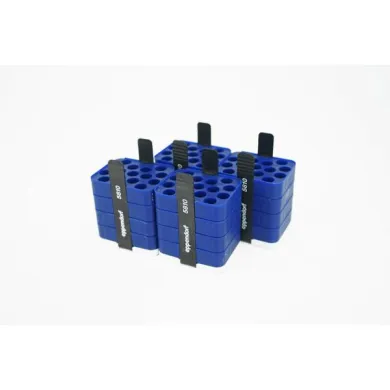
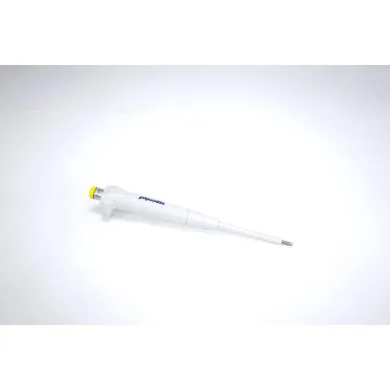


Not the exact instrument you need?
Tell our scientists what you are after. We track it down, including off-market supply.
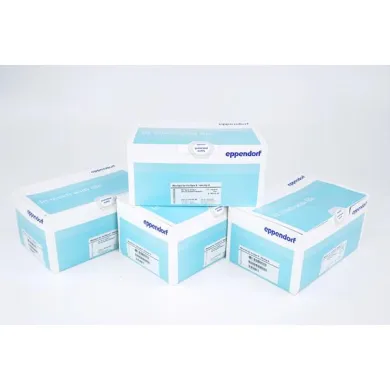
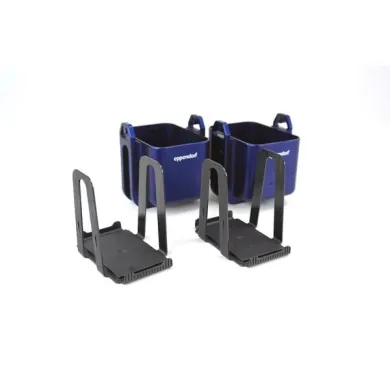
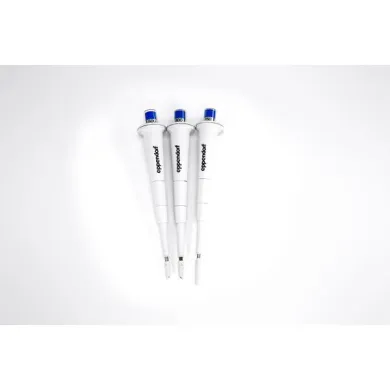
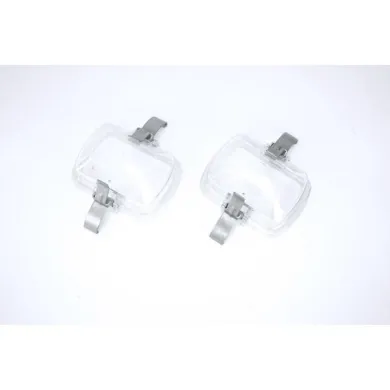
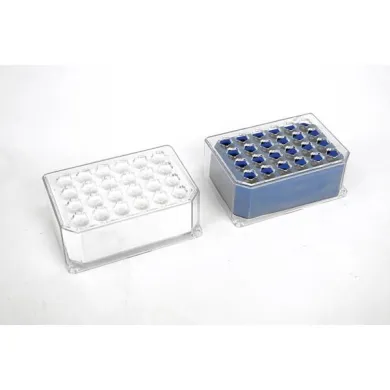
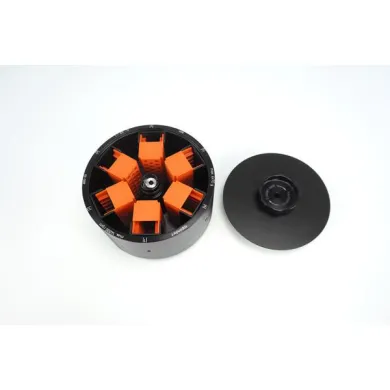
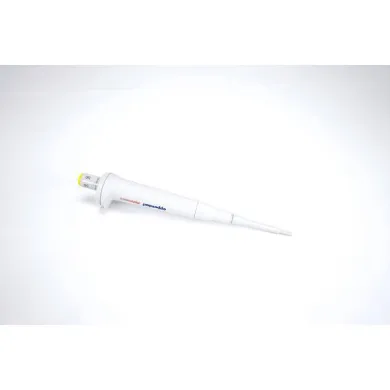
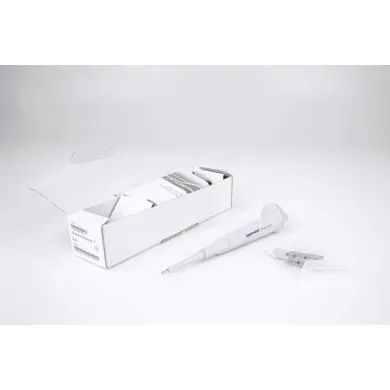
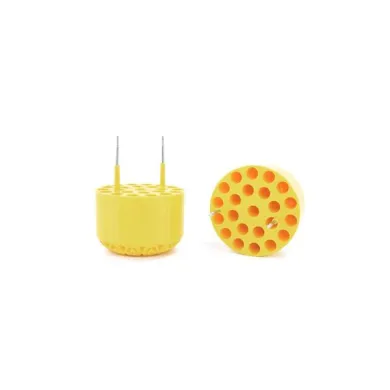
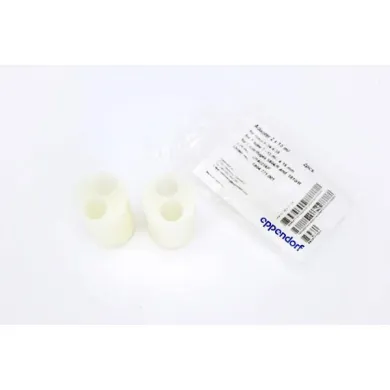
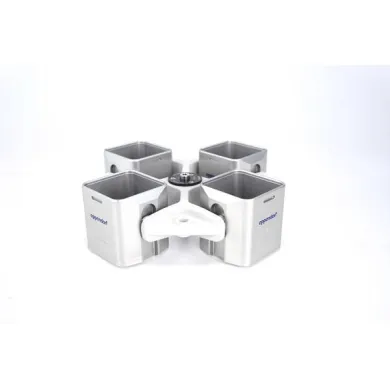
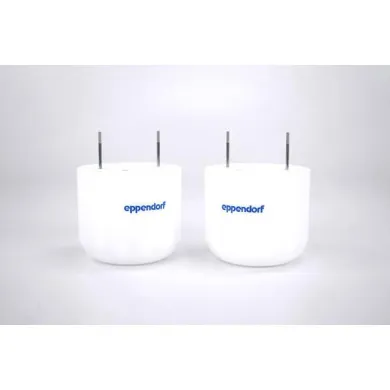
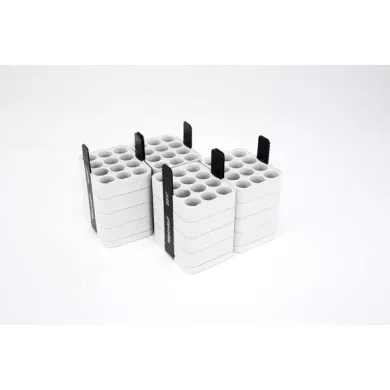
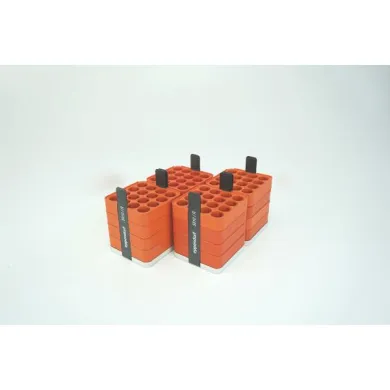
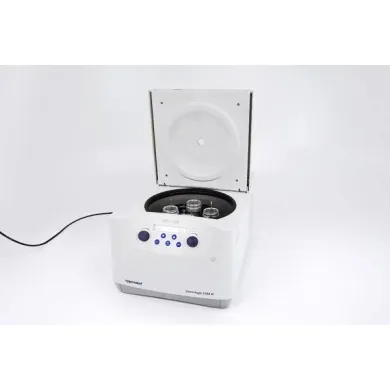
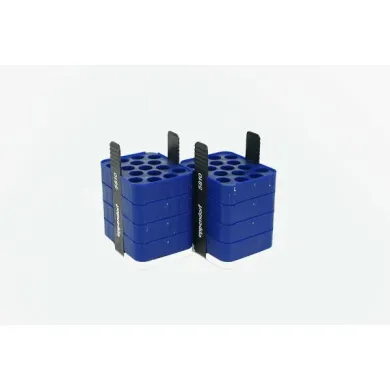
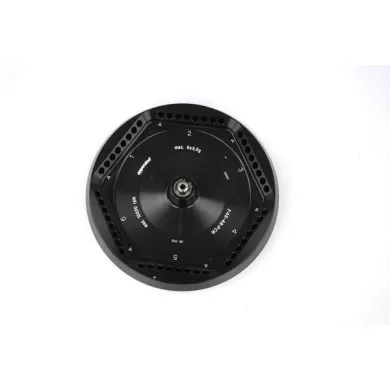
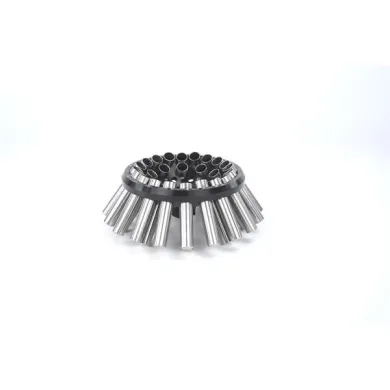
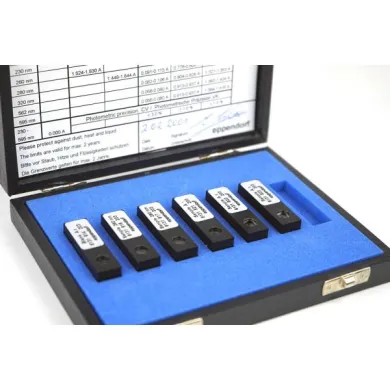
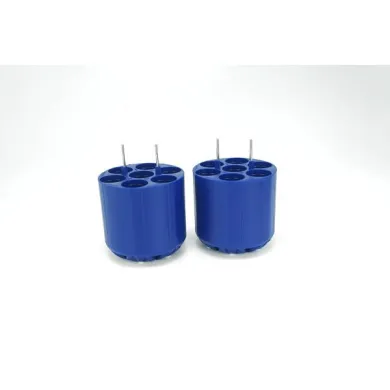
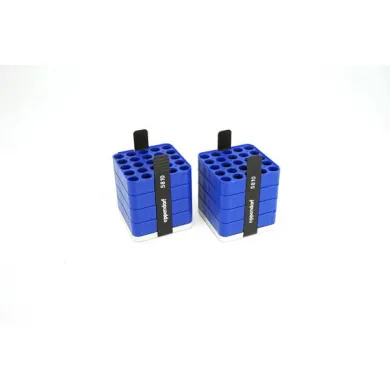
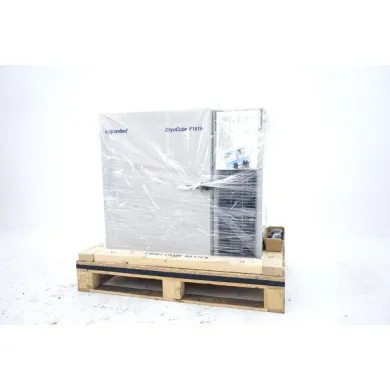
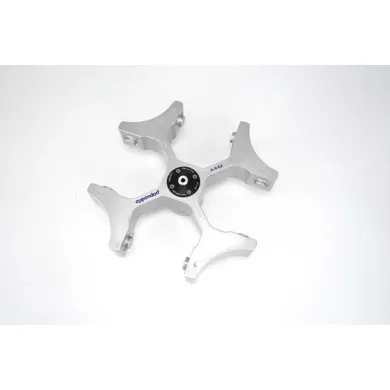
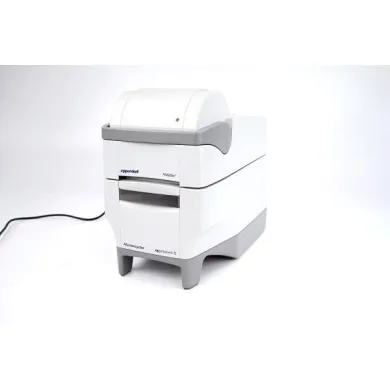
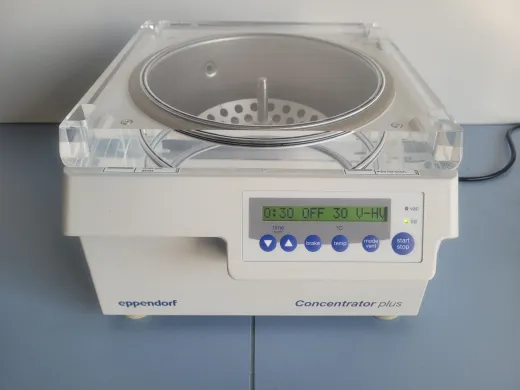
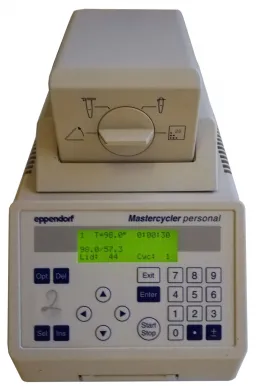
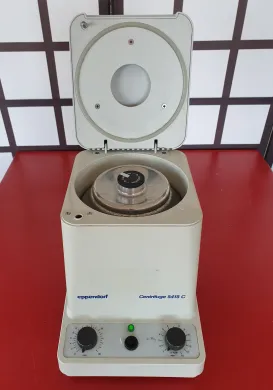
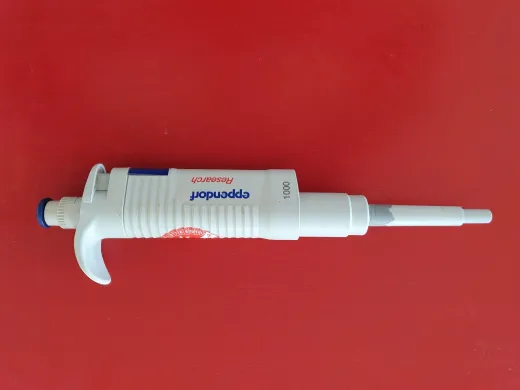
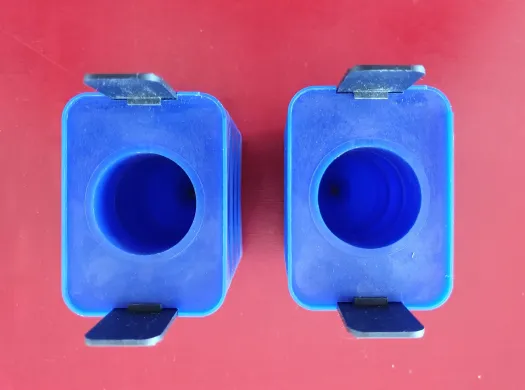
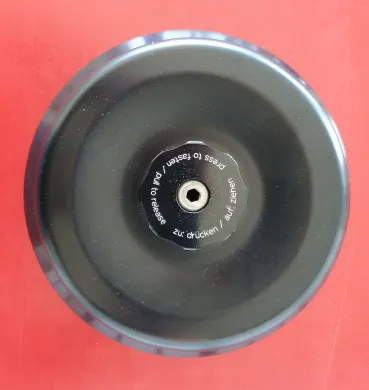
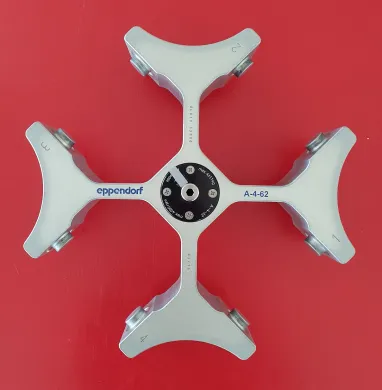
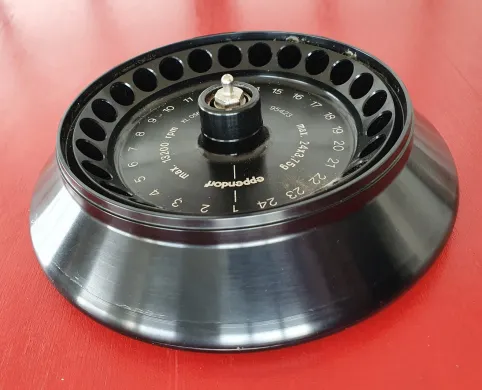
Rotor 14438 F45-30-11
- Category
- Centrifuge rotors or parts
- Brand
- Eppendorf
- Suppliers
- 1 verified
Not the exact instrument you need?
Tell our scientists what you are after. We track it down, including off-market supply.
Showing 1–40 of 1,145 listings
Show 40 more listingsBuying guide
Choosing an Eppendorf centrifuge
The first decision is capacity against force, because no single Eppendorf model gives both. If the work is nucleic acid prep or small-volume molecular biology, a 5425 or a 5430 reaching into the 21,000 g range is the match; if it is pelleting cells, washing plates or spinning conicals, a 5804 or 5810 trading force for a swing-bucket and plate carrier is the one to shortlist. Decide whether cooling is required before anything else: the refrigerated "R" variants cost meaningfully more and are only worth it for temperature-sensitive samples, so paying for one to spin DNA is money spent on a feature that will sit idle.
On a used unit, the rotor and the motor bearings carry the wear. Ask a seller which rotors are included and whether they are within their documented spin-cycle life, since aluminium rotors have a finite number of runs stamped against them and a tired rotor is a safety matter, not a convenience. Listen for the drive: imbalance vibration and worn bearings show up as noise and as a machine that struggles to reach set speed. A seller should be able to show that the unit reaches rated speed and, on an "R" model, holds its set temperature.
Price breaks down mostly on rotor inclusion and on cooling. A low figure often signals an instrument sold without the rotor you need, and an Eppendorf rotor bought separately is a substantial fraction of the machine's value. Check compatibility carefully: Eppendorf rotors and adapters are matched to specific model families, so a rotor from a 5810 does not drop into a 5430, and the correct tube or plate adapter has to be present for the format you run. Verify that the lid and rotor lock hardware are complete, because a missing rotor key or lid gasket turns a working-price unit into one that needs parts before it runs.
Eppendorf centrifuge series on Questpair
Among the listings that specify a type, the spread runs across laboratory centrifuges, benchtop centrifuges, refrigerated benchtop centrifuges, high-speed centrifuges, microcentrifuges and molecular biology centrifuges, so the series below map onto those rather than onto a single class. The microcentrifuge type is carried by the 5425 and 5425 R, personal-footprint spinners for tubes up to 2 mL. The benchtop and refrigerated benchtop types are where the 5430, 5430 R, 5804, 5804 R, 5810 and 5810 R sit, multipurpose machines that accept fixed-angle rotors, swing-buckets and plate carriers. The high-speed end is held by the 5920 R, a larger-capacity refrigerated instrument. The MiniSpin and MiniSpin plus appear as the smallest molecular biology spinners, aimed at quick spin-downs rather than throughput.
Where the 5424, 5430 and 5810 diverge
The parameter that separates these models is the pairing of maximum capacity with maximum relative centrifugal force, and the two pull against each other. The 5425 class tops out around 21,000 g on small fixed-angle rotors but takes only a handful of tubes, which suits nucleic acid preps where speed matters more than volume. The 5430 sits in the middle, reaching comparable g-force on microtube rotors while also taking 15 and 50 mL conical adapters, so one instrument covers both scales. The 5804 and 5810 trade peak g-force for capacity: they spin four microplates or a rack of conicals at lower force, which is what cell-pelleting and plate work need. The refrigerated "R" variants add active cooling, holding set temperatures down into the low single digits, and that is the deciding feature for live cells, enzymes and anything that degrades at ambient. Read the rotor fitted to a listing before the model number, because a 5430 with a plate carrier and a 5430 with a 24-place microtube rotor do different jobs.
How condition and price break down for listed Eppendorf centrifuges
These machines are listed in both new and used condition, with used far the larger group. 93 percent of the listings are used. Prices run from EUR 9 to EUR 134.495. That span covers bare microcentrifuges and loose rotors at the low end and large refrigerated high-speed instruments with rotor sets at the top, with the average around EUR 3.006. The figure a buyer should weigh is rotor inclusion, since a complete instrument and an instrument sold without its rotor carry very different real costs.
Frequently asked questions
Which Eppendorf centrifuge series are listed on Questpair?
The listings split into two families: the 5424 and 5425 microcentrifuges sized for 1.5 and 2 mL tubes, and the 5810 and 5920 benchtop platforms that take conical tubes, buckets and plates. The older 5415 and 5417 microcentrifuges also appear in used stock and belong to the same microcentrifuge type as the 5424.
How do the 5424, 5810 and 5920 differ in practice?
The 5424 is a microtube machine reaching around 21,000 g for small-volume pelleting, while the 5810 drops to roughly 20,900 g but accepts 15 and 50 mL conical tubes and microplates for higher throughput per run. The 5920 extends that capacity to four microplates or deep-well blocks at once at a comparable speed ceiling, so the choice follows sample volume rather than raw force.
How much does a used Eppendorf centrifuge cost?
Across the Eppendorf listings prices range from EUR 9 to EUR 134.495, with the average at EUR 3.006. The low end tends to be a bare rotor or an adapter set, while a fully equipped refrigerated 5920 R sits at the top.
Are refurbished Eppendorf units available?
Used and refurbished units appear in the catalogue and are listed below the price of new equipment. 93 percent of the Eppendorf listings are used, including the discontinued 5415 and 5417 microcentrifuges.
Which Eppendorf model suits which application?
If every sample is in a 1.5 or 2 mL microtube, a 5424 or 5425 covers it, and the only further choice is refrigerated or not. For nucleic acid and short protein spins, the molecular biology listings are usually 5424 or 5425 units supplied with suitable rotors and lids; once conical tubes or plates enter the protocol, the 5810 or 5920 is required.
What should I check before buying a used Eppendorf centrifuge?
The rotor governs both safety and value, so confirm the rotor model and, on heavily run aluminium rotors, ask for the stamped cycle count or purchase date against Eppendorf's usage limit. On refrigerated models check that the lid seals and the door gasket are present, since a worn seal means the unit will not hold temperature.
Are rotors and parts interchangeable across the Eppendorf series?
They are not. A rotor built for the 5810 does not fit a 5424, and adapters are sized to specific tube diameters, so a 5 mL adapter set will not seat 15 mL tubes. Confirm the rotor matches both the chassis and your tube format, and where a rotor or adapter is missing, parts can be sourced via Questpair.
How does Eppendorf compare to other centrifuge brands in this category?
Within the Eppendorf range the dividing lines are tube format, speed and refrigeration, with the microcentrifuges fixed to 1.5 and 2 mL tubes and the 5810 and 5920 built for mixed vessels and plates. The Questpair catalogue holds 2609 Eppendorf spin units from 22 verified suppliers and distributors across 9 countries, covering laboratory centrifuges, benchtop and refrigerated benchtop models, high-speed units, microcentrifuges and molecular biology variants, so a match is best decided by the rotor and tube format a protocol needs rather than by brand alone.