
Olympus laboratory equipment
We personally find you the right new, used and refurbished olympus laboratory equipment from verified suppliers.
Olympus laboratory equipment on Questpair centres on the brand's optical microscopy, carried under the FLUOVIEW, IXplore, CX, BX and SZ names and now marketed through the Olympus subsidiary Evident Scientific. Among the listings that specify a type, the spread runs from trinocular and binocular stands through research-grade bodies, objective lenses and fluorescence systems, so the same maker covers a teaching bench and a confocal imaging room. The Questpair catalogue holds 2053 Olympus items in this category from 19 verified suppliers and distributors. They sit across a wide price band, from entry stands to configured research systems, which is why the type list matters more here than the brand name.
Updated:
Olympus Laboratory equipment product list
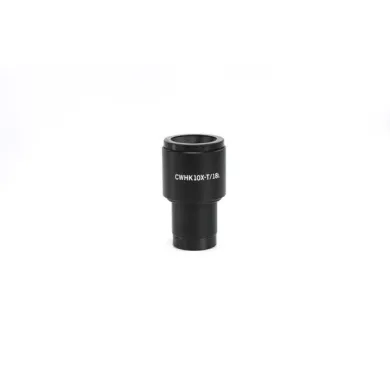
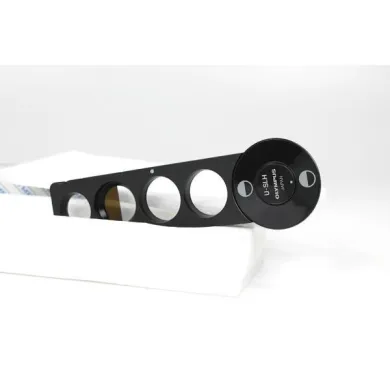
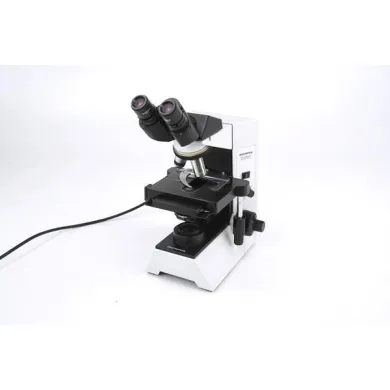
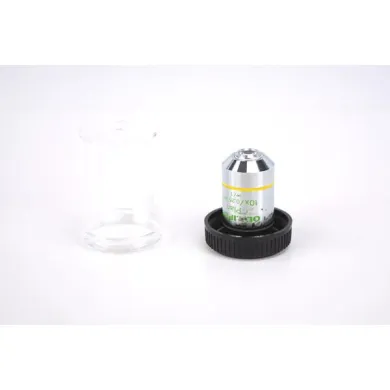
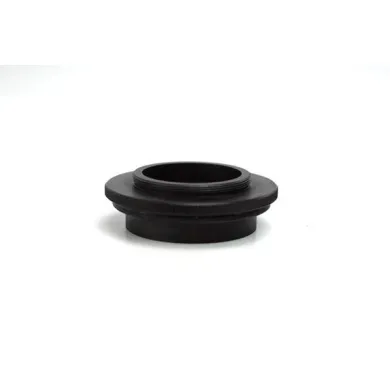
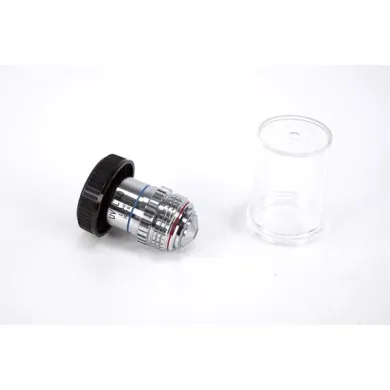
CPlan 10x/0.25 PhC Phase Contrast Objective
- Category
- Optics
- Brand
- Olympus
- Suppliers
- 1 verified


Not the exact instrument you need?
Tell our scientists what you are after. We track it down, including off-market supply.
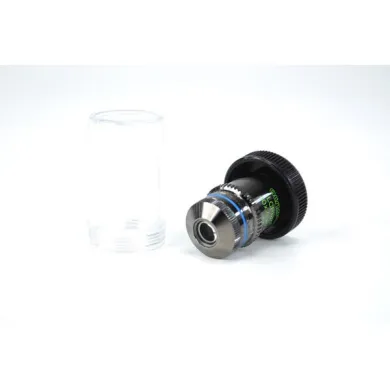
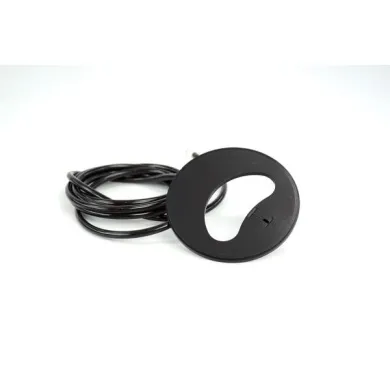
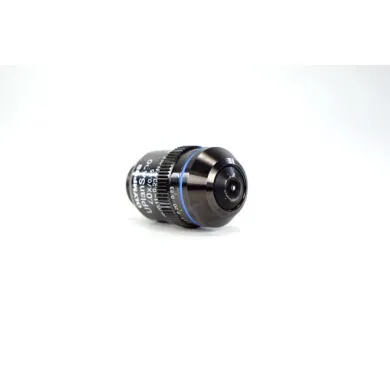
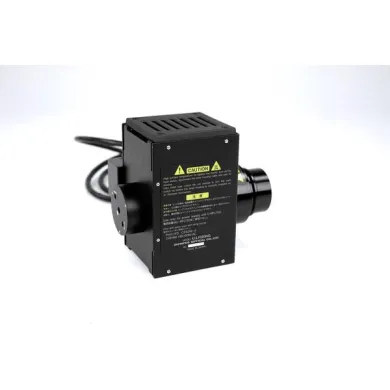
U-LH50HG 50W HBO Mercury Burner Lamphouse
- Category
- Lighting
- Brand
- Olympus
- Suppliers
- 1 verified
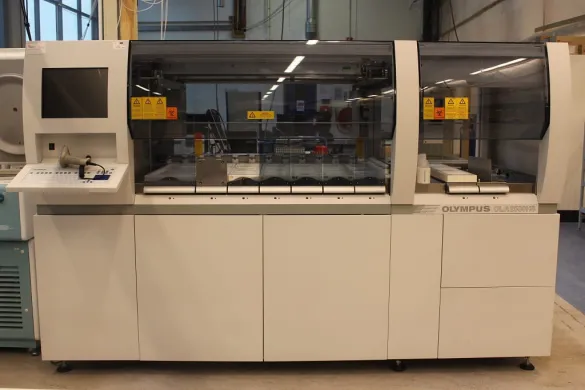
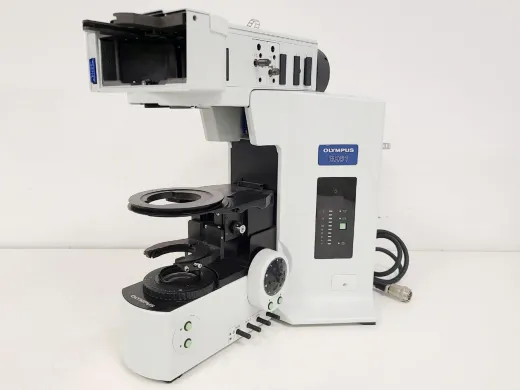
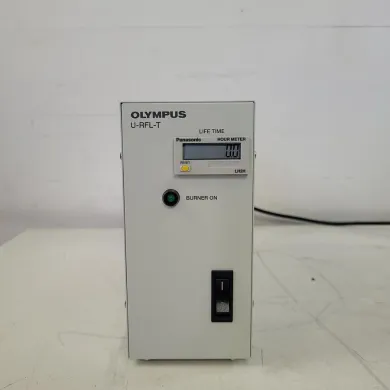
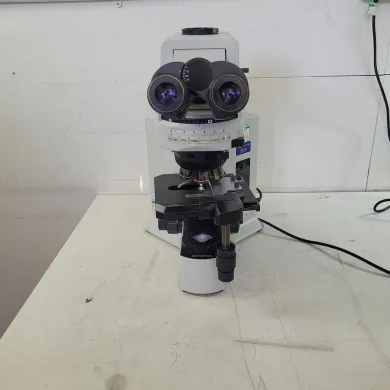
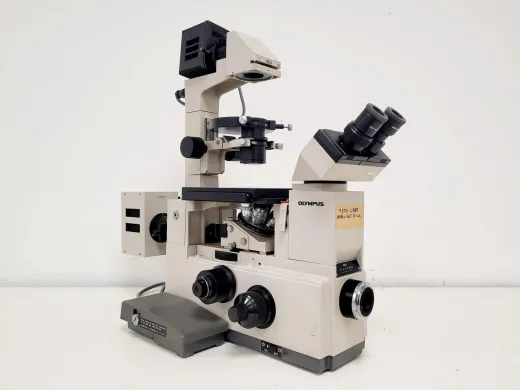
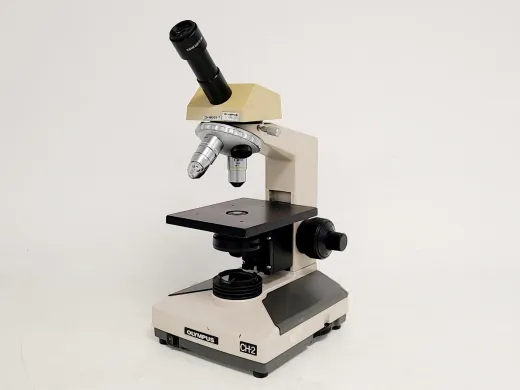
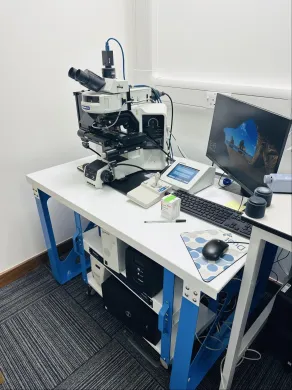
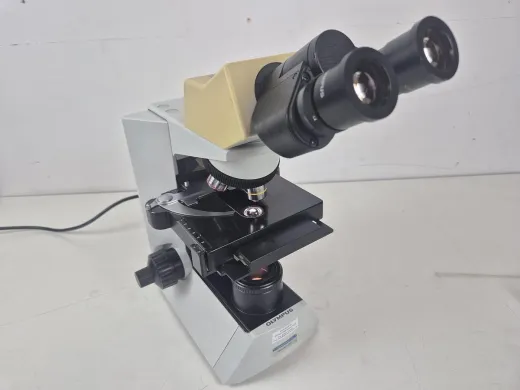
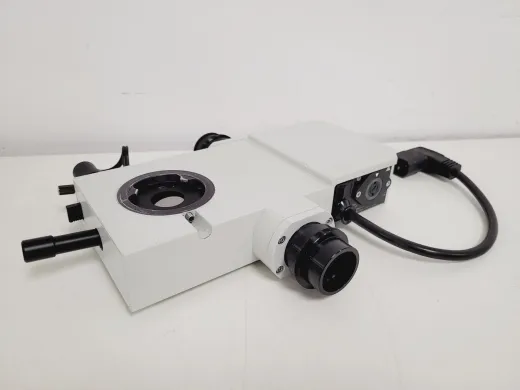
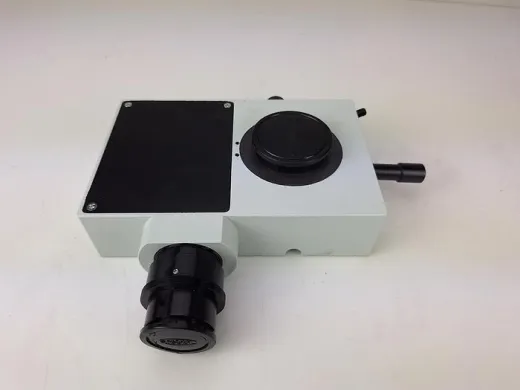
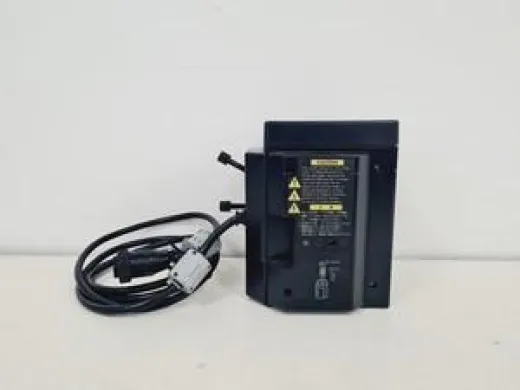
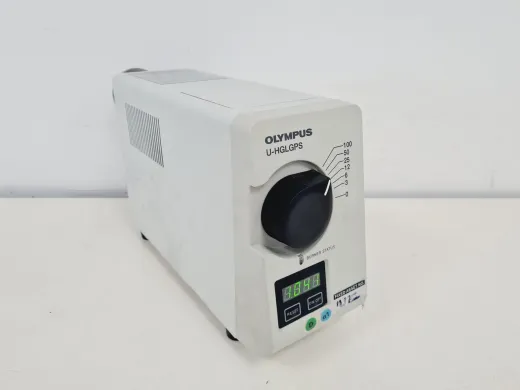
Not the exact instrument you need?
Tell our scientists what you are after. We track it down, including off-market supply.
Showing 1–40 of 1,621 listings
Show 40 more listingsBuying guide
Choosing an Olympus microscope
Start with the series duty rather than the model number, because an Olympus listing can share a name across very different builds. A CX is a settled configuration: you are buying it as it stands, so confirm the objective set covers your magnifications before anything else. A BX is the opposite, specified at order, which means two units at the same price can differ in turret, condenser and fluorescence provision. Read the BX listing for what is actually fitted, not for the model family.
On a used Olympus body, the optics and the mechanics age differently. Objective lenses are the component that carries most of the value and most of the risk: check for fungus inside the element, delamination, and scratches on the front lens, and ask the seller for images through the objective rather than of it. The focus mechanism and the stage drive wear with use, so a stage that drifts or a coarse focus that slips is a service item to price in. On fluorescence systems, the arc or LED source has a finite service life and the filter cubes must match your fluorophores; a cube set for one dye range is of no use for another.
Price tracks what is in the box. The bottom of the band is lenses and accessories traded alone, the middle is complete biological stands, and the top is configured BX, IXplore and FLUOVIEW systems with imaging hardware. The compatibility trap to watch is Olympus's own optical coupling: objectives, condensers and tube lenses are matched within a generation, and an older objective can mount on a newer body yet fall short of its corrected performance. Confirm the objective series matches the body series before you treat a bare lens as a bargain.
Olympus microscope series on Questpair
Among the listings that specify a type, the intersection runs across trinocular microscopes, objective lenses, microscope accessories, research microscopes, binocular stands and fluorescence systems, so the naming on a listing matters as much as the Olympus badge. The CX series sits in the binocular and trinocular biological bracket, built for routine clinical and teaching work. The BX series carries the research-microscope weight, with upright bodies configured for brightfield, phase and fluorescence. Fluorescence listings draw on the BX line and on the inverted IXplore systems, while FLUOVIEW names the confocal laser scanning instruments at the top of the range. The SZ series covers stereo and dissecting work rather than transmitted-light imaging. Objective lenses and accessories appear as standalone listings because an Olympus body is only as good as the optics threaded into it, and these parts trade separately.
Where the BX, CX and IXplore diverge
The deciding specification is the microscope's intended duty, and it separates these series cleanly. A CX stand is a fixed-configuration upright with a limited objective turret and no provision for added imaging paths, which suits volume slide review but caps what can be bolted on later. A BX body is modular: the turret, the illumination pillar and the camera port are all specified at order, so two BX listings with the same model number can differ in objectives, condenser and fluorescence filter cubes. That modularity is the thing to read on a BX listing, because it decides whether a given unit already does what you need. The IXplore systems invert the geometry for live-cell and culture-vessel work, where the sample sits above the objective. Fluorescence capability is the other axis: a listing described as a fluorescence microscope carries an excitation source and filter cubes that a brightfield body of the same series does not, and those cubes are matched to specific fluorophores rather than universal.
How condition and price break down for Olympus microscopes here
Across the Olympus listings in this category, prices run from EUR 13 to EUR 59.163. The low end is where objective lenses, eyepieces and single accessories sit, and the high end is configured research and confocal systems carrying optics and imaging hardware. The average, EUR 2.607, lands well below the ceiling because the count is weighted toward stands and parts rather than full confocal rigs. 91 percent of the listings are used. That condition mix is normal for optical instruments, which hold their function across long service lives, and it is why a used BX or SZ can be the sensible buy once the optics are confirmed.
Frequently asked questions
Which Olympus microscope series does Questpair carry?
The listings centre on five families: the CX biological line, the BX research platform, the SZ stereo range, the IXplore inverted systems, and the FLUOVIEW confocal instruments. These are now carried under the Evident Scientific name.
What is the real difference between the CX and BX series?
A CX stand is fixed in configuration, with limited or no fluorescence and a light path built for brightfield and simple phase contrast. A BX stand carries a modular turret for epi-fluorescence, five or six nosepiece positions, and a mechanism rigid enough for oil immersion, which is why fluorescence work starts at the BX.
How much does a used Olympus microscope cost?
Across the brand catalogue prices run from EUR 13 to EUR 59.163, with an average of EUR 2.607. The low average reflects how many entries are single objectives and accessories rather than complete stands; used listings make up 91 percent of the total.
Are refurbished Olympus units available?
Yes, used and refurbished units appear in the catalogue and are listed at lower prices than new stock. New stock exists but is the minority, concentrated in consumable optics and accessories rather than complete stands.
Which Olympus model suits which application?
For routine histology and teaching a CX is sufficient, and for dissection or inspection at low magnification an SZ stereo body fits. Immunofluorescence starts at the BX platform, live-cell culture requires an inverted IXplore, and confocal sectioning requires FLUOVIEW.
What should I check before buying a used Olympus microscope?
Inspect objective lenses for internal fungus and delamination of the cemented elements, and confirm the magnification and numerical aperture are engraved on the barrel. On a BX, check that the fluorescence filter cubes are present and matched to your dyes, since they are often sold separately, and test that the stage and fine-focus drive move without backlash.
Are objectives and parts interchangeable across the Olympus series?
Objective threading is standardised, but parfocality and the tube-length correction specified for a given stand are not, so a lens from one era may not sit flush with others on the turret. Where a specific part is needed, it can be sourced via Questpair.
How does Olympus compare to other microscope brands in this category?
Within this catalogue the practical distinction is that optical quality is set as much by the fitted objective as by the stand, so many entries are lenses and accessories rather than complete instruments. When weighing a listing against another brand or model, compare the specific stand class and the objectives and filter cubes actually included, since a low headline price on a BX body often excludes both.