

Laboratory Modules
We personally find you the right used, refurbished and new laboratory modules instruments & equipment from verified suppliers.
Laboratory modules are interchangeable instrument components and self-contained functional units that slot into larger lab systems or operate as standalone bench devices, covering sample handling, temperature regulation, and the subassemblies that make a benchtop instrument work. The Questpair catalogue holds 725 such listings from 18 verified suppliers and distributors across 9 countries. Of those, 85 percent are used. New, used and refurbished units all appear here, spanning entry-level parts to complete laboratory systems, so prices run from EUR 17 to EUR 81.785. The spread reflects how broad the term is: a single rotor and a programmable oven both qualify as modules in this catalog.
Updated:
Laboratory Modules product list


Not the exact instrument you need?
Tell our scientists what you are after. We track it down, including off-market supply.
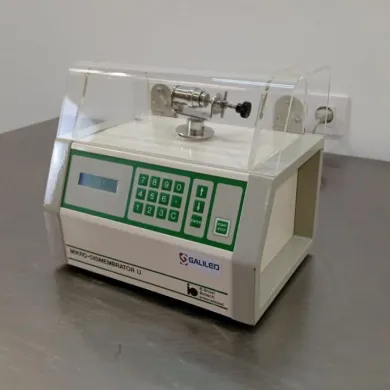
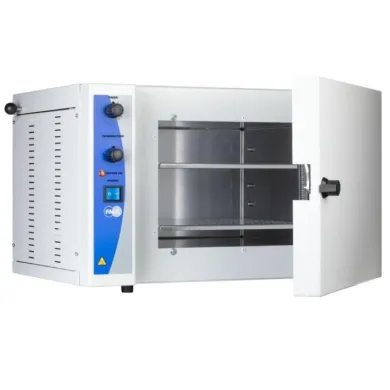
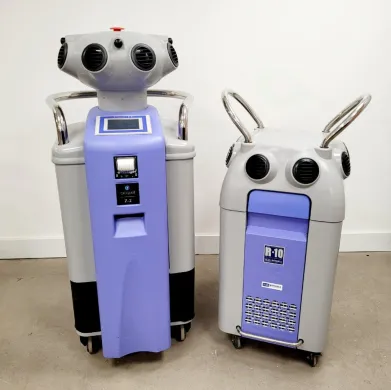
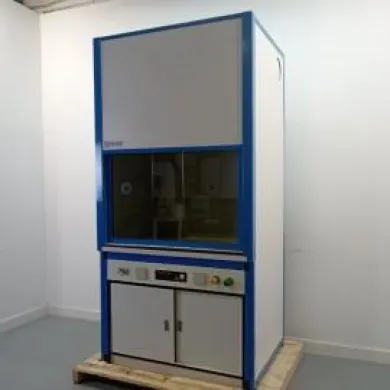
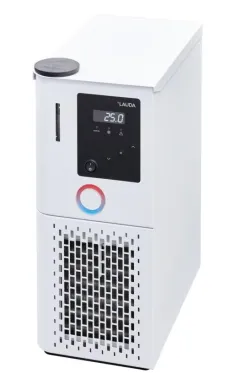
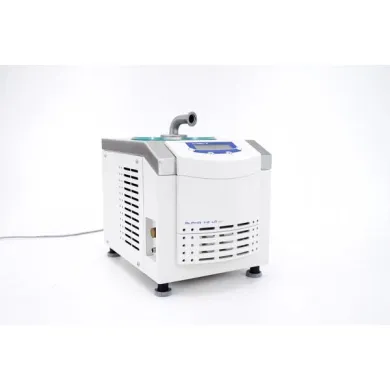
LAUDA Microcool MC 250 Circulation Chiller
- Category
- Chillers
- Brand
- Lauda
- Suppliers
- 1 verified
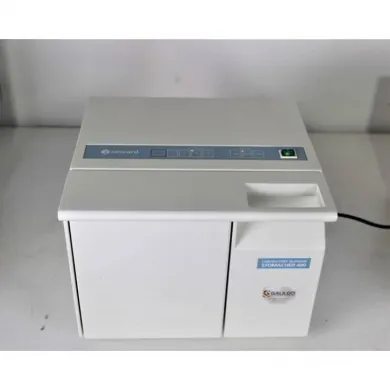
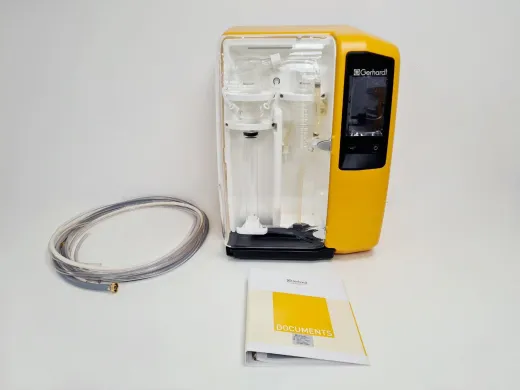
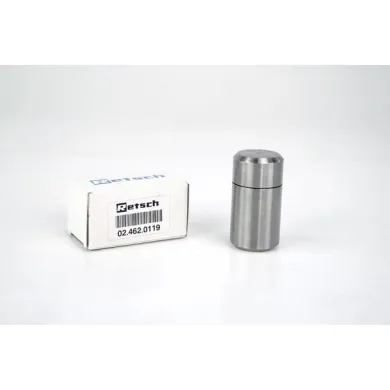
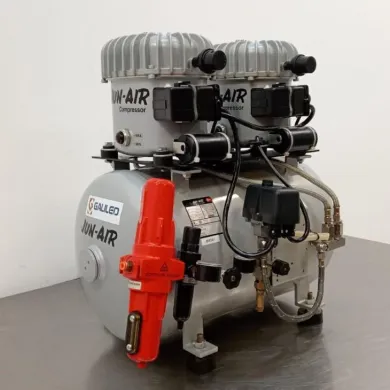
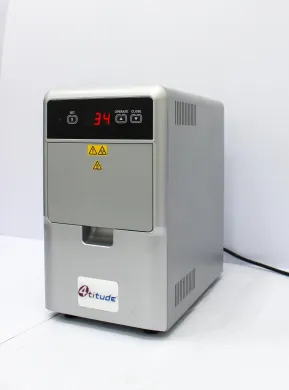
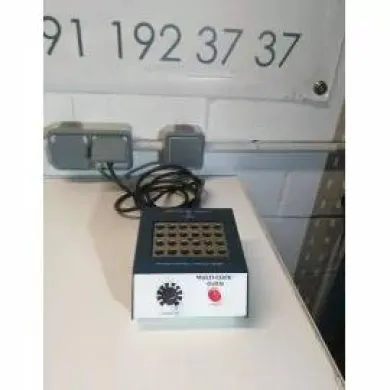
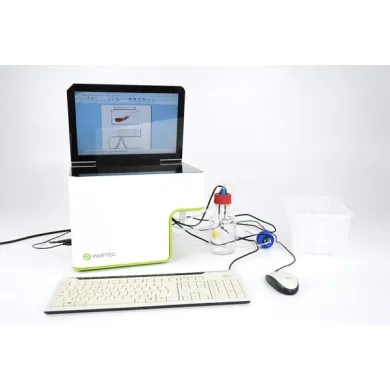
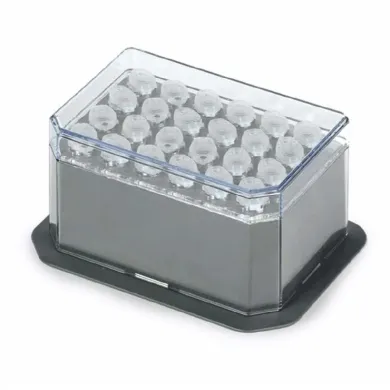
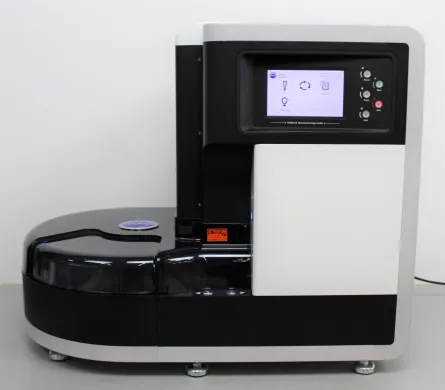
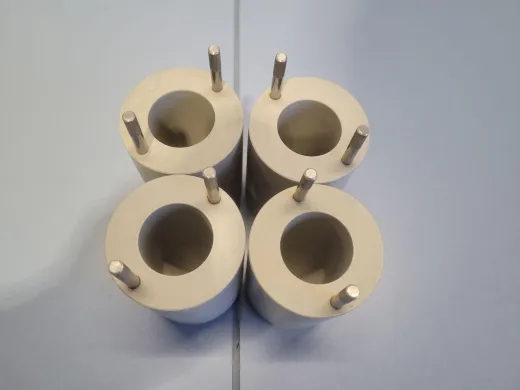
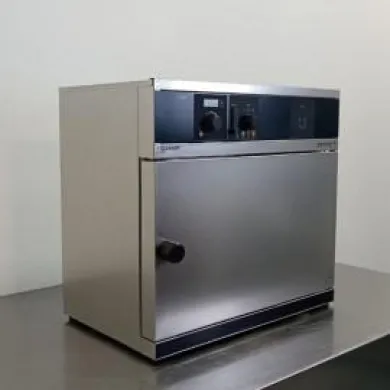
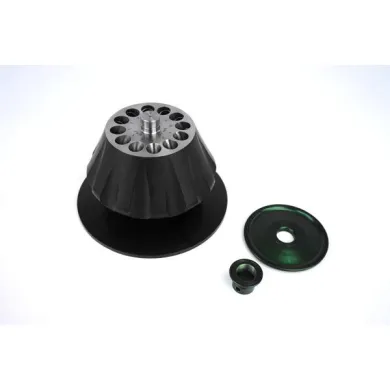
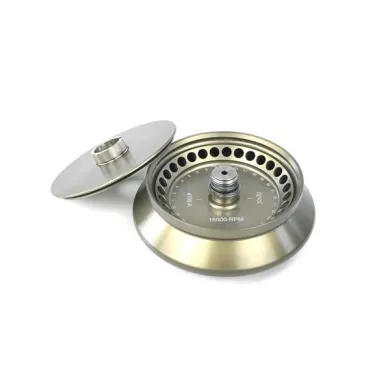
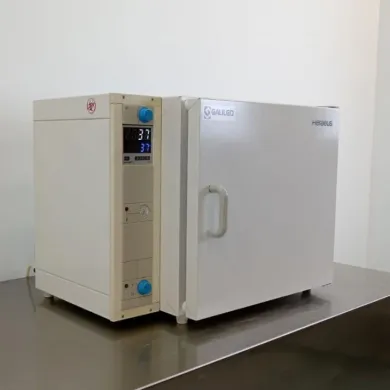
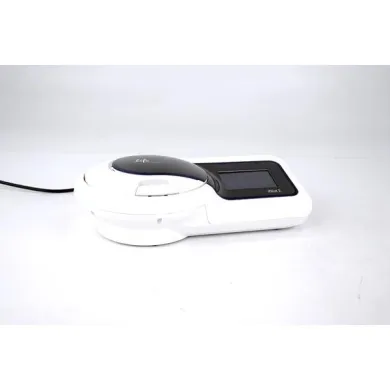
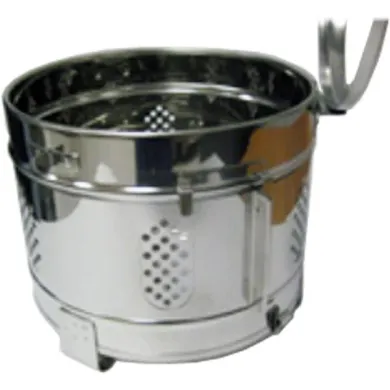
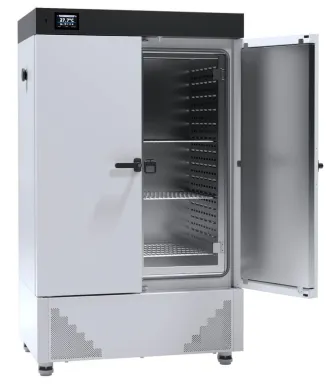
POL-EKO SMART ILW 400 Cooled Incubator
- Category
- Incubators
- Brand
- Pol eko
- Suppliers
- 1 verified
Not the exact instrument you need?
Tell our scientists what you are after. We track it down, including off-market supply.
Showing 1–40 of 424 listings
Show 40 more listingsBuying guide
Because this category gathers components rather than one instrument class, the first question is always what the module has to fit. A centrifuge rotor is useless without the exact spindle, bucket, and speed rating its host accepts, so the decisive figures are compatibility and the maximum rated g-force or RPM, not any headline specification. For a temperature-control or oven module, the range and stability matter more, the span of regulation and how tightly it holds a setpoint under load. Confirm the host system and the module's part number against each other before anything else; a module that does not mate with the equipment already on the bench is a return regardless of its condition.
Condition carries unusual weight here precisely because so many of these units see mechanical stress. A rotor spins at tens of thousands of RPM and fatigues over its service life, so a used one should be checked for corrosion, crack history, and whether it has exceeded the manufacturer's recommended cycle count. Oven and incubator modules depend on their heating elements and door seals, which degrade quietly. On any used unit, ask for the service record, verify that calibration documentation exists, and establish what has been tested. A warranty is often possible and is arranged in consultation for the specific listing, which is the practical way to cover a module whose internal wear you cannot inspect from a photograph.
The price band is wide because the category is. At EUR 2.190 the average sits well below the ceiling, which tells you most of what a buyer costs out falls toward the component end, a rotor or a control unit, while complete ovens and incubators pull the top of the range up to EUR 81.785. The brands occupying that spread are Thermo Scientific, Beckman Coulter, Radwag, Heidolph, Ohaus, and their presence shapes what a buyer can realistically budget for: established makers mean parts stay available and a model is easy to compare against its siblings, which matters more on a module than on a disposable. Used and refurbished units listed for sale sit below their new equivalents, and the individual listing is where the actual figure and any warranty terms are settled.
Types of Laboratory Modules
Which module types are listed here?
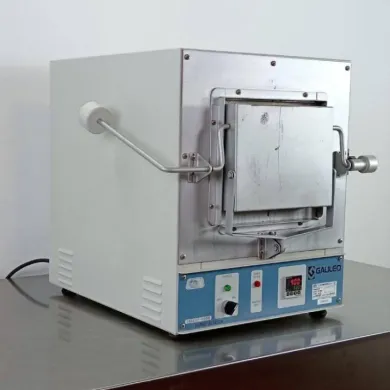
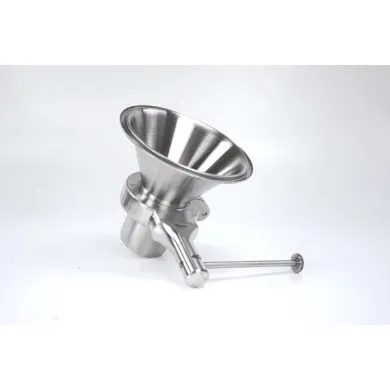
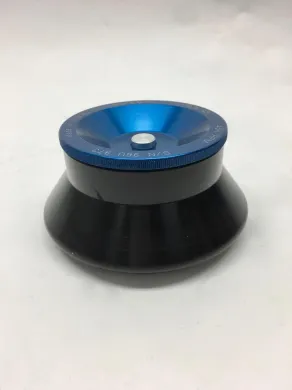
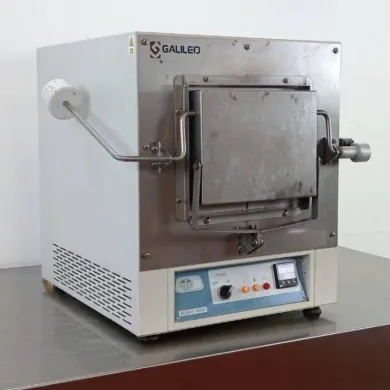
Among the listings that specify a type, the catalogue leans toward a handful of recurring forms: sample preparation equipment, temperature control equipment, centrifuge rotor, laboratory equipment, laboratory oven, laboratory incubator. Sample preparation equipment covers the modules that ready a specimen before analysis, the mills, homogenisers and dispensers used in sample preparation and formulation work; these feed directly into molecular biology and proteomics pipelines where a consistent starting material decides the result. Temperature control equipment regulates a defined environment, from chiller units to heated stages, and underpins cell culture and bioprocessing where a drifting setpoint ruins a run. Centrifuge rotors are the spinning subassembly itself, chosen by host and by the g-force a protein purification or cell separation protocol demands. Laboratory ovens and laboratory incubators close out the common set: the oven for drying, sterilisation and gravimetric preparation, the incubator for microbiology and cell culture where organisms are grown at a fixed temperature over days. Because that list is drawn from part of the catalog, it is a sample of what occurs rather than a closed set.
The brands behind the module listings
The makers that recur most across these listings are Thermo Scientific, Beckman Coulter, Radwag, Heidolph, Ohaus. For a buyer, an established name on a module is worth more than it is on a disposable, because a module is expected to keep mating with a host for years. Thermo Scientific and Beckman Coulter breadth means a rotor or control unit can usually be matched to an existing instrument and compared against a documented sibling model. Radwag and Ohaus bring the weighing and gravimetric side, where part numbers are stable and replacements predictable. Heidolph covers the sample-handling end. In each case the value to the purchaser is the same: parts stay sourceable, models stay comparable, and a used unit can be checked against a known specification rather than guessed at.
What condition and price look like in this catalogue?
Of the listings here, 85 percent are used. The range runs from EUR 17 to EUR 81.785, with the average at EUR 2.190, and that spread covers everything from a single bare component to a complete, programmable instrument. Used and refurbished modules are listed below the price of their new counterparts. Across 18 verified suppliers and distributors in 9 countries, the practical effect is that a buyer can find both the low-cost replacement part and the near-complete system in the same catalog.
Frequently asked questions
What is a laboratory module?
A laboratory module is an interchangeable instrument component or a self-contained functional unit that either slots into a larger lab system or runs as a standalone bench device. The category covers sample handling, temperature regulation, and the subassemblies that make a benchtop instrument work.
What does it mean when something is called a module rather than an instrument?
It means the unit is defined by what it fits into or the single function it performs, rather than by being a complete standalone system. A centrifuge rotor, a chiller unit and a programmable oven all qualify, which is why the term spans bare components through to near-complete instruments.
How do laboratory modules work?
Each module performs one defined job: a rotor spins samples at a rated g-force, a temperature-control unit holds a setpoint, an oven heats for drying or sterilisation. A component module relies on its host instrument for power and control, while a standalone module such as an incubator operates independently on the bench.
What types of laboratory modules are listed here?
Among the listings that specify a type, the recurring forms are sample preparation equipment, temperature control equipment, centrifuge rotors, general laboratory equipment, laboratory ovens and laboratory incubators. That is drawn from part of the catalogue, so it is a sample of what appears rather than a fixed set.
What are laboratory modules used for?
Sample preparation modules ready a specimen before analysis and feed molecular biology and proteomics pipelines. Temperature control equipment underpins cell culture and bioprocessing, centrifuge rotors serve protein purification and cell separation, ovens handle drying, sterilisation and gravimetric prep, and incubators grow organisms at a fixed temperature.
How do I choose the right module?
Start with what the module has to fit: confirm the host system and the part number against each other before anything else. For a rotor the decisive figures are compatibility and the maximum rated g-force or RPM; for a temperature or oven module it is the range and how tightly it holds a setpoint under load.
What is the difference between refurbished and used modules?
Used describes a unit sold in its current working state, while refurbished means it has been reconditioned before sale. Both are listed below the price of new equivalents, and the service record and calibration documentation for a specific unit are the details to check on the individual listing.
How much does a laboratory module cost?
Prices across the catalogue run from EUR 17 to EUR 81.785, with the average at EUR 2.190. The average sitting well below the ceiling reflects that the component end, a rotor or a control unit, falls lower, while complete ovens and incubators pull the top of the range up.
Which brands make laboratory modules?
The makers that recur most across these listings are Thermo Scientific, Beckman Coulter, Radwag, Heidolph and Ohaus. Thermo Scientific and Beckman Coulter cover rotors and control units, Radwag and Ohaus the weighing and gravimetric side, and Heidolph the sample-handling end.
Can I get a warranty on a refurbished module?
A warranty is often possible and is arranged in consultation for the specific listing. Because a module's internal wear cannot be judged from a photograph, agreeing warranty terms on the individual unit is the practical way to cover it.
Are parts available for these modules?
Parts can be sourced via Questpair. Established makers like those listed here keep part numbers stable, so replacements for a known model stay predictable rather than guesswork.
How long does a laboratory module last?
Lifespan depends on the module and the mechanical stress it sees. A rotor fatigues over its service life and has a manufacturer-recommended cycle count, while ovens and incubators depend on heating elements and door seals that degrade quietly, so the service record matters more than age alone.
Should I buy new or refurbished?
Used and refurbished modules are listed at lower prices than new ones, and that price difference is the clearest distinction. Where you need to weigh the two, check the condition detail and ask what has been tested on the specific listing, and settle any warranty terms in consultation there.
Where can I buy laboratory modules?
The Questpair catalogue holds 725 listings from 18 verified suppliers and distributors across 9 countries. Both low-cost replacement parts and near-complete systems appear in the same catalog.
What are the lead time and shipping like?
Lead time and shipping depend on the individual seller and the unit's location, since listings come from suppliers and distributors in 9 countries. The specific listing is where delivery details for that unit are confirmed.
What calibration and maintenance should I expect?
On any used unit, verify that calibration documentation exists and ask for the service record before buying. Rotors should be checked for corrosion, crack history and cycle count, while oven and incubator modules hinge on their heating elements and seals; Questpair does not carry out servicing itself.
Which module types are listed most, and who reaches for each?
Sample preparation equipment, temperature control equipment, centrifuge rotors, laboratory ovens and laboratory incubators recur most. Molecular biology and proteomics labs reach for sample prep modules, cell culture and bioprocessing teams for temperature control and incubators, and purification or cell-separation work for rotors matched to a specific host.
Which brands dominate this category, and what does that mean for a buyer?
Thermo Scientific, Beckman Coulter, Radwag, Heidolph and Ohaus recur most across the listings. For a buyer this means a used unit can be checked against a known specification, a model stays easy to compare against its siblings, and replacement parts stay sourceable, which carries more weight on a module than on a disposable.
What separates the cheapest modules from the most expensive here?
The bottom of the band is the bare component end, a single rotor or a control unit, while the top is a complete, programmable instrument such as an oven or incubator. Condition also moves the figure, since used and refurbished units sit below their new equivalents across the EUR 17 to EUR 81.785 range.