
Shimadzu equipment
We personally find you the right new, used & refurbished Shimadzu instruments & equipment from verified suppliers
Shimadzu Corporation is a Japanese analytical and measuring instruments, medical systems, and precision equipment manufacturer, founded in 1875 in Kyoto by Genzo Shimadzu Sr. and incorporated as a limited company in 1917. The company is listed on the Tokyo Stock Exchange under ticker 7701 and operates independently from its headquarters in Nakagyo-ku, Kyoto. Its product range covers chromatography, mass spectrometry, spectroscopy, elemental and surface analysis, physical testing, laboratory balances, and medical imaging. On Questpair, 392 used Shimadzu instruments are listed by verified suppliers and distributors across 8 countries.
Updated:
Shimadzu product list
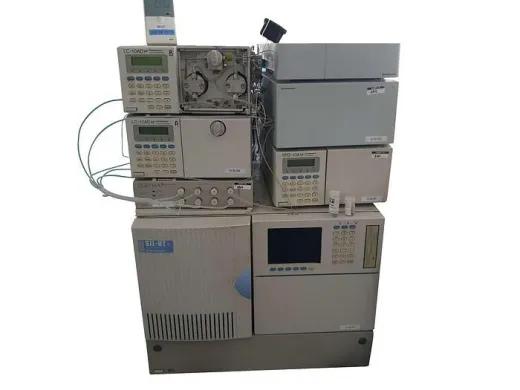
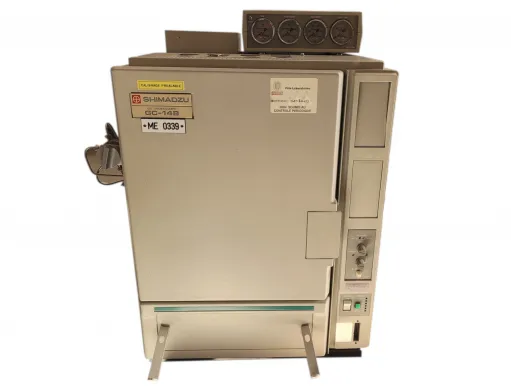
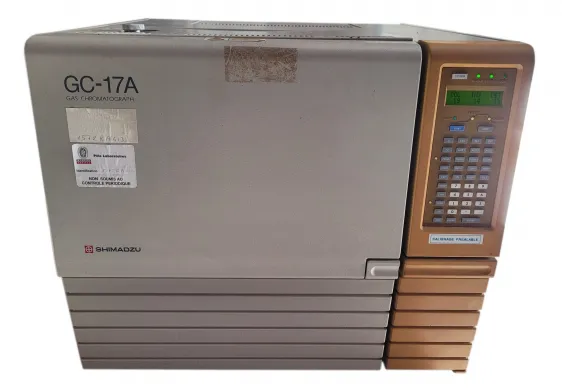
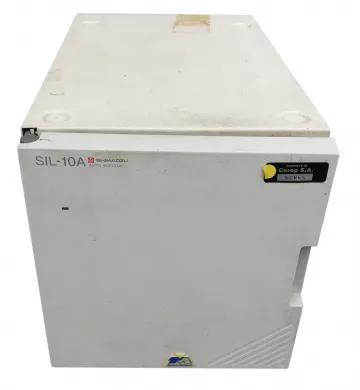
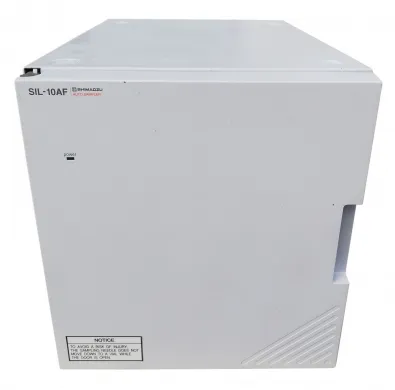
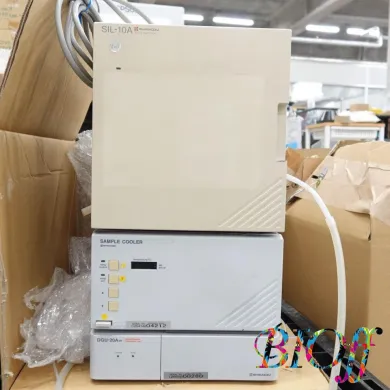
SIL-10A Auto Injector for Parts
- Category
- Automated liquid handling
- Brand
- Shimadzu
- Suppliers
- 1 verified


Not the exact instrument you need?
Tell our scientists what you are after. We track it down, including off-market supply.
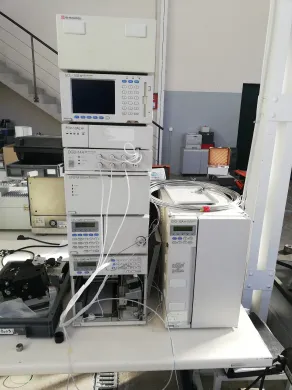
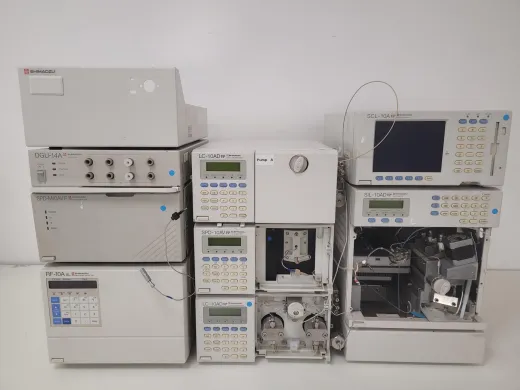
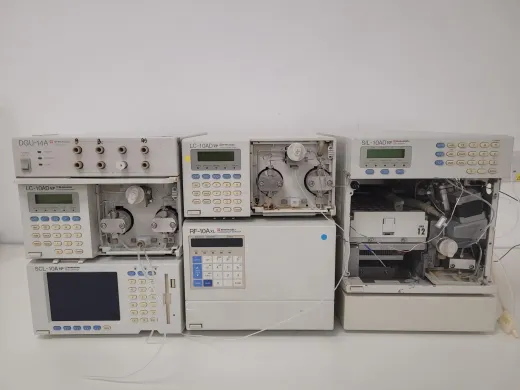
HPLC System - SCL-10A, LC-10AD, SIL-10AD Lab
- Category
- Hplc systems
- Brand
- Shimadzu
- Suppliers
- 1 verified
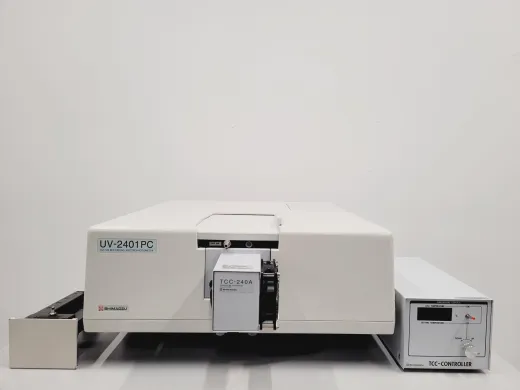
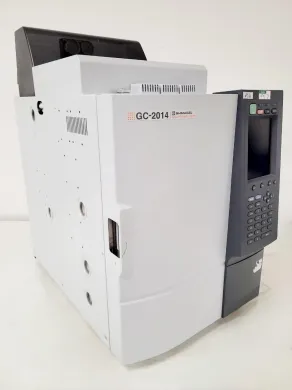
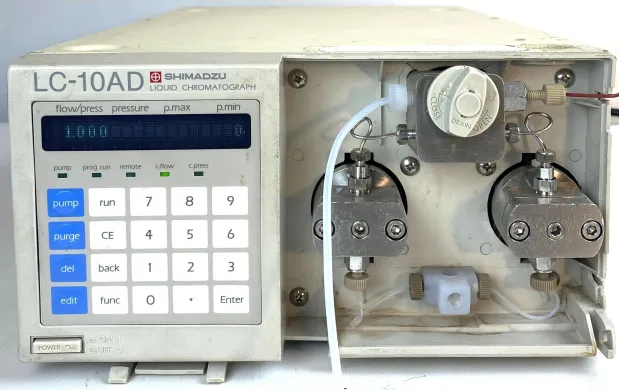
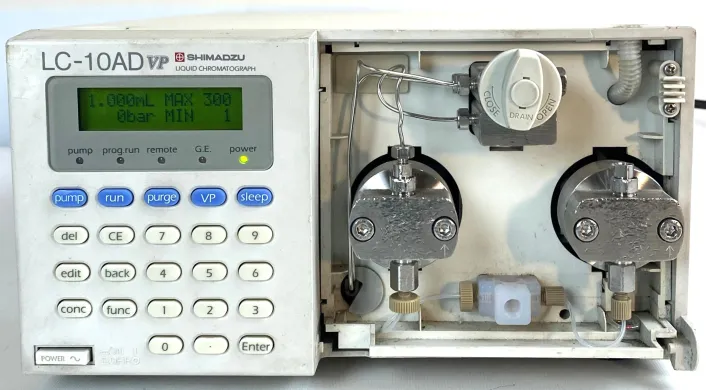
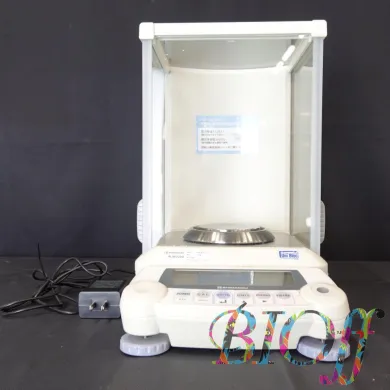
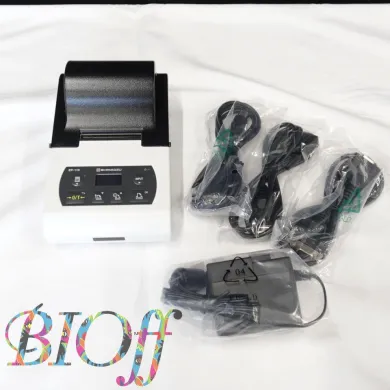
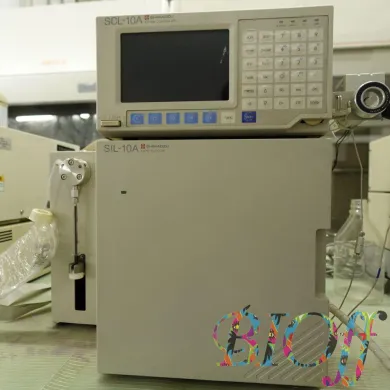
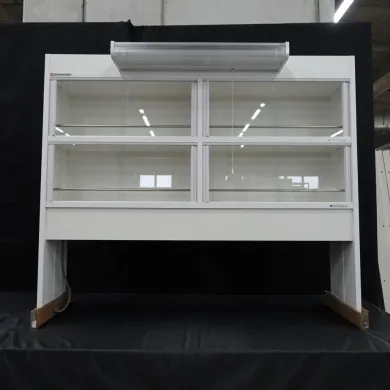
Not the exact instrument you need?
Tell our scientists what you are after. We track it down, including off-market supply.
Showing 1–40 of 256 listings
Show 40 more listingsAbout Shimadzu
Shimadzu Corporation is a Japanese analytical and measuring instruments, medical systems, and precision equipment manufacturer founded on March 31, 1875 in Kyoto by Genzo Shimadzu Sr., who began by crafting scientific instruments for education in chemistry and physics. The company was incorporated as a limited company in 1917 and is listed on the Tokyo Stock Exchange under ticker 7701. It remains fully independent, with no parent company, and operates from its headquarters in Nakagyo-ku, Kyoto. Its product portfolio covers chromatography, mass spectrometry, spectroscopy, elemental and surface analysis, physical testing and inspection, laboratory balances, medical imaging systems, and environmental analysis instruments. That span places Shimadzu among the few makers whose instruments appear across both the analytical bench and the clinical imaging suite. On Questpair, the maker's presence is concentrated in used analytical instrumentation listed by verified suppliers and distributors.
Several of these instrument classes do direct work in biotechnology and life sciences, and the chromatography and mass spectrometry lines are the clearest example. Liquid chromatography and LC-MS systems carry out protein purification monitoring, metabolite analysis, and the separation steps behind proteomics and molecular diagnostics workflows. Gas chromatography and GC-MS platforms support environmental analysis and the volatile-compound profiling used in microbiology and metabolite studies. Spectroscopy instruments, from UV-Vis to fluorescence systems, read concentration and purity in cell culture supernatants and immunoassay development. These are the search terms a working scientist uses when sourcing an instrument for a specific technique, and the Shimadzu catalogue on Questpair maps onto several of them at once.
Shimadzu product lines on Questpair
The listings group into the maker's established analytical families. Chromatography is well represented, covering liquid chromatographs, gas chromatographs, and the detectors and autosamplers that complete them. Mass spectrometry appears both as standalone analysers and as hyphenated systems paired with a chromatograph. Spectroscopy covers UV-Vis spectrophotometers, infrared instruments, and fluorescence and atomic absorption platforms, which together account for a meaningful share of the analytical instrumentation on offer. Physical testing and inspection equipment, including materials testing frames and hardness testers, forms a separate strand aimed at quality control and materials laboratories rather than the life sciences bench. Laboratory balances round out the precision-measurement side of the catalogue. Across these families, the common thread is that each instrument is listed as a used unit with its own condition detail, so a buyer evaluates a specific chromatograph or spectrometer rather than a generic model line.
What is listed on Questpair?
The Shimadzu catalogue on Questpair holds 392 listings offered by 16 verified suppliers and distributors across 8 countries. 100 percent of the listings are used. Prices run from EUR 10 to EUR 86.089, with an average of EUR 6.023. That spread reflects the difference between small components and complete analytical systems, and it lets a buyer find both an entry point and a full instrument within the same maker. Where documentation is needed for a listed unit, the buyer can contact Questpair and specialists respond within an hour. Parts can be sourced via Questpair, and a warranty is often possible, arranged in consultation for the specific listing. Because every unit here is used, the practical task for a buyer is to read each listing against the technique it serves and the price it carries, then confirm the condition detail before committing. For a lab weighing a Shimadzu instrument against its new-equipment cost, the listed price is the starting figure that makes the comparison worth running.
Questpair review of Shimadzu
Our take based on listings data and supplier feedback
Shimadzu occupies an unusual position among instrument makers because its catalogue reaches across disciplines that competitors often treat as separate businesses. The first benefit visible on Questpair follows from that breadth. A buyer searching the listings encounters chromatography systems, mass spectrometers, spectroscopy platforms, and physical testing frames under one maker's name, which matters for a lab standardising on a single vendor's software and service logic. The 392 listings reflect that spread rather than a single product family, so a procurement team sourcing a liquid chromatograph and a UV-Vis spectrophotometer can evaluate both against the same manufacturer's track record. That consolidation is practical, not promotional: fewer vendor relationships, shared consumable formats, and a common interface language across benches.
The second benefit is the price structure, and here the data is unambiguous. 100 percent of the listings are used. There is no mixed new-and-used picture to interpret, which simplifies the decision for a buyer who has already accepted the second-hand route. Prices run from EUR 10 to EUR 86.089. That range is wide because it covers everything from small accessories to complete analytical systems, and the average of EUR 6.023 sits well below the replacement cost of most Shimadzu benchtop instruments when bought new. For a research group operating under a fixed capital budget, this is the determining factor. A used Shimadzu gas chromatograph or an older spectrometer can bring a technique into a lab that could not justify the new-equipment outlay, and the individual listing carries the condition detail each buyer needs to assess fit.
The third benefit concerns supply resilience. The listings originate from 16 verified suppliers and distributors spread across 8 countries. For a buyer, that geographic spread reduces the risk of a single-source bottleneck and increases the chance of finding a specific configuration, whether that is a particular detector, an autosampler variant, or a software version. It also means shipping routes and lead times vary, so a buyer in one region may find a closer match than a single-location dealer could offer. Where a buyer needs parts for a listed instrument, those can be sourced via Questpair, and a warranty is arranged in consultation for the specific listing rather than applied as a blanket term.
What the marketplace does not resolve is calibration state or service history, and these vary by unit. Shimadzu instruments are built for long service lives, which is part of why a substantial used market exists for them, but age and prior use differ across the catalogue. The sensible reading of these listings is to weigh each one on its stated condition and its price against the technique it serves, rather than to treat the brand name alone as a guarantee. On that basis, the Shimadzu listings on Questpair offer genuine value to a lab willing to evaluate instruments individually.
**Breadth across analytical disciplines**
Shimadzu instruments span chromatography, mass spectrometry, spectroscopy, and physical testing, so a single supplier search on Questpair can cover several techniques in one lab.
**A used-only catalogue at a wide price range**
Every Shimadzu listing is a used unit, with prices from EUR 10 to EUR 86.089, which opens access to instruments that would otherwise sit outside many research budgets.
**Supply spread across multiple countries**
The 392 Shimadzu listings come from 16 verified suppliers and distributors in 8 countries, which widens the pool of available configurations and shipping options.
Frequently asked questions
Where can I find manuals and documentation for Shimadzu instruments?
Documentation and manual requests go through Questpair, where specialists respond within one hour. Give the model number and configuration from the listing so the right material can be matched to your instrument.
How much does Shimadzu equipment cost?
Across the Questpair catalogue, prices run from EUR 10 to EUR 86.089, with an average of EUR 6.023. The spread reflects whether a listing is a component or accessory versus a complete analytical system, so the model and configuration determine where a given item falls.
What is the difference between refurbished and used Shimadzu units?
Both are listed below the price of new equivalents on Questpair. Condition and what is included vary per listing, so read the model number and configuration and settle coverage per item.
Do Shimadzu instruments come with a warranty?
A warranty is often possible and is arranged in consultation for the specific listing rather than applied across the whole catalogue. Condition and coverage are questions to settle for each individual item.
Are Shimadzu instruments suitable for clinical and research work?
Shimadzu LC-MS and GC-MS systems appear in proteomics and molecular diagnostics workflows, and UV-Vis instruments quantify nucleic acids and proteins in molecular biology and cell culture checks. Whether a specific unit fits your procedure depends on the model identity and the method base attached to that line, which you should read from the listing.
How long do Shimadzu instruments last?
Lifespan depends on the instrument class, usage history, and maintenance, none of which is fixed by the brand alone. Many Shimadzu models can be checked against published protocols before purchase, so the documented history of a specific model is the practical reference point.
Can I get parts for Shimadzu equipment?
Parts for listed equipment can be sourced via Questpair. Provide the model number so the correct component is matched to your instrument.
What are good alternatives to Shimadzu instruments?
Alternatives depend on the category: chromatography, mass spectrometry, spectroscopy, elemental and surface analysis, physical testing, or laboratory balances each have different competing makers. The deciding factor is the method base attached to a specific analyzer line, so compare on the procedure you need to run rather than on brand.
What is the lead time on Shimadzu equipment?
Lead time depends on the individual listing and the supplier holding it, so it is not fixed across the catalogue. The listing and the verified suppliers and distributors behind it are where availability for a specific item is confirmed.
What is the difference between parts and spares for Shimadzu instruments?
In practice the terms overlap: both refer to replaceable components such as detectors, lamps, columns, or autosampler assemblies. Parts for listed equipment can be sourced via Questpair, matched by the model number and configuration of your instrument.
Does Questpair ship Shimadzu equipment internationally?
Listings come from verified suppliers and distributors across 8 countries, so cross-border supply is part of the catalogue. Shipping terms are set per listing, so confirm them with the supplier holding the item.
Which product lines does Shimadzu make and how do they differ?
The analytical range centres on HPLC and GC chromatographs and LC-MS and GC-MS mass spectrometers for separation and compound identification. Spectroscopy covers UV-Vis, atomic absorption, and FTIR instruments; elemental and surface analysis adds X-ray fluorescence and ICP; physical testing and inspection covers universal testing machines, hardness testers, and particle size analysers; laboratory balances handle weighing and gravimetric analysis.
Which Shimadzu instrument classes are listed on Questpair and in what condition?
The catalogue holds 392 Shimadzu listings, with types including analytical instruments, autosamplers, column ovens, gas chromatographs, analytical spectrophotometers, and HPLC detectors. 100 percent of the listings are used, with 391 used items available, and condition is stated per listing.
What separates the cheapest Shimadzu listings from the most expensive?
The lowest prices generally reflect component-level or accessory listings, while the highest reflect complete analytical systems. Reading each listing for its model number and configuration is the step that separates a part from a full instrument.
About Questpair
Questpair is the European marketplace for lab equipment, where AI-prepared cases and personal specialists guide every purchase. We work with 247 verified suppliers across 38 countries to find buyers the right new, used or refurbished instruments, with response within 1 hour and significant savings vs buying new.
Personal · Fast · Reliable · Affordable