
Thermo Fisher Scientific equipment
We personally find you the right used, refurbished & new Thermo Fisher Scientific instruments & equipment from verified suppliers
Thermo Fisher Scientific is an American analytical instruments, laboratory equipment, diagnostics, and life sciences reagents and consumables manufacturer, based in Waltham in the United States. The current entity was formed on November 9, 2006, when Thermo Electron Corporation, founded in 1956, merged with Fisher Scientific International Inc. It trades independently on the NYSE under TMO and sells under brands including Thermo Scientific, Applied Biosystems, Invitrogen and Nalgene. On Questpair, equipment from this maker is listed by verified suppliers and distributors across 21 countries, with prices that range from EUR 1 to EUR 516.534.
Updated:
Thermo Fisher Scientific product list


Not the exact instrument you need?
Tell our scientists what you are after. We track it down, including off-market supply.
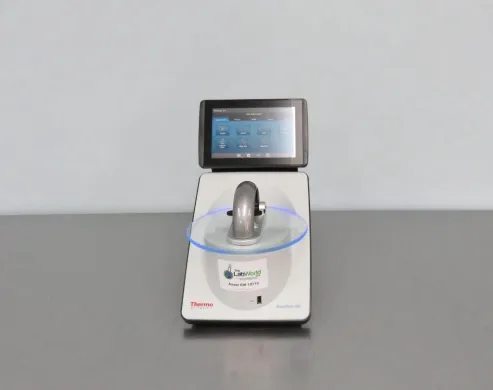
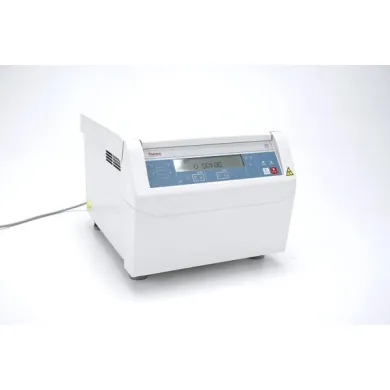
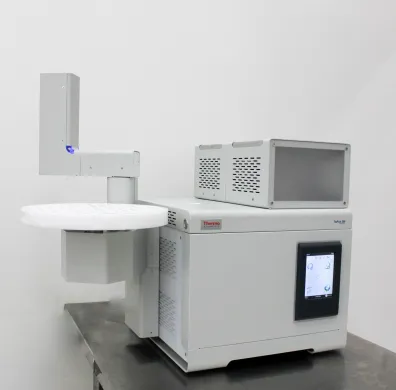
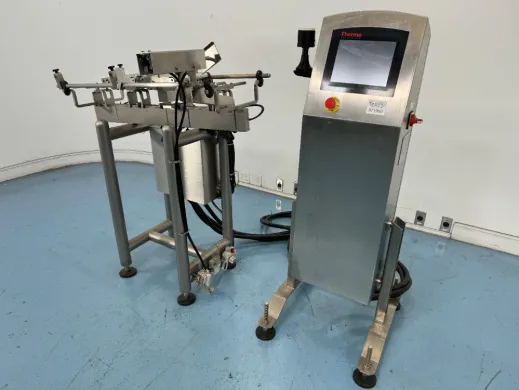
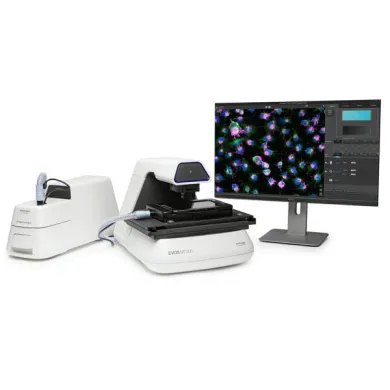
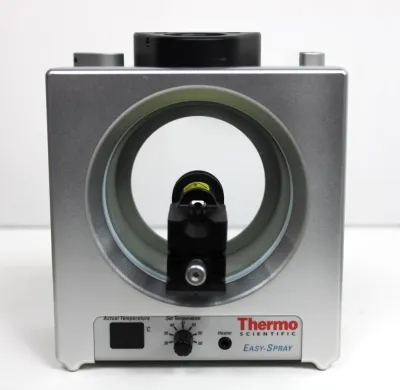
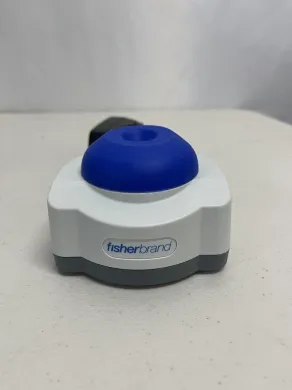
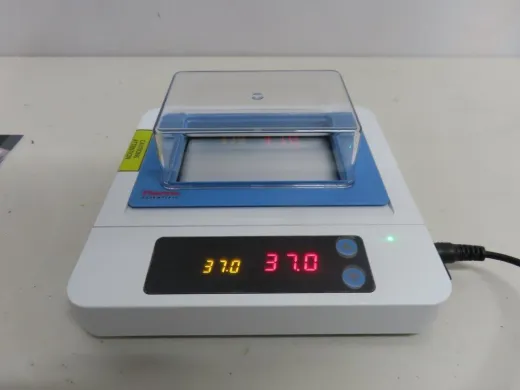
Not the exact instrument you need?
Tell our scientists what you are after. We track it down, including off-market supply.
Showing 1–40 of 3,845 listings
Show 40 more listingsAbout Thermo Fisher Scientific
Thermo Fisher Scientific is an American analytical instruments, laboratory equipment, diagnostics, and life sciences reagents and consumables manufacturer headquartered in Waltham, United States. It was formed on November 9, 2006, when Thermo Electron Corporation, founded in 1956, merged with Fisher Scientific International Inc. in a tax-free stock-for-stock exchange. The company is independent and publicly traded on the NYSE under the symbol TMO, with no parent company above it. Its output spans analytical instrumentation, chromatography, mass spectrometry, centrifuges, PCR and thermal cyclers, cold storage, cell culture products, spectroscopy, water purification, biosafety cabinets and laboratory consumables. The equipment sells under several well-known brands, among them Thermo Scientific, Applied Biosystems, Invitrogen, Fisher Scientific and Nalgene. On the Questpair catalogue this maker's instruments are listed by verified suppliers and distributors across 21 countries, at prices from EUR 1 to EUR 516.534.
Thermo Fisher product lines on Questpair
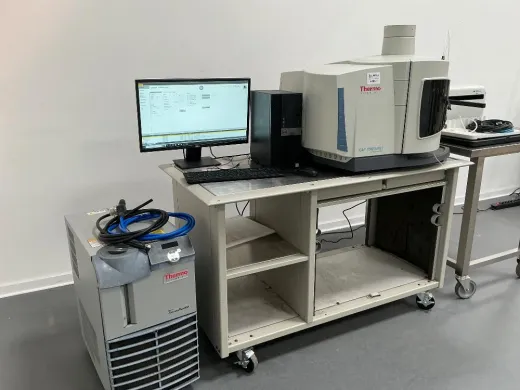
The maker's output divides into a handful of instrument families, and most of them do recognisable work in biotechnology and the life sciences. Mass spectrometers, sold under the Thermo Scientific name, do mass spectrometry for proteomics and molecular diagnostics, identifying and quantifying proteins and metabolites in a sample. Chromatography systems handle separation ahead of that analysis, with liquid and ion chromatography columns and instruments feeding protein purification and small-molecule workflows. Thermal cyclers and real-time PCR instruments, many under the Applied Biosystems line, do PCR and quantitative PCR for genomics, gene editing and molecular biology, amplifying and reading specific DNA sequences. Centrifuges, from benchtop microcentrifuges to floor-standing models, do centrifugation for sample preparation across cell culture and nucleic acid work. Cold storage, including ultra-low freezers, holds cells, reagents and samples for biobanking and bioprocessing. Reagents and consumables sold through Invitrogen and Fisher Scientific support cell culture, electrophoresis, immunoassay and nucleic acid extraction, and Nalgene supplies the labware that carries all of it. Spectroscopy instruments cover UV-Vis and infrared measurement, also used for quality control in biomanufacturing and for material characterisation in synthetic biology. Across these families the common thread is that one maker's platform can sit at nearly every stage of a molecular workflow, from sample prep through separation to detection.
Because this breadth spans so many classes, a buyer on Questpair will find the Thermo Fisher name attached to equipment that ranges from a single pipette tip box to a complete chromatography stack. The brand sets the platform and the software ecosystem; the specific family, from Orbitrap-class spectrometers to the Sorvall centrifuge range, sets what the instrument actually does on the bench.
On the Questpair catalogue
On Questpair, this maker's equipment is listed by 21 verified suppliers and distributors across 21 countries. 98 percent of the listings are used, which gives a buyer a deep secondary stock to draw on rather than new-only pricing. Prices on the catalogue run from EUR 1 to EUR 516.534, with an average near EUR 3.756, a spread that reflects a maker whose output covers both the cheapest consumable and the most expensive analytical system. Used and refurbished units are listed below the price of their new equivalents, and that price difference is the main consideration when a buyer weighs the two; a warranty is often possible and is arranged in consultation for the specific listing. Where a listing arrives without its manual or documentation, the buyer can contact Questpair and specialists respond within the hour, and parts can be sourced the same way. Because condition and configuration vary from one entry to the next, the sound approach is to read the individual listing closely: the brand tells you the platform, the listing tells you exactly what you are buying.
Questpair review of Thermo Fisher Scientific
Our take based on listings data and supplier feedback
Thermo Fisher Scientific is less a single product line than a catalogue that reaches across most of a working laboratory, and that breadth is the first thing worth weighing. The maker builds mass spectrometers and chromatography systems for separation and analysis, thermal cyclers for molecular biology, centrifuges for sample preparation, cold storage for sample archiving, and reagents and consumables that feed all of them. For a buyer, the practical consequence is that several instruments on a bench can share one maker's software, service network and consumable ecosystem. On Questpair the catalogue shows this spread directly: listings run from EUR 1 for a consumable or a small part up to EUR 516.534 for a complete analytical system, with an average around EUR 3.756. That range is the signature of a maker whose output covers both the cheapest disposable and the most expensive instrument in the room.
The second point a buyer notices is how much of the available stock is used rather than new. Across the listings, 98 percent are used, drawn from 9769 used entries against 175 new ones. For an instrument class where a new unit carries a long lead time and a high capital line, a deep secondary market changes the calculation. A used mass spectrometer or a used centrifuge is listed at a lower price than its new equivalent, and that price difference is the clearest reason the secondary market exists. Where a buyer is choosing between the two, the right comparison is the individual listing, and a warranty is arranged in consultation for that specific entry rather than assumed across the board.
The third consideration is the number of sources behind the catalogue. Listings come from 21 verified suppliers and distributors spread across 21 countries, which matters for two reasons. It widens the pool of any one model, so a buyer looking for a specific thermal cycler or a specific chromatography column is more likely to find more than one example to compare. It also means condition and configuration vary from one entry to the next, so a specification that reads identically on two listings can still differ in the detail. The analyst's caution here is the same one that applies to any large used catalogue: the maker's name sets the platform, but the individual listing sets what you actually receive. Read the entry, not the brand, and where a part or a manual is missing from the description, those can be sourced through Questpair rather than assumed to be absent. The strength of Thermo Fisher as a brand on this marketplace is coverage and depth; the work the buyer still has to do is at the level of the single listing.
**Breadth across instrument classes**
A single maker spans mass spectrometers, centrifuges, thermal cyclers, chromatography systems and cold storage, so a buyer can match several instruments to one familiar platform.
**Depth of the used market**
Of the listings on Questpair, 98 percent are used, which gives a buyer access to a large secondary stock rather than new-only pricing.
**Price spread from consumables to systems**
Listings run from EUR 1 to EUR 516.534, covering single consumables at one end and complete analytical instruments at the other.
Frequently asked questions
Where do I find manuals and documentation for Thermo Fisher instruments?
Contact Questpair for manuals or documentation on a specific Thermo Fisher instrument, and specialists respond within an hour. This covers the model you are looking at rather than a generic document library.
How much does Thermo Fisher equipment cost?
Across the Questpair catalogue, prices run from EUR 1 to EUR 516.534, with an average of EUR 3.756. The wide span reflects the gap between a single consumable and a complete mass spectrometry system, so the model and configuration determine where a given listing falls.
What is the difference between refurbished and used Thermo Fisher units?
Both refurbished and used units are listed below the price of new equipment on Questpair. The condition is stated per listing, so read the individual entry to see how a specific unit is described before comparing.
Do Thermo Fisher listings come with a warranty?
A warranty is often possible and is arranged in consultation for the specific listing. Check the individual listing and raise warranty terms with the supplier there, since terms are not set centrally.
Is Thermo Fisher equipment suitable for clinical and research use?
Thermo Fisher makes instruments for molecular diagnostics, proteomics, metabolomics, cell culture and genomics, so the range covers both clinical and research workflows. Suitability for a given application depends on the specific model and its configuration, which are listed per entry.
How long does Thermo Fisher laboratory equipment last?
Lifespan depends on the instrument class and how heavily a unit has been run, with cold storage, centrifuges and incubators often serving many years under regular maintenance. The condition and age of a used unit are described in its listing, which is the place to judge remaining service life.
Can I get spare parts for Thermo Fisher instruments?
Parts can be sourced via Questpair. Identify the model and the component you need, and specialists can help locate it.
What are the alternatives to Thermo Fisher equipment?
Alternatives depend on the instrument class: for centrifuges, chromatography, mass spectrometry and PCR there are other makers whose equipment is listed on Questpair under those categories. Compare by the category you need rather than by brand, since the model and condition do most of the narrowing.
What is the lead time on a Thermo Fisher order?
Lead time depends on the individual supplier and whether the unit is in stock, so it is set per listing rather than brand-wide. The listing comes from one of 21 verified suppliers and distributors, and you can confirm timing with that source.
What is the difference between parts and spares when ordering?
In practice the terms overlap: both refer to components sourced to replace or maintain part of an instrument. On Questpair you specify the model and the component, and parts can be sourced regardless of which word you use.
Can Thermo Fisher equipment be shipped internationally?
Listings come from verified suppliers and distributors across 21 countries, so cross-border supply is common. Shipping arrangements are handled per listing, so confirm the details with the supplier offering the unit.
Which Thermo Fisher product lines exist and how do they differ?
The main lines are Thermo Scientific for instruments and cold storage, Applied Biosystems for PCR and thermal cycling, Invitrogen for cell culture and life science reagents, Fisher Scientific for laboratory supplies, and Nalgene for labware. Each covers a different part of the bench, from mass spectrometry and chromatography hardware to consumables and reagents.
Which Thermo Fisher instrument classes are listed here and in what condition?
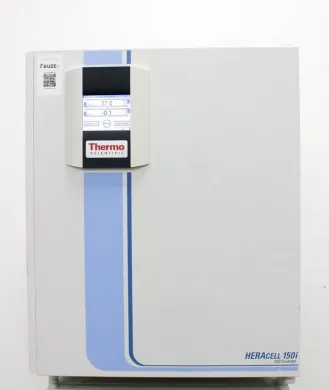
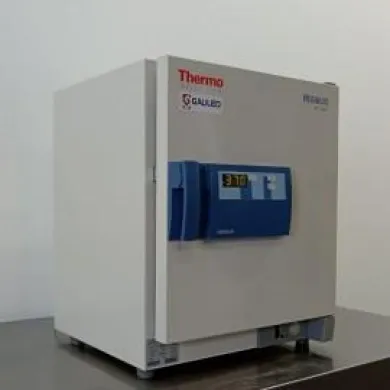
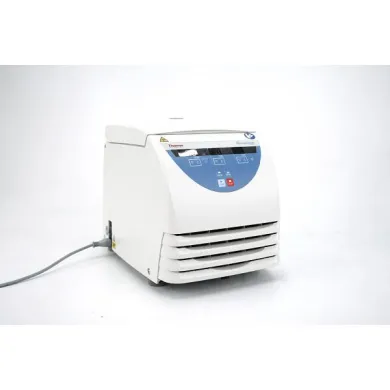
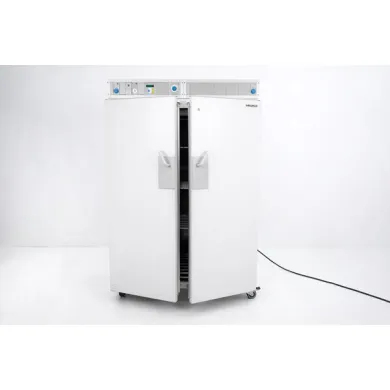
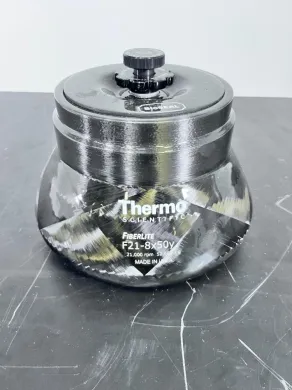
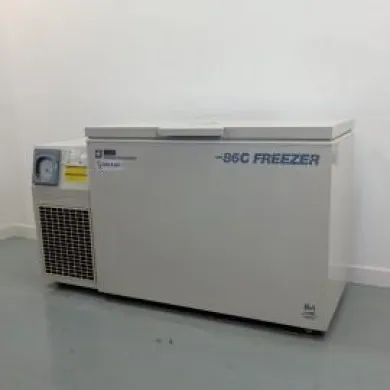
The classes appearing on Questpair include laboratory incubators, cell culture incubators, CO2 incubators, laboratory freezers, laboratory centrifuges and benchtop centrifuges. Of the 9962 listings, 98 percent are used, with the balance new, and the exact condition is stated in each entry.
What separates the cheapest Thermo Fisher listings from the most expensive?
The cheapest listings are typically consumables, labware and small benchtop units, while the most expensive are complete systems such as mass spectrometers and chromatography setups. Between those extremes, condition also moves the price, since used and refurbished units are listed below new ones.
About Questpair
Questpair is the European marketplace for lab equipment, where AI-prepared cases and personal specialists guide every purchase. We work with 247 verified suppliers across 38 countries to find buyers the right used, refurbished or new instruments, with response within 1 hour and significant savings vs buying new.
Personal · Fast · Reliable · Affordable