58k+ listingsShips to NLResponse within one hour+31 73 711 4717info@questpair.com

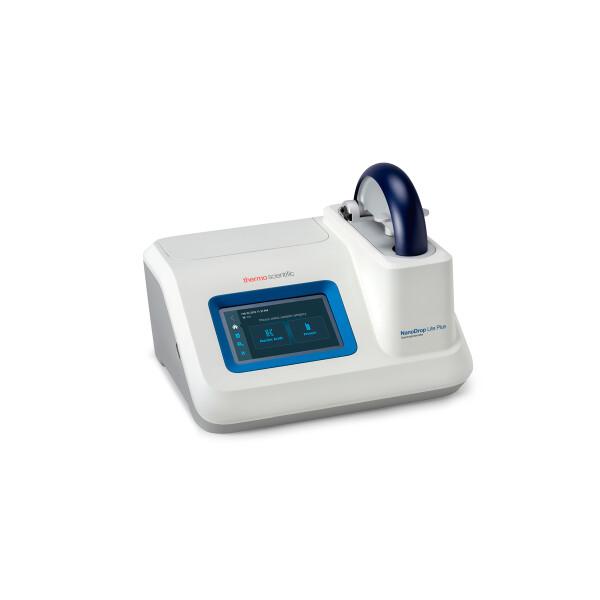
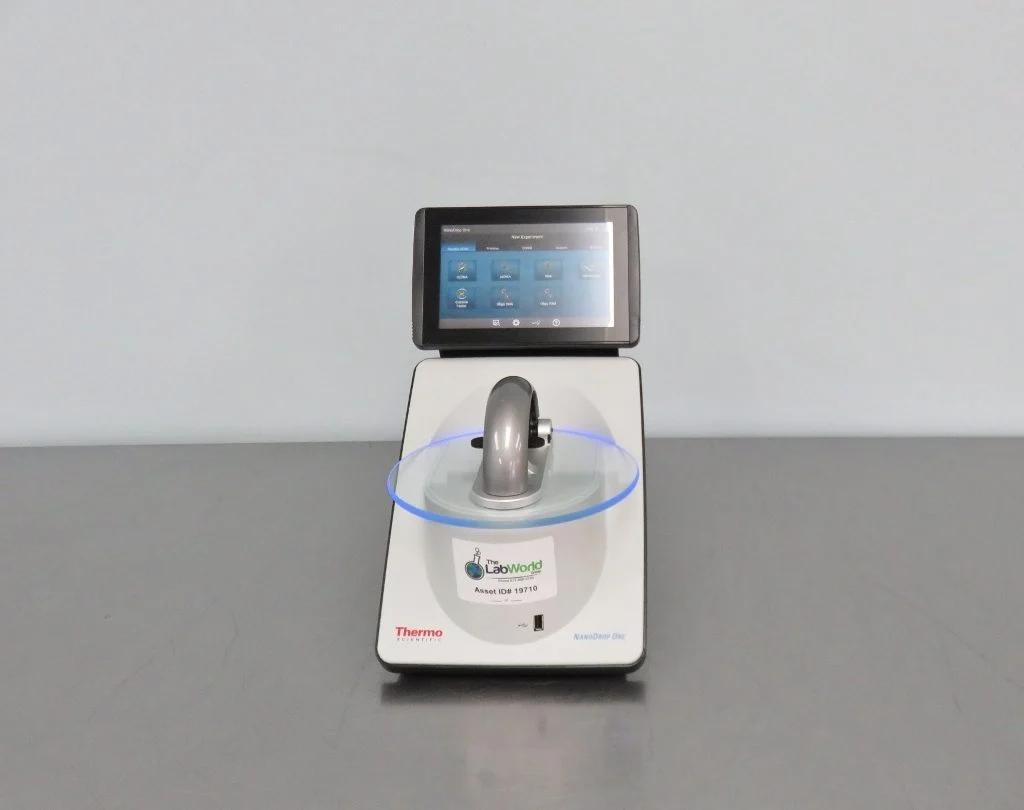
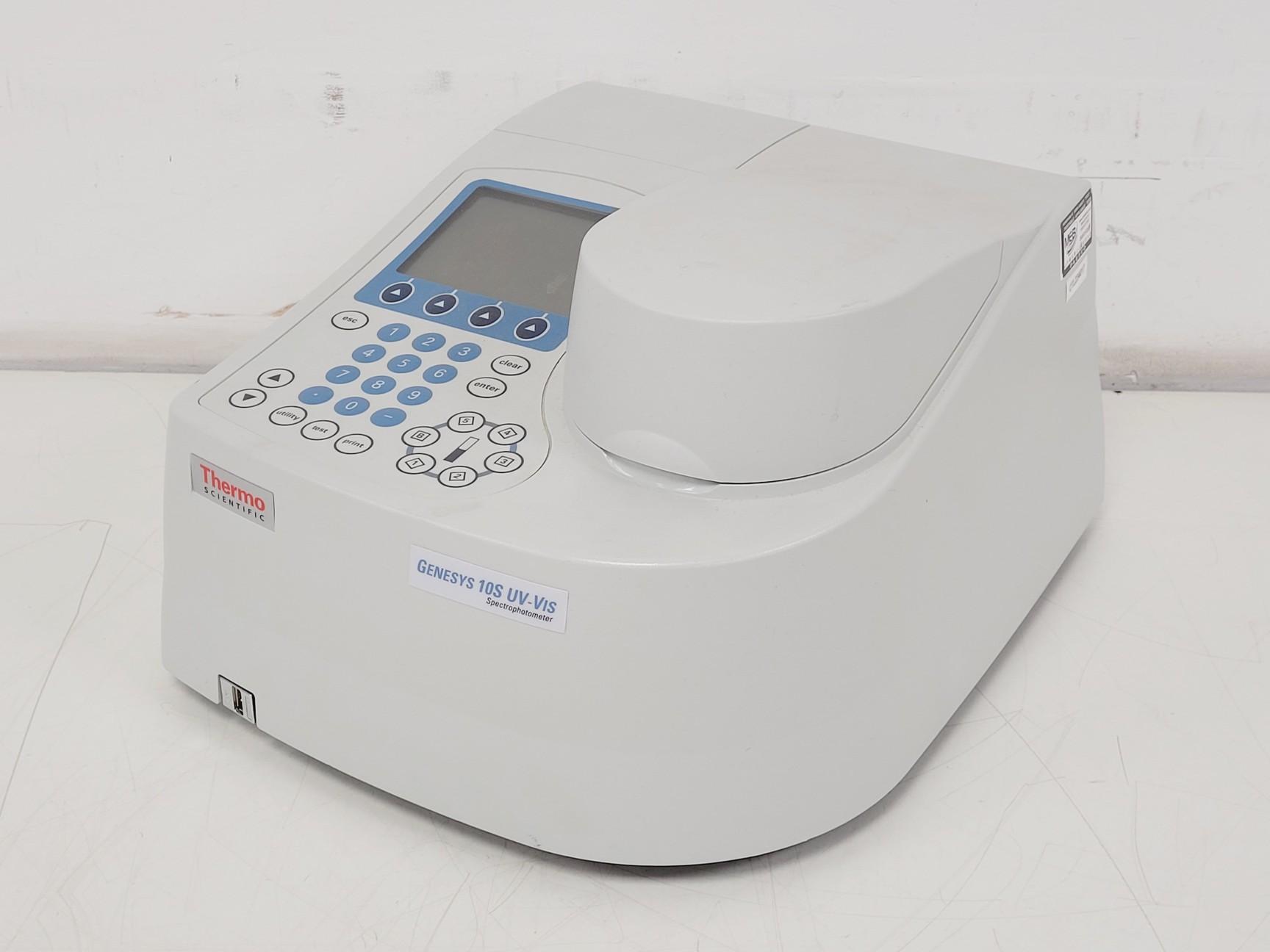
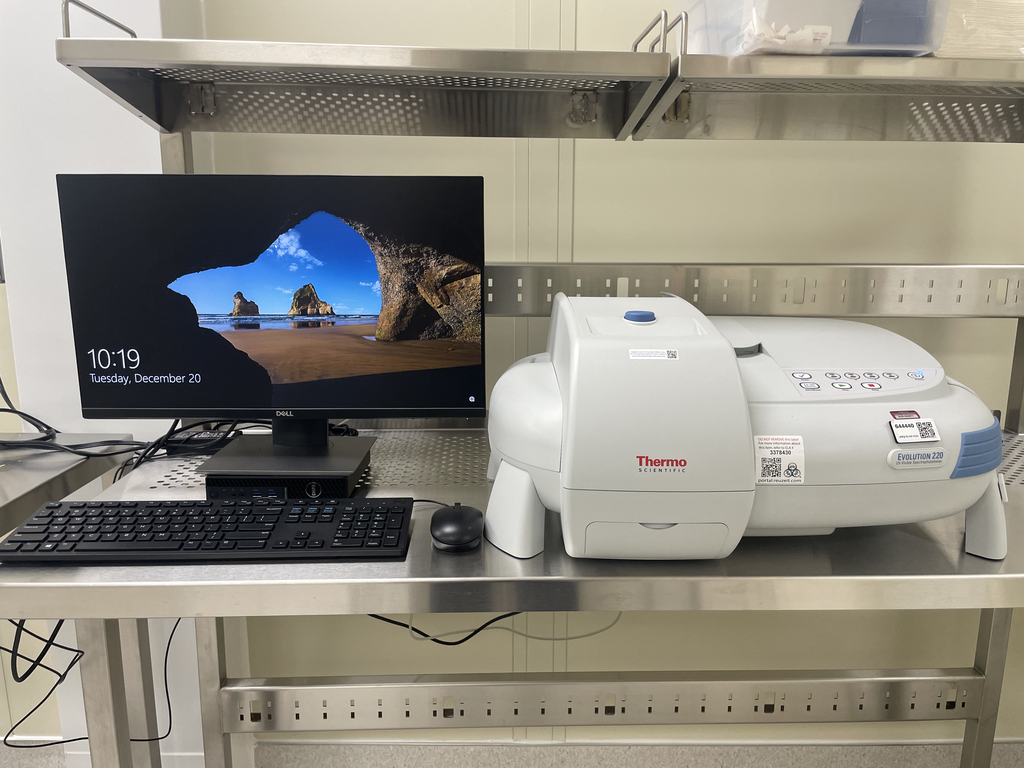
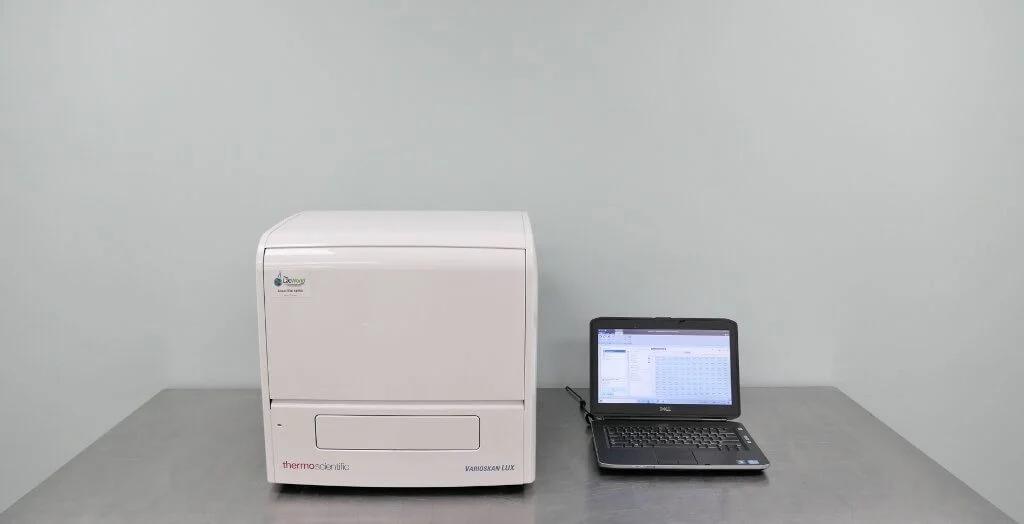
Thermo Fisher NanoDrop Eight Microvolume UV-Vis Spectrophotometer for Molecular Quantification

Price on request

In stock

Can't find what you're looking for?

Contaminant identification
Built-in Acclaro Software algorithms
Detection limits
Up to 10,000 ng/µL dsDNA or 145 mg/mL IgG
Measurement speed
8 samples in ≤ 20 sec
Wavelength range
190–850 nm
LIMS ready
Yes
All 21 specifications
  • Ships to NL
  • Response within 1 hour
  • Warranty available. Buy without worry
  • Support from a scientist

Specifications 21

Brands
Thermo Fisher Scientific
New/Used
Used
Contaminant identification
Built-in Acclaro Software algorithms
Detection limits
Up to 10,000 ng/µL dsDNA or 145 mg/mL IgG
Measurement speed
8 samples in ≤ 20 sec
Wavelength range
190–850 nm
LIMS ready
Yes
Sample volume
1–2 µL
Absorbance accuracy
3% at 0.97 A, 302 nm, 23 ± 2C°
Absorbance range
0.04–200 Abs (10 mm equivalent)
Wavelength accuracy
± 1 nm
Certifications/Compliance
UL/CSA and CE
Detector type
2048-element CMOS linear image sensor
Light source
Xenon flash lamp
Measurement range
8 samples in ≤ 20 sec
Spectral resolution
≤ 1.8 nm (FWHM at Hg 254 nm)
Pathlength
1.0 mm, 0.2 mm, 0.1 mm (automatically adjusting)
Dimensions (L x W x H)
10x13x9”
Power consumption
3W at Idle; 15W at Working Conditions
Weight
3.7 kg (8.2 lb)
Power
100/240 V, 3.5A

Product description

High-throughput microvolume spectrophotometer quantifying dsDNA, RNA, and protein in <20 sec with 190–850 nm range.

The Thermo Fisher NanoDrop Eight Spectrophotometer is a benchtop microvolume UV-Vis spectrophotometer optimized for rapid quantification of nucleic acids and proteins critical in biotechnology workflows such as molecular diagnostics and bioprocessing. Using an advanced 2048-element CMOS linear image sensor and a xenon flash lamp, it provides absorbance measurements across a broad wavelength range of 190 to 850 nm with a wavelength accuracy of ±1 nm and spectral resolution of ≤1.8 nm (FWHM at Hg 254 nm).

Key technical features include:

  • High throughput capability: measures 8 samples in 20 seconds or less, enabling efficient processing of multiple samples, beneficial for biomanufacturing and gene editing labs.
  • Sample volume requirements: minimal at 1–2 µL, preserving valuable or limited biological samples in synthetic biology workflows.
  • Detection limits: sensitive quantification ranges from 2.0 to 10,000 ng/µL for dsDNA and 0.03 to 145 mg/mL for IgG protein, supporting applications in molecular cloning and protein biochemistry.
  • Automated pathlength adjustment: with selectable paths of 1.0 mm, 0.2 mm, and 0.1 mm, ensuring accurate absorbance over a dynamic range of 0.04 to 200 Abs (10 mm equivalent).
  • Built-in Acclaro Software algorithms: enable contaminant identification and correction of quantification results, distinguishing RNA from DNA—critical for RNA integrity assessment in transcriptomics.
  • Compliance options: supports FDA 21 CFR Part 11 electronic recordkeeping, facilitating molecular diagnostics laboratories requiring regulated data management.
  • LIMS integration ready: allowing streamlined data export for laboratory information management, assisting biomedical engineering and clinical research operations.

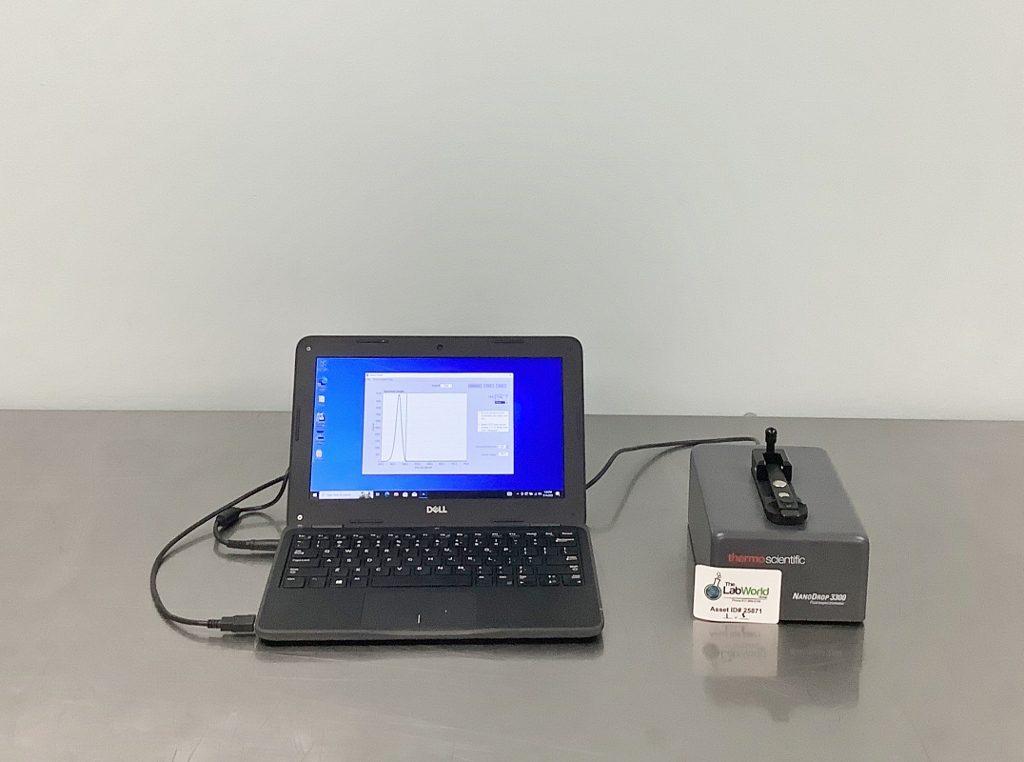
The NanoDrop Eight features ambidextrous pipetting guides for ergonomic sample loading and includes calibration certification, a Windows 10 laptop running proprietary NanoDrop 8 software, and all necessary cables. Dimensions are compact at 10 x 13 x 9 inches, with a weight of 3.7 kg (8.2 lb) and low power consumption, making it suitable for standard laboratory benches.

This spectrophotometer is widely adopted in biotechnology research for precise nucleic acid and protein quantification, essential for molecular cloning workflows, live-cell imaging preparatory steps, and quality control in biopharmaceutical production pipelines. Its rapid throughput and microvolume capability improve laboratory productivity across cell imaging, synthetic biology, and molecular biology disciplines.

Why Questpair exists

Lab equipment markets are fragmented. Buyers spend weeks calling distributors, comparing quotes, and verifying supplier reliability. Sellers struggle to reach global research labs.

We built Questpair to fix this. Every supplier on the platform is verified before listing. Every quote you receive comes from a real, vetted seller. AI prepares your case in minutes, then a real specialist takes over.

We're an independent team based in The Netherlands, working with research labs and procurement teams across Europe and worldwide.

Frequently asked questions

How long does laboratory equipment typically last?

With a service contract, ten to fifteen years is normal for most benchtop instruments. Detectors and pumps are the parts that wear first.

Can I get service for older equipment?

Yes. Every verified supplier states which service partners cover the instrument, and we list that alongside the offer.

Where can I buy parts?

Ask a scientist through the request button. Parts are often available even when the instrument itself is discontinued.

What is the typical lead time for refurbished equipment?

Two to six weeks, depending on refurbishment scope and whether calibration is included.

Does laboratory equipment ship internationally?

We ship to 38 countries. Crating and customs handling are quoted with the instrument.

Reply in one hour

Can't find the exact configuration?

Tell us what you need and a scientist finds it for you, usually within the hour.

Last updated 4 September 2026