
Cell Culture
We personally find you the right new, used and refurbished cell culture instruments & equipment from verified suppliers.
Keeping cells alive outside the body is a continuous problem of control: temperature, gas mix and sterility have to hold for days without a lapse. One contamination event wipes out weeks of growth, so every stage from growing to harvesting to storage is built around keeping the environment closed. The spread here is wide, from a single media bottle to a complete bioreactor, which is why the catalogue runs to 19476 items from 196 verified suppliers and distributors. What follows walks the stages in the order a lab actually runs them, and names the equipment each one leans on, so the point where two steps constrain each other becomes visible rather than hidden across separate category pages.
Updated:
Cell Culture product list


Not the exact instrument you need?
Tell our scientists what you are after. We track it down, including off-market supply.
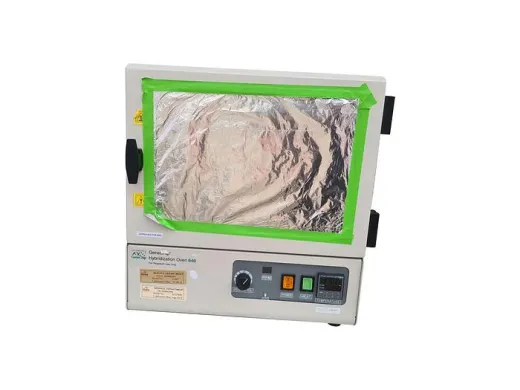
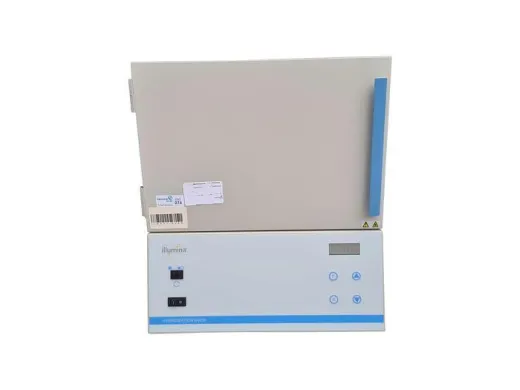
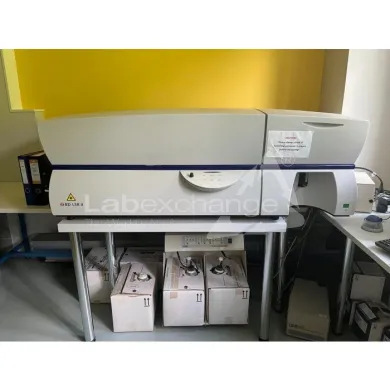
Illumina Boekel 230401 - 21LL Hybridization Oven
- Category
- Furnaces
- Brand
- Illumina
- Suppliers
- 1 verified



Not the exact instrument you need?
Tell our scientists what you are after. We track it down, including off-market supply.
Showing 1–40 of 6,998 listings
Show 40 more listingsBuying guide
Because this spans the whole chain rather than one bench, the price range is far wider than on any single category page. Listings run from EUR 6 to EUR 622.043. The low end is consumables and small handling items, a bottle of media, a basic counter, where a used item costs little and is bought in quantity. The high end is the growing and processing hardware: a carbon dioxide incubator, a refrigerated centrifuge, and above all a fermenter or bioreactor, which is the single most expensive thing in a culture lab and the reason the top figure sits where it does. Cryogenic storage falls in between, closer to the hardware end.
Condition sits heavily toward used. 94 percent of the listings are used. For a hardware item this matters more than for a consumable: an incubator or a centrifuge is a long-lived machine that holds its function well, so a used unit is a routine buy rather than a compromise, and it is listed below the price of a new one. Where a buyer is weighing a used instrument against new, the point to check is the individual listing, since a warranty is arranged there in consultation rather than set across the catalogue.
Equipment is listed by verified suppliers and distributors across 93 countries. Where a unit needs a replacement part, that can be sourced via Questpair.
Types of Cell Culture
Cell culture is not one task but a chain of them, and the equipment it draws on splits across that chain: incubators and media to grow in, safety cabinets and laminar flow hoods to handle in, centrifuges and cell counters to process, and cryogenic storage to hold stocks. The work runs in stages, each with its own constraints, and a decision at one stage limits what the next can do. These are the stages.
Growing the culture
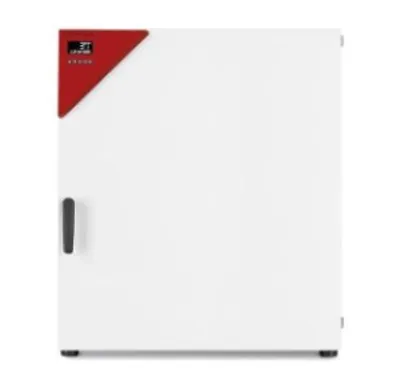
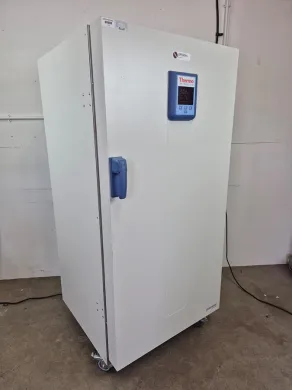
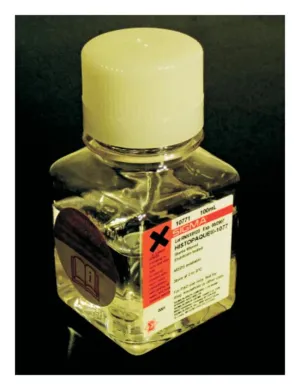
An incubator holds the environment the cells need to divide: body temperature, a controlled carbon dioxide level to buffer the medium, and humidity to stop the plates drying out. A carbon dioxide unit suits mammalian lines, where the gas keeps pH stable; a simpler heated cabinet is enough for work that does not need it. The medium carries the rest, salts, glucose, amino acids and often serum, and it is matched to the cell type rather than chosen freely, so the media and reagents a lab buys follow directly from what it is growing.
Where the work scales past flasks, a fermenter or bioreactor takes over. It does the same job of holding temperature and gas, but with stirring, feeding and monitoring built in, so a culture of litres rather than millilitres stays uniform. The step up is a real one: a bioreactor is a different class of instrument from an incubator, not a larger version of it.
How is sterility kept during handling?
Every time a vessel is opened, it is open to the air, and the air carries contaminants. A biological safety cabinet handles this with a filtered airflow that both protects the culture and, depending on the class, protects the operator from what is inside. A laminar flow hood pushes filtered air across the bench in one direction, keeping the work area clean but offering no operator protection, so the choice between them is a choice about what is being handled, not only about cleanliness. This is the step that constrains the rest: a contamination here is not caught until the culture clouds days later.
Processing and counting
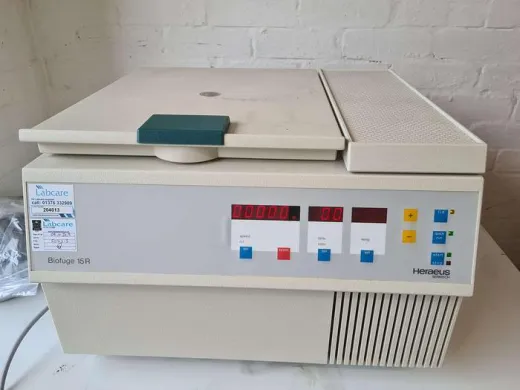
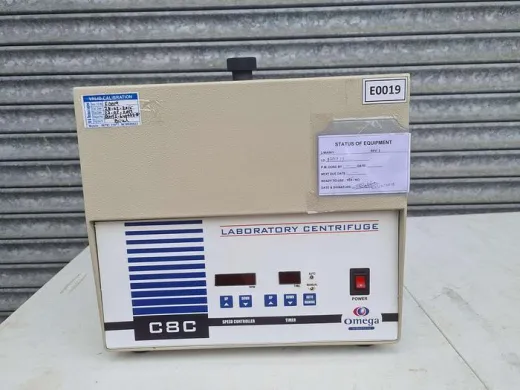
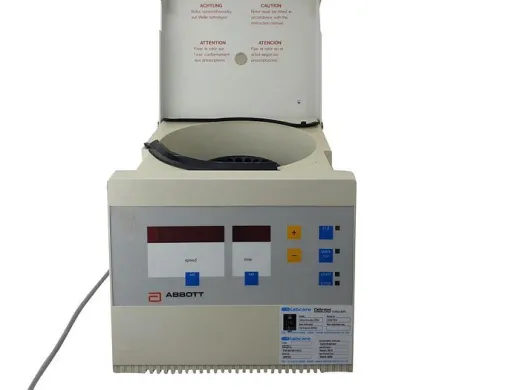
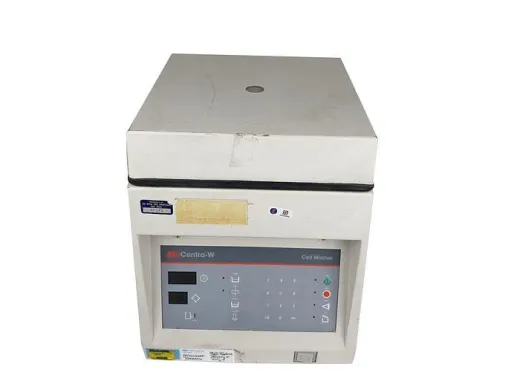
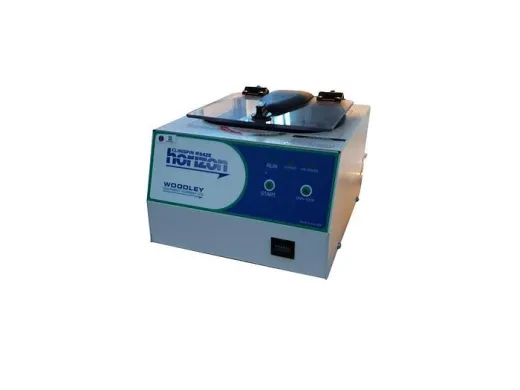
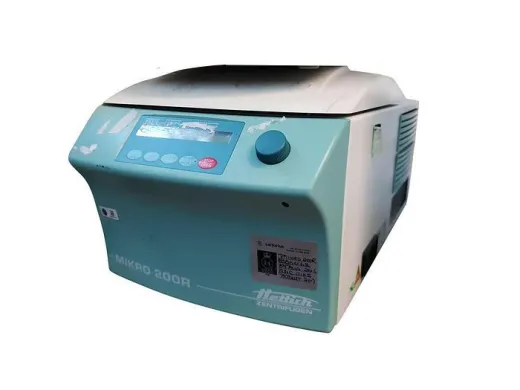
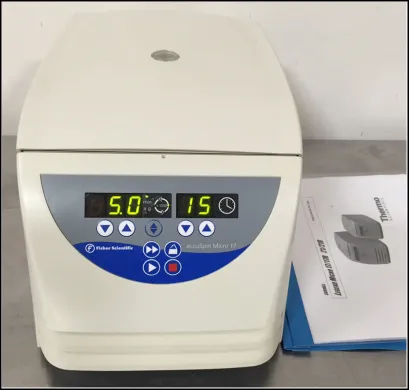
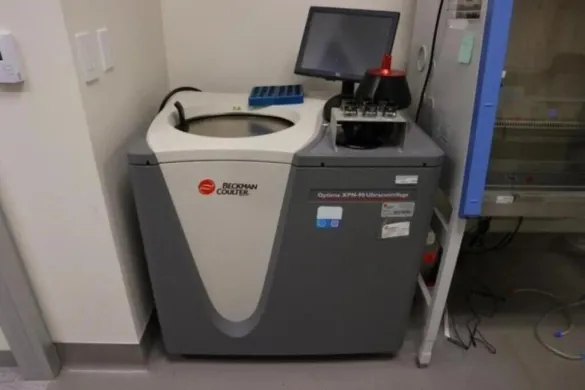
Once cells have grown, they are separated from their medium or concentrated, and that is centrifugation. A benchtop unit spins down tubes of cells gently enough to leave them intact, which is a different setting from the high speeds used to pellet debris. The centrifugation equipment a lab needs here is defined by the volume and the fragility of what it handles.
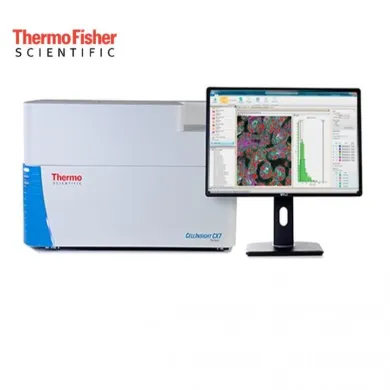
Before and after, the culture is counted. A cell counter reports how many cells are present and, with a stain, how many are alive, which tells the lab whether to split the culture, seed an experiment, or freeze a stock. Counting ties the stages together: it is what tells you a culture is ready to move on.
Storing stocks long term
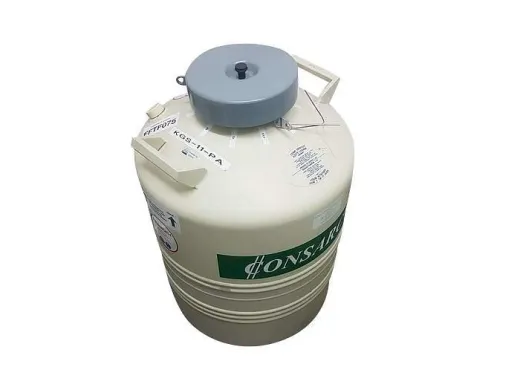
A line worth keeping is frozen. Cryogenic storage holds cells at temperatures low enough to stop all metabolic activity, so a stock sits unchanged for years and a lab is not forced to keep passaging. This is where the chain loops back: a frozen vial is thawed, put into an incubator, and the sequence begins again.
Frequently asked questions
What equipment do you need at minimum to start cell culture?
The irreducible set is an incubator to hold temperature and gas, a cabinet or hood to handle cells without contamination, a centrifuge to separate cells from medium, a cell counter, and the media matched to your line. Everything else, including a bioreactor and cryogenic storage, is added as the work grows or needs long-term stocks.
Which step is the most expensive to set up?
Scaling past flasks into a fermenter or bioreactor is the single largest cost in a culture lab, which is why the top of the price range sits where it does. Below that, a carbon dioxide incubator and a refrigerated centrifuge are the next most expensive pieces of growing and processing hardware.
What can I buy used and what is better bought new?
Incubators, centrifuges and cryogenic storage are long-lived machines that hold their function, so a used unit is a routine buy and is listed below the price of a new one. Media, reagents and stains are consumables with shelf lives and sterility requirements, so those are bought new; used and refurbished hardware are listed at lower prices than new, and warranty is arranged in consultation on the individual listing.
What has to match between the stages?
The medium is matched to the cell type, and a carbon dioxide incubator is needed for mammalian lines where the gas buffers the medium. The centrifuge has to match the volume and fragility of the cells, since a benchtop unit spinning cells gently is a different setting from pelleting debris at high speed, and the cell counter is what signals a culture is ready to move from one stage to the next.
Roughly what does a complete cell culture setup cost?
Across the catalogue, listings run from EUR 6 to EUR 622.043, with consumables and a basic counter at the low end and the growing and processing hardware at the high end. A complete setup depends on whether it stops at flask-scale incubation or includes a bioreactor and cryogenic storage, which pull the total toward the upper figure.
Where does cutting the budget cost you later?
Handling is the stage that constrains the rest: a contamination in the cabinet or hood is not caught until the culture clouds days later, wiping out weeks of growth. Cutting on the cabinet class or on consistent incubator control costs more in lost cultures than the saving on the equipment.
Which equipment is shared with other lab work?
Centrifuges and biological safety cabinets are general bench instruments used well beyond cell culture, so a lab may already have them. Incubators with carbon dioxide control and cryogenic storage are specific to keeping cells alive and are bought for this work rather than shared.
What should I check on a used incubator or centrifuge for this work?
On a used incubator, check that temperature, carbon dioxide control and humidity hold steady, since drift is what invites contamination and uneven growth. On a used centrifuge, confirm the rotor and speed range suit the volume and fragility of your cells; where a replacement part is needed it can be sourced via Questpair, and warranty on any used unit is arranged in consultation for the specific listing.
About Questpair
Questpair is the European marketplace for lab equipment, where AI-prepared cases and personal specialists guide every purchase. We work with 247 verified suppliers across 38 countries to find buyers the right new, used or refurbished instruments, with response within 1 hour and significant savings vs buying new.
Personal · Fast · Reliable · Affordable