

Laminar flow hoods
We personally find you the right used, refurbished and new laminar flow hoods instruments & equipment from verified suppliers.
Laminar flow hoods are enclosed workstations that draw air through a HEPA filter and pass it across the work surface in a smooth, unidirectional stream, protecting the sample or product from airborne contamination. They are used wherever particle-free conditions matter: cell culture, media preparation, electronics assembly and sterile compounding. On Questpair, 97 percent of the listings are used, drawn from a catalogue of 157 laminar flow hoods offered by 12 verified suppliers and distributors across 6 countries. Both new and used or refurbished benches appear, with refurbished units listed at lower prices than new. Prices range from EUR 125 to EUR 12.000.
Updated:
Laminar flow hoods product list
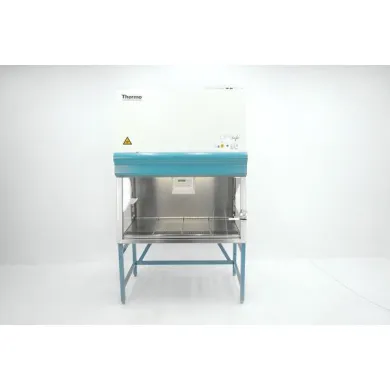
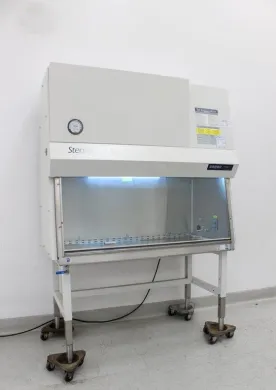
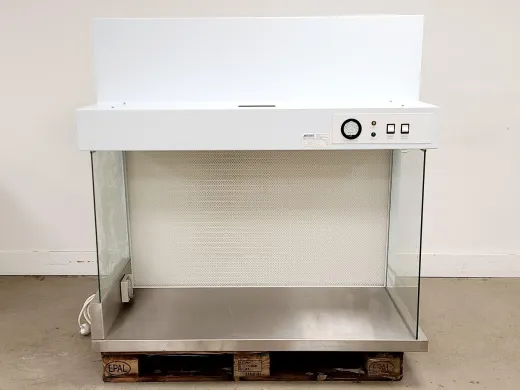


Not the exact instrument you need?
Tell our scientists what you are after. We track it down, including off-market supply.
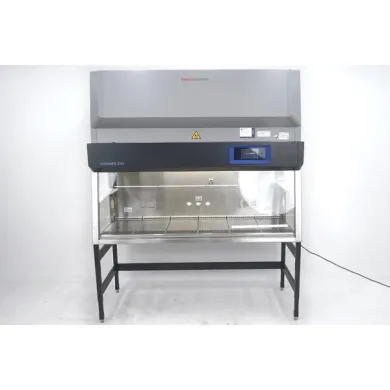
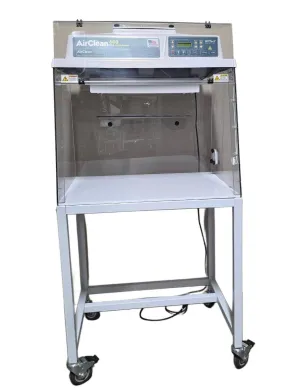
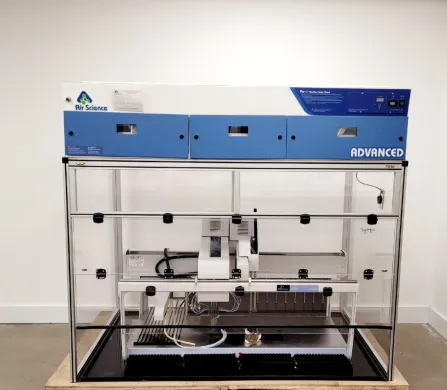
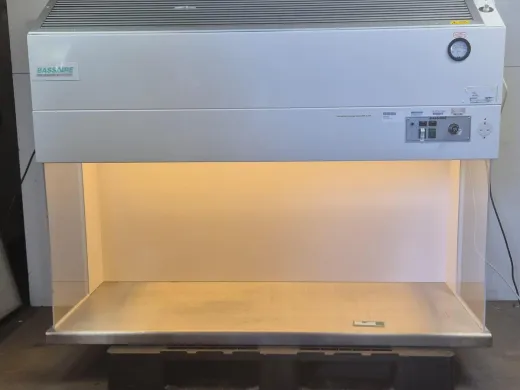
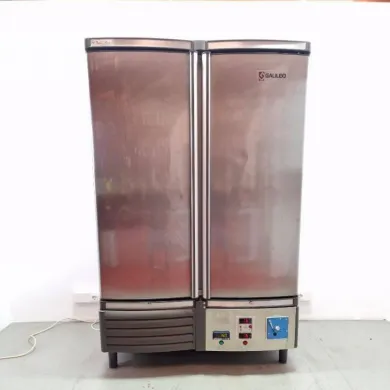
ING Climas RAF 9000C
- Category
- Biological safety cabinets
- Brand
- Ing climas
- Suppliers
- 1 verified
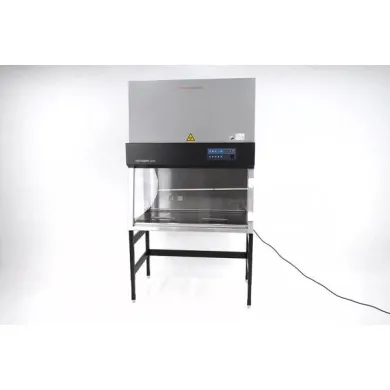
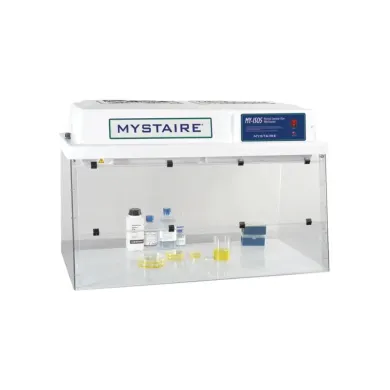
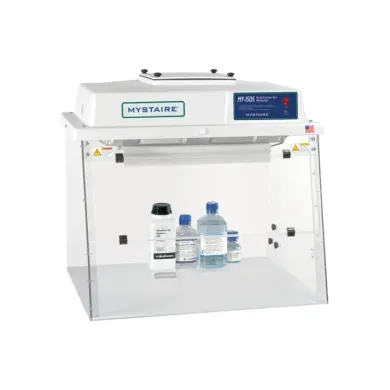
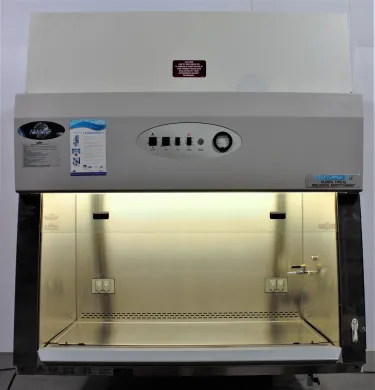
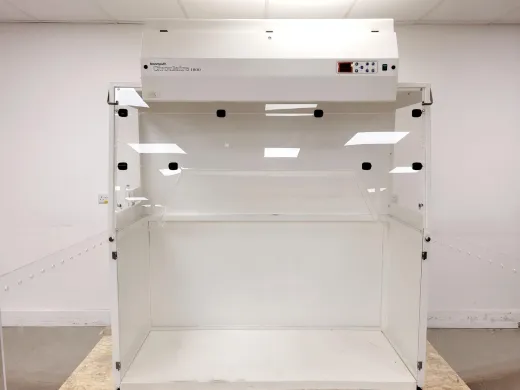
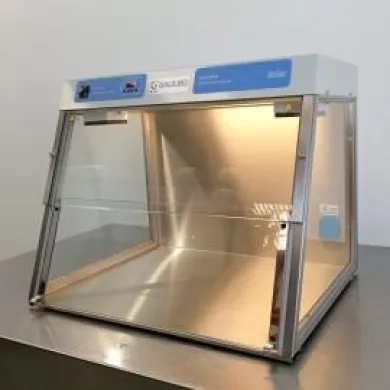
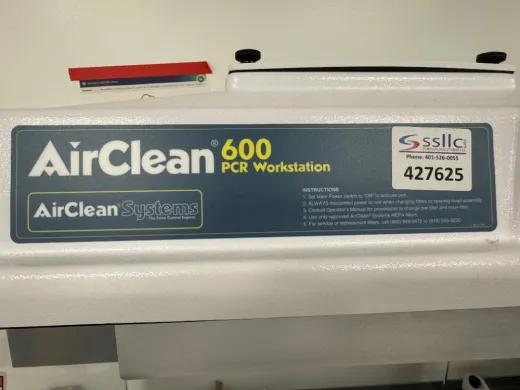
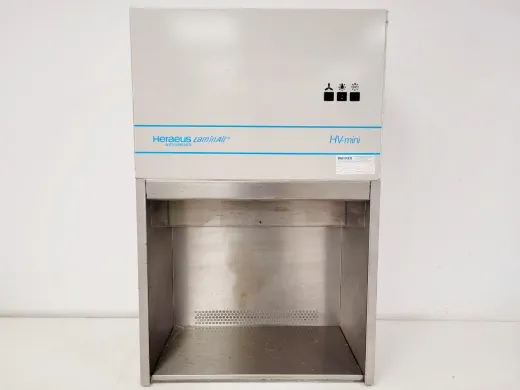
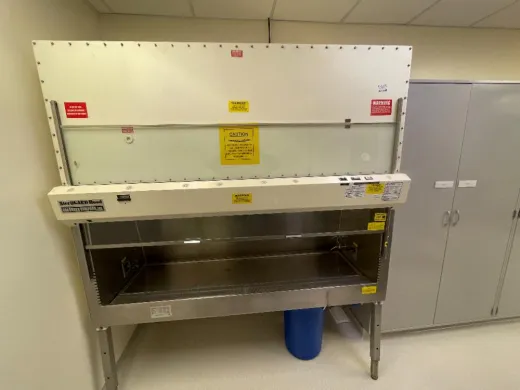
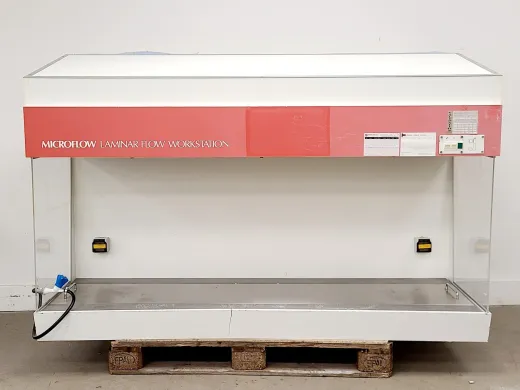

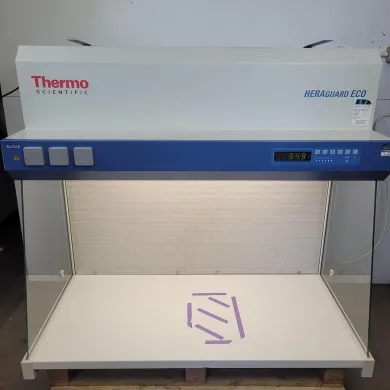
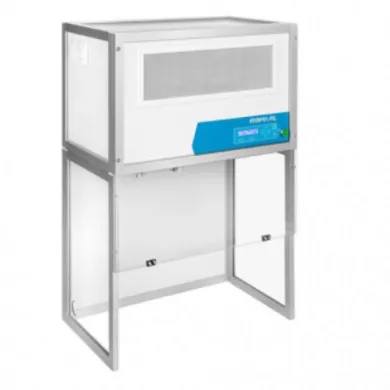
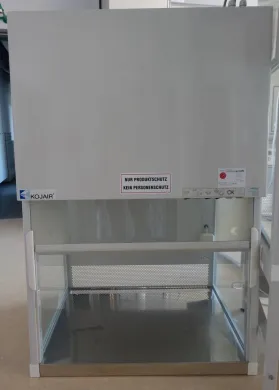
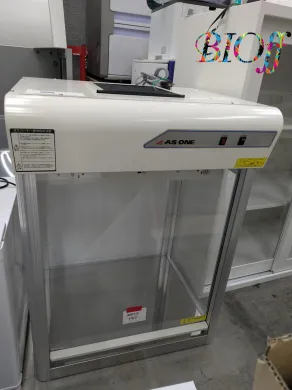
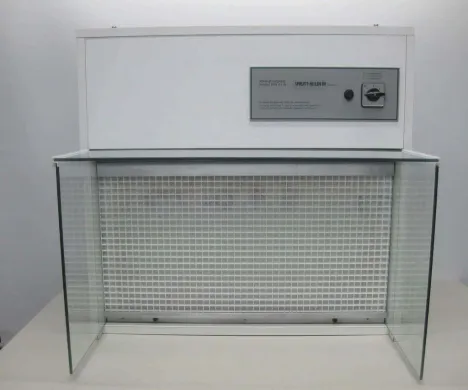
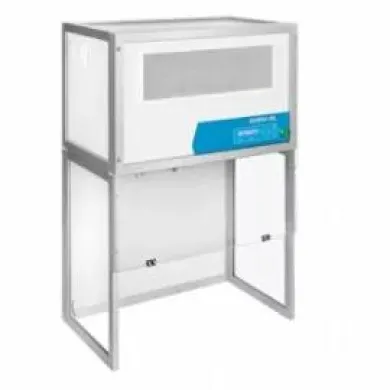
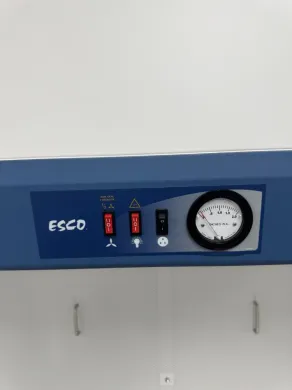
Not the exact instrument you need?
Tell our scientists what you are after. We track it down, including off-market supply.
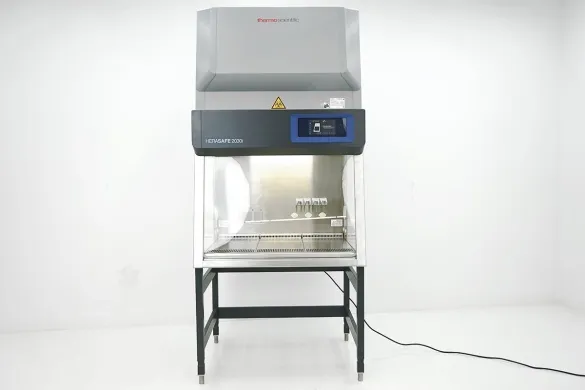
Showing 1–40 of 45 listings
Show 5 more listingsBuying guide
The airflow direction settles the choice before anything else. A horizontal bench pushes filtered air toward the operator, keeping it off the samples but offering the person no protection, which rules it out for anything hazardous. A vertical hood pushes air downward and is the only safe option where an open flame, a biological agent or a toxic powder is in play. Decide which of the two the work requires, because it governs the footprint, the filter layout and roughly half the price.
Work surface width comes next, quoted in feet or in millimetres, and it is worth matching to the actual bench run rather than the largest model available. A four-foot hood suits a single operator and a few plates; a six-foot unit lets two people work side by side but needs the depth of bench and the ceiling clearance to match. The filter face velocity, usually specified around 0.3 to 0.5 metres per second, tells you whether the unit will hold its clean-air classification once it is loaded with equipment.
On a used hood the HEPA filter is the component that decides whether the price is a bargain or a liability. Filters load up and eventually fail, and a replacement is a real cost, so verify the filter's age and the last certification date before committing. Ask whether the unit has been smoke-tested or particle-counted recently, and check that the blower motor runs without bearing noise. A hood that cannot be recertified to its original specification is a cabinet, not a clean workstation.
Price follows directly from size and filtration. Across the catalogue the cost of a laminar flow cabinet runs from EUR 125 to EUR 12.000, with the average near EUR 2.650. The low end covers compact single-person benches and older units due for a filter change; the high end covers wide double-operator cabinets and recently certified instruments. The brands that dominate the listings, Thermo Scientific, Air Science, AirClean Systems, Esco, NuAire, sit across that whole band, so a buyer on a tight budget can usually find a serviceable bench from a recognised maker, and refurbished units listed for sale stay more affordable than new while still meeting the same airflow specification.
Types of Laminar flow hoods
Which laminar flow hood types are listed?
Among the listings that specify a type, the catalogue holds clean benches, laminar flow cabinets, laminar flow hoods, biological safety cabinets, sterile workstations and air filtration systems. The clean bench and the horizontal laminar flow hood protect the product only, directing filtered air across the surface toward the operator, and they are the workhorses of media preparation and plate pouring. The biological safety cabinet is a different class: it recirculates and exhausts air through HEPA filters to protect the operator and the environment as well as the sample, which makes it the one to reach for when a live agent is on the bench. Sterile workstations and air filtration systems sit between these, offering a defined clean zone for assembly, inspection or small-batch filling.
The work these enclosures do in the life sciences is specific. A biological safety cabinet is the standard enclosure for cell culture and for routine microbiology, where an open culture must stay free of contaminants and the worker must stay clear of what is growing. Laminar flow hoods support protein purification and sample preparation, giving a particle-free field for pipetting buffers, pouring gels and loading electrophoresis rigs. In molecular biology and genomics work, a dedicated clean bench is set aside for PCR setup so that amplified product never drifts back into the reagents. Sterile workstations also used for immunoassay plating and for aseptic media filling in small-scale biomanufacturing, where cell culture scale-up and downstream handling both demand a controlled clean zone.
The brands behind the laminar flow hood listings
The names that recur across the catalogue are Thermo Scientific, Air Science, AirClean Systems, Esco, NuAire. Their presence matters to a buyer for three practical reasons. Replacement HEPA filters and blower parts for these makers are widely stocked, so a used unit can be recertified without a custom fabrication; parts can be sourced via Questpair. Because the same model numbers appear repeatedly, airflow specifications and cabinet dimensions can be compared like for like rather than guessed at. And the spread of makers across the price band means a given budget usually reaches more than one recognised brand.
What a used laminar flow cabinet costs here
Condition is heavily weighted toward used stock: 97 percent of the listings are used. Prices range from EUR 125 to EUR 12.000, with the average near EUR 2.650. That spread covers the gap between a compact older bench needing a filter change and a wide, recently certified cabinet. Used and refurbished units are listed below the price of new, and the figure a buyer should weigh alongside the sticker price is the cost and timing of the next filter and certification.
Frequently asked questions
What is a laminar flow hood?
A laminar flow hood is an enclosed workstation that pulls air through a HEPA filter and passes it over the work surface in a steady, one-directional stream. That filtered flow holds a particle-free zone over samples, protecting cultures, electronics or sterile media from airborne contamination.
What does laminar flow actually mean?
Laminar flow means the air moves in parallel layers at a constant speed, without the turbulence that stirs up and redeposits particles. In a hood, that controlled stream carries contamination away from the work zone rather than mixing it back in.
How does a laminar flow hood work?
A blower draws room air through a pre-filter and then a HEPA filter, which removes particles down to a defined size, and pushes the cleaned air across the work surface at a set face velocity. The direction of that air, horizontal or vertical, determines whether the cabinet protects only the product or the operator as well.
What types of laminar flow hoods are listed here?
The catalogue covers clean benches, laminar flow cabinets, laminar flow hoods, biological safety cabinets, sterile workstations and air filtration systems. Clean benches and laminar flow cabinets are open-fronted and protect the product, biological safety cabinets also protect the operator, and sterile workstations and air filtration systems are the smaller benchtop HEPA or ULPA units.
What is a laminar flow hood used for?
They are used wherever work has to stay sterile without chemical sterilisation: cell culture, sterile pipetting, media preparation, plating, aseptic assembly in bioprocessing and electronics work that cannot tolerate particles. A clean bench suits non-hazardous sterile work, while a biological safety cabinet is used when the agent handled is viable and the operator needs shielding.
How do I choose the right laminar flow hood?
Decide first on airflow direction, because it sets what the cabinet protects: horizontal flow pushes clean air toward the operator and suits only non-hazardous work, vertical flow sends air down and is the starting point when the operator also needs shielding. Then match the working width to how many people and how much apparatus the opening must hold, and check the filter age and blower condition before anything else.
What is the difference between refurbished and used hoods?
A used hood is sold in its existing condition, while a refurbished unit has been reconditioned before listing. For either, the question that matters is whether the airflow can be verified, so ask for a recent filter change date and an airflow validation report regardless of the label.
How much does a laminar flow hood cost?
Listed prices range from EUR 125 to EUR 12.000, with an average of EUR 2.650. The low end covers compact single-operator clean benches and the upper figures reach large double-width cabinets with integrated blowers and newer filtration.
Which brands come up most in this category?
The names that recur are Thermo Scientific, Air Science, AirClean Systems, Esco and NuAire. Because these makers appear repeatedly, a given model often shows up more than once across suppliers, which makes it easier to compare condition and filter age between listings.
Can I get a warranty on a refurbished hood?
A warranty is often possible and is arranged in consultation for the specific listing. The terms depend on the individual unit rather than being set the same way across the catalogue.
Are replacement parts available for these hoods?
Filters, blowers and UV lamps for the common configurations can be sourced via Questpair. A concentrated field of brands helps here, since parts for widely sold models are more straightforward to find.
How long does a laminar flow hood last?
The cabinet structure and blower can run for many years if maintained, and the HEPA filter is the consumable that determines usable life between replacements. A filter near the end of its service life and a blower that no longer holds face velocity are the two things that end a hood's working condition, and both are serviceable items rather than fixed limits.
Should I buy new or refurbished?
Used and refurbished hoods are listed at lower prices than new units, and the catalogue is weighted toward pre-owned equipment, so a working cabinet stays within a modest budget. Where you have to weigh the two, check the individual listing for condition and filter history, and note that warranty is arranged in consultation rather than assumed.
Where can I buy a laminar flow hood?
They are listed on Questpair across 12 verified suppliers and distributors in 6 countries, with 157 currently in the catalogue. The same model often appears from more than one supplier, which lets you set one listing against another on condition and filter age.
What is the lead time and shipping like?
Lead time and shipping depend on the individual listing and the supplier holding it, since the catalogue spans suppliers in 6 countries. The specifics for a given unit are best confirmed against that listing before purchase.
What calibration and maintenance does a laminar flow hood need?
A hood needs periodic airflow validation to confirm face velocity, filter changes when the HEPA element nears its service limit, and checks on the UV lamp and lighting. Relocation disturbs the airflow balance, so budget for a revalidation after installation whatever the listing states.
Which hood types are listed most, and who uses each?
Clean benches and laminar flow cabinets are the open-fronted product-protection units a histology or media-prep lab reaches for, and they carry cell culture, sterile pipetting and the aseptic steps that protein purification and molecular biology depend on. Biological safety cabinets are the operator-protecting class that anchors microbiology benches and the culture steps feeding genomics and proteomics work, while sterile workstations and air filtration systems serve smaller benchtop needs.
Which brands dominate this category, and what does that mean for me as a buyer?
Thermo Scientific, Air Science, AirClean Systems, Esco and NuAire are the names that recur. A concentrated field means filters, blowers and UV lamps for the common configurations are easier to source, and a model with many siblings on the market is simpler to price and compare against its peers.
What separates the cheapest hoods here from the most expensive?
The low end of the band is compact single-operator clean benches, and the upper figures are large double-width cabinets with integrated blowers and newer filtration. Beyond size, filter age and airflow direction drive the difference: a vertical-flow operator-protecting cabinet with a recently certified filter sits well above a small horizontal clean bench with an older filter.