

Cleanroom enclosures
We personally find you the right used, refurbished and new cleanroom enclosures instruments & equipment from verified suppliers.
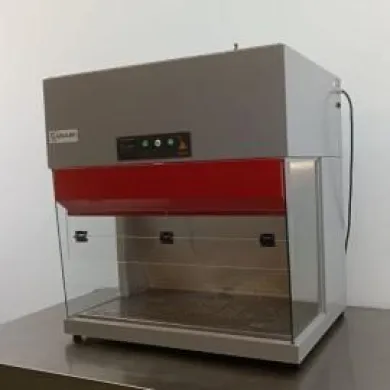
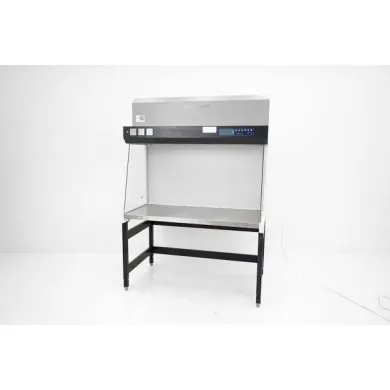
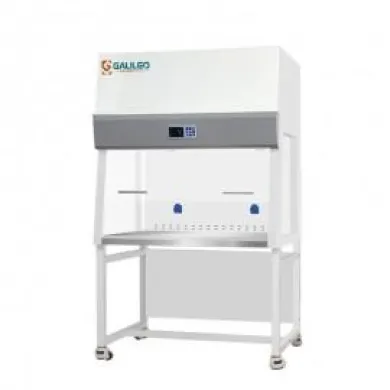
Cleanroom enclosures are contained workspaces that control airborne particles and protect either the sample, the operator, or both, by filtering the air that passes through them. On Questpair, 762 laboratory cleanroom enclosures are listed from 15 verified suppliers and distributors across 8 countries, in new, used and refurbished condition. 98 percent of the listings are used. The category spans biosafety cabinets, laminar flow hoods and open clean benches, which differ mainly in whether exhaust air is filtered before it leaves the unit. Prices run from EUR 9 to EUR 171.102, a spread that reflects everything from replacement parts to full class II cabinets.
Updated:
Cleanroom enclosures product list
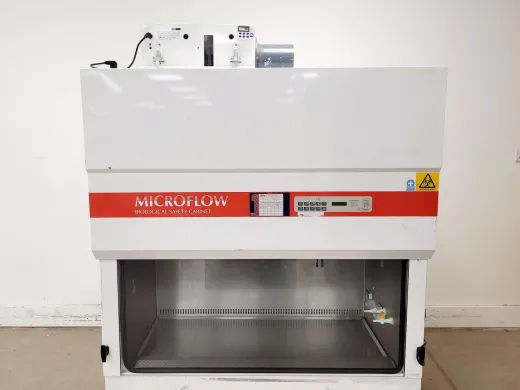


Not the exact instrument you need?
Tell our scientists what you are after. We track it down, including off-market supply.
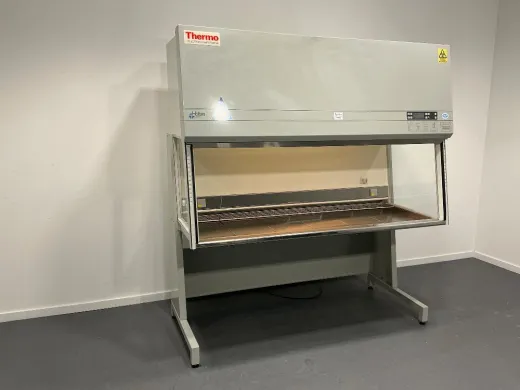
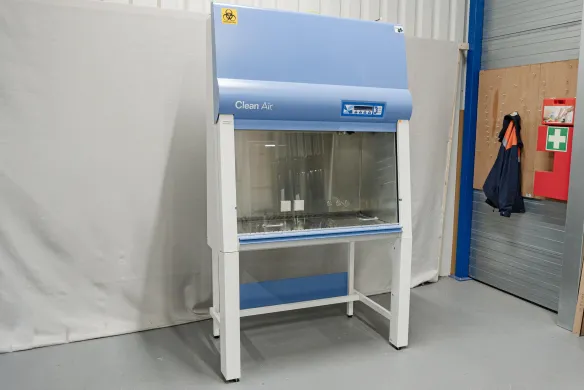
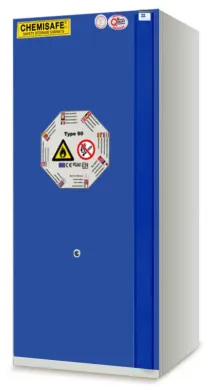
Not the exact instrument you need?
Tell our scientists what you are after. We track it down, including off-market supply.
Showing 1–40 of 219 listings
Show 40 more listingsBuying guide
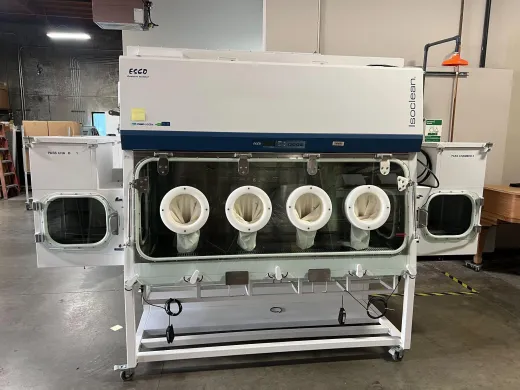
What settles the choice in this category is containment class, because it decides what the enclosure is allowed to protect and therefore what work it can legally carry. A clean bench moves filtered air across the work surface toward the operator: it protects the sample from contamination and nothing else. A biosafety cabinet filters the exhaust as well, so it protects the operator and the surroundings from the sample, which is why any work with infectious agents or cell lines of unknown status needs a class II cabinet rather than a laminar flow hood. Reading the model name is not enough here. A unit labelled "laminar flow hood" and a unit labelled "class II biosafety cabinet" look similar from across a room and do entirely different jobs, and buying the first for work that needs the second is the most expensive mistake in the category.
What to verify on a used cabinet
A cleanroom enclosure is only as good as its HEPA filter and the airflow through it, and both degrade with use. On a second-hand cabinet the filter age is the figure that matters, and it is rarely in the listing, so ask. A cabinet that has run for years in a busy lab may need a new filter before it certifies, and that cost belongs in the purchase decision, not after it. Certification itself is the other point to confirm: a biosafety cabinet must pass an airflow and containment test, usually to the NSF/ANSI 49 standard, before it can be put back into service, and a used unit sold uncertified is sold on the understanding that the buyer arranges that test. Check the sash mechanism, the alarm, and whether the UV lamp and interior lighting still work, since those are the parts that wear.
Where the price lands follows directly from class and size. At the low end sit replacement parts, bench-scale clean benches and small laminar flow hoods, which is what a modest budget buys; full-width class II biosafety cabinets from the established makers sit well above that. Across the catalogue prices run from EUR 9 to EUR 171.102, with an average around EUR 3.624. Used and refurbished units listed for sale are more affordable than the equivalent new cabinet, and at this volume of listings there is usually more than one of a given model to compare, which is what makes a cost comparison meaningful rather than theoretical. The brands that dominate the listings, named below, also set the price anchors, because a used Thermo or Labconco cabinet trades against a known new price.
Types of Cleanroom enclosures
The listings group into three working families, separated by one question: what the filtered air protects. That distinction, not the brand badge, is what a buyer has to get right first.
Which cleanroom enclosure types are listed here?
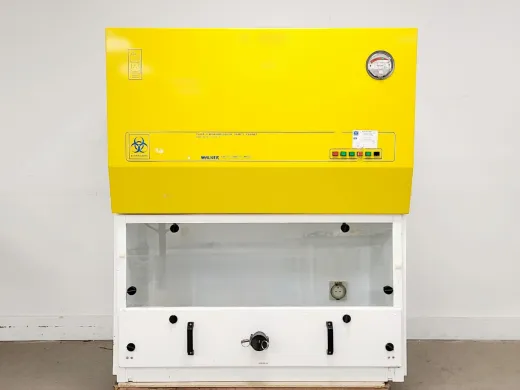
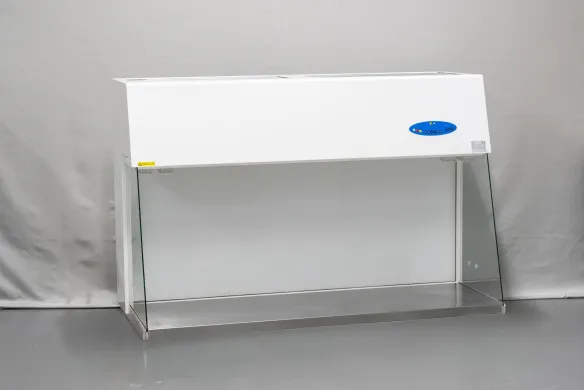
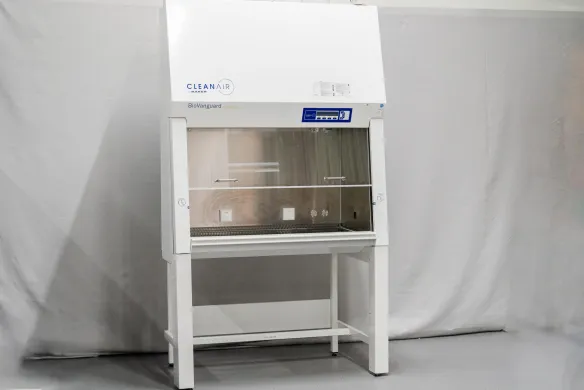
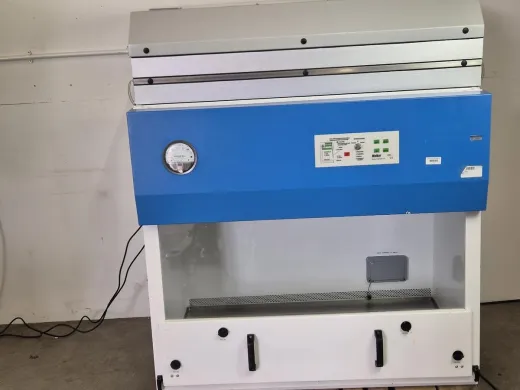
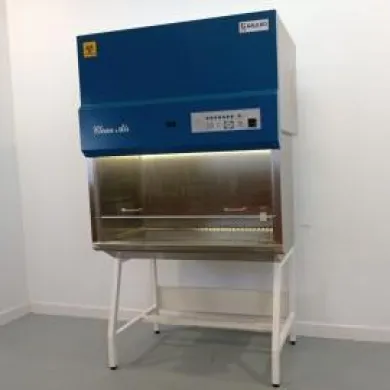
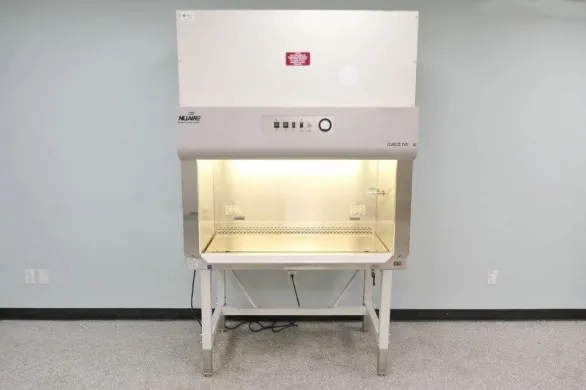
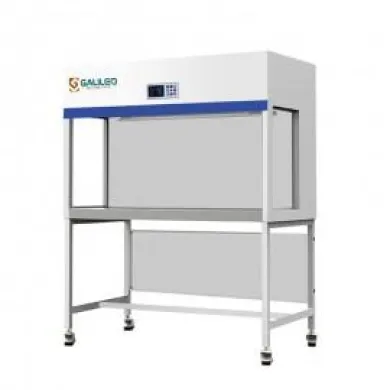
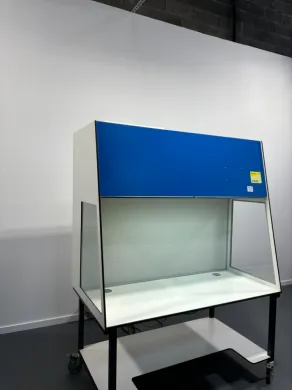
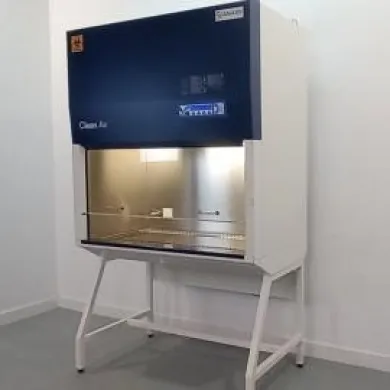
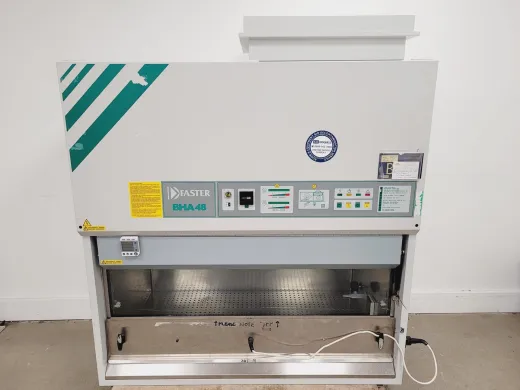
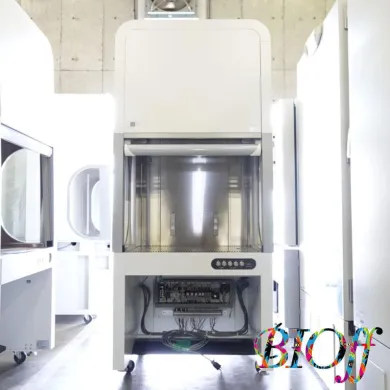
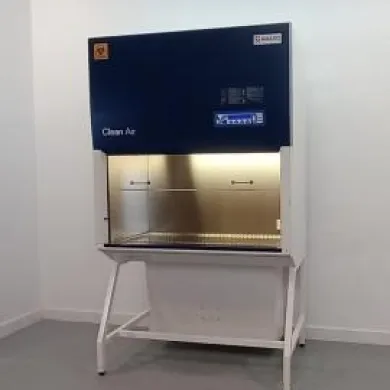
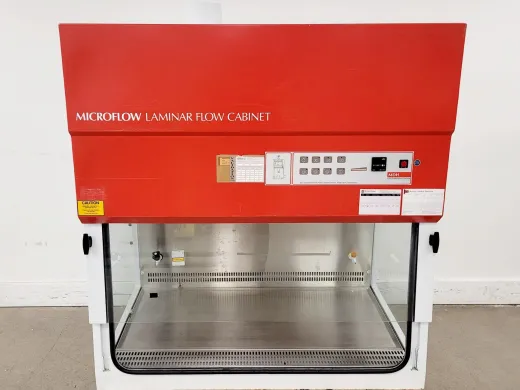
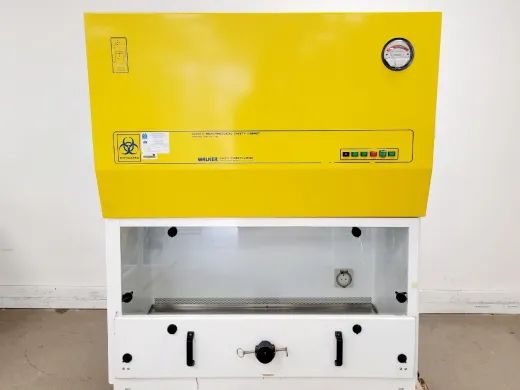
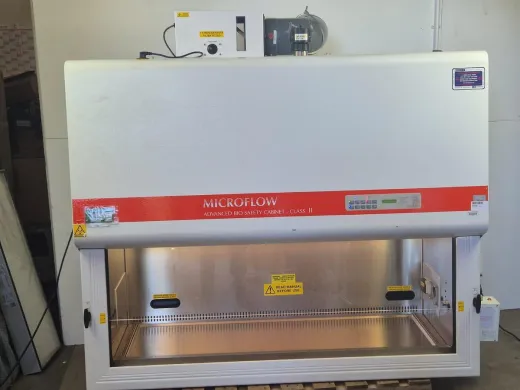
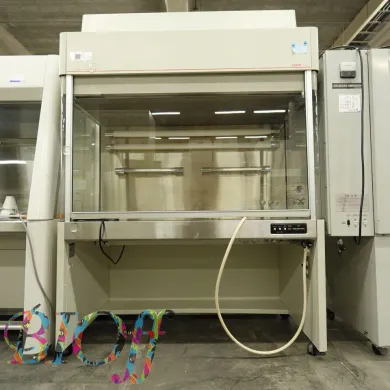
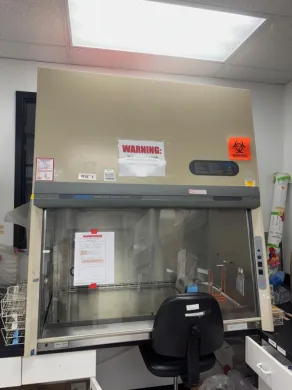
Among the listings that specify a type, the biosafety cabinet is the most common, and most of those are class II units, also described as biological safety cabinets or microbiological safety cabinets depending on the maker. A class II cabinet filters both the inflow and the exhaust, so it protects the sample, the operator and the room at once, and it is the workhorse of any lab handling cell culture, microbiology or molecular diagnostics on agents that carry risk. The laminar flow hood, also called a clean bench, is the second family: it pushes HEPA-filtered air across the work surface to keep the sample clean but does not filter the exhaust, so it protects the product and not the person. These suit media preparation, electronics assembly and any aseptic work on non-hazardous material. The practical rule that separates them is simple and worth repeating: if the sample could harm the operator, it needs a biosafety cabinet, not a laminar flow hood.
In life sciences these enclosures are where the hands-on work actually happens. A class II cabinet is the standard station for cell culture and for sterile handling in protein purification, and it is also used for setting up PCR and other molecular biology reactions where a stray contaminant ruins a run. Laboratories doing microbiology, genomics and proteomics sample prep rely on the same cabinets to keep both the worker and the sample safe, and a laminar flow hood is also used for clean plating and for building sterile assemblies in cell imaging and immunoassay workflows. A buyer searching for a biosafety cabinet for cell culture, or a laminar flow hood for sterile sample preparation, is describing exactly these two families and the work they do.
The brands behind the cleanroom enclosure listings
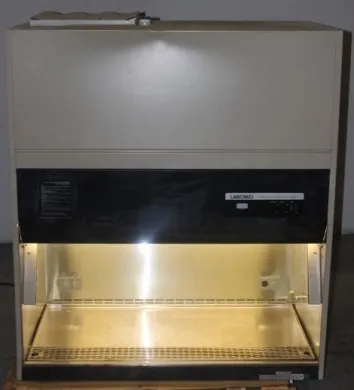
The names that recur most are Thermo Fisher Scientific, Thermo Scientific, Thermo, Labconco, Baker. For a buyer that concentration is useful rather than limiting. Where one or two makers dominate a category, replacement HEPA filters, sashes and blower parts are easier to source, and a given model is easier to compare across several listings because more than one of it tends to be on the market. Parts for these cabinets can be sourced via Questpair. The established makers also sit at the upper end of the price band, so a used unit from one of them trades against a known new figure, which is what makes a condition-based price comparison possible at all.
What a used cleanroom enclosure costs here
The condition mix is heavily weighted toward pre-owned equipment: 98 percent of the listings are used. Prices range from EUR 9 to EUR 171.102. That spread runs from bare replacement parts and small clean benches at the bottom to full class II cabinets from the leading makers at the top, with the average near EUR 3.624. A warranty is possible on individual listings and is arranged in consultation for the specific unit.
Frequently asked questions
What is a cleanroom enclosure?
A cleanroom enclosure is a contained workspace that controls airborne particles by filtering the air passing through it, protecting the sample, the operator, or both. The category covers biosafety cabinets, laminar flow hoods and open clean benches.
What does 'cleanroom enclosure' mean?
The term refers to any filtered workspace designed to keep particle counts low within the working area, rather than a whole room. In this category it spans three families that differ by whether the exhaust air is filtered before it leaves the unit.
How do cleanroom enclosures work?
A fan draws air through a HEPA filter and directs clean air across the work surface. In a biosafety cabinet the exhaust is also filtered, so particles from the sample do not reach the room; in a laminar flow hood the exhaust is unfiltered and the airflow protects the sample only.
What types of cleanroom enclosures are there?
Three working families: biosafety cabinets (often class II, also called biological or microbiological safety cabinets), laminar flow hoods, and open clean benches. The dividing line is what the filtered air protects, the sample, the operator, or both.
What are cleanroom enclosures used for?
They host cell culture, sterile handling, PCR and other molecular biology setups, microbiology, and aseptic sample prep for genomics and proteomics. Laminar flow hoods are also used for clean plating, media preparation and building sterile assemblies on non-hazardous material.
How do I choose the right cleanroom enclosure?
Start with containment class, because it decides what the unit is allowed to protect. If the sample could harm the operator, it needs a biosafety cabinet; if you only need to keep the sample clean and the material is non-hazardous, a laminar flow hood fits. Reading the model name alone is not enough, since the two look similar but do different jobs.
What is the difference between refurbished and used cleanroom enclosures?
A used unit is sold in its current working state, while a refurbished unit has been reconditioned before resale. On either, confirm the HEPA filter age and whether the cabinet carries current certification, since those determine whether it can go straight back into service.
How much does a cleanroom enclosure cost?
Listings range from EUR 9 to EUR 171.102, with the average near EUR 3.624. The low end covers replacement parts and small clean benches; full-width class II cabinets from the established makers sit at the top.
Which brands make cleanroom enclosures?
The names that recur most in the listings are Thermo Fisher Scientific, Thermo Scientific, Thermo, Labconco and Baker. Because a few makers dominate, replacement HEPA filters, sashes and blower parts are easier to source and a given model is easier to compare across listings.
Can I get a warranty on a refurbished cleanroom enclosure?
A warranty is often possible and is arranged in consultation for the specific listing. Check what the individual seller offers before purchase.
Are replacement parts available for these cabinets?
Parts such as HEPA filters, sashes and blower components can be sourced via Questpair. Filter availability is one reason the concentration of common brands in this category works in a buyer's favour.
How long does a cleanroom enclosure last?
The cabinet structure and blower can run for many years, but the HEPA filter degrades with use and is the part that governs performance. A unit that has run for years in a busy lab may need a new filter before it certifies, so filter age matters more than the cabinet's calendar age.
New versus refurbished: which should I buy?
Used and refurbished units are listed at lower prices than new. Where you have to weigh the two, look at the individual listing for condition, filter age and certification status, and note that warranty is arranged in consultation rather than set centrally.
Where can I buy a cleanroom enclosure?
Questpair lists 762 cleanroom enclosures from 15 verified suppliers and distributors across 8 countries, in new, used and refurbished condition.
What are the lead time and shipping like?
Lead time and shipping depend on the individual listing, its location and the supplier. For a specific unit you can contact Questpair, where specialists respond within one hour.
Does a used biosafety cabinet need recertification?
Yes. A biosafety cabinet must pass an airflow and containment test, usually to the NSF/ANSI 49 standard, before it goes back into service. A used unit sold uncertified is sold on the understanding that the buyer arranges that test, so budget the cost into the purchase.
Which cleanroom enclosure types are listed most, and who buys which?
Among listings that specify a type, the biosafety cabinet is the most common, and most of those are class II units. Labs handling cell culture, microbiology or molecular diagnostics on risk-carrying agents reach for class II cabinets, while those doing media prep, aseptic plating or electronics assembly on non-hazardous material use laminar flow hoods or clean benches.
Which brands dominate this category, and what does that mean for a buyer?
Thermo Fisher Scientific, Thermo Scientific, Thermo, Labconco and Baker recur most across the listings. That concentration means filters and wear parts are easier to source, and a used unit from one of these makers trades against a known new price, which makes a condition-based comparison possible.
What separates the cheapest listings from the most expensive?
Class and size drive the spread. At the low end sit replacement parts, bench-scale clean benches and small laminar flow hoods; full-width class II biosafety cabinets from the established makers sit well above that, which is why prices run from EUR 9 to EUR 171.102.