

Scales
We personally find you the right used, refurbished and new scales instruments & equipment from verified suppliers.
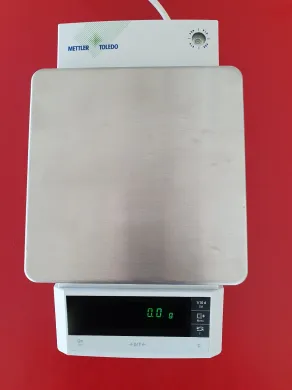
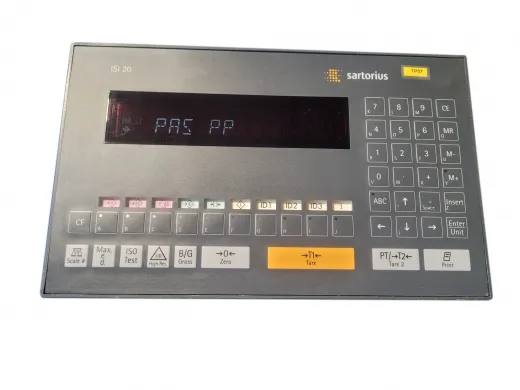
Scales are instruments that measure the mass or weight of an object, and in a laboratory and industrial setting they span a wide range of capacities, from a few grams to several tonnes. Across the Questpair catalogue, 3977 scales are listed from 19 verified suppliers and distributors in 13 countries. Of these, 48 percent of the listings are used, with the remainder sold new. New, used and refurbished units appear side by side, and prices run from EUR 9 to EUR 156.663. The category covers platform and industrial models for heavy loads as well as specialised weighing instruments built for a single defined task.
Updated:
Scales product list


Not the exact instrument you need?
Tell our scientists what you are after. We track it down, including off-market supply.
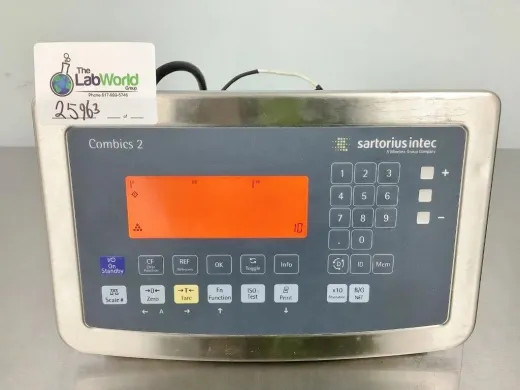
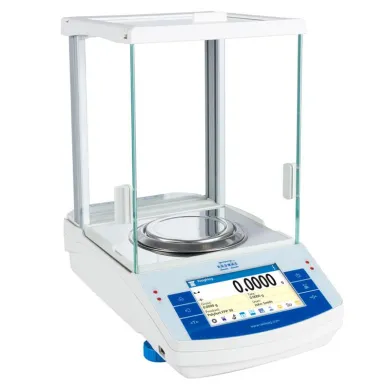
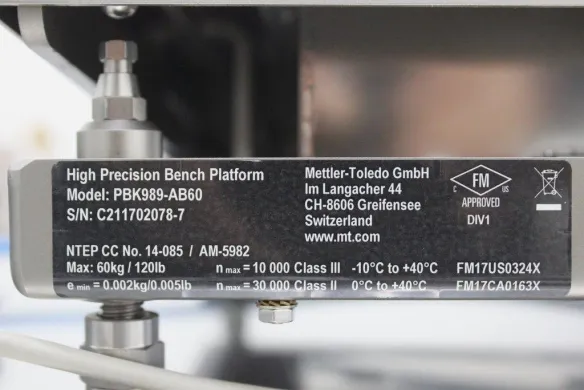
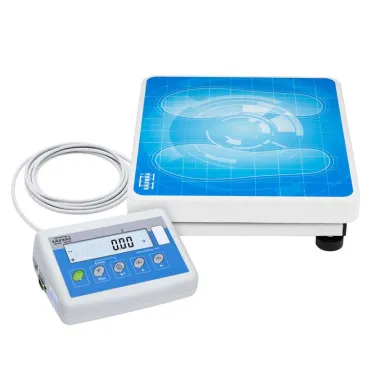
Not the exact instrument you need?
Tell our scientists what you are after. We track it down, including off-market supply.
Showing 1–40 of 2,932 listings
Show 40 more listingsBuying guide
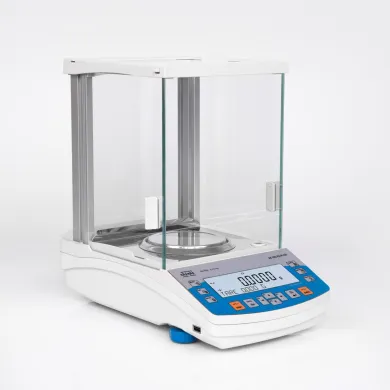
For most of the weighing instruments in this category, the figure that settles the purchase is capacity paired with readability. A scale that reads to a single gram over a 300 kg range is a different instrument from one that reads to a tenth of a gram over 6 kg, and no feature makes up for the wrong pairing. Work out the heaviest load you expect to weigh, then the smallest difference you need to resolve, and let those two numbers narrow the field before anything else. A platform scale sized for pallets will never give you the fine division a formulation task needs, and a precision instrument will simply overload under a drum.
Once capacity and readability fit, a used unit asks for its own checks. The load cell is the part that ages, and a scale that has been overloaded or dropped can read within tolerance at one point on its range and drift at another, so verification across the full span matters more than a single calibration figure on a datasheet. Ask what reference weights were used when the unit was last checked, and whether a calibration certificate accompanies it. Where a listing carries a legal-for-trade or verified status, that status does not travel automatically and may need re-verification in the country of use. On Questpair, warranty on a used scale is arranged in consultation for the specific listing rather than set centrally, so read what each seller states.
The price spread here is wide. Across the catalogue the range runs from EUR 9 to EUR 156.663, and the average sits at EUR 2.858. The low end covers compact bench and beam scales; the high end covers large industrial platform systems and specialised weighing instruments with integrated handling. Used and refurbished units are listed below new prices, which is what makes a near-new precision balance reachable on a modest budget. The brands that dominate the listings, Radwag, Ohaus, Mettler Toledo, Sartorius, A&D, each occupy a recognisable band: some sit at the industrial and legal-for-trade end, others at the laboratory and precision end, and knowing which band a brand holds tells you quickly whether a model is likely to fit what you can afford. Among the units listed for sale, matching the brand to the task narrows the field as fast as the specification does.
Types of Scales
Platform scales
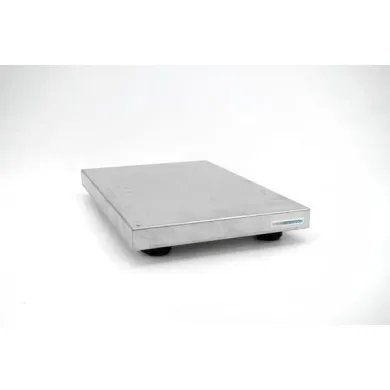
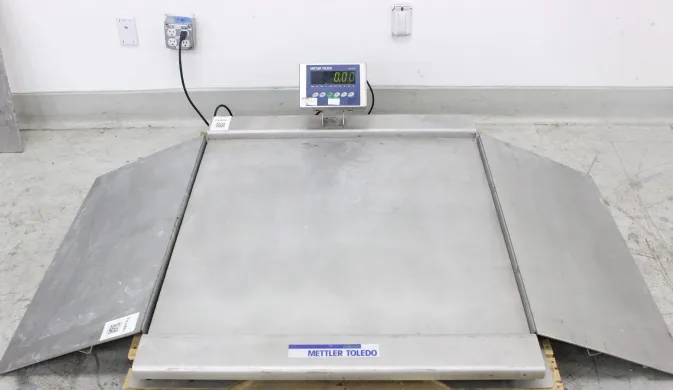
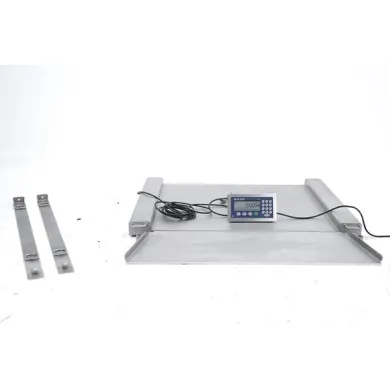
Platform scales are the largest group in the catalogue and the workhorse of industrial weighing. A flat deck, often floor-mounted or recessed, carries loads from a few kilograms up to several tonnes, and a separate indicator shows the result. They are built for goods inwards, pallet weighing, drum filling and shipping, where speed and a robust deck matter more than fine resolution. Buyers in logistics, food production and chemical handling reach for these when the object is too heavy or too bulky for a bench instrument. Within gravimetric analysis at scale, platform models handle the bulk measurement of raw material and finished product.
Industrial scales
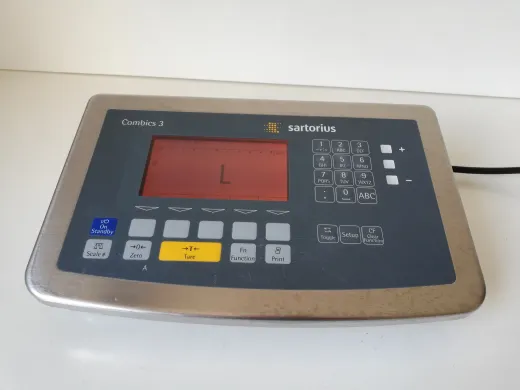
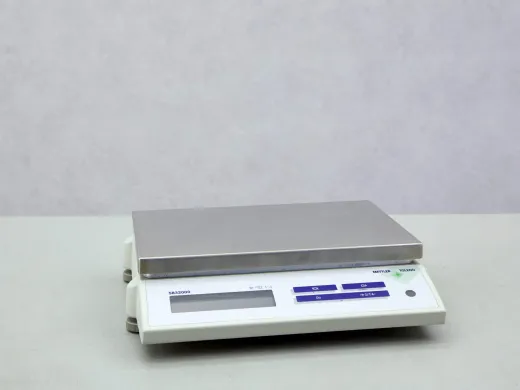
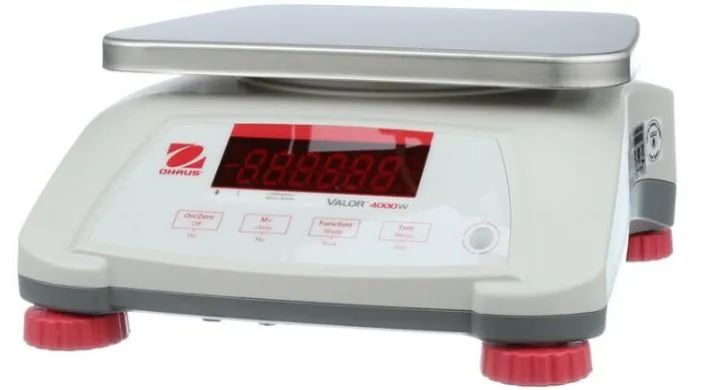
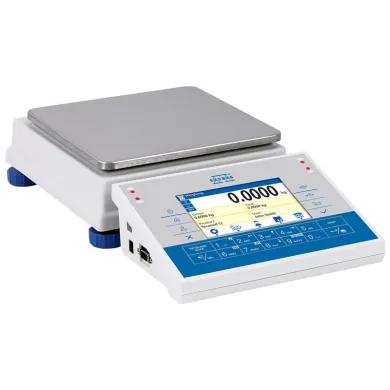
Industrial scales cover the ruggedised bench and counter instruments that sit between a laboratory balance and a floor platform. They are built to survive dust, vibration and knocks on a production line, often with a stainless housing and an IP-rated indicator. Capacities run from a few kilograms to hundreds, with counting and checkweighing functions common. Manufacturing, warehousing and quality control use them for parts counting, batch weighing and in-process checks. In biomanufacturing and bioprocessing facilities, industrial scales handle the weighing of bulk media, buffers and consumables away from the cleaner balance bench.
Beam scales
Beam scales use a sliding poise on a graduated beam to balance a load against a known counterweight, a mechanical principle that needs no power. The familiar doctor's scale and the laboratory triple-beam belong here. They are valued where electronics are unwelcome, where a simple robust instrument must last decades, and for teaching the basic mechanics of weighing. Resolution is modest and reading is manual, but a beam scale drifts little and needs no calibration against a power supply. They remain in use for body weight measurement and for straightforward gravimetric checks.
Printers
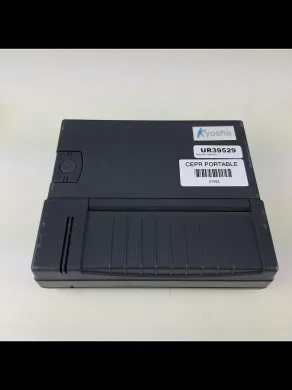
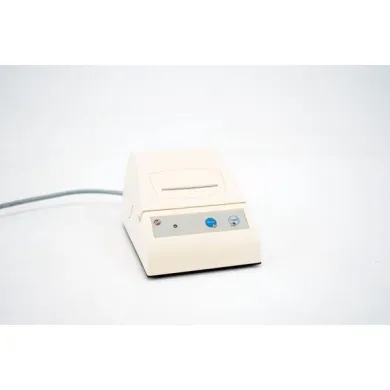
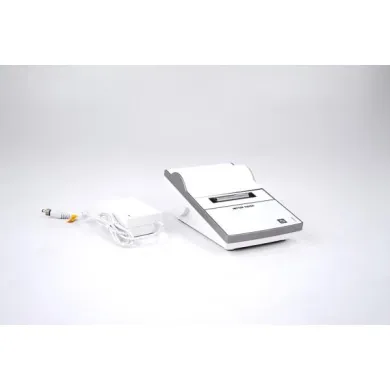
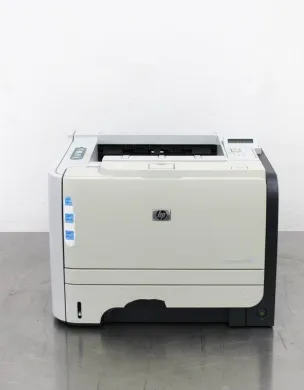
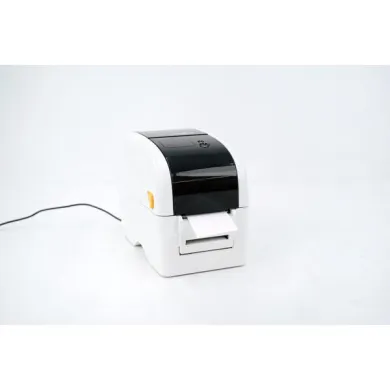
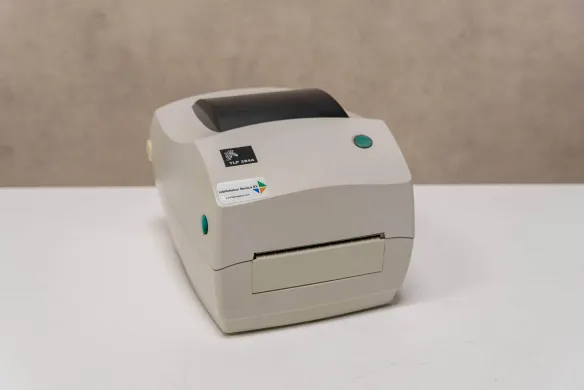
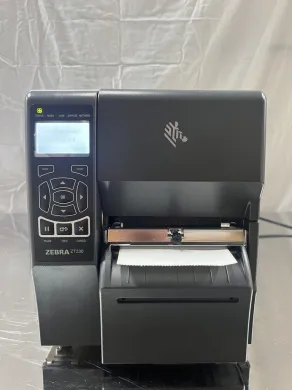
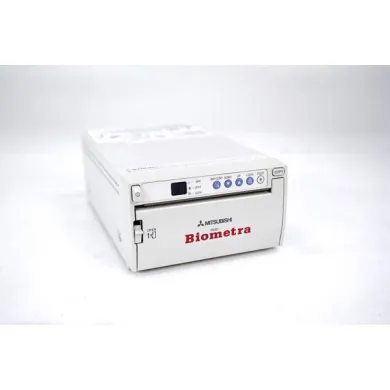
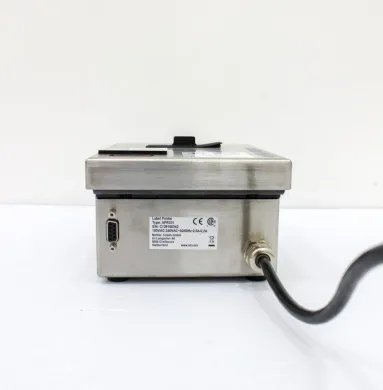
Printers in this category are the peripheral devices that record a weighing result on paper or a label, connected to a scale or indicator. They produce weight tickets, batch records and barcoded labels for traceability. Where a process needs a documented chain, in food packaging, pharmaceutical dispatch or shipping, the printer turns a reading into a record. In molecular diagnostics and clinical sample logistics, a labelling printer tied to a balance supports sample identification and chain-of-custody documentation. They are chosen to match the scale's output protocol rather than for any weighing specification of their own.
Control scales
Control scales are built to check a known target weight and flag whether a sample sits inside a set tolerance, rather than to report an arbitrary mass. Operators load an item and read a pass or fail against pre-set limits. They speed up repetitive quality checks on a line, where the question is not how much but whether a filled container meets its nominal weight. Food, pharmaceutical and consumer-goods packaging use them for in-process control. The emphasis is on fast, unambiguous verification against a reference rather than on the finest possible resolution.
PGC scales
PGC scales, or piece and gram counting scales, count quantity by weight. The operator weighs a sample of known count, the instrument derives a per-piece mass, and it then reports how many pieces sit on the pan from the total weight. This makes inventory counting of small identical parts fast and repeatable. Warehousing, electronics assembly and fastener distribution rely on them where counting thousands of components by hand is impractical. Accuracy depends on consistent piece weight, so they suit uniform parts best.
Filter weighing
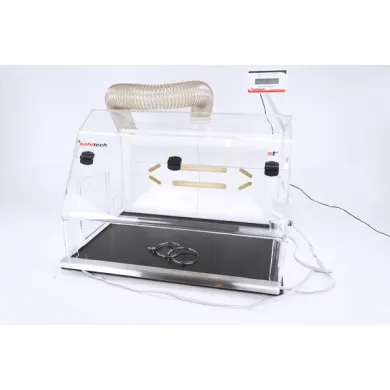
Filter weighing instruments are precision balances configured for the very light, static-prone task of weighing filters before and after sampling. The tiny mass gain on a filter, from airborne particulate or an aerosol, is the measurement, so these systems combine high readability with ionisation or shielding to control static charge. Environmental monitoring, air-quality laboratories and gravimetric particulate analysis depend on them. The method underpins occupational hygiene sampling and emissions testing, where the difference weighed is often a fraction of a milligram.
Checkweighers
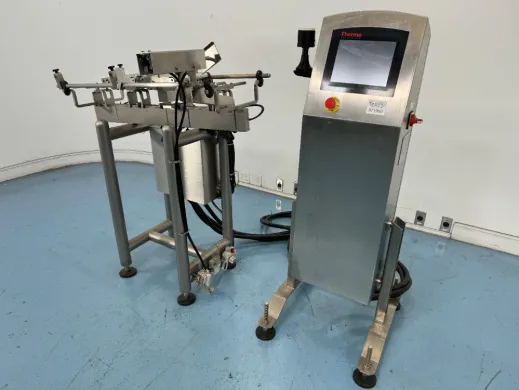
Checkweighers weigh an item in motion, typically on a conveyor, and sort it against a weight band without stopping the line. They sit in automated packaging and production, rejecting under-filled or over-filled packs at speed. Food, beverage and pharmaceutical lines use them to enforce fill-weight compliance and to hold average-weight legislation. Unlike a static control scale, a checkweigher integrates with upstream and downstream handling and is specified by throughput, belt speed and the weight range it must resolve on the move.
Frequently asked questions
What is a scale?
A scale is an instrument that measures the mass or weight of an object. In laboratory and industrial settings these range from devices that read fractions of a milligram to platforms that weigh several tonnes.
What does scale mean in this category?
Here it refers to any weighing instrument, from bench and platform scales to precision and analytical balances. The category also includes peripheral devices like printers and purpose-built instruments such as checkweighers and filter weighing systems.
How do scales work?
Most modern scales use a load cell that converts the force of a load into an electrical signal, which an indicator reads out as a weight. Mechanical beam scales work differently, balancing a load against a sliding poise on a graduated beam without any power.
What types of scales are there?
The catalogue covers platform scales, industrial scales, beam scales, control scales, PGC piece and gram counting scales, filter weighing instruments, checkweighers and printers. It also lists laboratory, precision and analytical balances for finer work.
What are scales used for?
Uses span goods inwards, pallet and drum weighing, parts counting, batch and in-process checks, fill-weight verification and gravimetric sample analysis. The task sets the instrument: a platform scale handles bulk loads while an analytical balance resolves fractions of a milligram.
How do I choose a scale?
Start with capacity paired with readability: work out the heaviest load you expect and the smallest difference you need to resolve, then let those two numbers narrow the field. A platform scale sized for pallets cannot give the fine division a formulation task needs, and a precision balance will overload under a drum.
What is the difference between refurbished and used scales?
A used scale is sold in its current condition, while a refurbished unit has been checked and brought back toward working specification before listing. For either, verify the weighing performance across the full span rather than trusting a single calibration point, since the load cell is the part that ages.
How much does a scale cost?
Across the catalogue prices run from EUR 9 to EUR 156.663, with the average at EUR 2.858. The low end covers compact bench and beam scales, and the high end covers large industrial platform systems and specialised weighing instruments with integrated handling.
What are the main scale brands?
The brands that appear most in the listings are Radwag, Ohaus, Mettler Toledo, Sartorius and A&D. Each tends to occupy a recognisable band, some at the industrial and legal-for-trade end, others at the laboratory and precision end.
Is there a warranty on a refurbished scale?
A warranty is often possible and is arranged in consultation for the specific listing rather than set centrally. Read what each seller states, and check whether a calibration certificate accompanies the unit.
Can I get parts for a scale?
Parts can be sourced via Questpair. The load cell is the component most likely to need attention on an older unit, since overloading or a drop can cause it to drift at points across the range.
How long does a scale last?
Mechanical beam scales can last decades because they have no electronics to fail and drift little. Electronic scales depend largely on the load cell, which holds up well if the instrument is not overloaded or dropped, so service history matters more than age alone.
New versus refurbished: which should I buy?
Used and refurbished scales are listed at lower prices than new, which is what makes a near-new precision balance reachable on a modest budget. Where you have to weigh the two, check the individual listing and remember that warranty is arranged in consultation for that specific unit.
Where can I buy a scale?
Scales are listed on Questpair from 19 verified suppliers and distributors across 13 countries, with 3977 units in total. New, used and refurbished instruments appear side by side.
What are the lead time and shipping like?
Lead time and shipping depend on the individual listing and the supplier's location across the 13 countries represented. The listing details and the seller set these terms, and specialists respond within an hour if you need to confirm before buying.
How do I handle calibration and maintenance?
Verify a scale across its full span, not just at one point, and ask what reference weights were used when it was last checked. A legal-for-trade or verified status does not travel automatically with the unit and may need re-verification in the country of use.
Which scale types are listed most, and who reaches for each?
Platform scales are the largest group and the workhorse of industrial weighing, reached for in logistics, food production and chemical handling. Industrial scales serve manufacturing and warehousing for parts counting and batch checks, while analytical and precision balances go to laboratory work where fine resolution matters.
Which brands dominate this category, and what does that mean for a buyer?
Radwag, Ohaus, Mettler Toledo, Sartorius and A&D appear most in the listings, and each tends to sit in a recognisable band from industrial to precision. Knowing which band a brand holds tells you quickly whether a model is likely to fit the task and the budget before you read the full specification.
What separates the cheapest scales here from the most expensive?
The low end covers compact bench and beam scales with modest capacity and resolution, often manual to read. The high end covers large industrial platform systems and specialised instruments such as checkweighers and filter weighing setups that combine high readability with integrated handling or static control.