

Platform Scales
We personally find you the right used, refurbished and new platform scales instruments & equipment from verified suppliers.
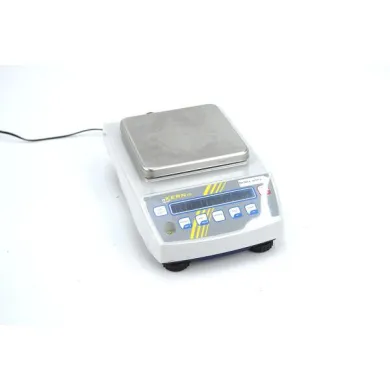
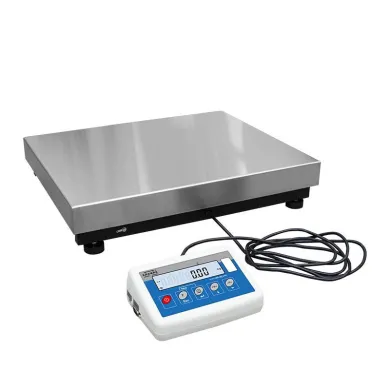
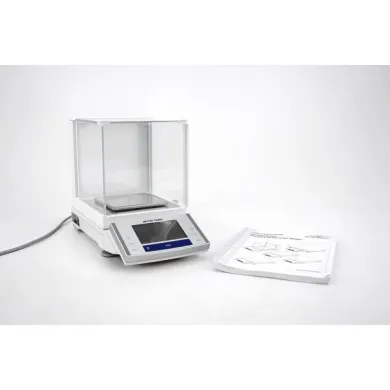
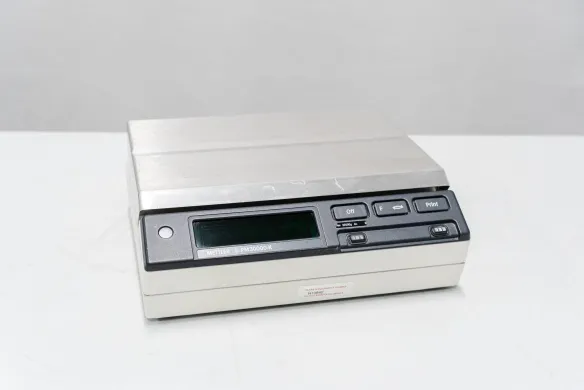
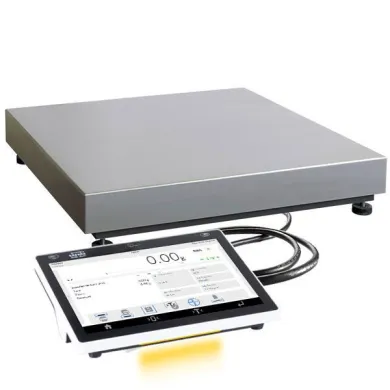
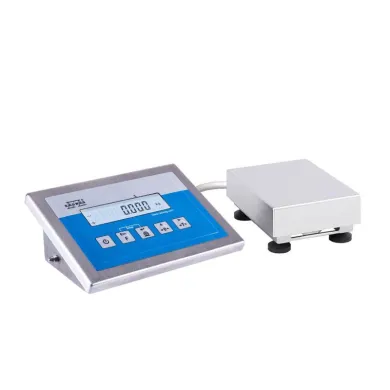
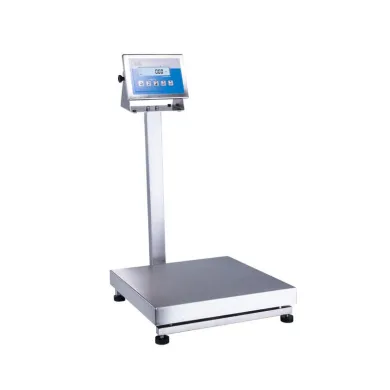
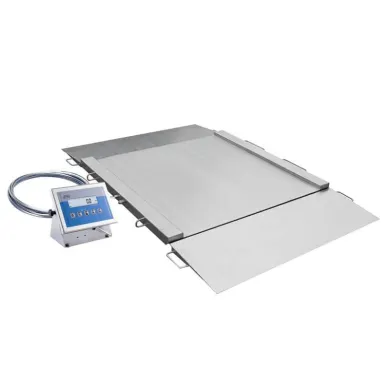
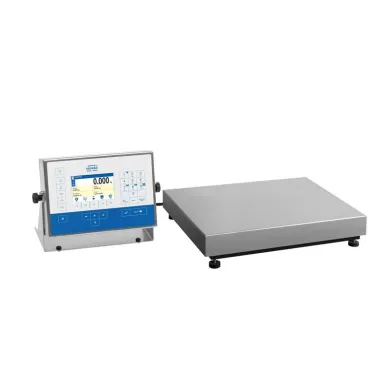
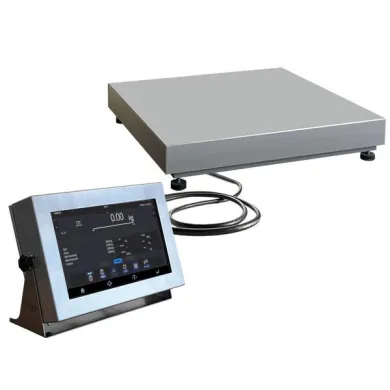
Platform scales are weighing instruments built around a flat, load-bearing platform onto which a sample, container or load is placed for mass determination. They cover a working range from small bench loads to several hundred kilograms, which separates them from the enclosed draft-shielded balances used for milligram work. The Questpair catalogue holds 1864 platform scale listings from 18 verified suppliers and distributors across 11 countries. New, used and refurbished units are both listed: 41 percent of the listings are used, the remainder new. Prices run from EUR 9 to EUR 27.544. The listings span laboratory, production and warehouse weighing, so readability and capacity vary far more here than within any single balance class.
Updated:
Platform Scales product list


Not the exact instrument you need?
Tell our scientists what you are after. We track it down, including off-market supply.
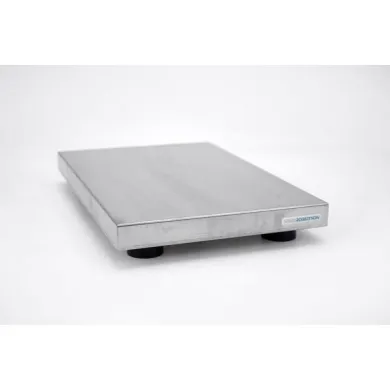
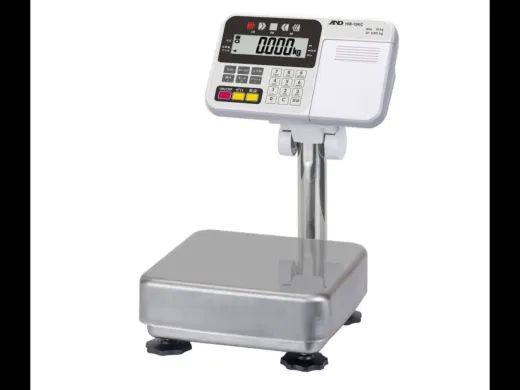
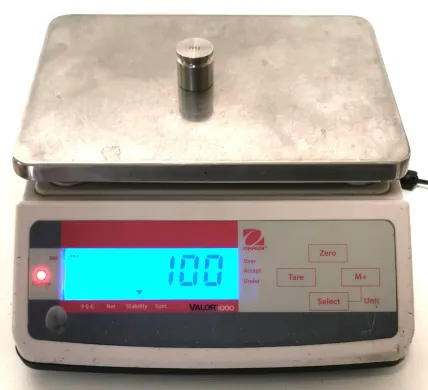
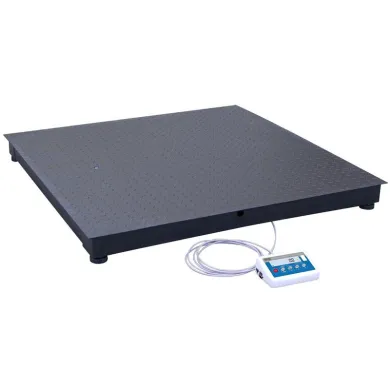
Not the exact instrument you need?
Tell our scientists what you are after. We track it down, including off-market supply.
Showing 1–40 of 1,567 listings
Show 40 more listingsBuying guide
What capacity and readability settle before anything else?
On a platform scale the two numbers that decide the purchase are capacity and readability, and they pull against each other. A floor scale rated to 300 kilograms will not resolve a gram, and a bench unit that reads to a milligram will not take a 50 kilogram drum. So the first thing a buyer fixes is the heaviest load the platform must carry, then the smallest division that load has to be read to. The ratio between them, the number of divisions, is what actually sets the price band and the class of instrument. A scale offering 30,000 divisions is a different device from one offering 3,000, even at the same stated capacity.
Platform size follows from that. The deck has to seat the largest container or load stably, because a load that overhangs the corners reads badly and wears the loadcell unevenly. Where the scale feeds a regulated process, legal-for-trade approval and a verifiable calibration record matter as much as the raw specification, and those are properties of the individual listing rather than of the model.
On a used platform scale the loadcell and its corners are what to verify first. Corner-load accuracy, whether the four points of the deck read the same mass, drifts with mechanical abuse, and a unit that has carried off-centre loads for years shows it. Ask whether the scale holds a recent calibration certificate, whether the loadcell has been replaced, and whether the deck sits level without rocking. These checks say more about a used unit than any figure on the original datasheet.
Price spans the full range of the catalogue, from EUR 9 to EUR 27.544, with the average near EUR 3.131. What a platform scale costs tracks capacity, division count and approval status rather than brand alone, and the spread covers everything from a small counting bench scale to an approved floor platform with a remote indicator. For a buyer working to a budget, the used portion of the catalogue is where the saving sits: refurbished and used units are listed for sale at lower prices than new, which makes a higher-division instrument affordable second-hand that would sit outside the budget new. The brands that occupy each band are described below.
Types of Platform Scales
Which scale and balance types are listed here?
Among the listings that specify a type, the catalogue divides along capacity and readability into several recognisable classes. Industrial scales sit at the heavy end, built for production floors and goods-in weighing where robustness and capacity matter more than fine resolution. Platform scales proper are the bench and floor general-purpose units, a flat deck and an indicator, used across laboratory, warehouse and workshop for everyday mass determination. Precision balances occupy the middle, offering readability to a tenth of a gram or finer over a moderate capacity, the workhorse for gravimetric analysis and routine sample weighing. Analytical balances sit at the fine end, draft-shielded and reading to a milligram or below for the quantitative work that underpins analytical chemistry. Counting scales are a functional variant rather than a capacity class: they convert measured mass into a piece count from a known unit weight, which is why stockrooms and kitting lines reach for them.
Where this equipment touches the life sciences, the precision and analytical balances carry the load. A precision balance performs gravimetric analysis in sample preparation, and an analytical balance weighs out reagents for cell culture media, buffer formulation and the standards used in molecular biology and microbiology laboratories. Analytical balance reagent weighing underpins the dilution series behind an immunoassay, and precision balance sample preparation feeds the powder and solid handling steps ahead of protein purification and electrophoresis. These weighing instruments are also used for formulation and quality-control checks in biomanufacturing, where a recorded, repeatable mass is part of the batch record.
The brands behind the platform scale listings
The listings cluster around a handful of makers: Radwag, Ohaus, Mettler Toledo, Sartorius, A&D. For a buyer, that concentration is useful. It means loadcells, indicators and deck parts for the common models can be sourced through Questpair, and it means two listings of the same maker and class compare cleanly on division count and capacity rather than on unfamiliar specification sheets. Radwag and Ohaus run deep across the bench and counting classes, Mettler Toledo and Sartorius reach into the precision and analytical end, and A&D spans both. Presence at this volume keeps price competitive within each band, because several suppliers list comparable units side by side.
What a used platform scale costs here
Condition splits close to even: 757 listings are used against 1107 new, or 41 percent used. The price range runs from EUR 9 to EUR 27.544. That spread covers the distance between a small counting scale and an approved floor platform with a separate indicator, so the band a buyer lands in is set by capacity, division count and approval far more than by condition alone. Within any one class, the used and refurbished units are listed for sale below the new equivalent, and warranty on an individual listing is arranged in consultation.
Frequently asked questions
What is a platform scale?
A platform scale is a weighing instrument built around a flat, load-bearing platform onto which a sample, container or load is placed for mass determination. It covers a working range from small bench loads up to several hundred kilograms.
What does platform scale mean?
The term refers to the construction: a flat deck seated on one or more loadcells, with a separate or integrated indicator that displays the measured mass. It distinguishes these instruments from enclosed, draft-shielded balances used for milligram work.
How do platform scales work?
A load placed on the deck presses on loadcells underneath, which convert the mechanical force into an electrical signal. The indicator reads that signal and displays the mass, with corner-load design meant to keep the reading consistent wherever the load sits on the deck.
What types of scales and balances are in this category?
The catalogue divides into industrial scales for heavy production weighing, platform scales proper for general bench and floor use, precision balances reading to a tenth of a gram or finer, analytical balances reading to a milligram or below, and counting scales that convert mass into a piece count. The split is set by capacity and readability rather than by a single feature.
What is a platform scale used for?
It is used for everyday mass determination across laboratory, production and warehouse settings, from goods-in weighing to sample preparation. In life sciences, precision and analytical units weigh out reagents for buffer formulation, cell culture media and dilution series, and record repeatable mass for batch records in biomanufacturing.
How do I choose a platform scale?
Fix the heaviest load the deck must carry first, then the smallest division that load has to be read to; the ratio between them, the number of divisions, sets the class and price band. Confirm the deck seats your largest container stably, and check whether legal-for-trade approval and a calibration record are required for your process.
What is the difference between refurbished and used?
Both are priced below new on this catalogue, but a refurbished unit has typically been checked and brought back toward working condition, while a used unit is sold in its current state. On either, verify corner-load accuracy, whether the loadcell has been replaced, and whether a recent calibration certificate is held.
How much does a platform scale cost?
Prices in the catalogue range from EUR 9 to EUR 27.544, with the average near EUR 3.131. Where a unit lands is driven by capacity, division count and approval status, which cover the distance between a small counting bench scale and an approved floor platform with a remote indicator.
Which brands make platform scales?
The listings cluster around Radwag, Ohaus, Mettler Toledo, Sartorius and A&D. Radwag and Ohaus run deep across the bench and counting classes, Mettler Toledo and Sartorius reach into the precision and analytical end, and A&D spans both.
Is there a warranty on a refurbished platform scale?
A warranty is often possible and is arranged in consultation for the specific listing, since terms are not set centrally. Check the individual listing for what it offers alongside the condition and calibration details.
Can I get parts for a platform scale?
Parts such as loadcells, indicators and deck components can be sourced via Questpair. The concentration of listings around a handful of makers means the common models are the ones parts are most readily matched to.
How long does a platform scale last?
Lifespan depends on load handling: a deck that carries off-centre or overhanging loads wears its loadcells unevenly and drifts in corner-load accuracy over years. A unit kept level, loaded centrally and calibrated regularly holds its performance far longer.
Should I buy new or refurbished?
Used and refurbished units are listed at lower prices than new, which is where the saving sits for a buyer on a budget and can make a higher-division instrument affordable second-hand. Warranty is arranged in consultation on the specific listing either way, so weigh the unit's condition, calibration record and loadcell history against the price.
Where can I buy a platform scale?
The Questpair catalogue holds 1864 platform scale listings from 18 verified suppliers and distributors across 11 countries. New, used and refurbished units are listed side by side, so comparable models can be compared on division count and capacity.
What is the lead time and shipping on a platform scale?
Lead time and shipping are set by the individual supplier and the listing, since units ship from verified suppliers and distributors across 11 countries. The specific listing states what applies, and specialists respond within an hour if you need to confirm before ordering.
How are platform scales calibrated and maintained?
Calibration verifies the reading against known masses and checks corner-load accuracy, that the four points of the deck read the same mass; keeping the deck level and loading it centrally reduces drift between calibrations. Questpair does not carry out servicing, but a current calibration certificate on a listing tells you where a used unit stands.
Which types in this category are listed most, and who reaches for each?
Among listings that specify a type, industrial scales, platform scales, precision balances, analytical balances and counting scales all appear. Production floors and goods-in reach for industrial scales, laboratories and workshops for general platform scales, analytical chemistry for precision and analytical balances, and stockrooms and kitting lines for counting scales.
Which brands dominate this category and what does that mean for a buyer?
Radwag, Ohaus, Mettler Toledo, Sartorius and A&D account for the bulk of the listings. That concentration means two listings of the same maker and class compare cleanly on division count and capacity, parts for the common models can be sourced through Questpair, and several suppliers listing comparable units keeps price competitive within each band.
What separates the cheapest platform scales from the most expensive here?
The bottom of the band is small counting and bench units with modest capacity and division counts, while the top is approved floor platforms with high division counts and a remote indicator. The gap tracks capacity, the number of divisions and legal-for-trade approval far more than brand or condition alone.