

Beam Scales
We personally find you the right used, refurbished and new beam scales instruments & equipment from verified suppliers.
A beam scale is a mechanical weighing instrument that determines mass by balancing an unknown load against known counterweights along a graduated beam, or by measuring the deflection of a calibrated spring. On Questpair, the beam scale category covers a broader range of weighing instruments than the mechanical original alone, spanning analytical balances, precision balances and electronic laboratory scales alongside the traditional beam design. Of the current listings, 45 percent are used. New, used and refurbished laboratory weighing instruments appear here, listed by 14 verified suppliers across 8 countries, with 209 items available at prices from EUR 22 to EUR 9.064.
Updated:
Beam Scales product list
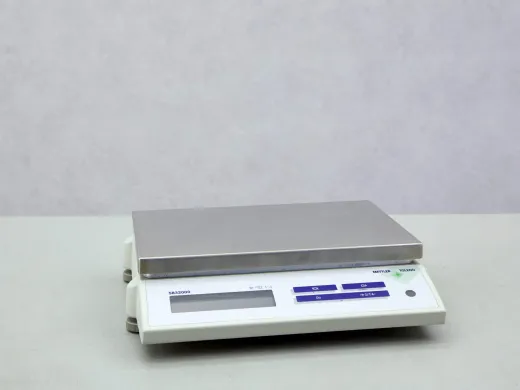
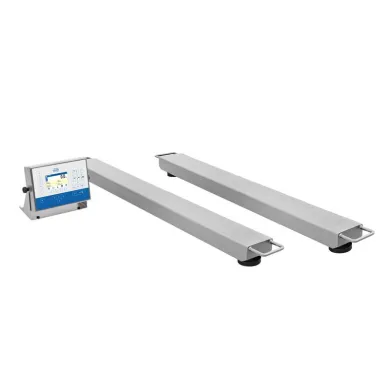
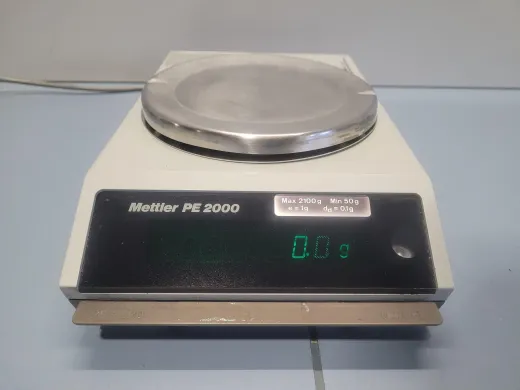
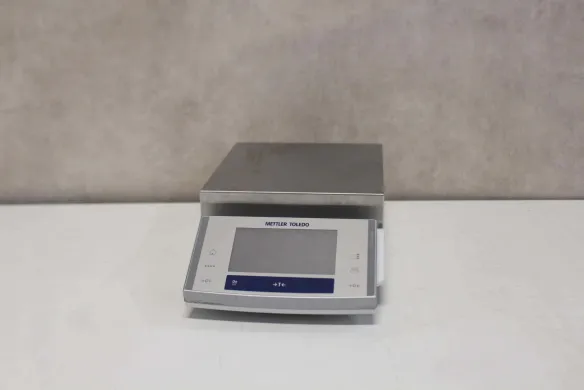


Not the exact instrument you need?
Tell our scientists what you are after. We track it down, including off-market supply.
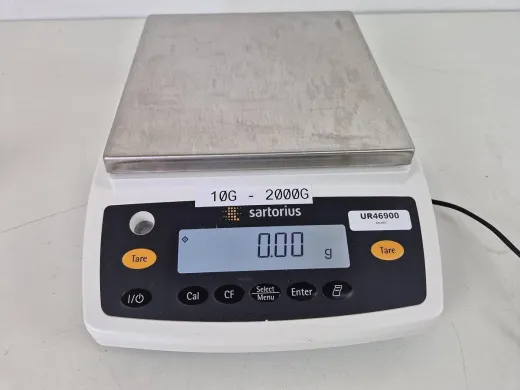
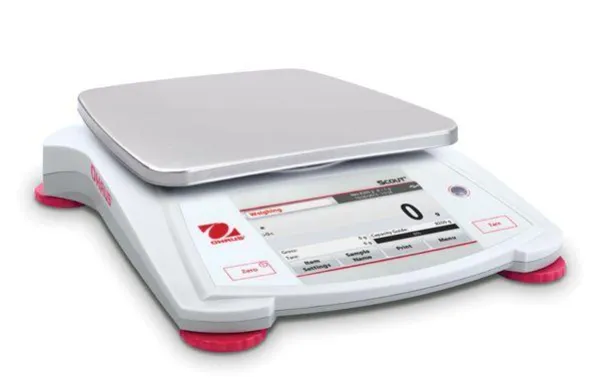
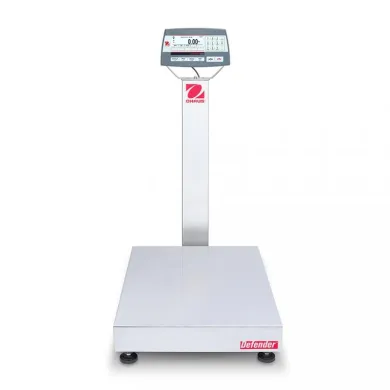
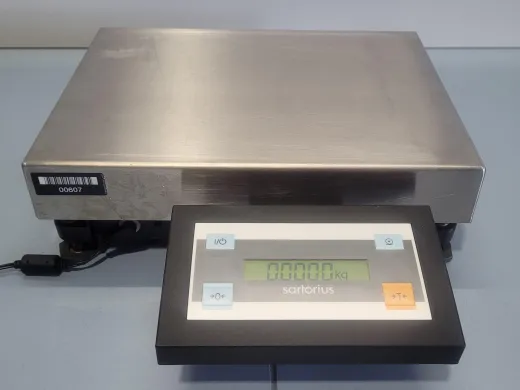
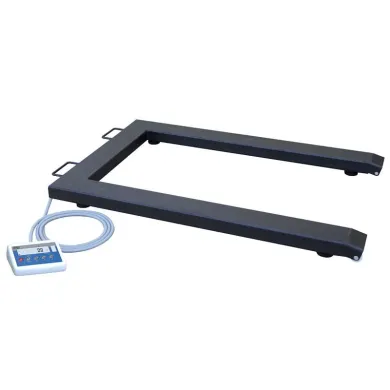
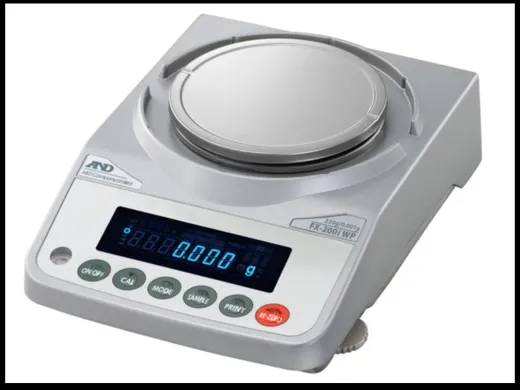
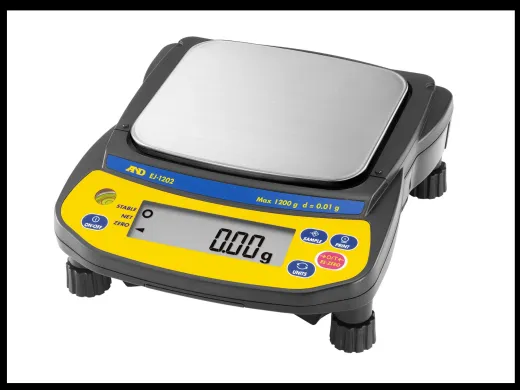
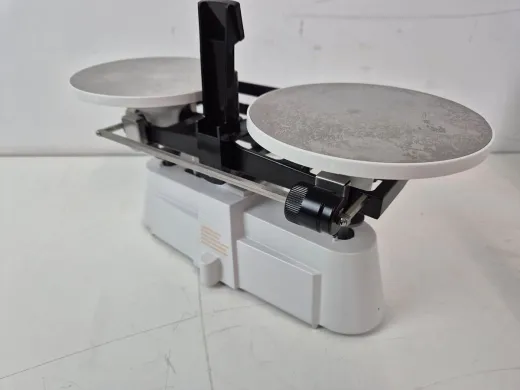
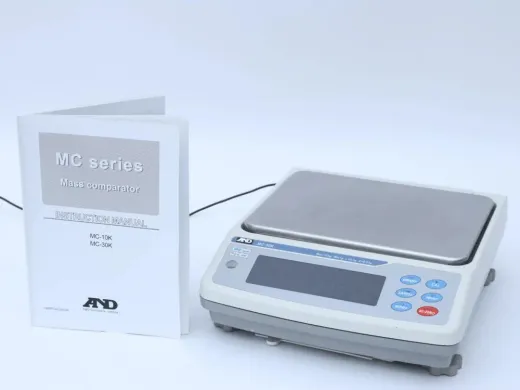
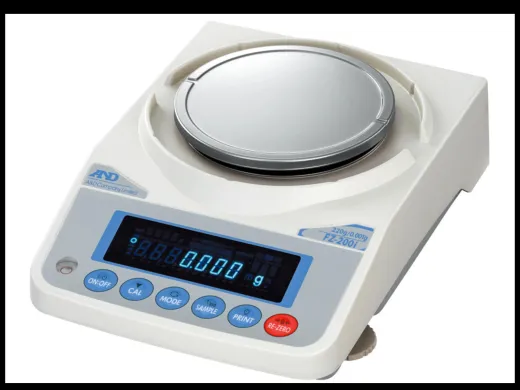
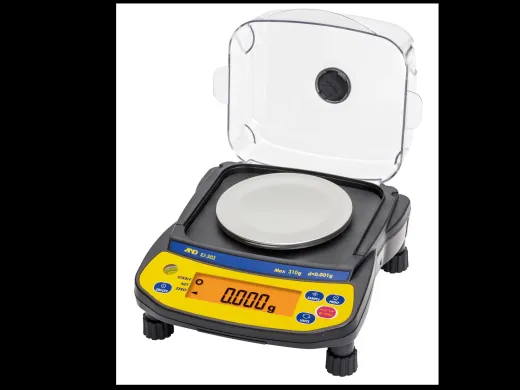
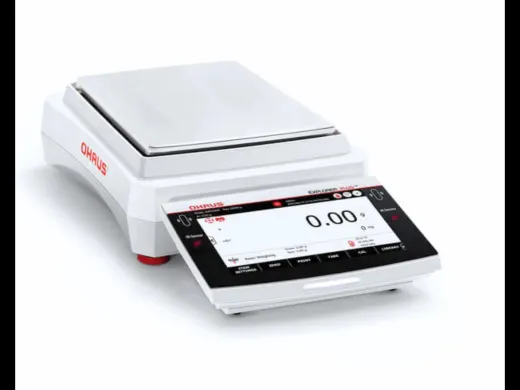
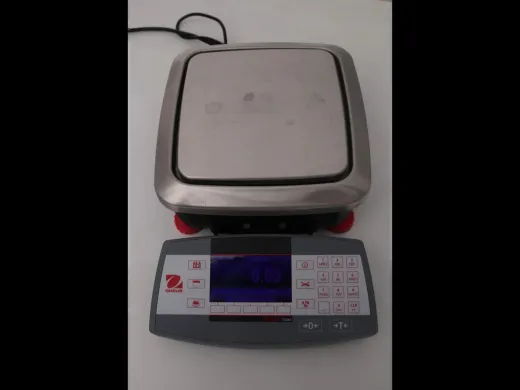
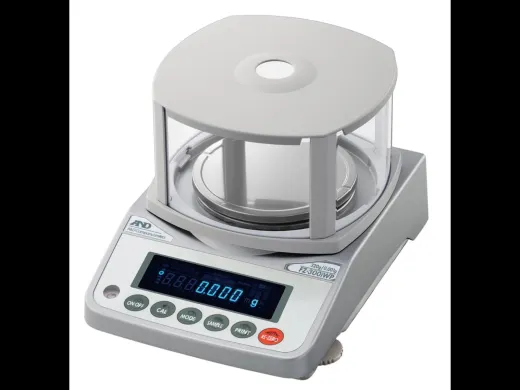
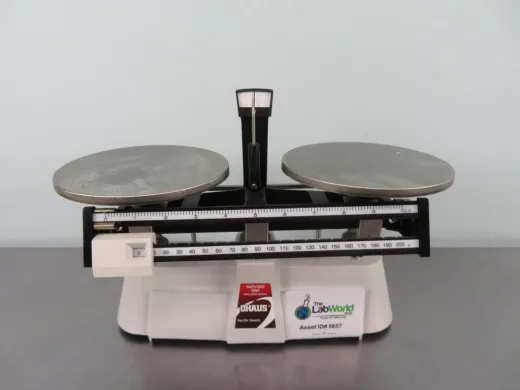
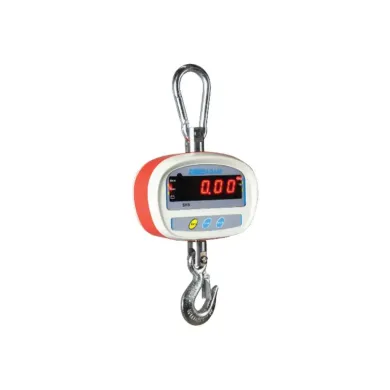
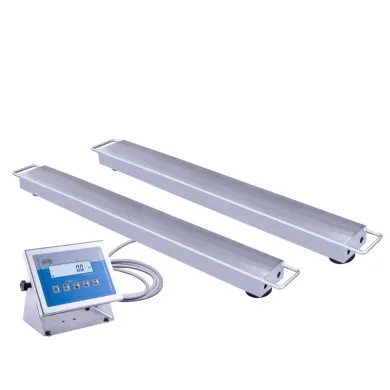
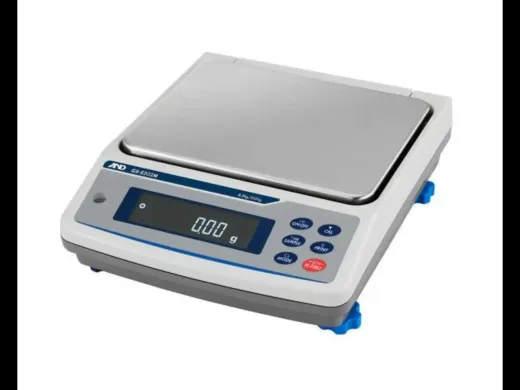
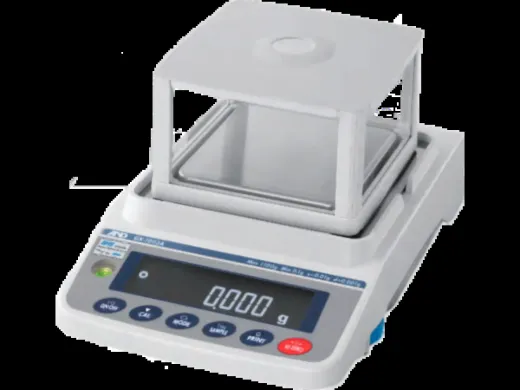
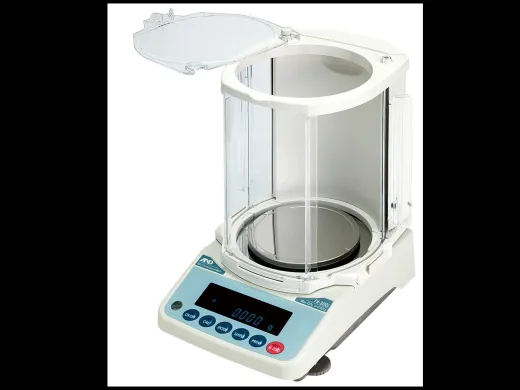
Not the exact instrument you need?
Tell our scientists what you are after. We track it down, including off-market supply.
Showing 1–40 of 167 listings
Show 40 more listingsBuying guide
Readability settles most weighing purchases before any other factor, because it decides whether an instrument can resolve the difference that matters to the work. An analytical balance reading to 0.1 milligram answers a different question than an industrial scale reading to a full gram, and no amount of capacity compensates for a resolution the application outgrows. A buyer weighing reagents for a synthesis works at one end of that spectrum; a buyer checking the mass of a packed shipment works at the other. Match the readability to the smallest meaningful increment the task produces, then confirm the capacity covers the heaviest load, and the field narrows quickly.
Capacity and readability pull against each other, which is why a single instrument rarely spans the range. An analyser that resolves tenths of a milligram tops out well below a kilogram; an industrial platform that carries tens of kilograms reads in grams at best. A laboratory running both fine formulation and bulk sample preparation usually keeps two instruments rather than compromising on one, and the Questpair catalogue reflects that split across its weighing listings.
On a used weighing instrument, calibration is the fact that decides whether it is fit for work. A balance holds its accuracy only against a reference, and a mechanical beam or a load cell that has been moved, knocked or stored can drift. Confirm that the instrument accepts the calibration masses its class requires, that any internal calibration mechanism still engages, and that the pan, beam and levelling feet are intact. A unit that cannot be brought back to specification is a parts donor, not a working balance, whatever the listing shows.
Price on the catalogue runs from EUR 22 to EUR 9.064. The lower figures sit with simple mechanical beam scales and entry electronic balances, while the upper figures reflect research-grade analytical instruments from makers such as Ohaus, Radwag, A&D, Mettler Toledo, Sartorius. A used instrument that still holds calibration is more affordable than its new equivalent and often reaches the same specification, so a buyer working to a fixed budget can frequently acquire a higher class of balance second-hand than the same money buys new. What a precise weighing instrument costs new is set largely by its readability, and that same relationship holds across the units listed for sale here.
Types of Beam Scales
Which weighing instruments are listed under beam scales?
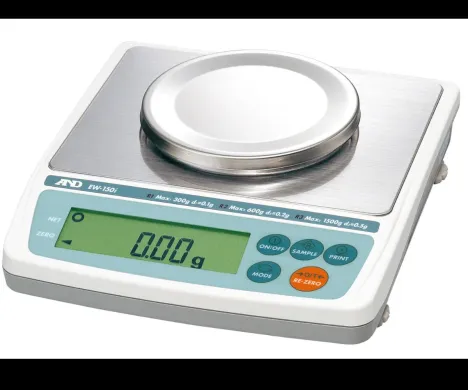
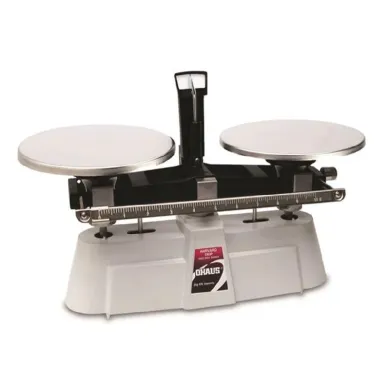
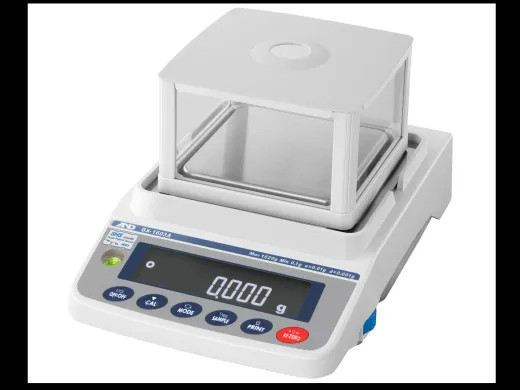
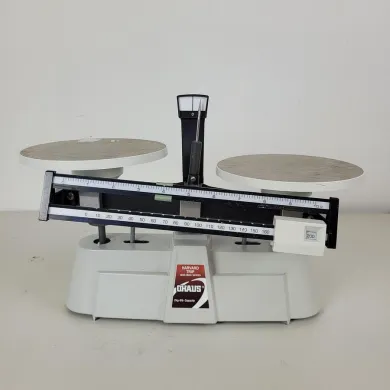
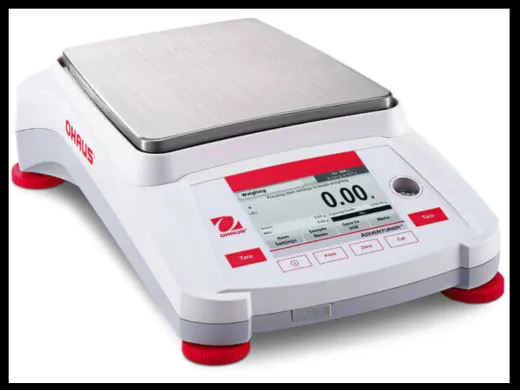
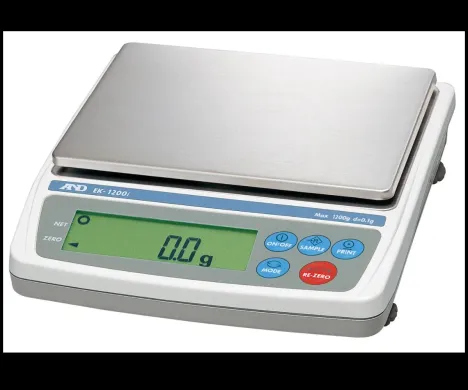
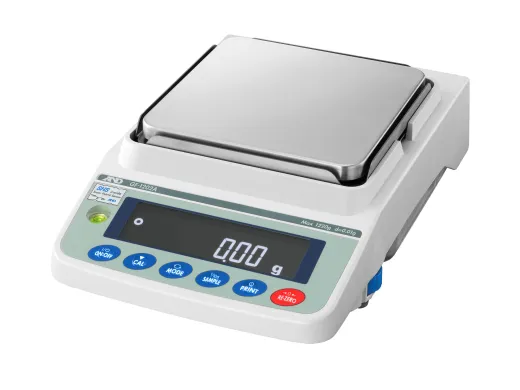
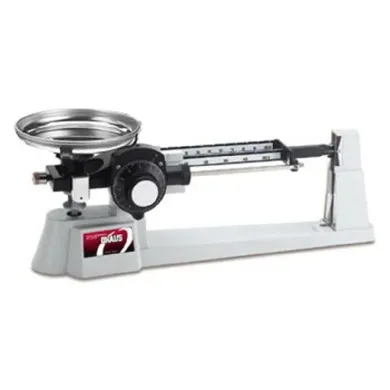
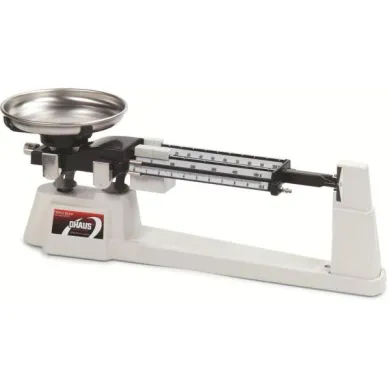
Among the listings that specify a type, the category spans several classes of weighing instrument. Analytical balances occupy the high-resolution end, reading to 0.1 milligram or finer within a draught shield, and are the instrument of choice for gravimetric analysis and for weighing reagents in molecular biology and protein purification work. Precision balances sit a step below in readability and a step above in capacity, suited to sample preparation and formulation where milligram resolution across a wider range matters more than the finest possible increment. Electronic balances cover the general-purpose middle, reading mass through a load cell and displaying it digitally. Industrial and laboratory scales extend the range upward, handling heavier loads at coarser resolution for bulk weighing, packaging checks and material intake. The original beam scale, which balances a load against sliding counterweights on a graduated beam, remains listed as a mechanical instrument that needs no power and holds its reading indefinitely.
Across life sciences, these instruments underpin any step that depends on known mass. An analytical balance performs the gravimetric analysis behind buffer preparation and standard solutions in genomics and proteomics laboratories, and a precision balance handles the weighing of media components in cell culture and the solids in a formulation. The thread common to all of them is that a downstream measurement is only as accurate as the mass it started from, which is why the weighing instrument sits at the front of so many protocols.
The brands behind the beam scale listings
The weighing listings are led by Ohaus, Radwag, A&D, Mettler Toledo, Sartorius. Their presence shapes what a buyer can expect in practical terms: established makers mean spare parts, calibration masses and replacement pans remain available, and a model from any of them can be cross-checked against a published specification before purchase. These are names that recur across the used market, so a buyer comparing two listings can usually find the same model from more than one of the 14 verified suppliers and distributors, which makes price and condition the deciding factors rather than availability.
What a used beam scale costs here
Of the listings, 45 percent are used. Prices run from EUR 22 to EUR 9.064. That spread covers the full distance from a basic mechanical beam scale to a research-grade analytical balance, so the figure to watch is readability rather than the headline price, since a high-resolution instrument commands its cost whether new or second-hand. Both American and British spellings of catalogue terms appear across the market, analyzer and analyser alike, reflecting the European and American makers represented here.
Frequently asked questions
What is a beam scale?
A beam scale is a mechanical weighing instrument that finds mass by balancing an unknown load against known counterweights that slide along a graduated beam. On Questpair the category also covers analytical balances, precision balances and electronic laboratory scales listed alongside the traditional mechanical design.
What does beam scale mean?
The name refers to the graduated beam along which counterweights slide until the load is balanced, at which point the position of the weights reads out the mass. On this site the term is used more broadly as a category label for laboratory and industrial weighing instruments.
How do beam scales work?
A mechanical beam scale balances the load against counterweights positioned along a calibrated beam, and the reading is taken where equilibrium is reached, needing no power. Electronic balances in the same category measure mass through a load cell and show it on a digital display.
What types of weighing instruments are listed here?
The category covers analytical balances, precision balances, electronic balances, industrial scales, laboratory scales and the traditional mechanical beam scale. They differ mainly in readability and capacity, from 0.1 milligram analytical work up to heavier industrial loads read in grams.
What are beam scales used for?
They weigh anything where a known mass is needed, from reagents and buffer components in analytical work to media solids in cell culture and bulk material at intake. The instrument class is chosen by how fine a difference the task needs to resolve and how heavy the load is.
How do I choose a beam scale?
Start with readability, the smallest increment the instrument can resolve, and match it to the smallest meaningful difference your task produces, then confirm the capacity covers the heaviest load. Readability and capacity pull against each other, so a single instrument rarely spans both fine weighing and heavy loads.
What is the difference between refurbished and used?
A used instrument is sold in its existing condition, while a refurbished one has been checked and brought back toward working order before listing. For either, the point that matters is whether the unit still holds calibration, which the individual listing should address.
How much does a beam scale cost?
Listings range from EUR 22 to EUR 9.064, with the average around EUR 2.445. The low end sits with simple mechanical beam scales and entry electronic balances, while the high end reflects research-grade analytical instruments where readability drives the price.
Which brands are worth looking at?
The listings are led by Ohaus, Radwag, A&D, Mettler Toledo and Sartorius. For these makers, calibration masses, replacement pans and spare parts remain available, and a given model can be cross-checked against a published specification before purchase.
Is a warranty available on a refurbished beam scale?
A warranty is often possible and is arranged in consultation for the specific listing. Terms are not set centrally, so check the individual listing and raise the question before purchase.
Can I get parts for a beam scale?
Parts such as pans, counterweights and load cell components can be sourced via Questpair. Availability is stronger for established makers like Mettler Toledo, Ohaus and Sartorius, whose models recur across the used market.
How long does a beam scale last?
A mechanical beam scale has few components to wear and holds its reading indefinitely as long as the beam and levelling feet stay intact. Electronic balances depend on the load cell and internal calibration remaining functional, which a used unit should be tested for before relying on it.
New versus refurbished, which should I buy?
Used and refurbished units are listed at lower prices than new, so a fixed budget often reaches a higher class of balance second-hand. A used instrument that still holds calibration can meet the same specification as its new equivalent; where you have to weigh the two, check the individual listing and the warranty terms arranged in consultation.
Where can I buy a beam scale?
They are listed here by 14 verified suppliers and distributors across 8 countries, with 209 items currently available. Because established models recur across sellers, the same unit can often be compared between more than one supplier.
What is the lead time and shipping?
Lead time and shipping depend on the individual listing and the supplier holding the unit. The listing shows the seller and location, and specialists respond within one hour if you need to confirm details before ordering.
How are beam scales calibrated and maintained?
A balance holds accuracy only against a reference, so confirm the instrument accepts the calibration masses its class requires and that any internal calibration mechanism still engages. Check that the pan, beam and levelling feet are intact, since a unit that cannot be brought back to specification is a parts donor rather than a working balance.
Which types are listed most and who reaches for which?
The category spans analytical balances, precision balances, electronic balances, industrial scales, laboratory scales and mechanical beam scales. Analytical balances go to gravimetric analysis and reagent weighing in genomics and proteomics, precision balances to formulation and media preparation, and industrial scales to bulk weighing and packaging checks.
Which brands dominate the listings and what does that mean for me?
Ohaus, Radwag, A&D, Mettler Toledo and Sartorius lead the listings. Their recurrence across the used market means a buyer can usually find the same model from more than one of the 14 verified suppliers, which makes price and condition the deciding factors rather than availability.
What separates the cheapest listings from the most expensive?
The distinction is readability. The lower figures sit with simple mechanical beam scales and entry electronic balances reading in grams, while the upper figures reflect analytical instruments resolving to 0.1 milligram or finer, where the fine resolution sets the cost whether new or used.