
Bio-Rad equipment
We personally find you the right new, used & refurbished Bio-Rad instruments & equipment from verified suppliers
Bio-Rad is an American life science research and clinical diagnostics instrument manufacturer, founded in 1952 by husband-and-wife chemists David and Alice Schwartz, who first supplied ion-exchange resins and biochemicals from a small Quonset hut in Berkeley, California. The company, now based in Hercules and still majority-controlled by the founding family, builds instruments for digital PCR, real-time PCR and thermal cycling, electrophoresis and blotting, imaging, flow cytometry, chromatography and multiplex immunoassays. On Questpair, 1195 used Bio-Rad listings are offered by verified suppliers and distributors across 8 countries.
Updated:
Bio-Rad product list
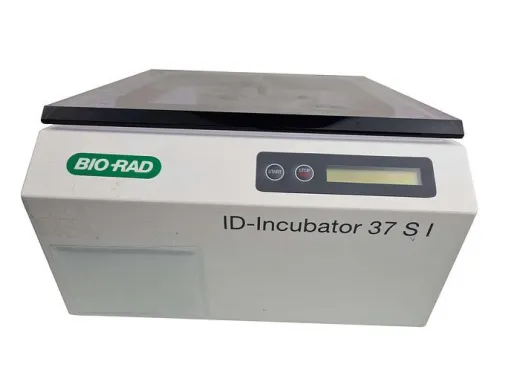
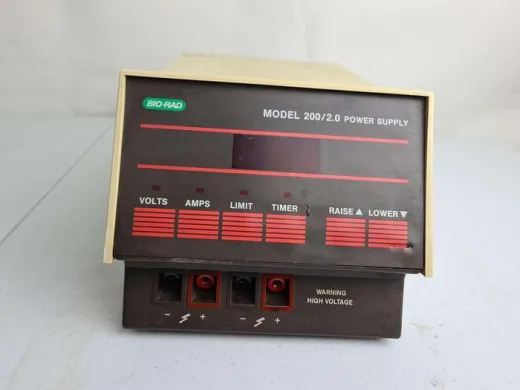
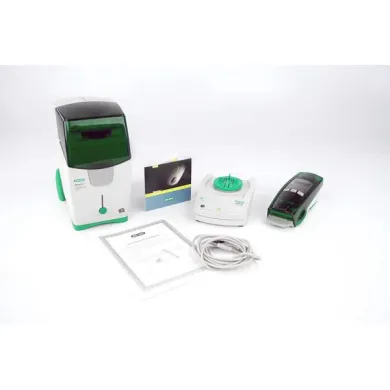
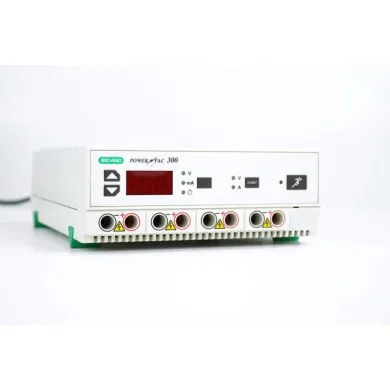


Not the exact instrument you need?
Tell our scientists what you are after. We track it down, including off-market supply.
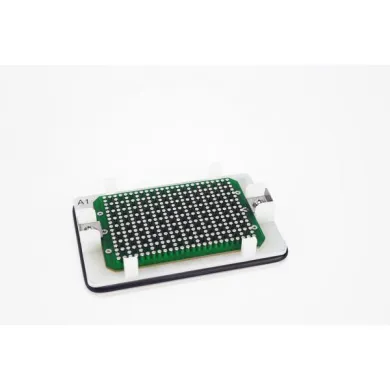
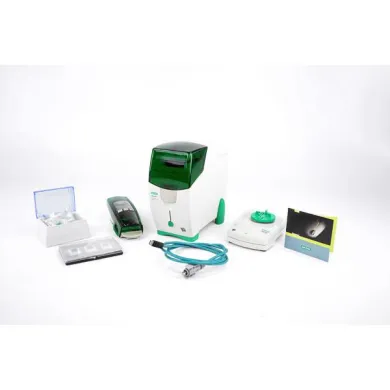
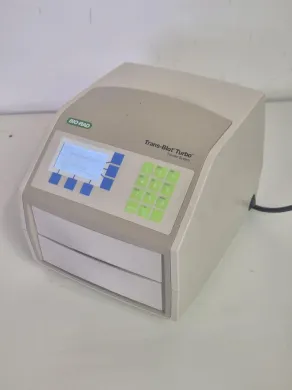
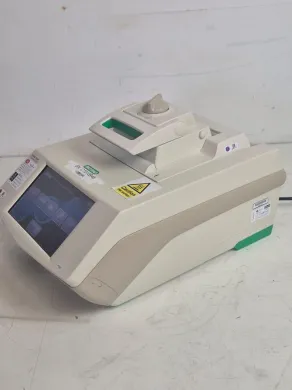
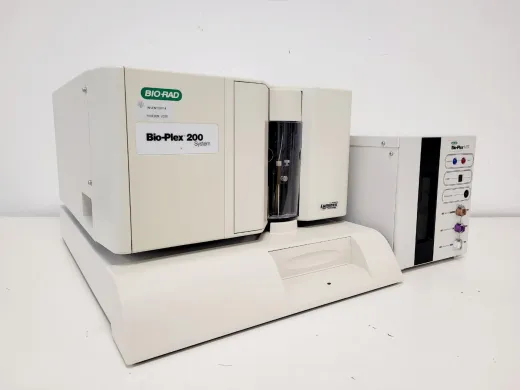
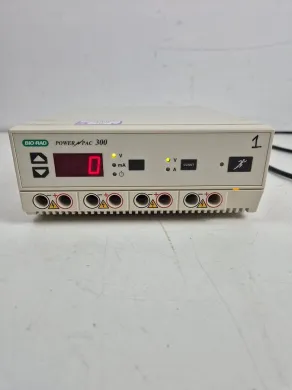
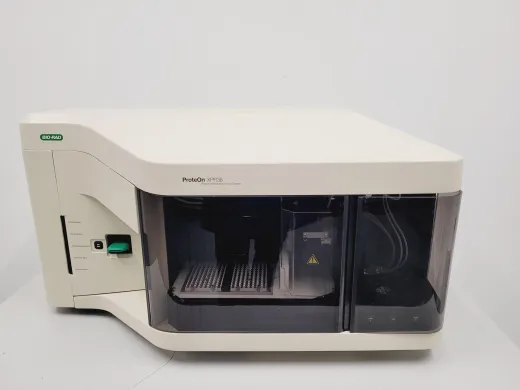
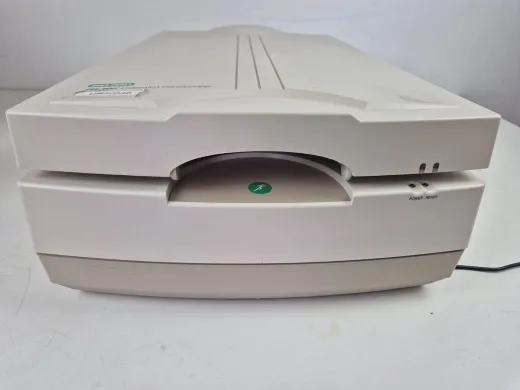
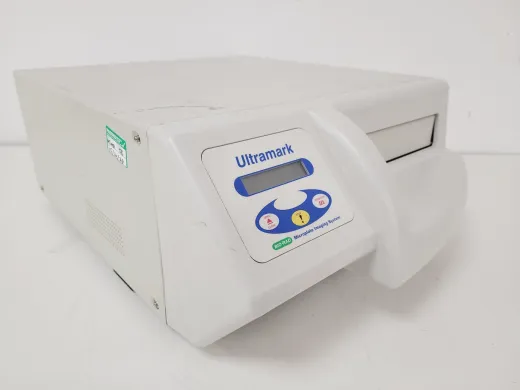
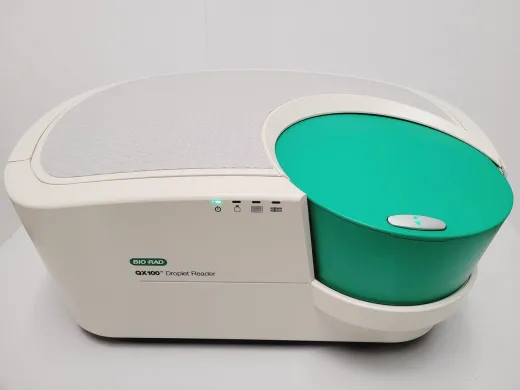
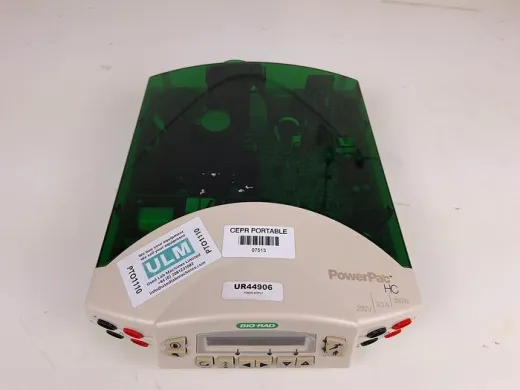
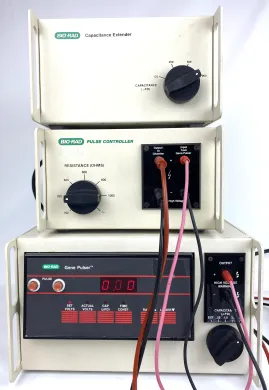
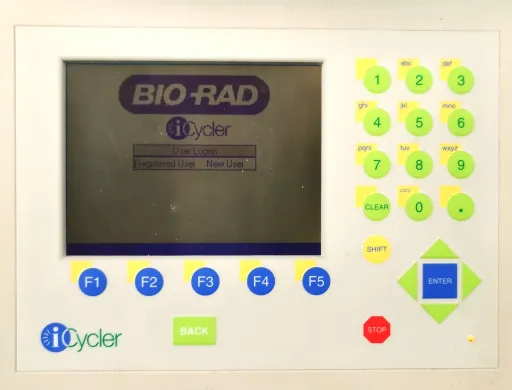
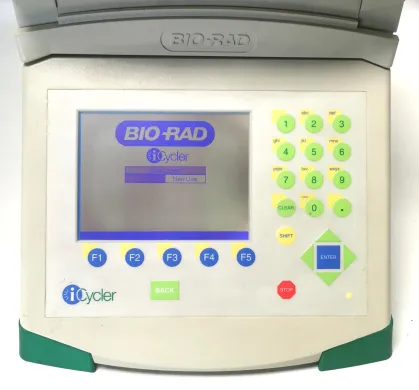
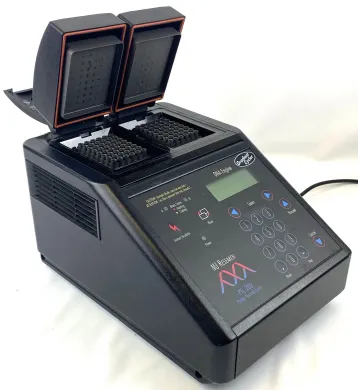
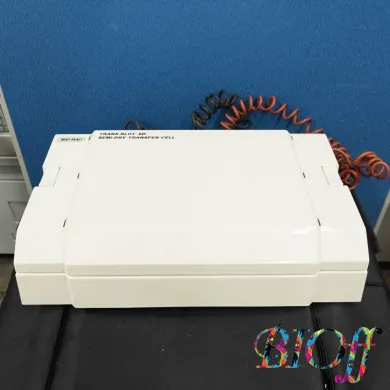
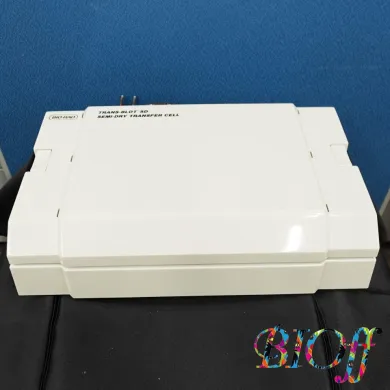
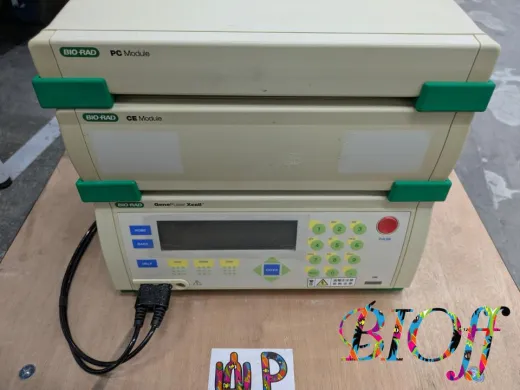
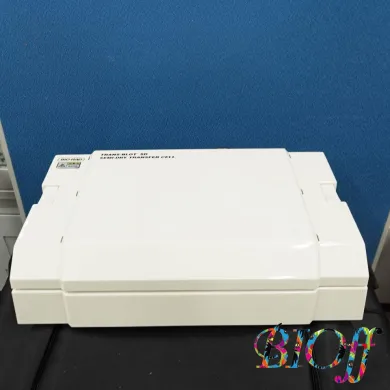
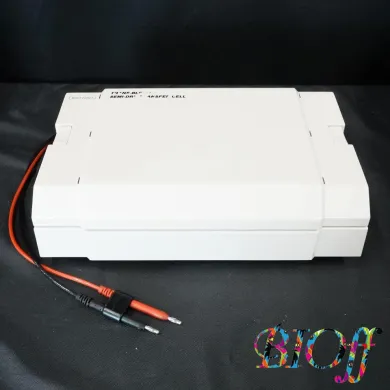
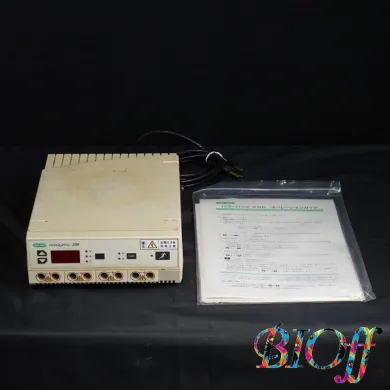
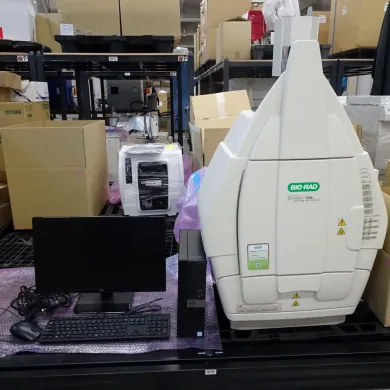
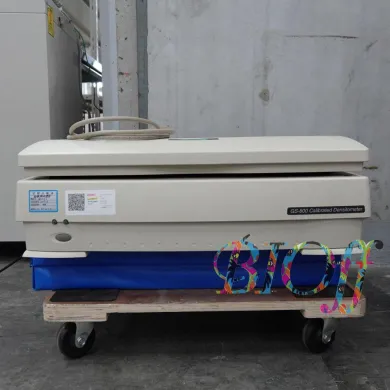
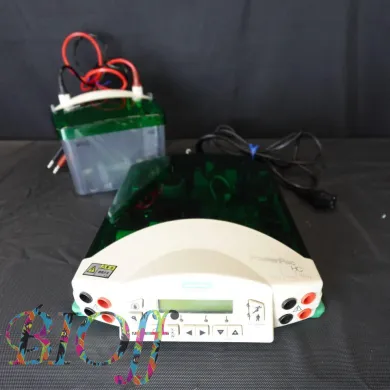
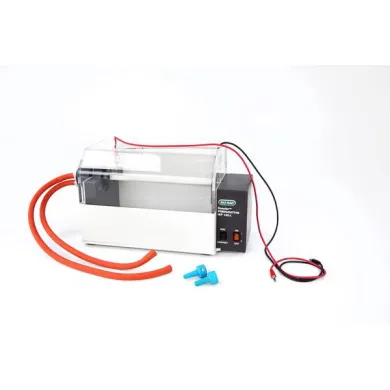
164-5052 Electrophoresis Power Supply Unit
- Category
- Electrophoresis
- Brand
- Bio-Rad
- Suppliers
- 1 verified
Not the exact instrument you need?
Tell our scientists what you are after. We track it down, including off-market supply.
Showing 1–40 of 492 listings
Show 40 more listingsAbout Bio-Rad
Bio-Rad Laboratories, Inc. is an American manufacturer of life science research and clinical diagnostics instruments, founded in 1952 by husband-and-wife chemists David and Alice Schwartz, both UC Berkeley graduates. The company began supplying ion-exchange resins and biochemicals from a small Quonset hut in Berkeley, California, and now operates from Hercules, California. It remains an independent publicly traded company, listed on the NYSE as BIO and BIO.B and majority-controlled by the founding Schwartz family through dual-class shares. Its instruments cover digital PCR, real-time PCR and thermal cycling, electrophoresis and blotting, imaging, flow cytometry, chromatography and protein purification, and multiplex immunoassays. On Questpair, 1195 used Bio-Rad listings are offered by 16 verified suppliers and distributors across 8 countries.
Much of what Bio-Rad builds sits at the centre of molecular biology and genomics. Thermal cyclers run PCR, and the CFX real-time PCR instruments extend that into quantitative PCR for gene expression work and molecular diagnostics. The QX droplet digital PCR platform partitions a sample into thousands of droplets for absolute nucleic acid quantification, a technique used in copy-number analysis, rare-mutation detection and the validation of gene editing outcomes. Electrophoresis and blotting systems separate nucleic acids and proteins by size, and the Trans-Blot western blotting line carries that into protein transfer and detection, with ChemiDoc and GelDoc imagers reading the resulting gels and blots. The ZE5 flow cytometry instrument measures single cells in suspension for immunology and cell culture characterisation, while the NGC chromatography systems handle protein purification. Bio-Plex multiplex immunoassay systems run many analytes from one small sample, work that overlaps immunoassay panels and proteomics. These are the instrument classes behind everyday work in molecular biology, cell imaging and bioprocessing, and the ddPCR and real-time PCR platforms in particular are the ones a lab reaches for in quantitative nucleic acid analysis.
Bio-Rad product lines on Questpair
The listings group around the named product families. QX covers the droplet digital PCR instruments, CFX the real-time PCR systems, and PTC Tempo the conventional thermal cyclers. On the protein side, Trans-Blot handles western blotting, while ChemiDoc and GelDoc cover gel and blot imaging. ZE5 is the flow cytometry entry, NGC the chromatography and protein purification line, and Bio-Plex the multiplex immunoassay platform. Not every family is present in equal numbers, and the mix shifts as suppliers list and sell, so the live catalogue is the place to confirm which CFX or ChemiDoc configuration is currently available. Where a specific module or rotor is needed, having 16 suppliers across 8 countries usually gives more than one listing to compare.
How price and condition break down
Every Bio-Rad listing in the catalogue is used: 100 percent of the listings are used. Prices run from EUR 26 to EUR 172.178. The average listing price is EUR 3.751, which sits well below the top of the range and indicates that the catalogue is weighted toward the smaller bench instruments rather than the large diagnostics analysers. Used units are listed below new prices, and that difference is the main reason a Bio-Rad instrument from this catalogue can fit a tighter budget. Where a warranty is wanted for a particular unit, it is arranged in consultation for that specific listing rather than applied across the catalogue, so the individual listing is where those terms are confirmed. Parts can be sourced via Questpair, and documentation requests reach specialists who respond within the hour, which covers the two tasks that most often follow a used-instrument purchase.
Questpair review of Bio-Rad
Our take based on listings data and supplier feedback
Bio-Rad occupies an unusual position among laboratory instrument makers, because its catalogue runs from the bench tools of basic molecular biology through to clinical diagnostics analysers. For a buyer working through the Questpair listings, that breadth is the first thing worth weighing. The 1195 Bio-Rad entries are not clustered in a single product class; they cover droplet digital PCR under the QX name, real-time PCR under CFX, thermal cycling under PTC Tempo, gel and blot imaging under ChemiDoc and GelDoc, flow cytometry on the ZE5, chromatography on the NGC line, and multiplex immunoassays on Bio-Plex. A lab that standardises on one maker to keep training and consumables consistent can often find several of its instrument classes here under the same name, which is the practical value of that first benefit.
The second point a buyer notices is condition and price. Every Bio-Rad listing on Questpair is used: 100 percent of the listings are used. Prices run from EUR 26 to EUR 172.178. That span is the catalogue doing its job, since a used electrophoresis tank and a used droplet digital PCR platform are genuinely different purchases, and both sit in the same list. The average, EUR 3.751, sits far below the ceiling, which tells a reader that the bulk of the catalogue is weighted toward the bench instruments rather than the large diagnostics systems. For a buyer on a fixed grant line, the used-only nature of the listings is the mechanism that brings a Bio-Rad instrument within reach, because used and refurbished units are listed below new prices. Where a warranty matters for a particular unit, that is arranged in consultation for the specific listing rather than set across the catalogue, so the individual listing is the thing to read.
The third consideration is supply. The Bio-Rad listings come from 16 verified suppliers and distributors spread over 8 countries. For a widely sold model such as a CFX real-time PCR instrument or a ChemiDoc imager, that spread means a buyer is rarely dependent on a single seller, which matters when a specific configuration or rotor module is needed. Parts for Bio-Rad equipment can be sourced via Questpair, and documentation requests reach specialists who respond within the hour, so the two needs that usually slow a used-instrument purchase, finding the right manual and sourcing a missing component, both have a route here. What the catalogue does not offer is servicing, so a buyer planning on in-house or external upkeep should factor that into the decision rather than expecting it bundled with the listing. Taken together, the breadth of classes, the used pricing, and the multi-country supply make the Bio-Rad section of the catalogue most useful to a lab that knows exactly which model it wants and is comparing sources on price and configuration.
**Deep bench across the Bio-Rad workflow**
The Questpair catalogue carries 1195 Bio-Rad listings spanning digital PCR, thermal cyclers, electrophoresis, imaging and flow cytometry, so a lab replacing one instrument class can often match it from a single maker already represented here.
**Used pricing across a wide range**
Every Bio-Rad listing is used, and prices run from EUR 26 to EUR 172.178, which puts both a single blotting tank and a complete ddPCR platform within reach of the same catalogue.
**Supply spread across several countries**
The Bio-Rad listings come from 16 verified suppliers and distributors across 8 countries, giving a buyer more than one source for a given CFX or ChemiDoc model.
Frequently asked questions
Where can I find manuals and documentation for a Bio-Rad instrument?
If a listing does not include the manual you need, you can request it through Questpair and specialists respond within an hour. This covers documentation for platforms like the CFX real-time PCR line or the ChemiDoc imagers.
How much does a used Bio-Rad instrument cost?
Across the catalogue prices range from EUR 26 to EUR 172.178, with an average of EUR 3.751. A single electrophoresis power supply or gel documentation unit sits near the bottom, while a flow cytometer or chromatography system sits near the top.
What is the difference between refurbished and used Bio-Rad equipment?
Both are listed below new pricing, and that price difference is the clearest reason to buy either rather than new. Condition is described per listing, so check the specific unit for how it was tested and reconditioned.
Do these Bio-Rad instruments come with a warranty?
Warranty is not a fixed catalogue term here. It is often possible and arranged in consultation for the individual listing, so raise it against the specific unit you are considering.
Is Bio-Rad equipment suited to clinical or research work?
Bio-Rad builds for both: its range spans life science research instruments like the QX droplet digital PCR and ZE5 flow cytometry alongside clinical diagnostics analysers. The listings also include reagents, consumables and quality controls that feed both settings.
How long do Bio-Rad instruments last?
Lifespan depends on the platform, usage and maintenance history rather than a fixed figure, and bench instruments such as thermal cyclers and imagers commonly stay in service across many years. The history of a specific unit is described in its listing, which is the figure that matters for a used purchase.
Can I get spare parts for a Bio-Rad instrument?
Parts can be sourced via Questpair when a listing is missing a component or a consumable. Note that Questpair does not carry out repair or servicing, so arrange any maintenance work separately before purchase.
What are the alternatives to Bio-Rad for these instrument types?
It depends on the category. For real-time PCR and thermal cyclers the comparison is against other cyclers in the catalogue, for flow cytometry against other cytometers, and for chromatography against other protein purification systems, so match on the technique the ZE5, CFX or NGC performs rather than on the brand alone.
What is the lead time on a used Bio-Rad unit?
Lead time is set by the individual supplier and the configuration of the unit, not by a single catalogue figure. With 16 verified suppliers and distributors across 8 countries, a buyer comparing two units of the same series can often weigh more than one source on availability.
What is the difference between parts and spares when buying Bio-Rad equipment?
In practice the terms overlap: both refer to replacement components such as a power supply board, a blotting cassette or a consumable for the instrument. Either can be sourced via Questpair when a listing does not include what you need.
Does Bio-Rad equipment ship internationally?
Suppliers list across 8 countries, so cross-border shipping is common. Terms, cost and timing are set by the individual supplier on the listing, so confirm them against the unit you want.
Which Bio-Rad product lines are there and how do they differ?
The named platforms split by the work they do: QX runs droplet digital PCR, CFX runs real-time PCR, PTC Tempo handles conventional PCR, Trans-Blot covers western blotting, and ChemiDoc and GelDoc document gels and blots. For protein and cell work, NGC performs chromatography-based purification, Bio-Plex runs multiplex immunoassays, and ZE5 handles flow cytometry.
Which Bio-Rad instrument types are listed here and in what condition?
The listed types include thermal cyclers, molecular biology equipment, electrophoresis power supplies, PCR thermal cyclers, gel documentation systems and PCR instruments. Every Bio-Rad entry in the catalogue is used: all 1194 entries are used units, so 100 percent of the listings are used.
What separates the cheapest Bio-Rad listings from the most expensive?
The range follows the breadth of the product families. A single electrophoresis power supply or gel documentation unit sits near the bottom of EUR 26 to EUR 172.178, while a complete flow cytometer or chromatography system sits near the top, and the average of EUR 3.751 falls closer to the mid-range bench instruments.
About Questpair
Questpair is the European marketplace for lab equipment, where AI-prepared cases and personal specialists guide every purchase. We work with 247 verified suppliers across 38 countries to find buyers the right new, used or refurbished instruments, with response within 1 hour and significant savings vs buying new.
Personal · Fast · Reliable · Affordable