
Invitrogen equipment
We personally find you the right used, refurbished & new Invitrogen instruments & equipment from verified suppliers
Invitrogen is an American life sciences reagent and instrument manufacturer, producing molecular biology, cell biology, and protein biology research products. The company was founded in 1987 by Lyle Turner, Joe Fernandez, and William McConnell in Carlsbad, California, initially commercializing kits for molecular cloning and mRNA isolation. It now operates as a brand under Thermo Fisher Scientific, which acquired it via Life Technologies in 2014. Its product lines include Qubit fluorometers, Lipofectamine transfection reagents, Dynabeads magnetic separation, and Molecular Probes fluorescent dyes. On Questpair, 565 Invitrogen items are listed from 16 verified suppliers and distributors across 8 countries.
Updated:
Invitrogen product list


Not the exact instrument you need?
Tell our scientists what you are after. We track it down, including off-market supply.
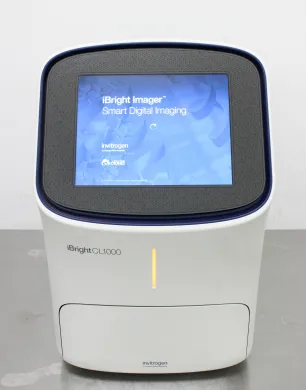
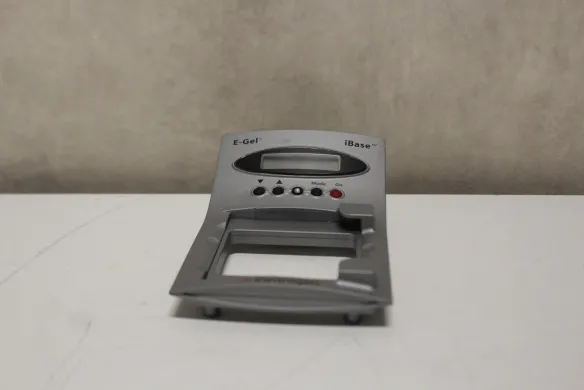
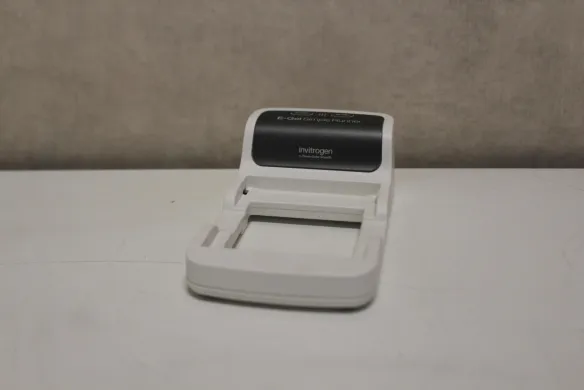
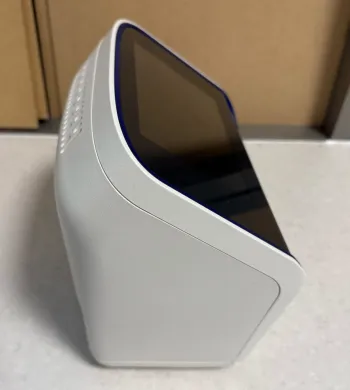
Not the exact instrument you need?
Tell our scientists what you are after. We track it down, including off-market supply.
Showing 1–40 of 156 listings
Show 40 more listingsAbout Invitrogen
Invitrogen is an American life sciences reagent and instrument manufacturer specializing in molecular biology, cell biology, and protein biology research products. It was founded in 1987 by Lyle Turner, Joe Fernandez, and William McConnell in Carlsbad, California, and incorporated in 1989. The company began by commercializing kits for molecular cloning and mRNA isolation. It is now a brand under Thermo Fisher Scientific, which acquired it via Life Technologies in 2014, with corporate operations run from Waltham, Massachusetts. Its catalogue spans reagents, kits, and benchtop instruments used across research workflows. On Questpair, these products are listed by verified suppliers and distributors in 8 countries.
What research does an Invitrogen reagent or instrument do?
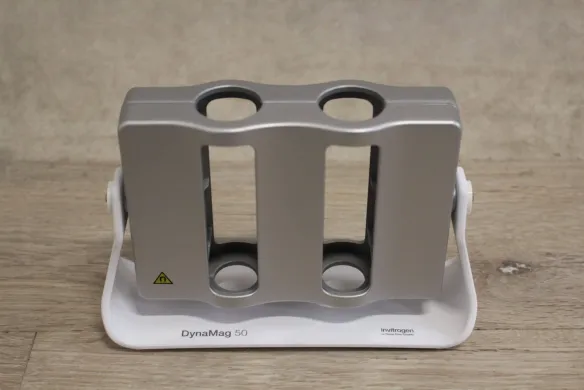
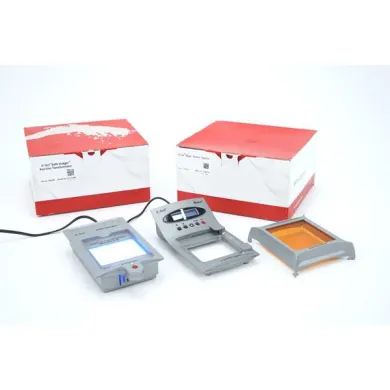
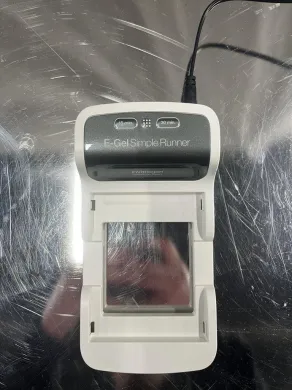
Invitrogen products sit squarely in biotechnology and life sciences work. Transfection reagents in the Lipofectamine line introduce nucleic acids into cells, a core step in gene editing and cell culture experiments. The SuperScript reverse transcriptases and Platinum PCR enzymes support molecular biology at the bench, from cDNA synthesis to amplification, and TOPO TA Cloning kits handle the cloning of PCR products. Fluorescent dyes from the Molecular Probes range, including the Alexa Fluor series, label targets for cell imaging and flow cytometry, and the Dynabeads magnetic separation products isolate cells, proteins, and nucleic acids for protein purification and immunoassay preparation. E-Gel systems run electrophoresis for nucleic acid analysis. These product lines are the working tools of genomics, proteomics, and molecular diagnostics laboratories, also used for synthetic biology construction and antibody-based assay development.
Invitrogen product lines listed on Questpair
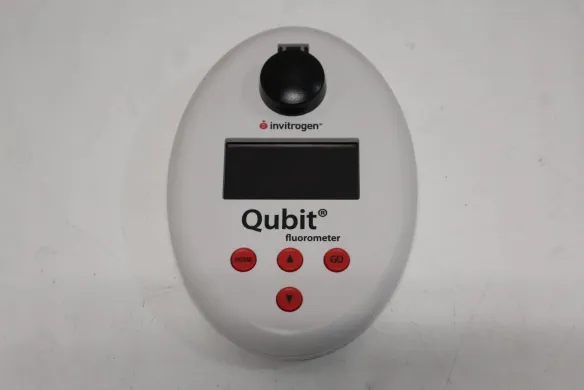
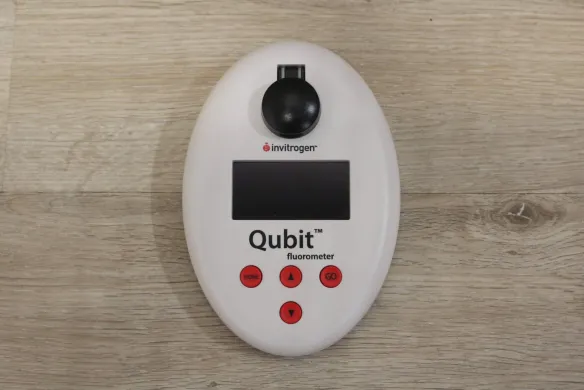
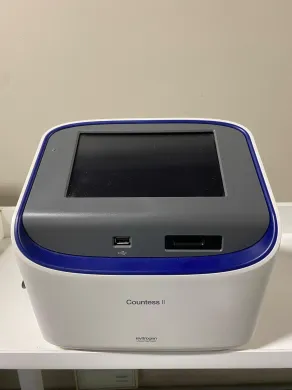
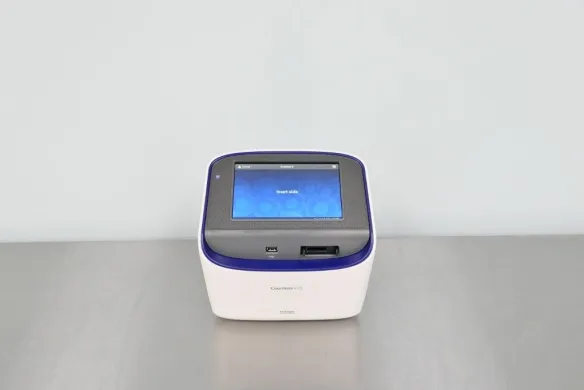
The instruments in the Invitrogen range are the items that most often reach a secondhand marketplace, because they have multi-year service lives. The Qubit fluorometers quantify DNA, RNA, and protein with greater specificity than absorbance readings, and the Countess automated cell counters measure cell concentration and viability for culture work. Both appear among the listings. On the consumable side, the catalogue carries cloning kits, transfection reagents, PCR and reverse transcription enzymes, antibodies, and the GeneArt synthetic biology products. Across these lines, 565 items are listed from 16 verified suppliers and distributors. A buyer comparing listings should note that an instrument and a reagent kit are different purchases with different risks, and should filter by the specific product line rather than by the brand alone.
How condition and price break down for Invitrogen listings
99 percent of the Invitrogen listings are used. Prices range from EUR 22 to EUR 43.044. The average listing price is EUR 2.410, which sits toward the lower end of that range and reflects a catalogue weighted toward reagent kits and smaller consumables rather than the larger instruments. The wide spread makes the full range less informative on its own, so filtering within a single product line gives a more meaningful price comparison. Where a used reagent is listed, the storage history and any stated shelf life matter as much as the price, because those products degrade over time in a way that a mechanical instrument does not. For documentation on a specific item, a buyer can contact Questpair, and parts for the instruments can be sourced through Questpair. Warranty is often possible and is arranged in consultation for the individual listing.
Questpair review of Invitrogen
Our take based on listings data and supplier feedback
Invitrogen occupies an unusual position among the brands listed on Questpair, because its output is split roughly between consumable reagents and the instruments that read them out. That split shapes how its listings behave and is the first thing a buyer should understand before comparing items.
The first benefit, the breadth of the catalogue, is visible in the range of product lines that appear under the Invitrogen name. The 565 items from 16 verified suppliers and distributors cover molecular cloning kits such as TOPO TA Cloning, reverse transcriptases from the SuperScript line, and PCR enzymes from the Platinum range, alongside benchtop instruments. A Qubit fluorometer and a Countess automated cell counter are devices with service lives measured in years, which is why they recur on a secondhand marketplace; a cloning kit is consumed once. Both show up in the same catalogue, so a buyer reading listing titles should separate the two categories early rather than treat every result as equivalent.
The second benefit concerns condition and price. 99 percent of the listings are used. Prices range from EUR 22 to EUR 43.044. That spread is wide because it stretches from a single reagent kit at the low end to a complete instrument system at the high end, and the average of EUR 2.410 sits well below the top figure, which tells you the catalogue leans toward the smaller items rather than the large instruments. For a buyer, this means the headline price range is less useful than filtering within a single product line, where the spread narrows considerably. Where new and used both appear, the used units are listed at lower prices; warranty on any individual unit is arranged in consultation for that specific listing.
The third benefit is geographic reach. Suppliers in 8 countries list Invitrogen items, which matters for reagents in particular. Fluorescent dyes from the Molecular Probes line, including Alexa Fluor conjugates, and the magnetic beads in the Dynabeads range are sensitive to storage and shelf life, so proximity to the supplier and the stated storage history of a listing carry weight. A buyer should read the condition notes on a reagent listing with the same care given to an instrument's service record, because an expired or poorly stored reagent is a different risk from a worn mechanical part.
Taken together, the three benefits point to a practical approach: decide first whether the item is a consumable or an instrument, then filter within the specific product line, then read the condition detail against the risk that type of product carries. The catalogue rewards that method more than it rewards scanning the full 565 results at once.
**Reagents and instruments in one catalogue**
The Questpair catalogue lists 565 Invitrogen items from 16 verified suppliers and distributors, spanning molecular biology kits, fluorescent dyes, and benchtop instruments such as fluorometers and cell counters.
**A used market with wide price range**
99 percent of the listings are used, and prices range from EUR 22 to EUR 43.044, covering single consumable kits through to complete instrument systems.
**Supply across multiple countries**
Invitrogen listings reach buyers from suppliers in 8 countries, giving access to product lines such as Qubit, Lipofectamine, Dynabeads, and Molecular Probes without routing through a single national source.
Frequently asked questions
Where can I get the manual or documentation for an Invitrogen instrument?
Contact Questpair for manuals or documentation and specialists respond within one hour. This covers both the benchtop instruments like Qubit and Countess and the usage guides tied to specific units.
How much does Invitrogen equipment cost?
Listed prices run from EUR 22 to EUR 43.044, with an average of around EUR 2.410. The low end is single reagents and small kits, while the high end is automated instruments such as cell counters and fluorometers, so filter to the product class you need before reading the price.
What's the difference between a refurbished and a used Invitrogen unit?
Both refurbished and used units are listed below the price of new ones, and the specific history of a unit is read from its individual listing. Price is the claim that holds across the comparison, so check the listing for the condition detail of any one device.
Is there a warranty on Invitrogen equipment?
A warranty is often possible and is arranged in consultation for the specific listing. Terms are not set centrally, so the individual listing and supplier hold that detail.
Is Invitrogen equipment suitable for clinical or research use?
Invitrogen products are built for molecular biology, cell biology, and protein biology research, covering transfection, cloning, PCR, nucleic acid quantification, and fluorescence imaging. Whether a specific item fits a clinical or diagnostic workflow depends on the product and its regulatory status, which the listing describes.
How long does an Invitrogen instrument last?
Benchtop instruments like Qubit fluorometers and Countess cell counters are durable lab hardware, and a used unit's remaining service life depends on its age and prior use. Reagents and kits are a separate matter, bound to shelf life and storage conditions rather than operating hours.
Can I get parts for Invitrogen instruments?
Parts can be sourced via Questpair. Submit a request specifying the instrument line and the component you need.
What are the alternatives to Invitrogen?
For nucleic acid quantification and cell counting, other benchtop instrument makers compete with the Qubit and Countess lines; for reagents, several molecular biology suppliers offer comparable reverse transcriptases, PCR enzymes, and transfection reagents. The right alternative depends on which product class you are replacing, so identify whether you need an instrument or a consumable first.
What's the lead time on an Invitrogen order?
Lead time depends on the individual supplier and whether the item is in stock, since listings come from different verified suppliers and distributors. The specific listing and supplier confirm availability and dispatch timing.
What is the difference between parts and spares for Invitrogen equipment?
In practice the two terms refer to the same thing, components for an instrument rather than a complete device. Parts can be sourced via Questpair by naming the instrument line and the component.
Does Invitrogen equipment ship internationally?
Invitrogen listings are offered by 16 verified suppliers and distributors across 8 countries. Shipping arrangements for a specific item are confirmed with the supplier holding that listing.
What product lines does Invitrogen make and how do they differ?
Qubit (fluorometers) and Countess (automated cell counters) are the benchtop instrument lines, while SuperScript (reverse transcriptases), Platinum (PCR enzymes), TOPO TA Cloning, GeneArt, Lipofectamine (transfection), Dynabeads (magnetic separation), Molecular Probes (fluorescent dyes including Alexa Fluor), and E-Gel (electrophoresis) are reagent and kit families. The instruments are machines you buy once, while the reagent lines are consumables tied to a specific protocol step.
Which Invitrogen instrument types are listed on Questpair and in what condition?
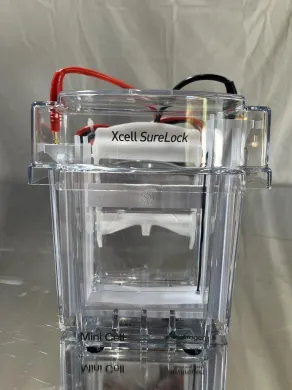
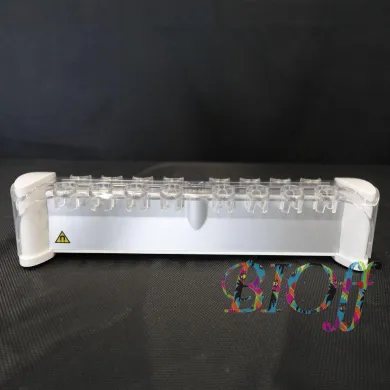
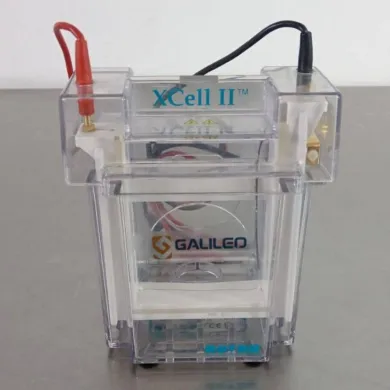
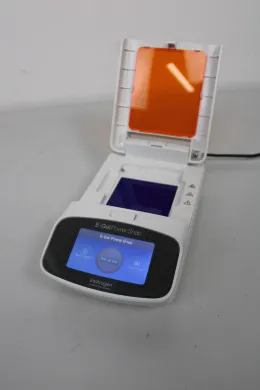
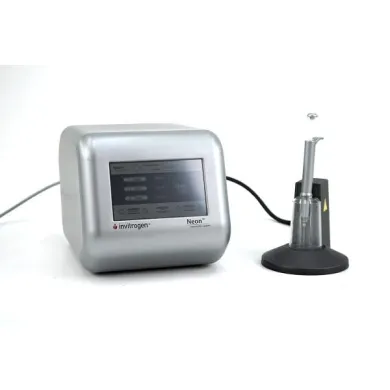
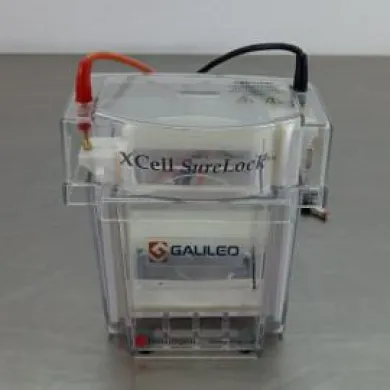
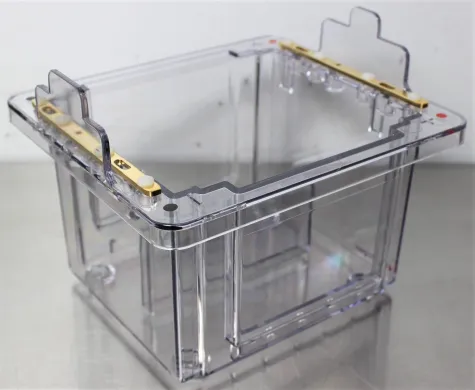
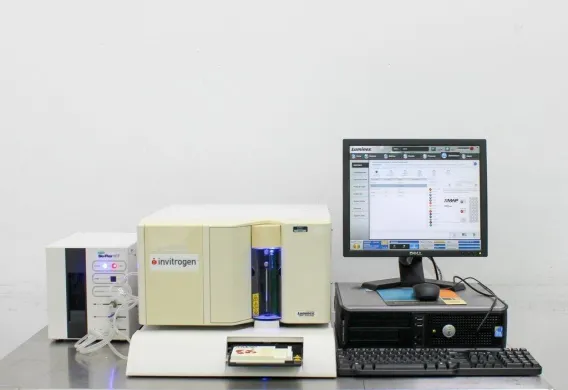
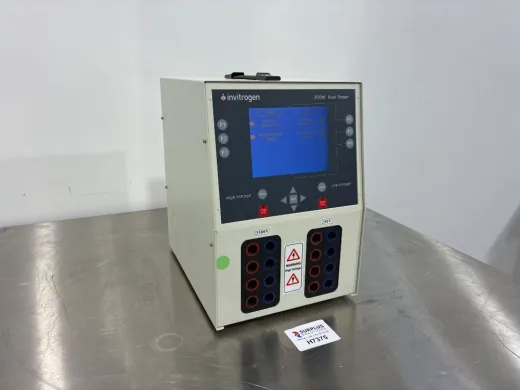
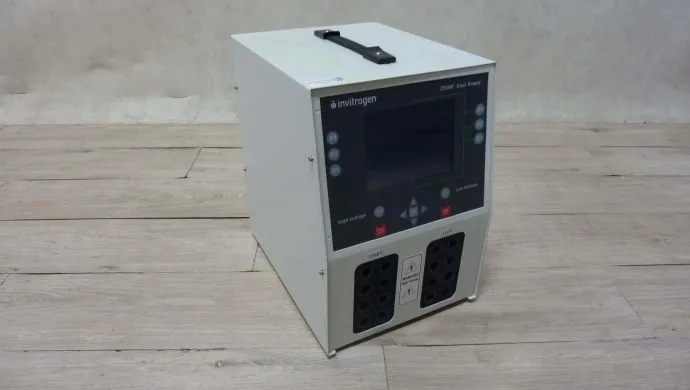
The instrument classes appearing here include molecular biology equipment, electrophoresis power supplies, gel electrophoresis systems, electroporation systems, automated cell counters, and cell transfection devices. 99 percent of the Invitrogen listings are used, with the remainder new, and each listing states the condition of its specific unit.
What separates the cheapest Invitrogen listings from the most expensive?
The lowest prices are single reagents and small kits, and the highest are automated instruments such as cell counters and electrophoresis systems. Condition adds a second factor, since used and refurbished units sit below new ones, so compare prices within one product class rather than across the whole catalogue.
About Questpair
Questpair is the European marketplace for lab equipment, where AI-prepared cases and personal specialists guide every purchase. We work with 247 verified suppliers across 38 countries to find buyers the right used, refurbished or new instruments, with response within 1 hour and significant savings vs buying new.
Personal · Fast · Reliable · Affordable