
Chromatography & Separation
We personally find you the right new, used and refurbished chromatography & separation instruments & equipment from verified suppliers.
Separating a mixture into its components asks for a system whose parts match: a pump that holds flow steady, a column whose chemistry suits the analyte, and a detector sensitive enough to see what elutes. Get one wrong and the separation collapses regardless of the other two. The work spans gas and liquid phases, bench-scale analysis and preparative recovery, each with its own pressure regime and column format. Questpair carries 15466 listings across this field, from 322 verified suppliers and distributors. That count covers everything from a single column to a complete instrument, so the scope here is the whole separation train rather than any one part of it.
Updated:
Chromatography & Separation product list
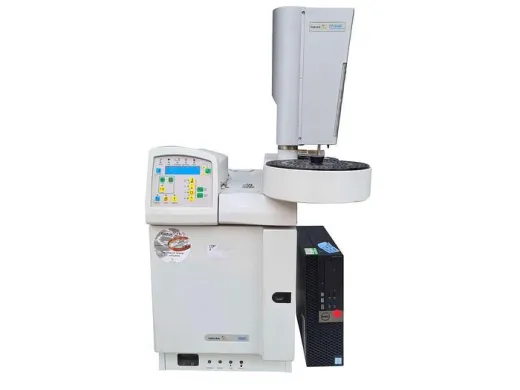
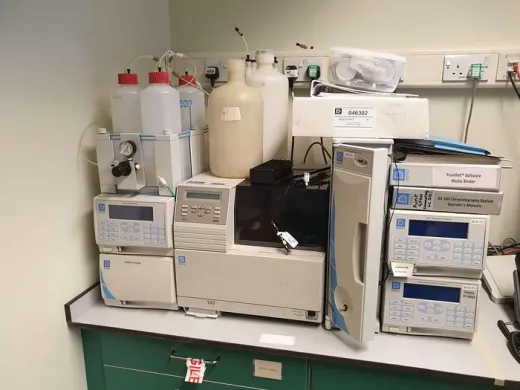
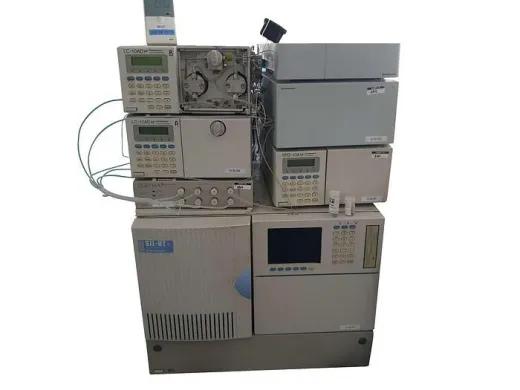
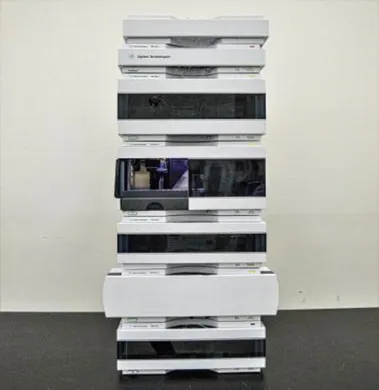
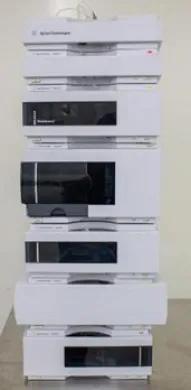
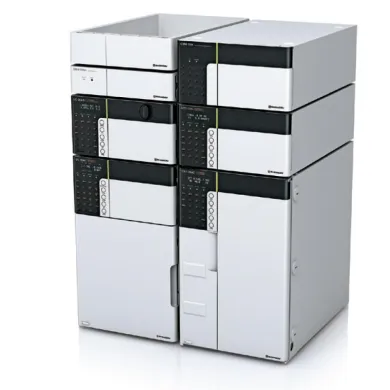
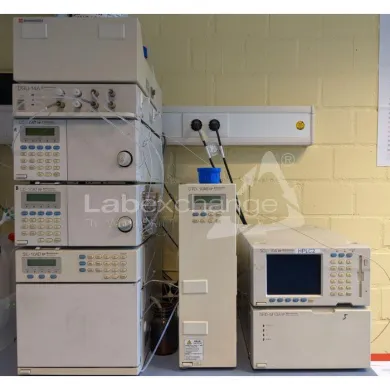
Shimadzu SIL-HT HPLC System with Accessories
- Category
- Hplc systems
- Brand
- Shimadzu
- Suppliers
- 1 verified


Not the exact instrument you need?
Tell our scientists what you are after. We track it down, including off-market supply.
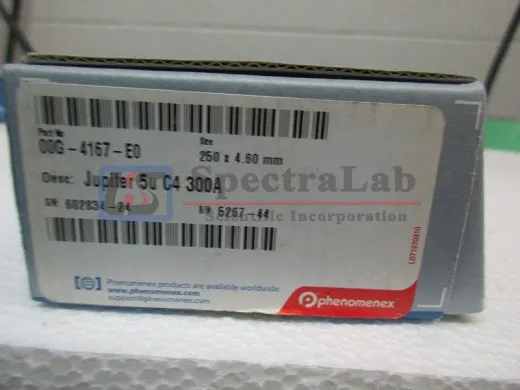
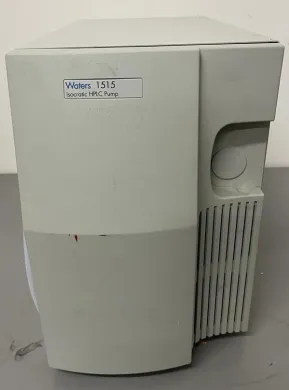
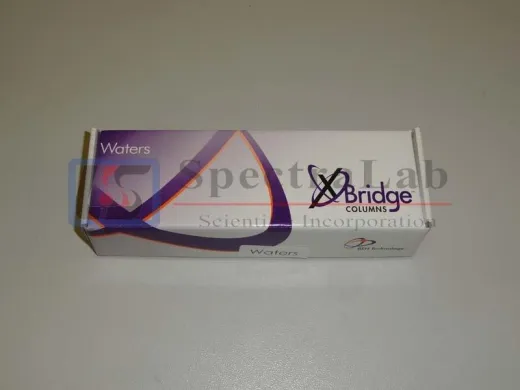
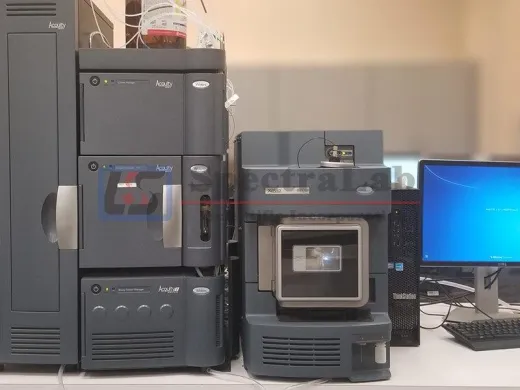
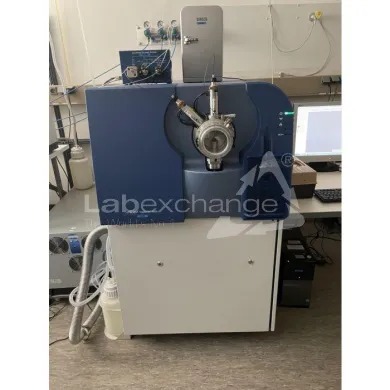
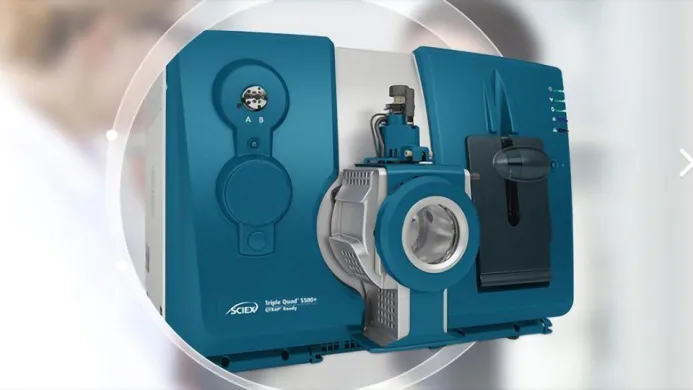
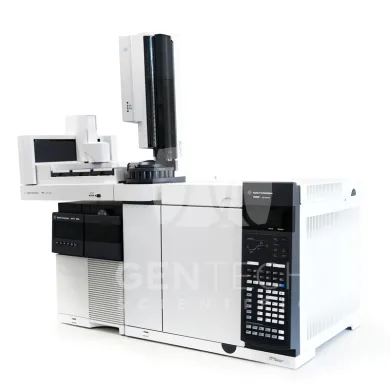
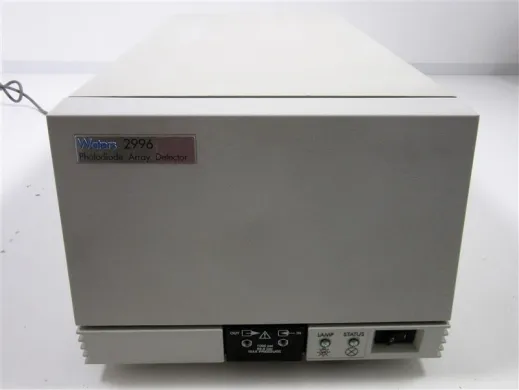
Not the exact instrument you need?
Tell our scientists what you are after. We track it down, including off-market supply.
Showing 1–40 of 2,708 listings
Show 40 more listingsBuying guide
Price across this field stretches further than on any single category, because the listings run from a replacement part to a complete analytical suite. At the low end sit consumables and accessories, fittings, a single column, a length of tubing, where prices start at EUR 1. At the high end sit complete UHPLC instruments with autosampler, pump stack and mass detector, reaching EUR 244.724. The expensive figures belong to the detection and pumping end of the liquid train, where high-pressure hardware and sensitive detectors carry most of the cost; columns and collectors sit well below them.
Condition weighs heavily here. 96 percent of the listings are used. For a field where instruments are built to run for many years and are routinely serviced, a used pump or detector is a normal purchase rather than a compromise, and the lower price against a new unit is often the whole reason to buy on a marketplace. Used and refurbished systems are listed below new pricing, which is the one comparison worth making directly; where a buyer has to weigh the two, the deciding factors live in the individual listing, and warranty is arranged in consultation for that specific unit.
A practical point for anyone assembling rather than replacing: because the parts are listed separately, a working system can be built from a used instrument plus a new column and fresh consumables, which keeps the sensitive, replaceable part fresh while the durable hardware carries the saving. Parts can be sourced via Questpair when a listing arrives incomplete.
Types of Chromatography & Separation
This field draws on several equipment classes that rarely work alone: HPLC and UHPLC systems, gas chromatographs, FPLC and GPC instruments, ion chromatographs, and the columns, pumps, detectors, autosamplers and fraction collectors that complete them. Chromatography runs as a sequence, sample in at one end and separated fractions or a chromatogram out at the other, and the stages below follow that order. Where two stages constrain each other, that is where the equipment choice actually binds.
Choosing the phase: gas or liquid?
The first decision is whether the analyte will travel in a gas stream or a liquid one, and it is made by the sample, not by preference. Volatile, thermally stable compounds separate in a gas chromatograph, where a carrier gas carries them through a heated capillary column. Everything else, which is most of what a life sciences lab handles, goes into liquid chromatography. That split decides the whole downstream train: a GC system needs an injector, an oven and a flame or mass detector, while a liquid setup needs a high-pressure pump, a packed column and an optical or electrochemical detector. The two share almost no hardware, which is why the catalogue lists them as separate classes and why a lab committed to one rarely buys into the other.
Building the liquid train: pump, column, detector
Within liquid work the pressure regime sets the equipment. Conventional HPLC runs to a few hundred bar; ultra-high-pressure instrumentation pushes well beyond that, driving smaller particles for sharper peaks and faster runs. A pump rated for one is not interchangeable with the other, and neither are the columns, so the choice at the pump end commits the column end. The column itself is where the separation happens: reversed-phase, ion exchange and size-exclusion media each sort molecules on a different property, and the Questpair catalogue carries columns and chromatography media as their own listings so a worn column can be replaced without the instrument. After the column sits the detector, and here the pairing matters: a UV detector needs an analyte that absorbs, while a conductivity detector suits the ion chromatography that handles charged species a UV cell cannot see.
What happens to what comes off the column?
Analytical and preparative separation diverge at the outlet. Where the goal is a chromatogram, the detector signal is the product and a data system records it. Where the goal is purified material, as in FPLC protein work or GPC polymer fractionation, the eluent itself is the product and a fraction collector routes each peak into its own vessel. That changes what the rest of the train must do: a preparative run needs wider columns, higher flow and a collector timed to the detector, so a system built for analysis does not simply scale up. Automation sits across both: autosamplers feed a queue without an operator, and the chromatography data systems listed here turn the detector trace into integrated, reportable peaks. These are the pieces that connect the stages, and on a category page each is described alone; the point here is which ones have to agree.
Frequently asked questions
What's the minimum equipment I need to start doing chromatography?
A working liquid train needs three matched parts: a pump to hold flow steady, a column whose chemistry suits your analyte, and a detector that can see what elutes. A gas setup instead needs an injector, a heated oven and a flame or mass detector. Without all three in agreement the separation fails no matter how good any single part is.
Which part of a chromatography setup is the most expensive to set up?
The detection and pumping end of the liquid train carries most of the cost, since high-pressure hardware and sensitive detectors are the expensive components. Columns, fraction collectors and consumables sit well below them. On the Questpair catalogue prices across the whole field range from EUR 1 to EUR 244.724.
What can I buy used and what is better bought new?
Durable hardware like pumps and detectors is built to run for years and is routinely serviced, so a used unit is a normal purchase here. The column and consumables are the replaceable, performance-critical parts, so buying those fresh while the instrument carries the saving is a common way to assemble a system. Used and refurbished units are listed below new pricing.
What has to match between the pump, column and detector?
The pressure regime ties the pump to the column: a pump rated for conventional HPLC is not interchangeable with a UHPLC pump, and neither are the columns, so the choice at the pump end commits the column end. The detector must match the analyte, a UV detector needs a compound that absorbs, while a conductivity detector suits the charged species a UV cell cannot see. In preparative work the fraction collector also has to be timed to the detector signal.
Roughly what does a complete chromatography setup cost?
It depends entirely on scope, since listings run from a single column or length of tubing to a complete instrument with autosampler, pump stack and mass detector. Across this field prices range from EUR 1 at the consumables end to EUR 244.724 for a full UHPLC suite. Building from a used instrument plus a new column and fresh consumables is one way to control where the money goes.
Where does cutting the budget on chromatography cost me later?
Underspecifying the pump or detector binds the rest of the train, because a pump rated only for conventional HPLC closes off the smaller particles and sharper peaks that higher pressure provides. Choosing a detector that cannot see your analyte, such as a UV cell for charged species, means no separation at all regardless of pump and column. A column, by contrast, is a listed part on its own and can be replaced without the instrument when it wears.
Which chromatography equipment is shared with other work?
Within liquid chromatography, pumps, autosamplers, detectors and data systems carry across analytical and preparative work, though preparative runs need wider columns and higher flow. Gas and liquid systems share almost no hardware, which is why a lab committed to one rarely buys into the other. Autosamplers and chromatography data systems are the pieces that connect stages across both analytical and preparative setups.
What should I check on used chromatography equipment before buying?
Confirm the pressure rating of a pump matches the column format you intend to run, since HPLC and UHPLC parts are not interchangeable, and check the detector type against your analyte. Ask whether the listing arrives complete, as parts can be sourced via Questpair when something is missing. The deciding factors between a specific used and new unit live in the individual listing, and warranty is arranged in consultation for that unit.
About Questpair
Questpair is the European marketplace for lab equipment, where AI-prepared cases and personal specialists guide every purchase. We work with 247 verified suppliers across 38 countries to find buyers the right new, used or refurbished instruments, with response within 1 hour and significant savings vs buying new.
Personal · Fast · Reliable · Affordable