
ELISA & Plate-Based Assays
We personally find you the right new, used and refurbished elisa & plate-based assays instruments & equipment from verified suppliers.
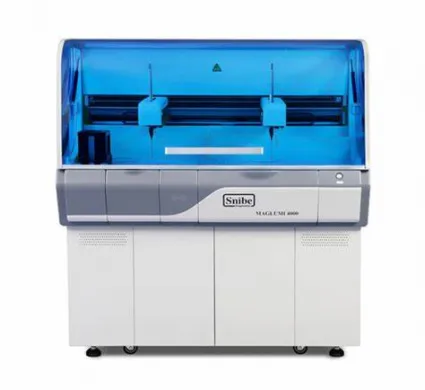
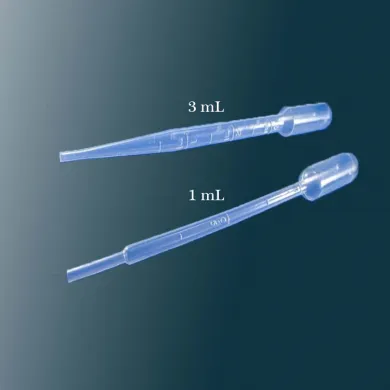
A plate-based assay stands or falls on repeatability across 96 or 384 wells, so the work demands equipment that treats every well the same: dispensing to within a microlitre, washing without carry-over, reading at a fixed wavelength. The marketplace carries 13347 listings for this work from 186 verified suppliers and distributors. What binds here is not any single instrument but the chain they form, because a reader that measures to three decimals cannot rescue a wash step that left residue in half the plate. The spread runs wide, from a single pipette tip to a fully integrated immunoassay platform, and the choice at each stage sets what the next stage can achieve.
Updated:
ELISA & Plate-Based Assays product list
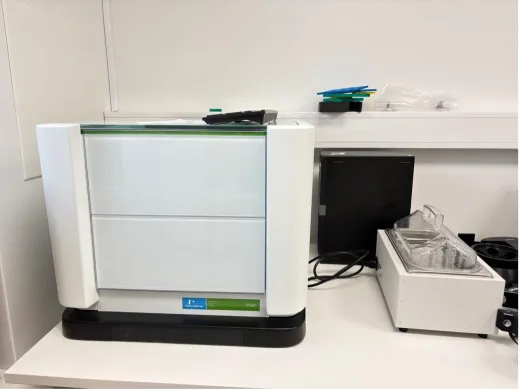
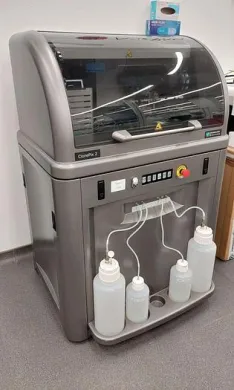
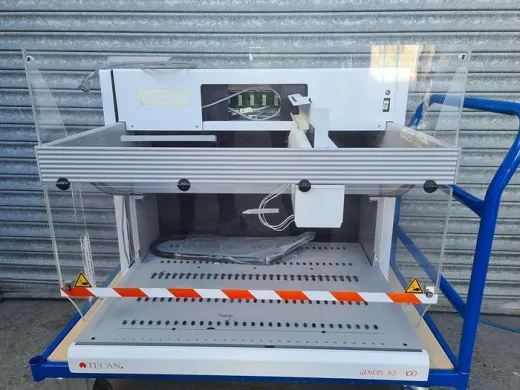


Not the exact instrument you need?
Tell our scientists what you are after. We track it down, including off-market supply.
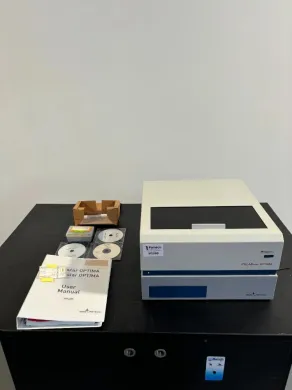
Not the exact instrument you need?
Tell our scientists what you are after. We track it down, including off-market supply.
Showing 1–40 of 4,673 listings
Show 40 more listingsBuying guide
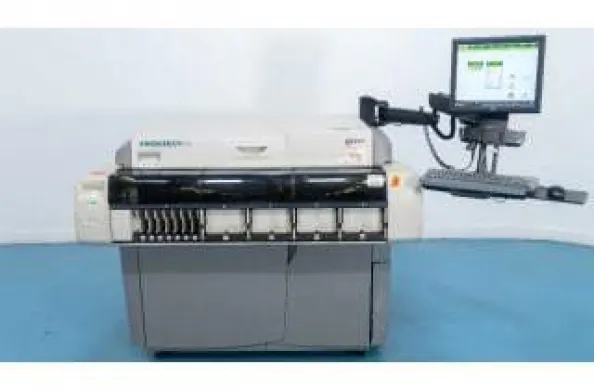
Because this setup spans so many categories, the price spread is far wider than on any one of them. Prices run from EUR 1 to EUR 400.457. At the low end sit consumables and accessories: pipette tips, individual plates, single reagents, where a listing is measured in cents rather than hundreds. The upper end belongs to the detection and automation stages, where an integrated immunoassay platform or an automated liquid handling deck with plate handling carries most of the cost. A microplate reader and a microplate washer sit between those extremes, and for many labs they are the two instruments where condition matters most, because both have moving parts and optics that wear.
On condition, 96 percent of the listings are used. For readers and washers, a used instrument is often the pragmatic choice, since the optics and fluidics can be checked against a known standard before the first real plate. For automated liquid handling, the question turns on whether the deck and the pipetting head still move to spec, which is a calibration question rather than a cosmetic one. Where a buyer weighs a used instrument against a new one, the individual listing is the place to judge it, and a warranty is arranged in consultation for that specific listing. Across the categories, pipettes and plates are where a lab running plate-based immunoassay work spends continuously, while the reader and washer are the one-time decisions that set what the consumables can deliver.
Types of ELISA & Plate-Based Assays
An ELISA run draws on several classes of equipment at once: pipettes and automated liquid handling to move volumes, microplate washers to clear unbound material, microplate readers to quantify the result, and incubation and reagent handling in between. These do not sit side by side so much as in sequence, because the output of one is the input of the next. The work runs in stages, and these are them.
Laying out the plate: how do you get the same volume in every well?
The assay begins with coating and sample addition, and this is where manual and automated approaches diverge most sharply. A single-channel pipette is enough for a handful of wells, but a full plate pulls the work toward multichannel pipettes or automated liquid handling, where a deck moves fixed volumes across all wells without the drift a tired hand introduces. The reason to automate here is not speed alone: it is that edge wells and centre wells receive identical treatment, which a reader downstream cannot distinguish from real signal if they do not. Reagent and antibody addition follows the same logic, with ELISA kits and immunoassay reagents supplying the standardised components the protocol calls for. Where a lab runs many plates, the dispensing step is the one that most rewards a microplate dispenser over hand pipetting.
Washing between steps: why does carry-over decide the result?
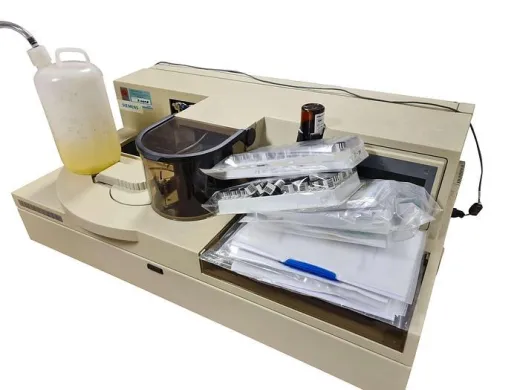
Between each binding step the plate is washed to remove what has not bound, and this is the stage most often underestimated. A microplate washer aspirates and refills every well through fixed manifolds, and the quality of that cycle sets the background the reader will later see. Residue left in a well reads as signal that is not there; over-aspiration that dries a well reads as signal that has gone. The washer and the reader are therefore coupled: a noisy baseline across a plate is as likely to be a wash fault as a reagent one. Microplate wells and the plate format itself constrain this, since a washer set for 96 wells is not a washer set for 384.
Reading and handling: which instrument quantifies the result?
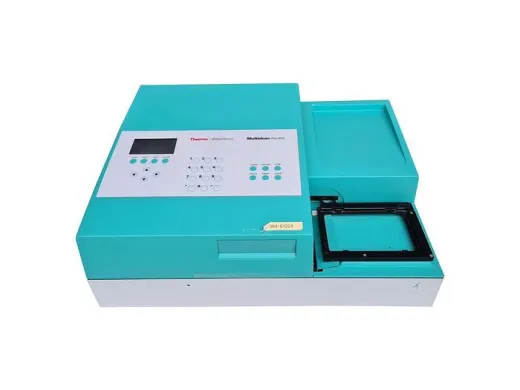
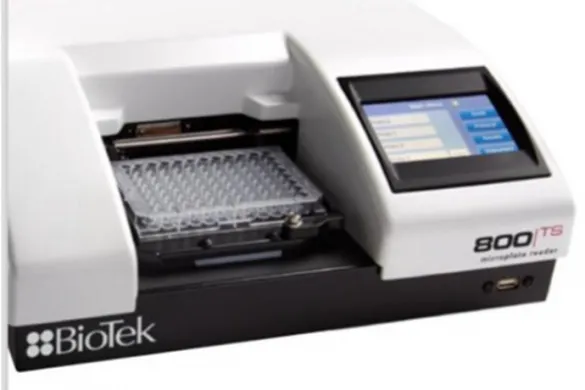
The final stage is detection. Microplate readers measure absorbance, and in immunoassay systems also fluorescence or luminescence, across the whole plate in one pass. The reader's wavelength range and its capacity to hold a fixed path length decide what chemistries it can quantify. Where throughput climbs, microplate handlers and automated platforms stack and feed plates so that reading does not become the bottleneck the rest of the setup was built to avoid.
Frequently asked questions
What equipment do you need at minimum to start running ELISA?
At minimum you need a way to dispense volumes accurately, a way to wash between binding steps, and a reader to quantify the result. That means at least a multichannel pipette with tips, a microplate washer, and a microplate reader, plus the plates and reagents the protocol specifies. A single-channel pipette alone will handle a few wells but cannot keep a full plate consistent.
Which step is the most expensive to set up?
Detection and automation carry most of the cost. An integrated immunoassay platform or an automated liquid handling deck with plate handling sits at the upper end of the range, while the reader and washer fall between that and the consumables. Across the whole brand, prices run from EUR 1 to EUR 400.457.
What can I buy used and what is better bought new?
Microplate readers and washers are often sensible used purchases, because their optics and fluidics can be checked against a known standard before the first real plate. Automated liquid handling bought used turns on whether the deck and pipetting head still move to spec, which is a calibration check. Used and refurbished units list at lower prices than new; warranty on any individual unit is arranged in consultation for that specific listing.
What has to match between the pipetting, washing and reading steps?
The plate format is the binding constraint: a washer configured for 96 wells is not configured for 384, and your pipettes, plates and washer manifolds all have to agree on the same count. The reader's wavelength range must also match the chemistry of your assay, whether that is absorbance, fluorescence or luminescence. Mismatch at any stage shows up as background the next stage cannot separate from real signal.
Roughly what does a complete ELISA setup cost?
Because the setup spans consumables through to integrated platforms, the spread is wide: listings across the brand run from EUR 1 to EUR 400.457. Consumables such as tips, plates and single reagents sit at the low end, a reader and washer in the middle, and automated liquid handling or an integrated platform at the top. The Questpair catalogue lists 13347 items from 186 verified suppliers and distributors to compare against.
Where does cutting the budget cost you later?
Underspending on the wash step is the common one, because residue left in a well reads as signal and a dried well reads as lost signal, and a reader measuring to three decimals cannot correct either. Skimping on dispensing consistency has the same effect: edge and centre wells that receive different volumes produce differences the reader records as real. The one-time instruments set the ceiling on what your consumables can deliver.
Which of this equipment gets shared with other lab work?
Pipettes, both single and multichannel, and a general microplate reader are the pieces most likely to serve work beyond ELISA, since volume transfer and absorbance reading are common to many protocols. Microplate washers and dedicated immunoassay platforms are more specific to plate-based binding assays. If you share a reader, confirm its wavelength range covers every assay you intend to run on it.
What should I check on a used reader or washer before buying?
For a reader, check the wavelength range, the detection modes it supports, and whether the optics still measure a known standard correctly. For a washer, check that the manifolds aspirate and refill evenly without carry-over, and that it is configured for your well count. Both have moving parts and optics that wear, so judge each unit on its individual listing, and parts can be sourced via Questpair if something needs replacing.
About Questpair
Questpair is the European marketplace for lab equipment, where AI-prepared cases and personal specialists guide every purchase. We work with 247 verified suppliers across 38 countries to find buyers the right new, used or refurbished instruments, with response within 1 hour and significant savings vs buying new.
Personal · Fast · Reliable · Affordable