

Microplate handlers
We personally find you the right used, refurbished and new microplate handlers instruments & equipment from verified suppliers.
Microplate handlers are laboratory automation devices that move, position, agitate or stack standardised microplates so that other instruments can read, fill or incubate them without manual intervention. They sit between a plate-based assay and the reader or liquid handler that processes it, which is why they turn up wherever a workflow runs many plates in sequence. Of the 130 units in the Questpair catalogue, 99 percent of the listings are used. New, used and refurbished laboratory equipment all appear here, listed by 12 verified suppliers and distributors across 6 countries. Prices run from EUR 86 to EUR 215.222.
Updated:
Microplate handlers product list


Not the exact instrument you need?
Tell our scientists what you are after. We track it down, including off-market supply.
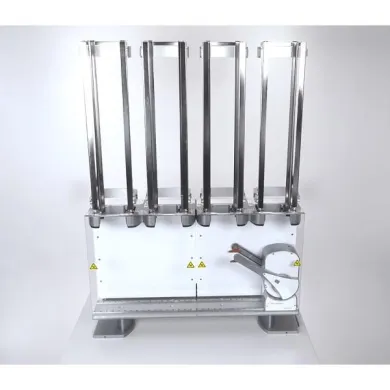
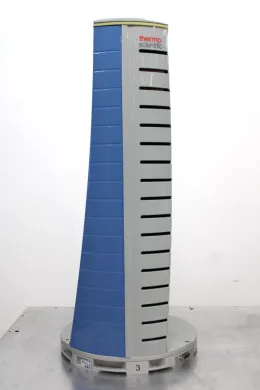
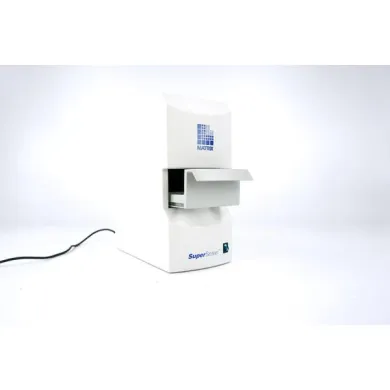
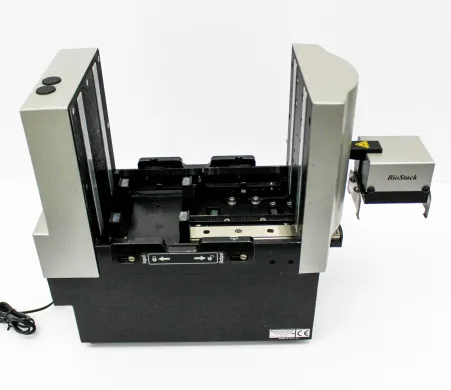
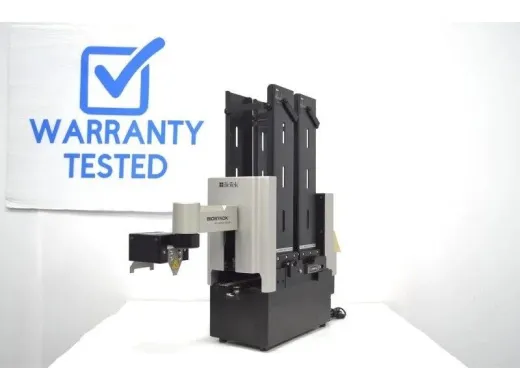
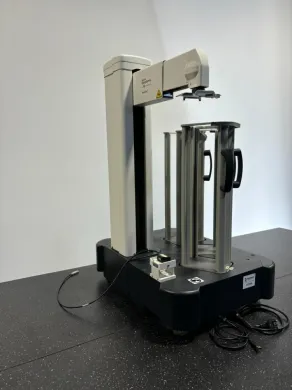
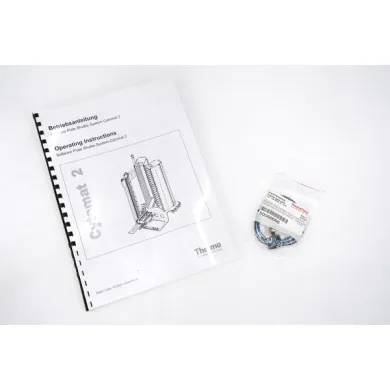
Not the exact instrument you need?
Tell our scientists what you are after. We track it down, including off-market supply.
Showing 1–40 of 145 listings
Show 40 more listingsBuying guide
Throughput settles most of these purchases before any other specification matters. A handler that feeds a single reader at a steady pace is a different machine from a stacker that buffers forty plates for an overnight run, and the two rarely substitute for each other. Work out how many plates move through the bench in a shift, whether they arrive in bursts or a continuous stream, and whether the handler has to talk to a reader or a washer on either side. That integration question, which plate formats the gripper accepts and whether the control software drives the neighbouring instrument, decides more compatibility headaches than the plate count itself.
On a used unit the mechanism is what to verify, not the electronics. Grippers wear, belts slip, and a stacker that has lifted plates for five years may drop or misalign one in fifty, which is enough to ruin an unattended run. Ask for the number of cycles if the seller tracks it, confirm the gripper closes square on a plate, and establish that the control software still installs on a current operating system, since orphaned automation software is a common reason these systems leave service. A microplate shaker is simpler and ages better; an automated plate-handling arm has far more to go wrong.
Price spans a wide range here, from a bench shaker that costs little to an integrated handling system that runs into six figures, so a realistic budget starts from what the surrounding workflow demands rather than from the handler in isolation. Refurbished and used units are listed well below new, and since 99 percent of the catalogue is used, almost everything for sale falls into that lower band. The makers behind the listings, Thermo Scientific, Thermo Fisher Scientific, BioTek, Agilent, Fisherbrand, concentrate at the integrated end, where a Thermo or Agilent handler is built to pair with that maker's reader. That pairing is worth checking before you commit: a handler is only as affordable as the instruments it has to work alongside, and a cheap unit that will not drive the reader you own is no saving at all. Prices run from EUR 86 to EUR 215.222, with an average around EUR 4.559.
Types of Microplate handlers
Which microplate handler types are listed?
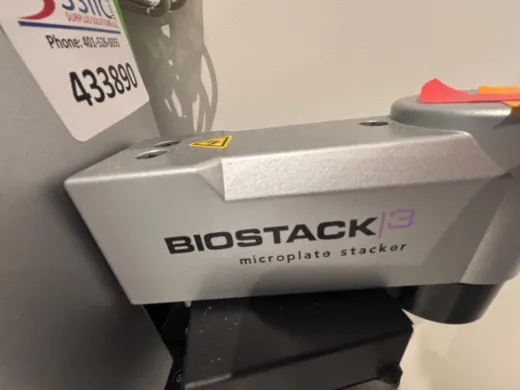
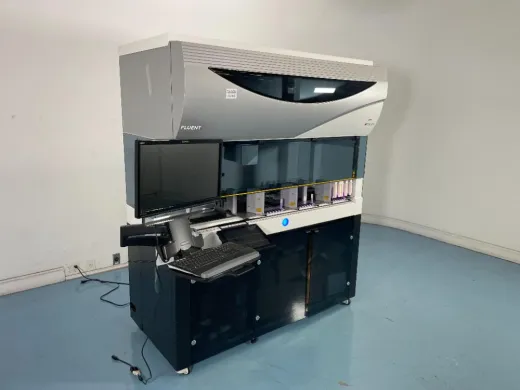
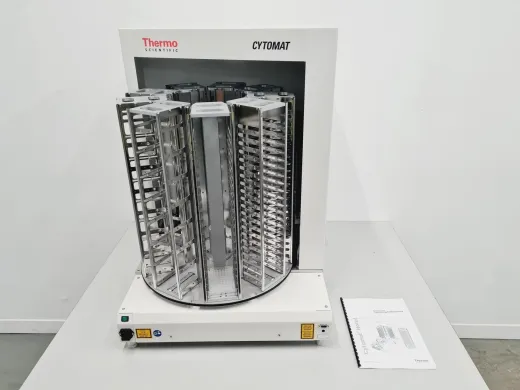
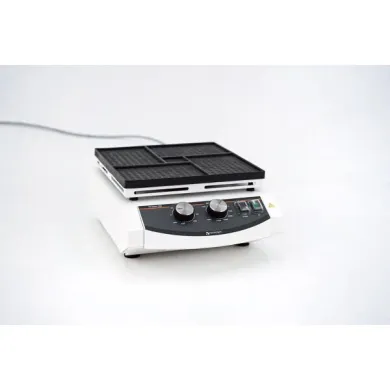
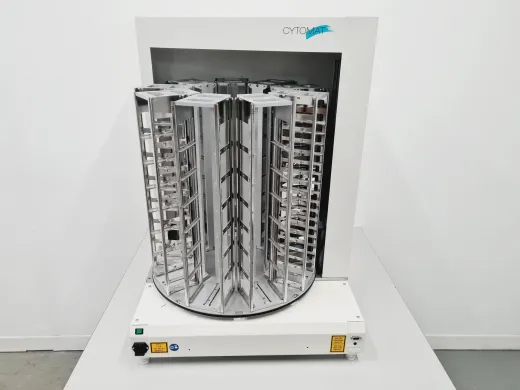
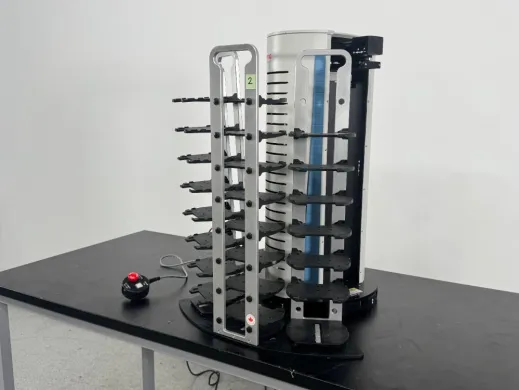
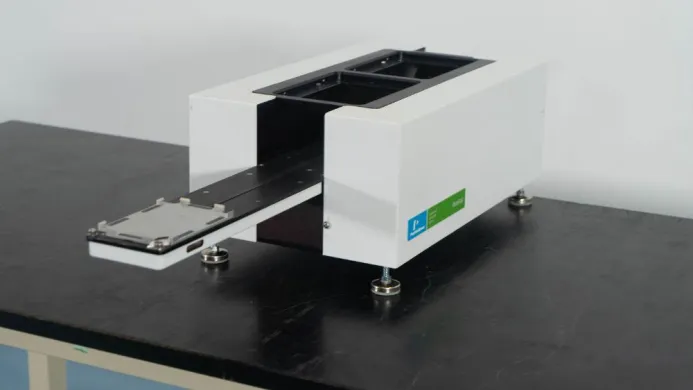
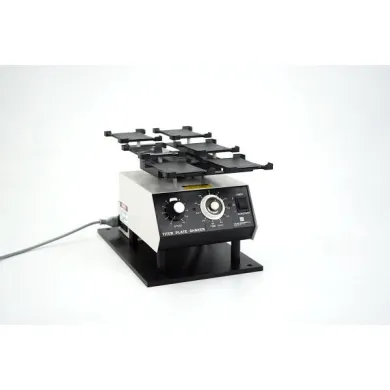
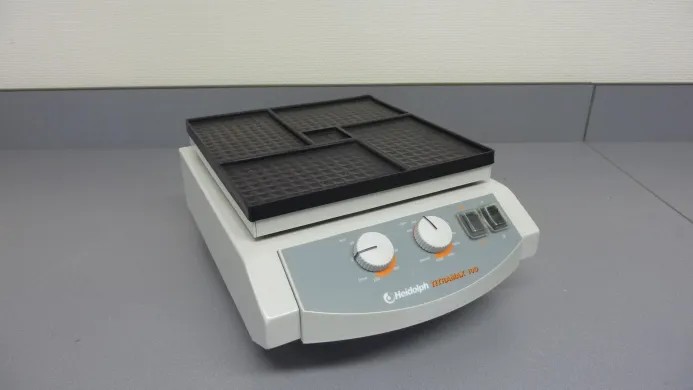
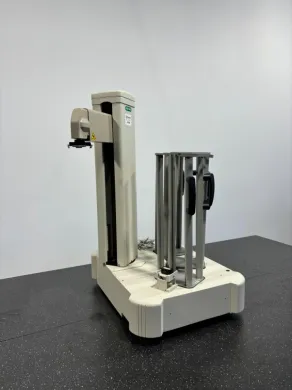
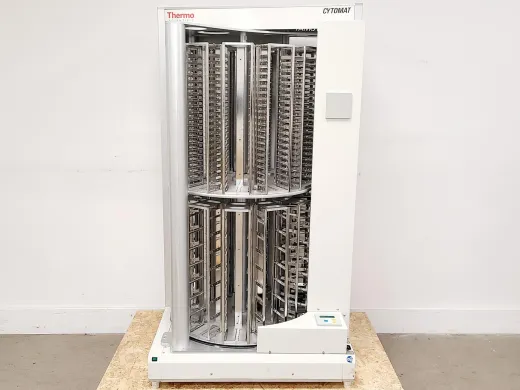
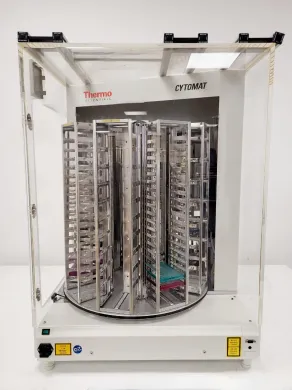
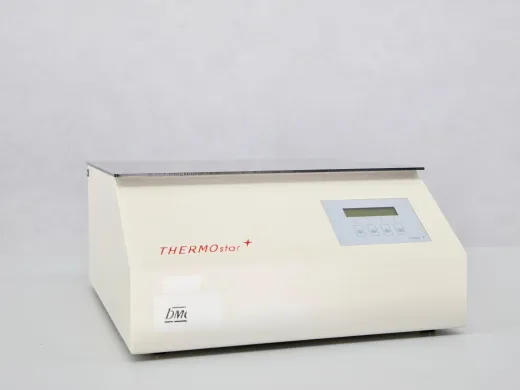
Among the listings that specify a type, the catalogue divides into agitation and movement. A microplate shaker and the broader laboratory shaker keep the contents of every well mixing or resuspending, which matters for cell suspensions settling out and for reactions that need constant motion. A microplate stacker holds a magazine of plates and presents them one at a time, buffering an instrument so it runs unattended. An automated microplate handler, often sold as a microplate handling system or as laboratory automation equipment, adds a robotic arm that transfers plates between separate instruments. Shakers reach for by anyone running plate-based biology; stackers and full handlers by labs running assays at a volume that makes manual loading the bottleneck.
In life sciences this equipment does the repetitive motion behind high-throughput work. Microplate handlers feed the plate readers used in immunoassay and ELISA screening, so an automated microplate handler is central to high-throughput drug screening and to automated cell culture where plates cycle between incubator and reader. A shaker drives cell culture and microbiology, keeping cultures aerated and suspended, and the same agitation serves protein purification and resuspension steps. Stackers feeding a fluorescence reader also underpin genomics and proteomics pipelines, where plate counts run into the thousands and gene editing or molecular diagnostics work depends on processing every sample the same way. These systems are also used for enzyme kinetics and compound library management, wherever a result depends on every plate being handled identically.
The brands behind the microplate handler listings
The makers that recur are Thermo Scientific, Thermo Fisher Scientific, BioTek, Agilent, Fisherbrand. Their presence shapes what a buyer can realistically do. A Thermo or Agilent handler is engineered to integrate with that maker's own readers and washers, which makes it easy to build a matched line but harder to drop into a mixed bench. Because these are the volume brands, parts and replacement grippers are easier to source and comparable models are easier to find side by side, so a buyer can judge one listing against another rather than guessing. BioTek and Fisherbrand widen the field at the simpler, shaker end.
What a used microplate handler costs here
The catalogue is 99 percent used, with 1 new unit among the 130 listings. Prices run from EUR 86 to EUR 215.222, and that spread is the difference between a standalone shaker and a fully integrated handling system rather than a reflection of condition. Used and refurbished units sit below new across the board, which given the mix is where nearly every unit for sale falls.
Frequently asked questions
What is a microplate handler?
It is a laboratory automation device that moves, positions, agitates or stacks standardised microplates so other instruments can read, fill or incubate them without a person loading each plate. It sits between a plate-based assay and the reader or liquid handler that processes the plate.
What does the term microplate handler actually mean?
It covers any device that handles the physical plate rather than the sample inside it: shaking the wells, buffering a stack of plates, or transferring plates between instruments with a robotic arm. The common thread is that the machine deals with the plate itself, not the chemistry.
How do microplate handlers work?
A shaker agitates the wells to keep contents mixed, a stacker holds a magazine of plates and feeds them to an instrument one at a time, and an automated handler uses a gripper and arm to pick a plate and move it between separate instruments. Control software coordinates the motion with the reader or washer it serves.
What types of microplate handler are there?
The listings divide into agitation and movement. Agitation covers the microplate shaker and the broader laboratory shaker; movement covers the microplate stacker that buffers plates for one instrument and the automated microplate handler, also sold as a microplate handling system or laboratory automation equipment, that transfers plates between instruments.
What is a microplate handler used for?
It drives the repetitive plate motion behind high-throughput work: feeding plate readers for immunoassay and ELISA screening, cycling plates between incubator and reader in automated cell culture, and keeping cultures suspended in microbiology. Shakers also serve protein purification and resuspension; stackers underpin genomics and proteomics pipelines where plate counts run high.
How do I choose a microplate handler?
Start with throughput: how many plates move through the bench in a shift, whether they arrive in bursts or a steady stream, and whether the handler has to talk to a reader or washer on either side. Then confirm which plate formats the gripper accepts and whether the control software can drive the neighbouring instrument, since integration causes more compatibility problems than plate count.
What is the difference between refurbished and used?
Both are priced below new, and on this equipment condition shows in the mechanism more than the electronics. A refurbished unit has typically been checked and brought back to working order, while a used unit is sold as it comes, so for either ask about gripper wear and cycle count.
How much does a microplate handler cost?
Across the catalogue prices range from EUR 86 to EUR 215.222, with an average around EUR 4.559. That spread reflects the difference between a standalone bench shaker and a fully integrated handling system rather than condition.
Which brands are worth looking at?
The makers that recur in the listings are Thermo Scientific, Thermo Fisher Scientific, BioTek, Agilent and Fisherbrand. Thermo and Agilent concentrate at the integrated end, while BioTek and Fisherbrand widen the field at the shaker end.
Can I get a warranty on a refurbished unit?
A warranty is often possible and is arranged in consultation for the specific listing. Terms are not set centrally, so check the individual listing when warranty matters to you.
Can I get spare parts and grippers?
Parts, including replacement grippers, can be sourced via Questpair. The volume brands make comparable models easier to find, which also helps when sourcing wear items like belts and grippers.
How long does a microplate handler last?
A microplate shaker is mechanically simple and ages well. An automated handling arm has far more moving parts: grippers wear and belts slip, and a stacker that has lifted plates for years may begin to misalign a plate, which is enough to spoil an unattended run.
Should I buy new or refurbished?
Used and refurbished units are listed below new, and 99 percent of the catalogue is used. The decision usually comes down to budget against the surrounding workflow, so weigh the specific listing and note that warranty is arranged in consultation rather than assumed with any condition.
Where can I buy a microplate handler?
The units in this category are offered through Questpair by 12 verified suppliers and distributors across 6 countries. The catalogue holds 130 listings spanning new, used and refurbished equipment.
What are lead time and shipping like?
Lead time and shipping depend on the individual listing and the supplier handling it. For a specific unit, contact Questpair and specialists respond within an hour with the details for that listing.
What calibration and maintenance does a handler need?
The checks that matter are mechanical: confirm the gripper closes square on a plate, watch for belt slip, and verify that the control software still installs on a current operating system, since orphaned automation software is a common reason these systems leave service. Ask for the cycle count if the seller tracks it.
Which types are listed most and who reaches for which?
The catalogue runs from microplate shakers and laboratory shakers through microplate stackers to full automated microplate handlers and handling systems. Shakers are reached for by anyone running plate-based biology, while stackers and full handlers suit labs where manual loading has become the bottleneck.
Which brands dominate the listings and what does that mean for a buyer?
Thermo Scientific, Thermo Fisher Scientific, BioTek, Agilent and Fisherbrand recur most. A Thermo or Agilent handler is built to pair with that maker's own readers and washers, which makes a matched line easy to assemble but harder to drop into a mixed bench, so check that a unit can drive the reader you already own.
What separates the cheapest handlers from the most expensive?
The bottom of the band is a standalone bench shaker that agitates wells and nothing more. The top is a fully integrated handling system with a robotic arm that transfers plates between instruments and drives the surrounding line, which is why prices reach into six figures while condition barely moves the number.