

Electroporation
We personally find you the right used, refurbished and new electroporation instruments & equipment from verified suppliers.
Electroporation is a laboratory technique that applies a controlled electrical pulse to a cell suspension, opening transient pores in the membrane so that DNA, RNA, proteins or other molecules can pass into the cell. The equipment listed under this category delivers and controls that pulse: electroporators, cuvette chambers and the associated cell transfection devices used across molecular biology. On Questpair, 100 percent of the listings are used, drawn from 13 suppliers in 7 countries. New, used and refurbished units appear here, with prices spanning EUR 43 to EUR 23.240. Because electroporation is a workhorse of gene delivery and transfection, this class of laboratory instrument turns up in genomics, protein work and primary cell research alike.
Updated:
Electroporation product list
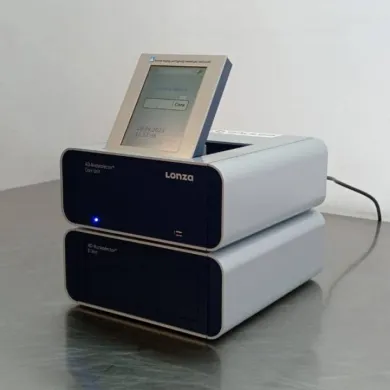


Not the exact instrument you need?
Tell our scientists what you are after. We track it down, including off-market supply.
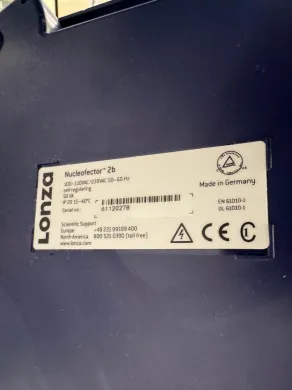
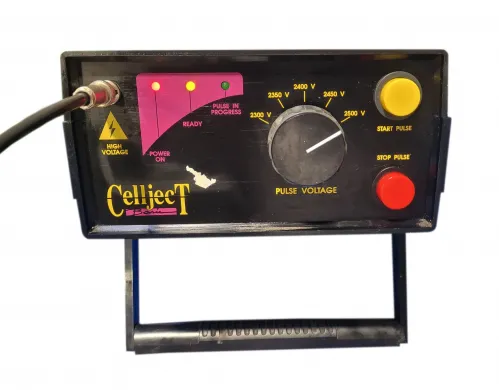
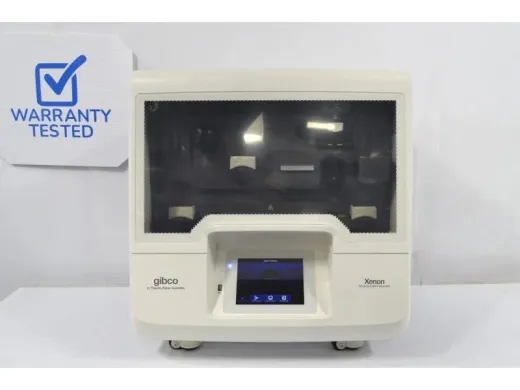
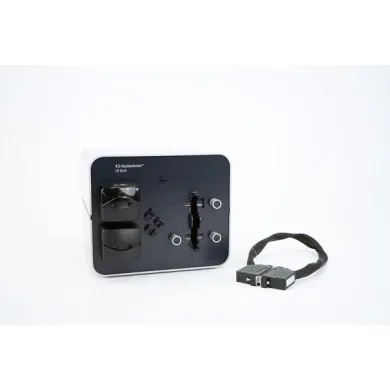
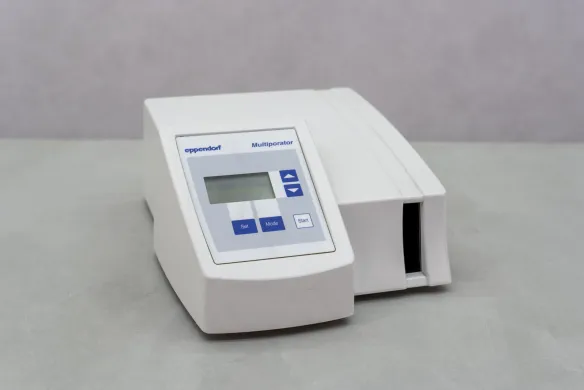
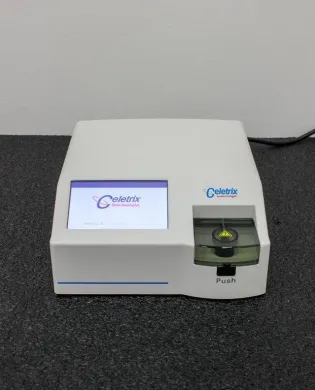
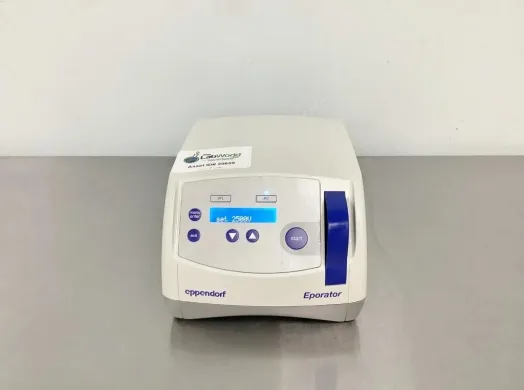
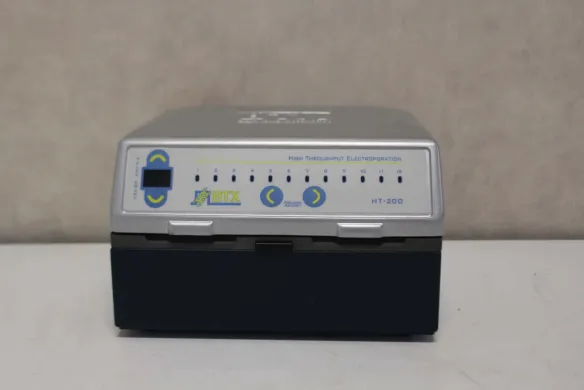
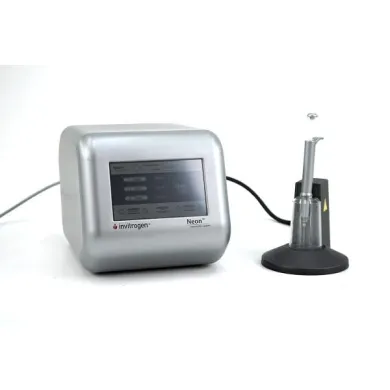
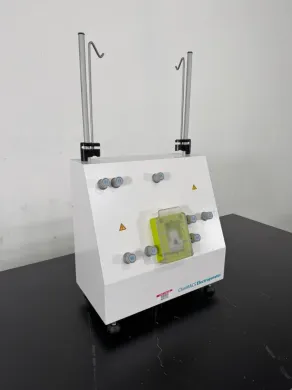
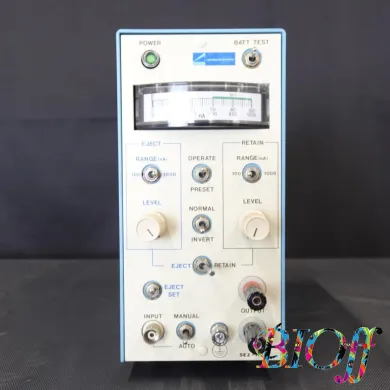
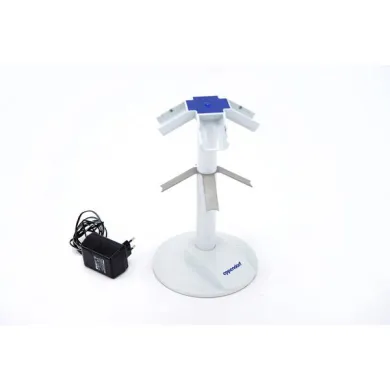
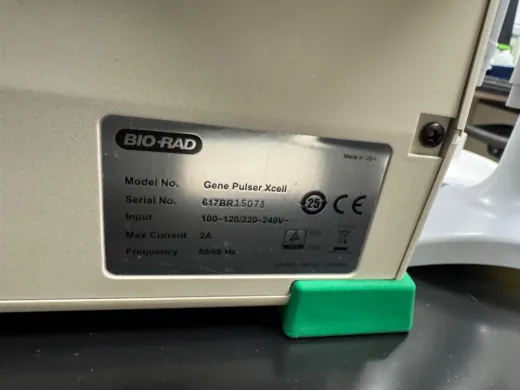
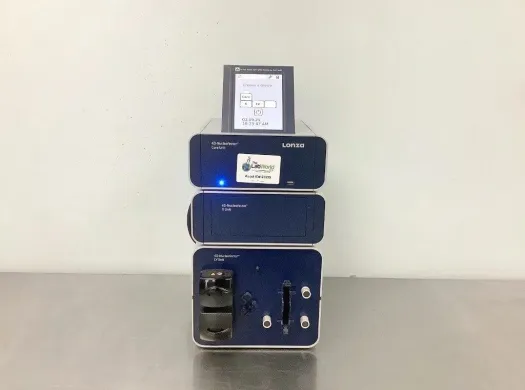
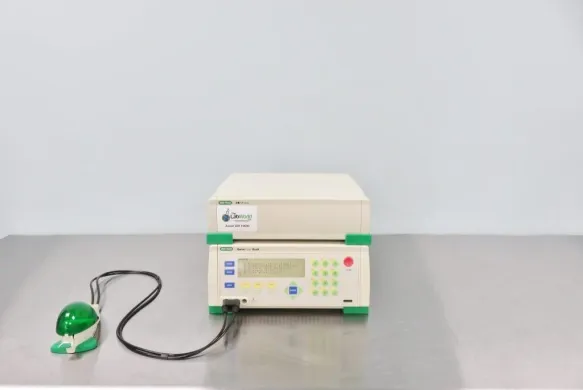
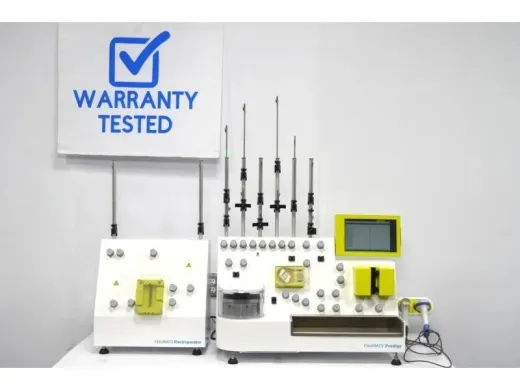
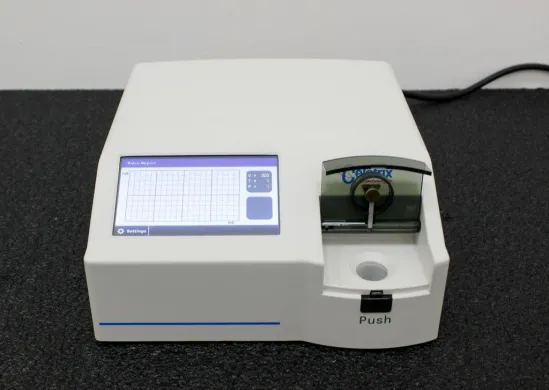
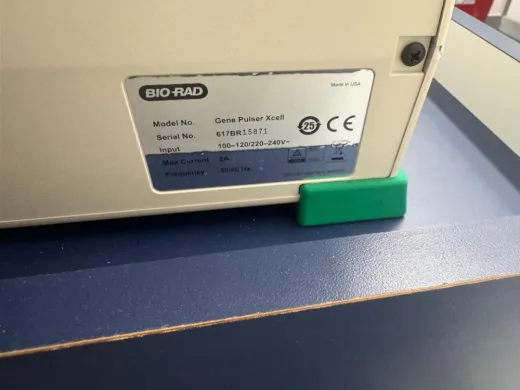
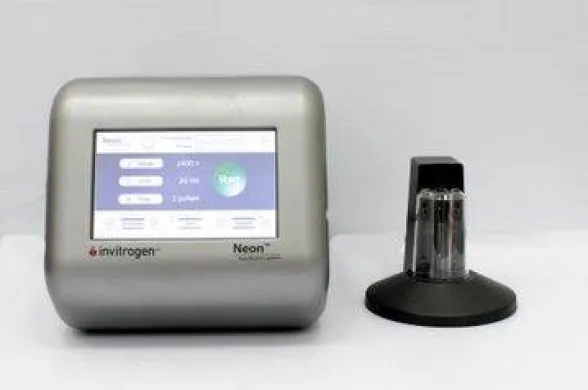

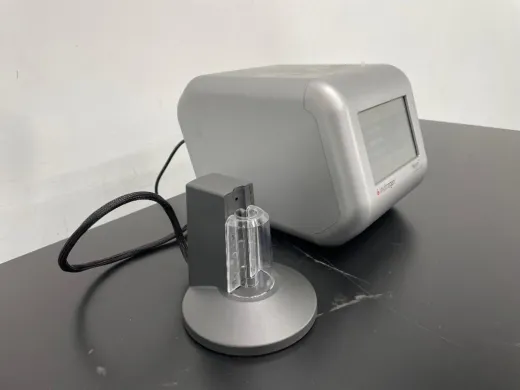
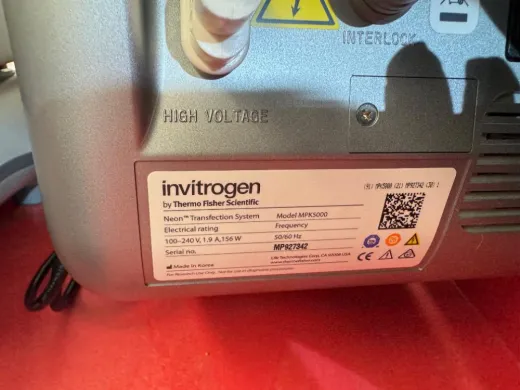
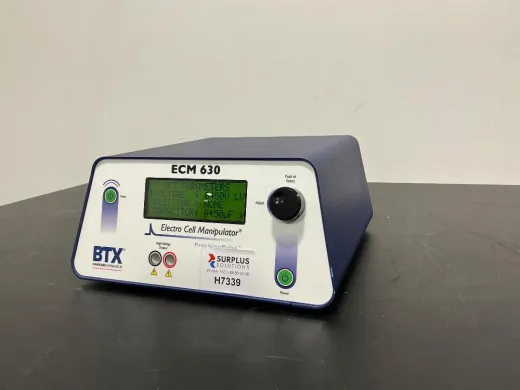
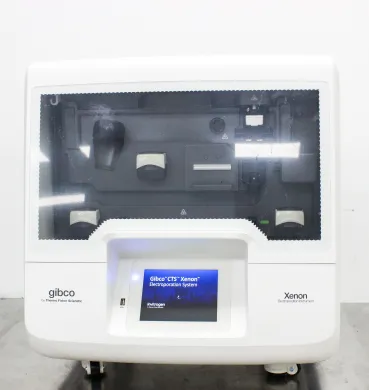
Not the exact instrument you need?
Tell our scientists what you are after. We track it down, including off-market supply.
Showing 1–40 of 71 listings
Show 31 more listingsBuying guide
The pulse an instrument can generate is what separates one electroporator from the next, and it is the first thing to settle. Bacterial and yeast transformation needs a short, high-voltage exponential decay pulse, often in the kilovolt range across a narrow cuvette gap. Mammalian cells, which rupture at those settings, need a square-wave pulse with independent control of voltage, duration and the number of pulses. A unit built for one is awkward or useless for the other, so match the waveform to the cells before anything else. Ask which cuvette gaps and sample volumes a given model supports, whether it offers both decay and square-wave modes, and what range of field strengths it reaches.
On a used system the electronics age less visibly than the mechanics, so verification centres on the pulse itself. A reconditioned electroporator should arrive with evidence that its output voltage and pulse timing still match the front-panel setting, because a drift of a few percent changes transfection efficiency without any outward sign. Confirm which cuvette holder and electrode assembly come with the unit, since those are consumable parts and a mismatch leaves the instrument unusable on arrival. Where a listing is sold as used rather than factory refurbished, the calibration history is worth requesting directly; parts for the common platforms can be sourced via Questpair if an electrode or holder is missing.
Price on this marketplace covers a wide span, and knowing where a model sits within it tells a buyer as much as the headline figure. The range runs from EUR 43 to EUR 23.240, with the low end holding simple bacterial transformation units and bare modules, and the upper end occupied by multi-well and high-throughput transfection platforms. The brands that dominate the listings, Invitrogen, Lonza, Bio-Rad, BTX, Eppendorf, each anchor a different part of that band: some are known for compact transformation boxes that fit a tight budget, others for programmable mammalian systems that cost considerably more. A used or refurbished electroporator for sale here is more affordable than the equivalent new instrument, which is the main reason a buyer weighing cost against capability looks to the secondary market at all. Compare like with like, a square-wave unit against another square-wave unit, before reading anything into the number.
Types of Electroporation
Which electroporation instruments are listed?
Among the listings that specify a type, the catalogue groups into a handful of related forms. A standalone electroporator is the core: a pulse generator with a cuvette or plate chamber, bought for routine transformation and transfection. Cell transfection devices extend that idea toward mammalian and primary cells, often adding square-wave control and multi-well formats. The broader entries filed as molecular biology equipment and molecular biology instruments cover platforms that pair electroporation with other functions or ship as part of a larger workstation, while a gene delivery system describes the same hardware from the application side, where the point is introducing nucleic acid into a target cell line.
The research field behind this category is molecular biology, and electroporation sits inside transfection and gene delivery as its defining work. These systems carry out bacterial and yeast transformation for cloning, mammalian cell transfection for gene expression studies, and are also used for protein and RNA delivery into primary cells. The technique is common in genomics and in gene editing, where electroporation of a CRISPR ribonucleoprotein into cells is now a standard delivery route, and it supports cell culture work across molecular diagnostics and synthetic biology. A buyer searching for a mammalian cell electroporation system or a bacterial transformation electroporator is looking at different ends of this same catalogue, separated by waveform rather than by brand.
The brands behind the electroporation listings
The listings concentrate around Invitrogen, Lonza, Bio-Rad, BTX, Eppendorf. For a buyer, that concentration is useful in practical terms rather than as a mark of status. A platform that appears often is easier to compare across sellers, its cuvettes and electrode holders are more likely to be in circulation as spares, and a replacement for a failed part is easier to source through Questpair. The spread also covers both ends of the technique: some of these makers are associated with compact transformation units, others with programmable systems built for sensitive cell lines. Matching the brand to the waveform and cuvette format a protocol needs matters more than the name on the front panel.
What a used electroporator costs here
100 percent of the listings are used. Prices range from EUR 43 to EUR 23.240, a spread that reflects the distance between a single-function transformation box and a high-throughput transfection platform rather than a difference in condition. The units come from 13 verified suppliers and distributors across 7 countries, so availability of a particular model varies with what sellers currently hold. Where a buyer needs documentation for a specific instrument, that can be requested through Questpair.
Frequently asked questions
What is electroporation?
Electroporation is a laboratory technique that applies a controlled electrical pulse to a cell suspension, opening temporary pores in the membrane so DNA, RNA, proteins or other molecules can enter the cell. The equipment under this category generates and controls that pulse.
What does electroporation mean?
The term describes using electricity (electro) to create pores (poration) in a cell membrane. The pulse makes the membrane briefly permeable, allowing molecules to pass that would otherwise be blocked.
How does electroporation work?
A pulse generator delivers a defined voltage across a cell suspension held in a cuvette or plate chamber, which destabilises the membrane and opens transient pores. Molecules diffuse or are driven into the cells while the pores remain open, then the membrane reseals.
What types of electroporation instruments are there?
Listings group into standalone electroporators, cell transfection devices, gene delivery systems, and broader molecular biology equipment or instruments that pair electroporation with other functions. The main practical distinction is the waveform: exponential decay pulses for bacterial and yeast work, square-wave pulses for mammalian and primary cells.
What is electroporation used for?
It carries out bacterial and yeast transformation for cloning, mammalian cell transfection for gene expression, and protein or RNA delivery into primary cells. Electroporation of CRISPR ribonucleoprotein into cells is now a standard gene editing delivery route.
How do I choose an electroporator?
Start with the waveform your cells need: short high-voltage exponential decay for bacterial and yeast transformation, square-wave with independent control of voltage, duration and pulse number for mammalian cells. Then confirm which cuvette gaps, sample volumes and field strength range a given model supports.
What is the difference between refurbished and used units?
A factory refurbished unit has been reconditioned and typically comes with evidence of its current calibration, while a unit sold as used may not. On a used electroporator the calibration history is worth requesting directly, since pulse drift changes transfection efficiency without any visible sign.
How much does an electroporator cost?
Prices here range from EUR 43 to EUR 23.240, with the average around EUR 4.318. The spread reflects the distance between a single-function transformation box and a high-throughput transfection platform rather than condition.
Which brands make electroporation equipment?
The listings concentrate around Invitrogen, Lonza, Bio-Rad, BTX and Eppendorf. Some of these makers are associated with compact transformation units, others with programmable systems built for sensitive cell lines.
Is a warranty available on a refurbished electroporator?
A warranty is often possible and is arranged in consultation for the specific listing. Terms are not set centrally, so check the individual listing for what applies.
Can I get parts for an electroporator?
Parts such as cuvette holders and electrode assemblies can be sourced via Questpair. Confirm which holder and electrode come with a unit before buying, since a mismatch can leave the instrument unusable on arrival.
How long does an electroporator last?
The electronics in these instruments age less visibly than the mechanics, so a well-maintained pulse generator can run for many years. The limiting factors are usually consumable parts like cuvette holders and electrode assemblies, and whether the pulse output still matches the front-panel setting.
Should I buy new or refurbished?
Used and refurbished units are listed at lower prices than new, which is the main reason buyers weigh the secondary market. Where the choice is close, look at the individual listing and note that warranty is arranged in consultation per listing.
Where can I buy an electroporator?
Listings here come from 13 verified suppliers and distributors across 7 countries. Availability of a particular model varies with what sellers currently hold.
What are the lead time and shipping like?
Lead time and shipping depend on the individual seller and the country the unit ships from, since listings come from suppliers across 7 countries. Details for a specific instrument can be requested through Questpair.
How is an electroporator calibrated and maintained?
Verification centres on the pulse itself: the output voltage and pulse timing should match the front-panel setting, because a drift of a few percent changes transfection efficiency without any outward sign. For a used unit, request the calibration history directly from the listing.
Which instrument types are most listed and who reaches for each?
Standalone electroporators and cell transfection devices form the core of the catalogue, alongside entries filed as gene delivery systems and molecular biology equipment. A bacterial transformation electroporator and a mammalian cell system sit at different ends of the same catalogue, separated by waveform rather than brand.
Which brands dominate this category and what does that mean for a buyer?
Invitrogen, Lonza, Bio-Rad, BTX and Eppendorf account for the bulk of the listings. That concentration means a platform is easier to compare across sellers and its cuvettes and electrode holders are more likely to be in circulation as spares, so match the brand to the waveform and cuvette format a protocol needs rather than the name.
What separates the cheapest electroporators from the most expensive here?
The low end of the range holds simple bacterial transformation units and bare modules, while the upper end is occupied by multi-well and high-throughput transfection platforms. Compare like with like, a square-wave unit against another square-wave unit, before reading anything into the price.