

Microfluidics
We personally find you the right used, refurbished and new microfluidics instruments & equipment from verified suppliers.
Microfluidics are instruments that manipulate and analyse fluids in channels narrower than a human hair, moving nanolitre to microlitre volumes through etched or moulded networks to separate, size and quantify biological molecules. On Questpair, new, used and refurbished microfluidic systems are listed, with 99 percent of the listings used. The Questpair catalogue holds 253 microfluidic listings from 18 verified suppliers and distributors across 9 countries. Prices run from EUR 15 to EUR 232.440. Most of the equipment here runs nucleic acid and protein samples through microchannel electrophoresis, where small volumes and tight channel geometry give sizing and quantitation that a slab gel cannot match in a laboratory setting.
Updated:
Microfluidics product list


Not the exact instrument you need?
Tell our scientists what you are after. We track it down, including off-market supply.
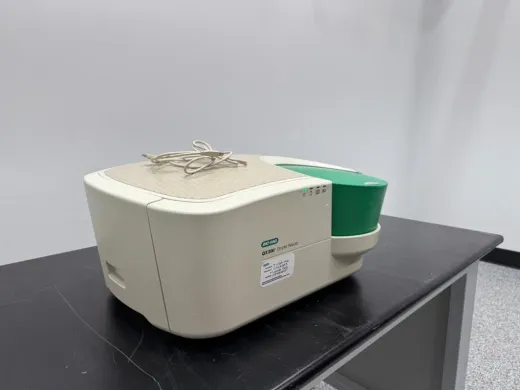
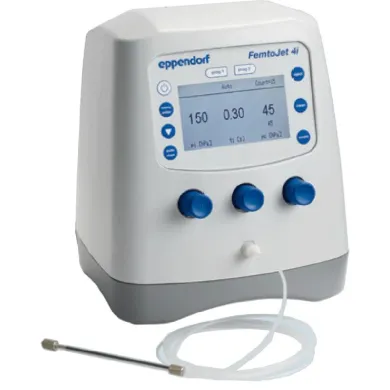
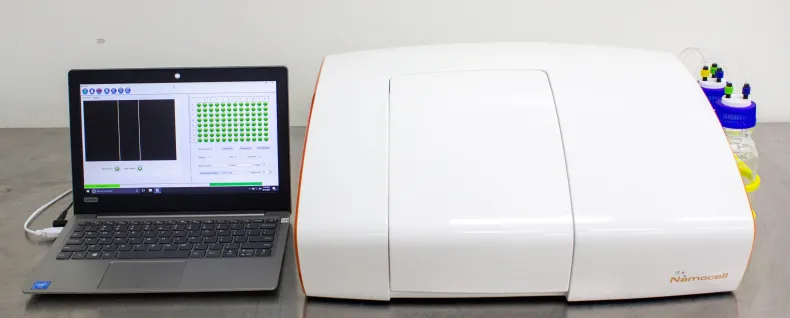
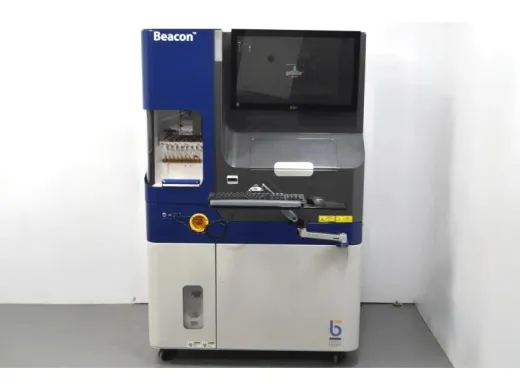
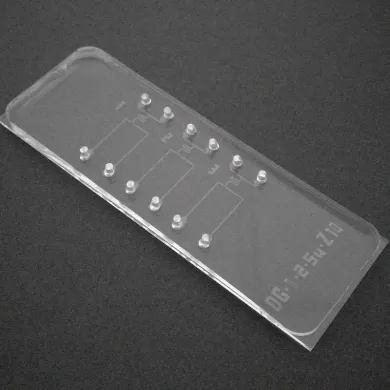
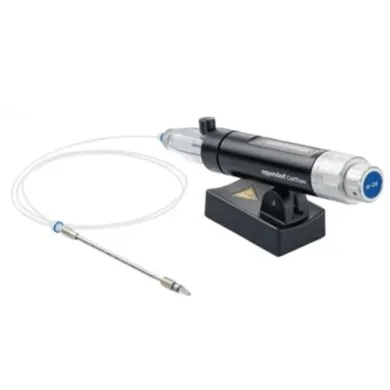
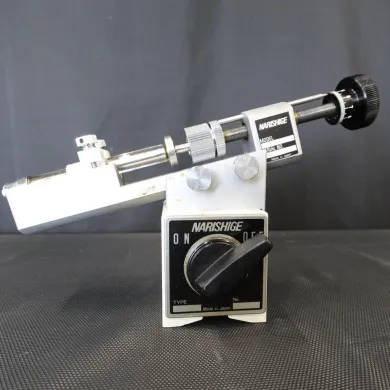
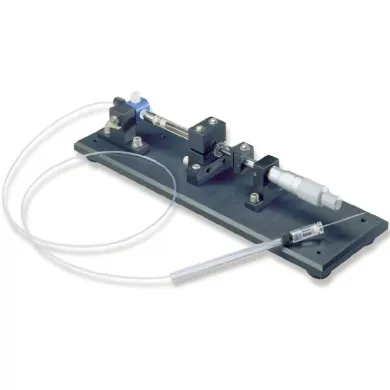
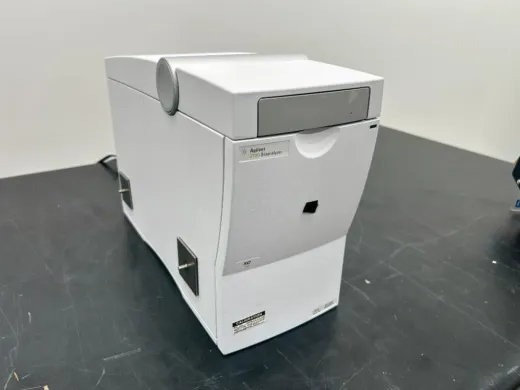
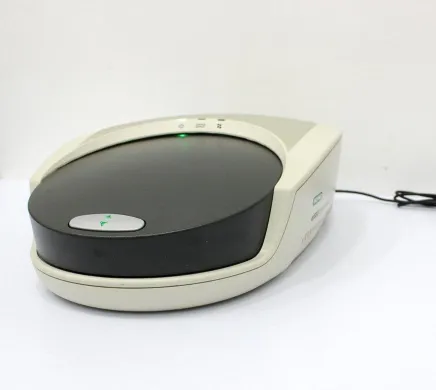
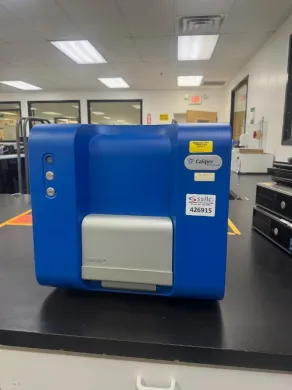
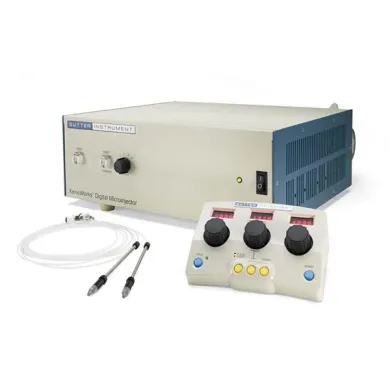

Not the exact instrument you need?
Tell our scientists what you are after. We track it down, including off-market supply.
Showing 1–40 of 175 listings
Show 40 more listingsBuying guide
The sample a microfluidic system actually runs settles the purchase before anything else does. A nucleic acid analyser sizes DNA and RNA fragments and reports concentration and integrity; a protein analyser separates by molecular weight and reports purity. The two overlap in hardware and diverge completely in the chips, reagent kits and software they need, so a unit bought for one job is rarely fit for the other without a reagent chemistry it was never sold with. Fix what you measure first, then ask whether a given instrument measures it.
Channel format follows from that. Some systems read a prepared chip that a buyer loads by hand; others integrate the chip into a cartridge or a sealed consumable with a fixed shelf life. The consumable, not the instrument, governs the running cost, and on a used unit it governs whether the instrument can run at all. Confirm the consumable line is still manufactured and still sold before you commit to the hardware, because a sound instrument tied to a discontinued chip is a paperweight.
On a used microfluidic system the optics and the fluidics are what age. Verify that the laser or LED excitation source still reaches its rated output, that the detector has not drifted, and that the pumps and valves hold pressure without leaking, since a slow leak reads as a quantitation error rather than an obvious fault. Ask for a recent run on a known standard, a sizing ladder or a protein reference, so you see the instrument resolve a sample rather than simply power on. Where a buyer wants calibration or part sourcing, Questpair handles parts and arranges warranty in consultation for the specific listing.
Price spans a wide band here. The catalogue ranges from EUR 15 to EUR 232.440, which separates bare accessories and consumables at the bottom from complete bench analysers at the top. 99 percent of the listings are used, and used microfluidic equipment is listed below new. A buyer working to a fixed budget will find the mid-range occupied by the established names: Agilent, Bio-Rad, PerkinElmer, Precision Nanosystems, 10x Genomics account for most of what is listed, and their systems are the ones a buyer can compare model to model. Refurbished units for sale sit well under the cost of a new instrument, which is what makes this a practical route to a capability that lists in six figures new. Weigh the consumable commitment into that figure before you treat the sticker price as the real cost.
Types of Microfluidics
Which microfluidic instrument types are listed?
Among the listings that specify a type, nucleic acid analysers and protein analysers dominate, with microfluidic electrophoresis systems, DNA fragment analysers, protein analysis systems and broader molecular biology instruments making up the rest. A nucleic acid analyser sizes and quantifies DNA and RNA, which places it squarely in genomics and in the quality control step ahead of sequencing; a DNA fragment analyser does the same work with an emphasis on fragment length distribution, used heavily in genotyping and library preparation. Protein analysers and protein analysis systems separate by molecular weight and read purity, work that belongs to proteomics and to protein purification, also used for antibody characterisation in molecular diagnostics. Microfluidic electrophoresis systems carry out capillary and chip-based electrophoresis, the process that underlies most of this equipment, while the molecular biology instruments cover sample preparation and formulation steps that feed the analysers. These are instruments built for cell culture and nucleic acid workflows where sample is scarce and a slab gel wastes too much of it.
The brands behind the microfluidic listings
Agilent, Bio-Rad, PerkinElmer, Precision Nanosystems, 10x Genomics account for most of the microfluidic equipment in the catalogue. For a buyer, that concentration matters in three practical ways. A model from a widely listed maker is easy to compare, because several units of the same series usually sit on the marketplace at once, so a price is a price in context rather than in isolation. Parts and chips for these makers circulate more freely, which lowers the risk that a used unit strands on a discontinued consumable. And the price level is legible: an established analyser has a known new price, so the gap a used listing offers is visible rather than guessed. The less common names on the list fill specific niches, single-cell partitioning among them, and a buyer reaching for one should confirm the reagent line before the hardware.
What a used microfluidic system costs here
The condition mix is heavily weighted: 99 percent of the listings are used. Prices run from EUR 15 to EUR 232.440, a spread that covers everything from a loose chip or accessory to a complete bench analyser. Used and refurbished microfluidic systems are listed below new, which is the practical draw at this capability level, where a new instrument lists in the tens or hundreds of thousands. The breadth of the band means the headline figure says little on its own; read it against the instrument class and the consumable it needs before treating it as a budget.
Frequently asked questions
What is a microfluidic system?
A microfluidic system is an instrument that moves and analyses fluids in channels narrower than a human hair, handling nanolitre to microlitre volumes through etched or moulded channel networks. It separates, sizes and quantifies biological molecules such as DNA, RNA and proteins.
What does microfluidics mean?
Microfluidics refers to the control of very small fluid volumes through microchannels, where the tight channel geometry governs how samples flow and separate. In a laboratory it is applied to sizing and quantitation of nucleic acids and proteins using minute amounts of sample.
How do microfluidics work?
Sample is driven through a chip or cartridge containing etched or moulded channels, where an applied voltage or pressure separates molecules by size or charge as they pass a detection point. A laser or LED excites the sample and a detector reads the signal to produce sizing and concentration data.
What types of microfluidic instruments are there?
The listings that specify a type include nucleic acid analysers, protein analysers, microfluidic electrophoresis systems, DNA fragment analysers, protein analysis systems and broader molecular biology instruments. The first two groups appear most among the typed listings.
What are microfluidic systems used for?
They size and quantify DNA and RNA for genomics and pre-sequencing quality control, read fragment length distributions for genotyping and library preparation, and separate proteins by molecular weight to assess purity. The common thread is work where sample is scarce and a slab gel wastes too much of it.
How do I choose a microfluidic system?
Start with the sample you measure: a nucleic acid analyser sizes DNA and RNA, a protein analyser separates by molecular weight, and the two diverge completely in their chips, reagent kits and software. Fix the measurement first, then confirm the consumable line the instrument needs is still manufactured and sold.
What is the difference between refurbished and used microfluidic systems?
A used unit is sold in its existing condition, while a refurbished unit has been checked and brought back toward working specification before listing. On both, verify the optics, fluidics and the consumable line rather than relying on the label, and ask for a recent run on a known standard.
How much does a microfluidic system cost?
Prices in the catalogue range from EUR 15 to EUR 232.440, with an average around EUR 14.926. The low end covers loose chips and accessories while the high end covers complete bench analysers, so read the figure against the instrument class before treating it as a budget.
Which are the best-known brands for microfluidic equipment?
Agilent, Bio-Rad, PerkinElmer, Precision Nanosystems and 10x Genomics account for most of the microfluidic listings in the catalogue. Units from a widely listed maker are easier to compare and their chips circulate more freely, while the less common names fill specific niches such as single-cell partitioning.
Can I get a warranty on a refurbished microfluidic system?
A warranty is often possible and is arranged in consultation for the specific listing. Terms are not set centrally, so check the individual listing and raise the question with the supplier before purchase.
Are parts available for these instruments?
Parts and chips for the widely listed makers circulate more freely than those for niche names, which lowers the risk of a unit stranding on a discontinued consumable. Parts can be sourced via Questpair when a listing needs them.
How long does a microfluidic system last?
On a used unit the optics and the fluidics are what age: the laser or LED excitation source, the detector, and the pumps and valves that must hold pressure without leaking. A system whose source still reaches rated output and whose fluidics hold pressure can run for years, so verify those before buying rather than counting on age alone.
Should I buy new or refurbished?
Used and refurbished microfluidic systems are listed at lower prices than new, which is the practical draw at a capability level that lists in six figures new. Weigh the consumable commitment into the figure, and because warranty is arranged per listing, compare the specific unit rather than assuming any difference beyond price.
Where can I buy a microfluidic system?
The Questpair catalogue holds 253 microfluidic listings from 18 verified suppliers and distributors across 9 countries. New, used and refurbished systems are listed together, so you can compare condition and price in one place.
What are the lead time and shipping for these instruments?
Lead time and shipping depend on the individual supplier and the unit's location, which varies across the 9 countries represented in the catalogue. Check the specific listing, and for details Questpair specialists respond within one hour.
How are microfluidic systems calibrated and maintained?
Calibration is checked against a known standard such as a sizing ladder or a protein reference, which shows the instrument resolving a sample rather than simply powering on. Where a buyer wants calibration or part sourcing, Questpair handles parts and arranges warranty in consultation for the specific listing.
Which microfluidic types are listed most and who reaches for which?
Nucleic acid analysers and protein analysers dominate the typed listings. Genomics and pre-sequencing quality control groups reach for nucleic acid analysers and DNA fragment analysers, while proteomics and protein purification groups reach for protein analysers and protein analysis systems; microfluidic electrophoresis systems carry out the capillary and chip-based separation underneath both.
Which brands dominate this category and what does that mean for a buyer?
Agilent, Bio-Rad, PerkinElmer, Precision Nanosystems and 10x Genomics account for most of what is listed. For a buyer that concentration means several units of the same series often sit on the marketplace at once, so a price has context, the parts and chips circulate more freely, and the gap a used listing offers against a known new price is visible rather than guessed.
What separates the cheapest listings from the most expensive here?
The band runs from EUR 15 to EUR 232.440. At the bottom sit bare accessories, loose chips and consumables, while the top holds complete bench analysers with their optics, fluidics and detection intact; the consumable each unit needs factors into the real cost as much as the sticker price does.