

Vacuum equipment
We personally find you the right used, refurbished and new vacuum equipment from verified suppliers.
Vacuum equipment is the class of laboratory apparatus that generates, controls and measures sub-atmospheric pressure, covering the pumps that remove gas from a sealed volume and the valves, controllers and gauges that regulate and monitor it. On Questpair, 1992 new, used and refurbished vacuum equipment listings are available from 21 verified suppliers and distributors across 11 countries. Of those, 90 percent are used, the remainder new. The equipment underpins work from freeze drying and rotary evaporation to filtration, degassing and mass spectrometry, so the pressure range a laboratory needs varies by several orders of magnitude between applications. Prices run from EUR 1 to EUR 258.267.
Updated:
Vacuum equipment product list
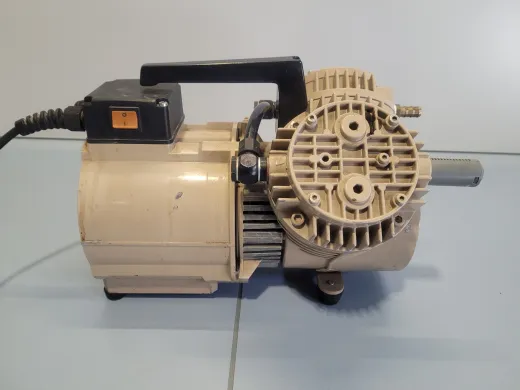
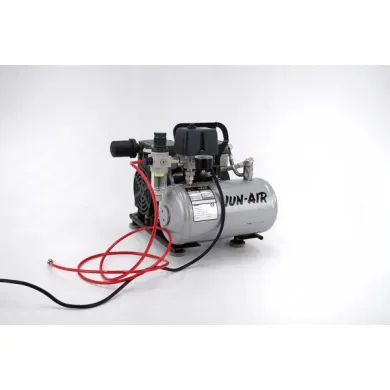
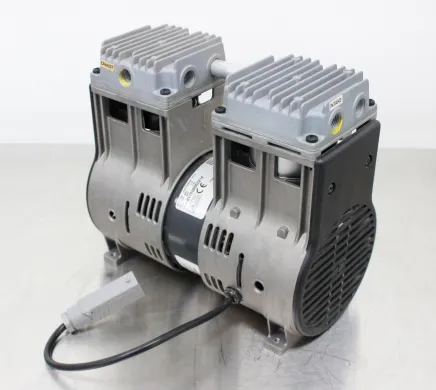


Not the exact instrument you need?
Tell our scientists what you are after. We track it down, including off-market supply.
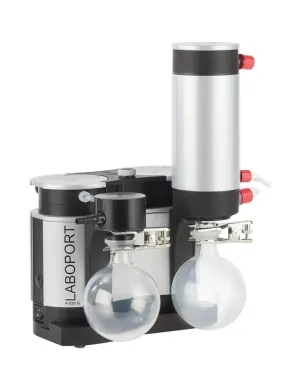
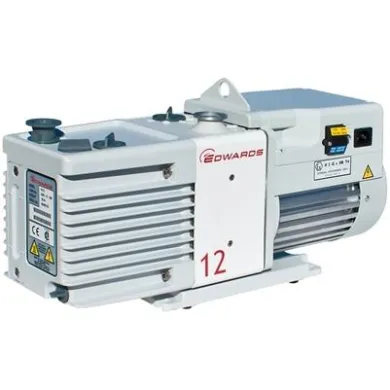
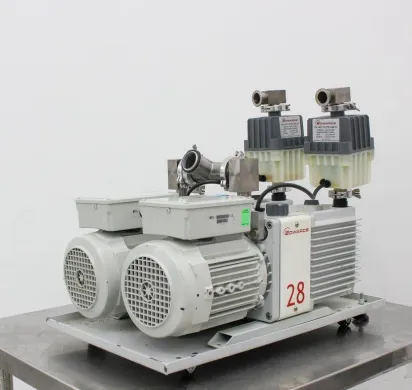
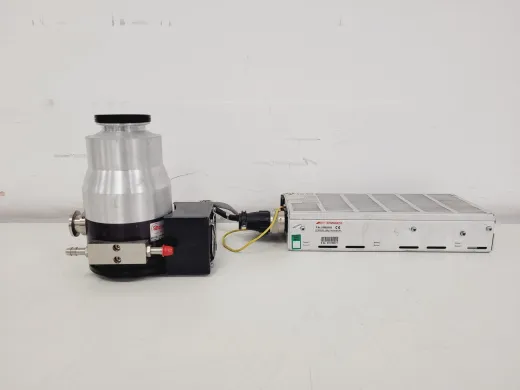
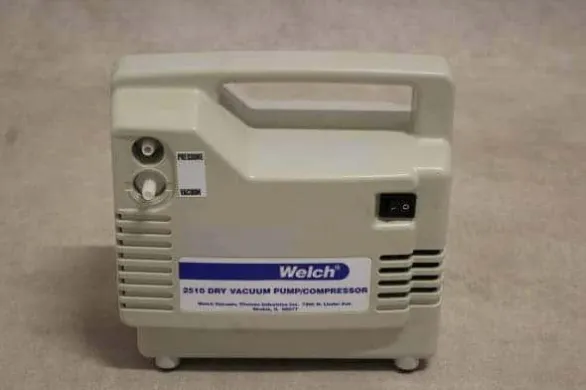
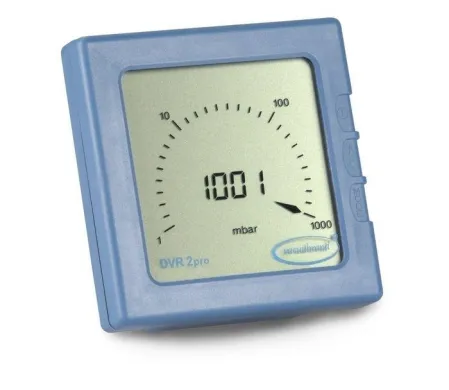
VACUUBRAND DVR 2pro Vacuum Gauge
- Category
- Vacuum gauges
- Brand
- Vacuubrand
- Suppliers
- 1 verified
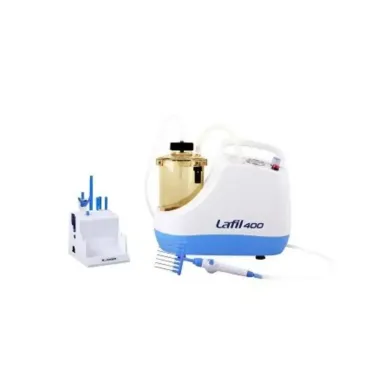
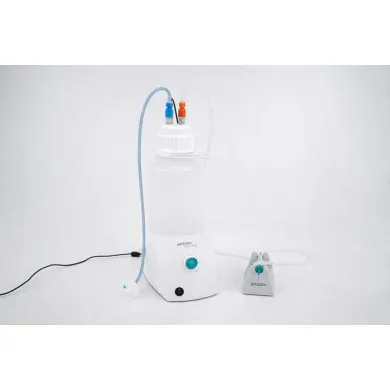
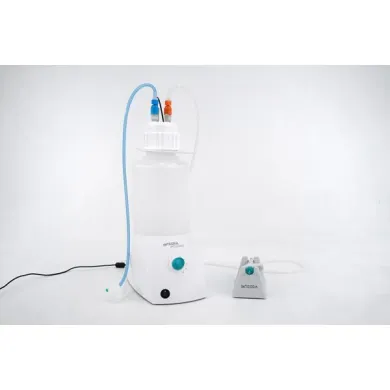
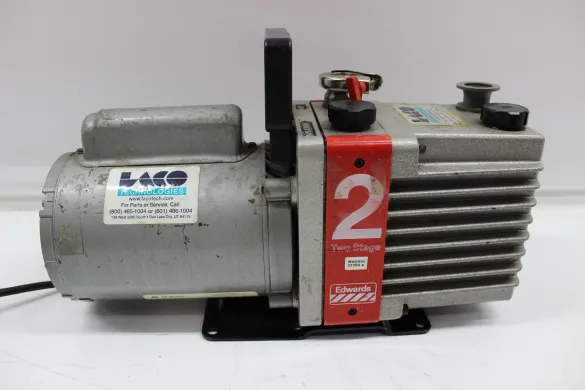
Not the exact instrument you need?
Tell our scientists what you are after. We track it down, including off-market supply.
Showing 1–40 of 952 listings
Show 40 more listingsBuying guide
The pressure a pump can reach settles most vacuum purchases before any other figure enters the picture, because the technique dictates it. A filtration manifold or a desiccator is happy with a diaphragm pump in the rough range, down to a few tens of millibar. A rotary evaporator wants a controllable pump around ten millibar. A freeze dryer or a mass spectrometer needs high vacuum, which only an oil-sealed rotary vane or a turbomolecular pump reaches, often in a two-stage arrangement. Reading the base pressure against the technique is the first thing to get right, because a pump that cannot pull the vacuum the method needs is simply the wrong tool, whatever else it offers. Pumping speed, quoted in cubic metres per hour or litres per minute, then decides how fast the system reaches that pressure and how large a chamber it can serve.
Chemical compatibility runs alongside the pressure figure and often overrides it. A laboratory pulling solvent vapour through a pump needs chemistry-resistant wetted parts, usually PTFE-lined diaphragm construction, or a cold trap ahead of an oil pump to stop vapour condensing into the oil. An oil-sealed pump handling corrosive vapour without that protection degrades quickly.
On a used pump the condition that matters is internal, not cosmetic. Oil-sealed rotary vane pumps wear at the vanes and the shaft seal, so ask about hours run, the state of the oil, and whether the ultimate pressure still meets the specification sheet. A diaphragm pump wears at the diaphragm and the valve plates, both consumable and both replaceable. Parts for the common ranges from Edwards, Leybold, Vacuubrand, KNF, Welch can be sourced via Questpair, which is what makes a serviceable used unit worth buying. Where a gauge or controller accompanies the pump, confirm it reads correctly across the range the pump is rated for.
What a unit costs spans a wide band, from EUR 1 for a small component to EUR 258.267 for a complete high-vacuum system. The average sits near EUR 2.650. A diaphragm or small rotary vane pump that fits a modest budget occupies the lower half of that spread; turbomolecular and large pumping systems occupy the upper half. Refurbished units listed for sale are more affordable than new, and because 90 percent of the listings are used, that is where most of what is for sale on Questpair sits. The names that dominate, Edwards, Leybold, Vacuubrand, KNF, Welch, are well enough represented that models can be compared against one another rather than taken on a single quote.
Types of Vacuum equipment
Vacuum pumps
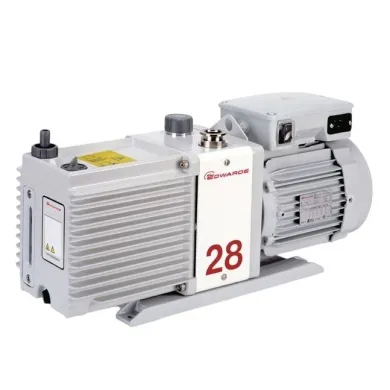
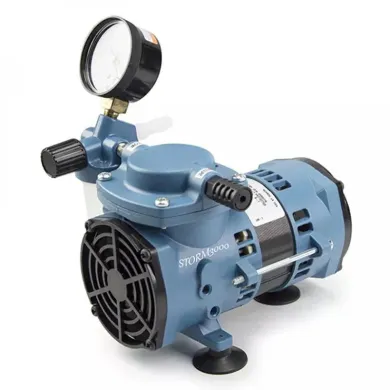
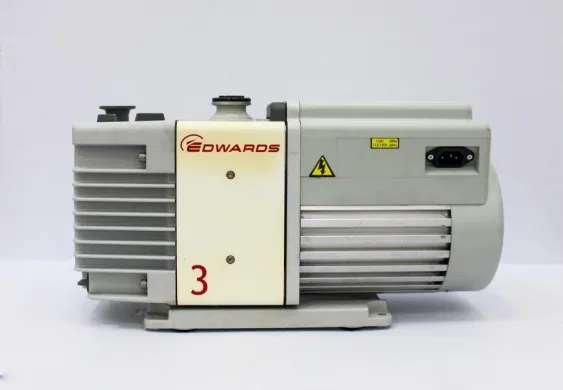
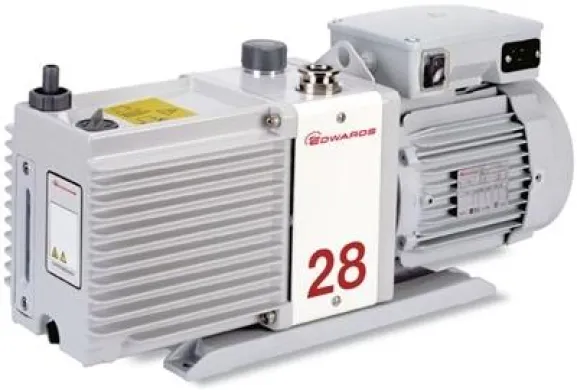
Vacuum pumps are the active element of any evacuation setup, the device that removes gas from a sealed chamber to lower its pressure, and they are the largest group listed here by a wide margin. They split by mechanism and by the pressure range each mechanism reaches. Diaphragm pumps are oil-free and chemistry-tolerant, suited to filtration, solid-phase extraction and solvent handling in the rough range. Oil-sealed rotary vane pumps reach deeper, into the fine and high ranges, and drive freeze dryers and backing lines. Turbomolecular pumps, backed by a roughing pump, reach the high and ultra-high vacuum that mass spectrometry and surface analysis demand. In molecular biology and proteomics, these pumps run the centrifugal concentrators and vacuum concentrators that dry down nucleic acid and peptide samples, and a laboratory vacuum pump for lyophilization is a routine request where protein and reagent stability depend on freeze drying.
Vacuum systems
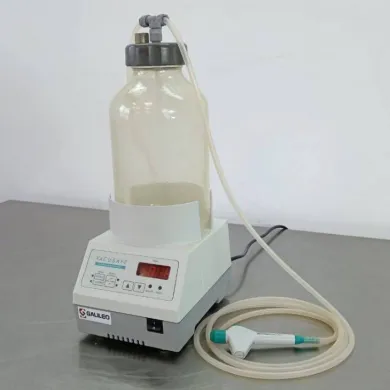
A vacuum system is an integrated assembly rather than a bare pump, combining the pump with a controller, a gauge, tubing and often a solvent trap or a manifold, sold as one working unit. The distinction from a loose pump is that a system arrives configured for a job and holds a set pressure automatically, which is why evaporation and drying applications reach for one. These complete chemistry vacuum systems serve rotary evaporation, gel drying and concentration work, and in the life sciences they drive the vacuum manifolds used for nucleic acid purification and for electrophoresis gel drying. A buyer choosing between a system and a pump is weighing a ready-to-run package against the freedom to assemble components to a specific pressure profile.
Vacuum valves
Vacuum valves isolate, admit or redirect gas flow within a vacuum line, and the type turns on the pressure range and on whether the valve must seal against the atmosphere or merely throttle a flow. Angle valves, gate valves and butterfly valves each handle a different conductance and sealing duty, with the high-vacuum variants using metal or specially compounded elastomer seals that hold against very low pressures. A buyer reaches for these when building or extending a system, to isolate a chamber during a vent, to bring a turbomolecular pump up to speed behind a closed gate, or to meter a controlled leak.
Vacuum controllers
A vacuum controller regulates the pressure a system holds, reading a gauge and driving a pump, a valve or a bleed to keep the chamber at a setpoint. It is what separates a system that evaporates a solvent cleanly from one that bumps and foams, because it ramps the pressure down a programmed profile rather than pulling hard from the start. Controllers matter most in rotary evaporation and in any drying step where a boiling point has to be tracked as the solvent changes, and they are the component a laboratory adds to turn a fixed-speed pump into a regulated one. Buyers pair them with a compatible gauge and pump, so compatibility across the three is the thing to confirm.
Vacuum gauges
A vacuum gauge measures the pressure inside a system, and the type is chosen by the range it has to read, since no single sensing principle spans rough to ultra-high vacuum. Pirani and thermocouple gauges cover the rough and fine ranges by reading heat loss from a filament; capacitance manometers read pressure directly and resist chemistry; cold-cathode and hot-cathode ionisation gauges reach the high and ultra-high ranges. A buyer selects by the lowest pressure the application actually reaches and by whether corrosive vapour is present, and often fits two gauges to cover a wide range. They are the smallest group here but the component that tells an operator whether the rest of the equipment is doing its job.
Frequently asked questions
What is vacuum equipment?
Vacuum equipment is the group of laboratory apparatus that generates, controls and measures sub-atmospheric pressure. It includes the pumps that remove gas from a sealed volume along with the valves, controllers and gauges that regulate and monitor that pressure.
What does vacuum equipment mean in a laboratory context?
It refers to any device involved in creating or maintaining pressure below atmospheric inside a sealed chamber or line. In practice that spans pumps, systems, valves, controllers and gauges used for techniques like filtration, drying and mass spectrometry.
How does vacuum equipment work?
A pump removes gas molecules from a sealed volume to lower its pressure, using a mechanism such as a diaphragm, oil-sealed rotary vane, or turbomolecular rotor depending on how deep a vacuum is needed. Gauges read the resulting pressure and controllers drive the pump or a valve to hold a chosen setpoint.
What types of vacuum equipment are there?
The category covers vacuum pumps, integrated vacuum systems, vacuum valves, vacuum controllers and vacuum gauges. Among the listings, the common types include laboratory vacuum pump, vacuum pump, rotary vane vacuum pump, industrial vacuum pump, oil-sealed vacuum pump and benchtop vacuum pump.
What is vacuum equipment used for?
It underpins freeze drying, rotary evaporation, filtration, degassing, solid-phase extraction and mass spectrometry, among other work. In molecular biology it also drives vacuum concentrators and manifolds for drying down and purifying nucleic acid and peptide samples.
How do I choose the right vacuum pump for my application?
Start from the base pressure your technique needs: a filtration manifold works with a diaphragm pump in the rough range, a rotary evaporator wants a controllable pump near ten millibar, and a freeze dryer or mass spectrometer needs an oil-sealed rotary vane or turbomolecular pump for high vacuum. Then check pumping speed against chamber size and confirm the wetted parts tolerate any solvent vapour you will pull through.
What is the difference between refurbished and used vacuum equipment?
Used describes a unit sold in its working condition as is, while refurbished means it has been serviced and brought back toward its original specification before sale. For an oil-sealed pump, ask about hours run, oil condition and whether the ultimate pressure still meets the specification sheet, since internal wear matters more than appearance.
How much does vacuum equipment cost?
Listings range from EUR 1 for a small component such as a gauge or valve to EUR 258.267 for a complete high-vacuum system, with the average near EUR 2.650. Diaphragm and small rotary vane pumps sit in the lower half of that spread, while turbomolecular and large pumping systems occupy the upper half.
Which brands of vacuum equipment are commonly listed?
Edwards, Leybold, Vacuubrand, KNF and Welch are well represented in this category. Because several models from these makers appear, they can be compared against one another rather than taken on a single quote.
Can I get a warranty on refurbished vacuum equipment?
A warranty is often possible and is arranged in consultation for the specific listing. Terms are not set centrally, so check the individual listing and raise the question with the supplier before purchase.
Are spare parts available for vacuum pumps?
Parts for the common ranges, including models from Edwards, Leybold, Vacuubrand, KNF and Welch, can be sourced via Questpair. Diaphragm pumps wear at the diaphragm and valve plates, and oil-sealed pumps at the vanes and shaft seal, all of which are replaceable, which is what makes a serviceable used unit worth buying.
How long does vacuum equipment last?
Lifespan depends on the mechanism and on maintenance rather than age alone. Oil-sealed rotary vane pumps last well when the oil is changed and the vanes and shaft seal are replaced as they wear, while diaphragm pumps run for years with periodic diaphragm and valve plate changes.
Should I buy new or refurbished vacuum equipment?
Used and refurbished units are listed at lower prices than new, which is the practical difference on Questpair. Since 90 percent of the listings are used, check the specific listing for condition detail and arrange any warranty in consultation before deciding.
Where can I buy vacuum equipment?
On Questpair, 1992 new, used and refurbished listings are available from 21 verified suppliers and distributors across 11 countries. The brand and category pages serve as the catalogue for comparing available units.
What are the lead times and shipping for vacuum equipment?
Lead time and shipping depend on the individual supplier and the unit, since listings come from verified suppliers and distributors in 11 countries. Check the specific listing, and for anything not stated there you can contact Questpair, where specialists respond within one hour.
How do I calibrate and maintain vacuum equipment?
Gauge calibration and routine maintenance such as oil changes, diaphragm replacement and seal checks are what keep a unit reading and performing to specification. Where a gauge or controller accompanies a pump, confirm it reads correctly across the full range the pump is rated for; replacement parts can be sourced via Questpair.
Which types in this category are listed most, and who reaches for each?
Vacuum pumps are the largest group by a wide margin, with laboratory vacuum pump, rotary vane and oil-sealed variants common. Chemistry labs reach for diaphragm pumps and configured systems for filtration and rotary evaporation, while mass spectrometry and surface analysis labs reach for turbomolecular pumps backed by a roughing pump.
Which brands dominate this category and what does that mean for a buyer?
Edwards, Leybold, Vacuubrand, KNF and Welch appear often across the listings. For a buyer that means several comparable models are usually available, and that spare parts for these makers can be sourced through Questpair, so a serviceable used unit stays supportable.
What separates the cheapest vacuum equipment from the most expensive here?
The bottom of the price band is small components and modest pumps: gauges, valves, diaphragm pumps and small rotary vane pumps serving the rough range. The top is complete high-vacuum systems and turbomolecular setups, where the deeper base pressure, larger pumping speed and integrated controller and gauge account for the difference.