

Vacuum pumps
We personally find you the right used, refurbished and new vacuum pumps instruments & equipment from verified suppliers.
Vacuum pumps are mechanical devices that remove gas molecules from a sealed volume to create a partial or high vacuum, used across laboratory and industrial settings for filtration, drying, distillation, and sample degassing. The Questpair catalogue lists 1549 vacuum pumps from 20 verified suppliers and distributors across 10 countries. Of those, 92 percent are used, the remainder new, so the stock leans heavily toward second-hand equipment. Both new and used laboratory and industrial pumps appear here, with refurbished units listed alongside them. Prices run from EUR 17 to EUR 258.267. A buyer scanning for a specific vacuum level or chemical compatibility will find the range wide enough to cover bench work and plant-scale extraction alike.
Updated:
Vacuum pumps product list
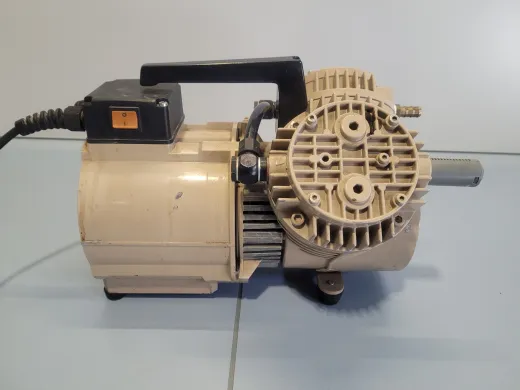
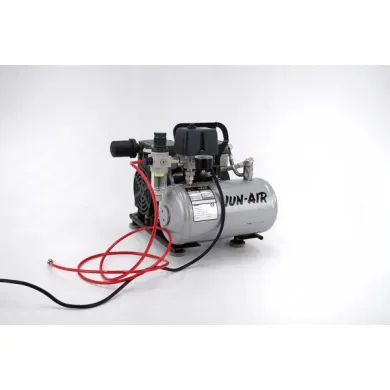
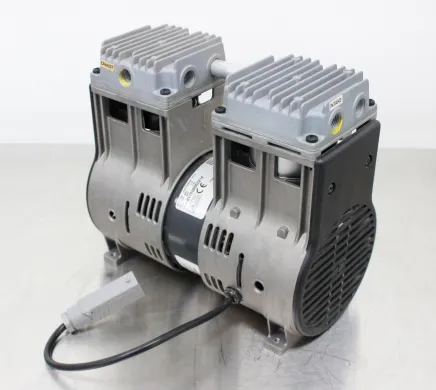


Not the exact instrument you need?
Tell our scientists what you are after. We track it down, including off-market supply.
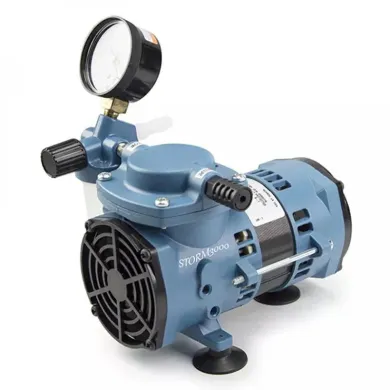
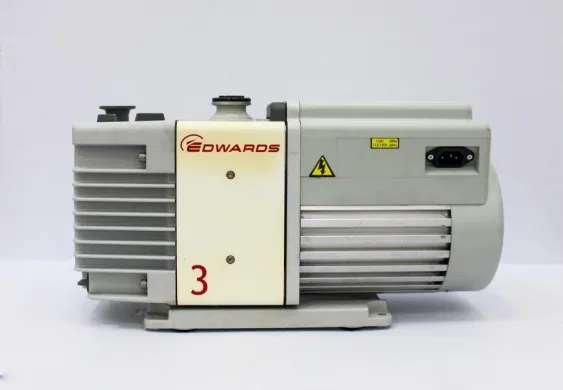
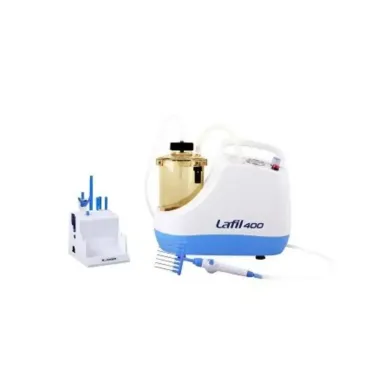
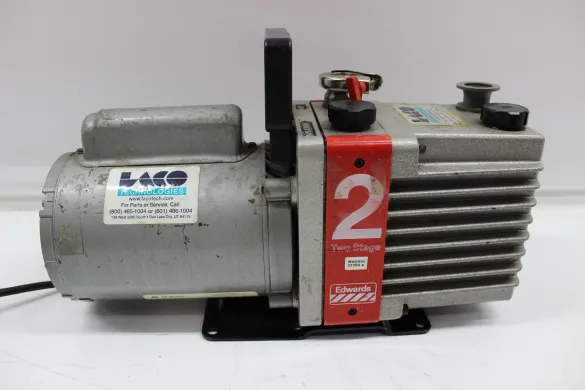
Not the exact instrument you need?
Tell our scientists what you are after. We track it down, including off-market supply.
Showing 1–40 of 657 listings
Show 40 more listingsBuying guide
The vacuum level a pump can reach settles most of the purchase, and it is the first number to pin down. A pump rated for rough vacuum serves filtration and aspiration; one rated for fine or high vacuum is needed for freeze-drying, distillation under reduced pressure, or feeding a mass spectrometer. Pumping speed, usually quoted in cubic metres or litres per hour, decides how fast the chamber reaches that level and whether a pump keeps pace with a continuous process. Reading the two figures together matters more than either alone, because a high ultimate vacuum at a trickle of a pumping speed suits a small sealed volume and little else.
Chemical compatibility follows directly from the work. An oil-sealed rotary vane pump tolerates clean, dry gas but degrades when solvent vapour condenses in the oil, which is why chemistry benches often reach for a chemically resistant diaphragm or a PTFE-lined design instead. Where corrosive vapour is unavoidable, the gas ballast, the inlet trap, and the pump's wetted materials are the parts to verify before anything on the datasheet.
On a used pump, condition sits in the places a specification sheet does not reach. Ask after running hours, the state and recent change of the oil, and whether the vanes or diaphragm have been replaced. A rebuilt pump with fresh seals can outlast a lightly specified new one; a neglected one leaks down slowly and never reaches its rated vacuum. Since 92 percent of the listings here are used, that inspection is the normal case, not the exception.
Price spans a wide band. A small bench diaphragm unit sits near the lower end, while a large dry industrial system for continuous extraction reaches the upper. Prices run from EUR 17 to EUR 258.267, average EUR 2.792. What a pump costs tracks its vacuum level, its throughput, and whether it runs oil-free, so a realistic budget starts from the process rather than from a headline figure. Used and refurbished units listed for sale are more affordable than new, which is where most of the stock sits, and the brands behind that stock, Edwards, Leybold, Vacuubrand, KNF, Welch, hold their value and their spare parts well enough to make a second-hand purchase reasonable.
Types of Vacuum pumps
Which vacuum pump types are listed on Questpair?
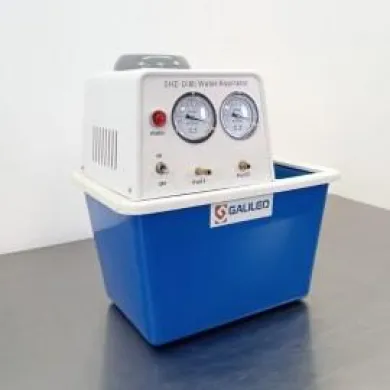
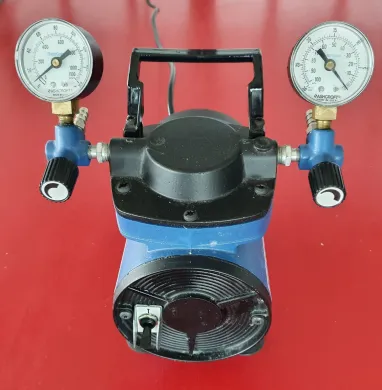
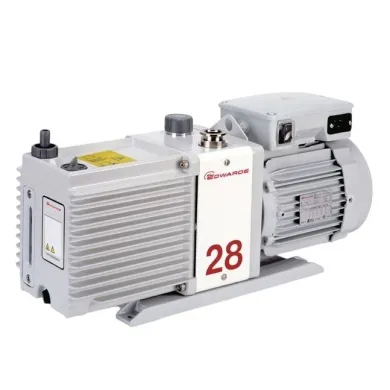
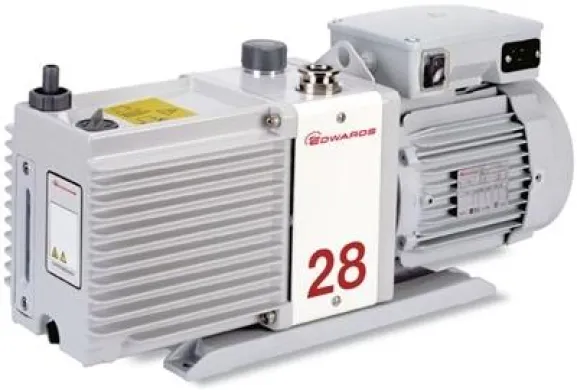
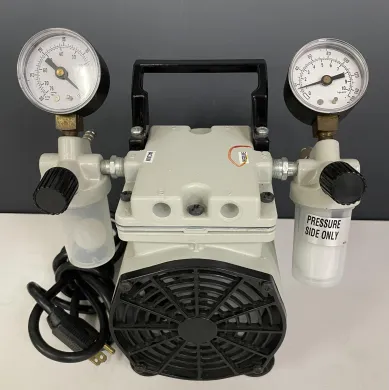
Among the listings that specify a type, the common forms are laboratory vacuum pump, vacuum pump, rotary vane vacuum pump, industrial vacuum pump, oil-sealed vacuum pump, and benchtop vacuum pump. The split that matters to a buyer is the pumping principle. A rotary vane pump draws gas through rotating vanes against an oil-sealed wall, which gives a deep ultimate vacuum at modest cost and makes it the workhorse of general bench evacuation and backing duty. An oil-sealed pump is the same family named for its seal, and the oil is both its strength, a tight vacuum, and its weakness, contamination when solvent vapour enters it. Benchtop and laboratory pumps are the smaller, often diaphragm or dry designs sized to sit beside the work, while industrial pumps scale the same principles up for continuous plant-scale evacuation.
The field this equipment serves reaches well into biotechnology and life sciences. A vacuum pump drives filtration and sample degassing on nearly every bench, and a rotary vane pump backs the chamber in freeze drying and lyophilisation, the standard way of stabilising proteins, vaccines, and other biologics for storage. In molecular biology, vacuum manifolds pull samples through membranes during protein purification and nucleic acid extraction, and dry diaphragm pumps evacuate gel driers in electrophoresis workflows. A laboratory vacuum pump for cell culture aspiration clears spent medium without disturbing the monolayer, and a chemically resistant vacuum pump for solvent evaporation supports the rotary evaporation step common in genomics and proteomics sample preparation. These pumps are also used for vacuum concentration in analytical sample prep, where a SpeedVac-type system relies on one to drive off solvent under reduced pressure.
The brands behind the vacuum pump listings
The catalogue is led by Edwards, Leybold, Vacuubrand, KNF, Welch. For a buyer, that concentration is useful: these are long-established makers whose rotary vane and dry pumps have large installed bases, so seals, vanes, and oil are straightforward to source and a given model is easy to compare across several listings. Edwards and Leybold dominate the rotary vane and high-vacuum end; Vacuubrand and KNF are strong in chemically resistant diaphragm units; Welch spans the bench range. A pump from any of them carries a documented specification sheet, which makes matching vacuum level and pumping speed to a process more reliable than with an unbranded unit.
What a used vacuum pump costs here
Used and refurbished units make up most of what is on offer, with 92 percent of the listings used and 122 units listed new. Prices run from EUR 17 to EUR 258.267, average EUR 2.792. That spread covers everything from a small bench diaphragm pump to a large dry industrial system, and the used units listed for sale sit below their new equivalents.
Frequently asked questions
What is a vacuum pump?
A vacuum pump is a mechanical device that removes gas molecules from a sealed space to create a partial or high vacuum. It supports processes such as filtration, drying, distillation, and sample degassing across laboratory and industrial settings.
What does vacuum pump mean?
The term refers to any pump whose job is to lower the pressure inside a closed volume by extracting gas rather than moving liquid. The depth of vacuum it can reach and the speed at which it pumps define what it can be used for.
How do vacuum pumps work?
They draw gas out of a sealed chamber through a mechanism that traps and expels it, lowering the internal pressure with each cycle. A rotary vane pump, for example, pulls gas through rotating vanes against an oil-sealed wall, while a diaphragm pump flexes a membrane to move gas in discrete strokes.
What types of vacuum pumps are there?
The listings here include laboratory vacuum pumps, general vacuum pumps, rotary vane vacuum pumps, industrial vacuum pumps, oil-sealed vacuum pumps, and benchtop vacuum pumps. The practical division is between oil-sealed designs that reach a deep vacuum and dry or diaphragm designs that tolerate solvent vapour.
What is a vacuum pump used for?
In the lab it drives filtration, sample degassing, cell culture aspiration, and solvent evaporation during rotary evaporation. Rotary vane pumps back the chamber in freeze drying and lyophilisation, and industrial versions handle continuous plant-scale evacuation.
How do I choose a vacuum pump?
Start with the vacuum level the process needs: rough vacuum covers filtration and aspiration, while fine or high vacuum is required for freeze-drying, reduced-pressure distillation, or feeding a mass spectrometer. Then match pumping speed to the chamber size and check chemical compatibility against the vapours the pump will see.
What is the difference between a refurbished and a used vacuum pump?
A used pump is sold in its current condition, while a refurbished one has had wear parts such as seals, vanes, or oil replaced and has been brought back toward rated performance. For either, ask about running hours and recent part changes, since those matter more than age.
How much does a vacuum pump cost?
Prices in the catalogue range from EUR 17 to EUR 258.267, with an average of EUR 2.792. A small bench diaphragm unit sits near the lower end, and a large dry industrial system reaches the upper.
What are the main vacuum pump brands?
The catalogue is led by Edwards, Leybold, Vacuubrand, KNF, and Welch. Edwards and Leybold are common in rotary vane and high-vacuum pumps, Vacuubrand and KNF in chemically resistant diaphragm units, and Welch across the bench range.
Can I get a warranty on a refurbished vacuum pump?
A warranty is often possible and is arranged in consultation for the specific listing. Check the individual listing and raise the question with the supplier before purchase.
Are spare parts available for these vacuum pumps?
Parts can be sourced via Questpair. The named brands have large installed bases, so wear items like seals, vanes, and oil are generally straightforward to find for established models.
How long does a vacuum pump last?
Lifespan depends on duty, the gases pumped, and maintenance rather than age alone. A rotary vane pump with regular oil changes and occasional vane replacement runs for many years, while one that has ingested solvent or run without maintenance degrades and loses its rated vacuum.
Should I buy new or refurbished?
Used and refurbished units are listed at lower prices than new, which is where a large share of the stock sits. A rebuilt pump with fresh seals can outperform a lightly specified new one, so weigh the condition details in the individual listing rather than the label alone.
Where can I buy a vacuum pump?
The Questpair catalogue lists 1549 vacuum pumps from 20 verified suppliers and distributors across 10 countries. Both new and used units, including refurbished ones, appear there.
What are the lead time and shipping like?
Lead time and shipping depend on the individual supplier and the pump's location, which is listed per item. For a specific delivery estimate, contact Questpair and specialists respond within one hour.
How do I maintain and calibrate a vacuum pump?
For oil-sealed pumps, maintenance centres on oil condition and periodic vane and seal replacement; dry and diaphragm pumps need valve and membrane checks instead. Ultimate vacuum is verified against a gauge rather than calibrated, so a pump that fails to reach its rating points to worn seals, contaminated oil, or a leak.
Which vacuum pump types are listed most, and who reaches for each?
Laboratory and general vacuum pumps, rotary vane pumps, and benchtop units are the common forms. Bench chemists and biologists reach for diaphragm and benchtop pumps for filtration and aspiration, while rotary vane and oil-sealed pumps serve freeze-drying and backing duty, and industrial pumps handle continuous evacuation at plant scale.
Which brands dominate this category, and what does that mean for a buyer?
Edwards and Leybold lead the rotary vane and high-vacuum end, Vacuubrand and KNF the chemically resistant diaphragm units, and Welch the bench range. That concentration means a given model comes with a documented specification sheet and can be compared across several listings, which makes matching vacuum level and pumping speed more reliable than with an unbranded unit.
What separates the cheapest vacuum pumps here from the most expensive?
The bottom of the band is small bench diaphragm pumps with modest pumping speed and rough-vacuum capability. The top is large dry industrial systems built for continuous extraction, where deeper vacuum, higher throughput, and oil-free operation drive the price up; condition and whether a used unit has been rebuilt also shift where a listing falls.