

Optics
We personally find you the right used, refurbished and new optics instruments & equipment from verified suppliers.
Optics is the class of laboratory equipment that forms, magnifies and directs light to resolve specimens the eye cannot, spanning microscopes and the lenses, objectives and accessories that complete them. The Questpair catalogue holds 3097 listings of this kind from 21 verified suppliers and distributors across 9 countries. Of those, 96 percent are used, the remainder new, so both new and used laboratory optics are available here, and refurbished units appear alongside them. Prices run from EUR 10 to EUR 231.579. The stock concentrates on bright-field and compound microscopy, with objective lenses and optical components listed both as complete instruments and as separate parts for repair or upgrade.
Updated:
Optics product list


Not the exact instrument you need?
Tell our scientists what you are after. We track it down, including off-market supply.
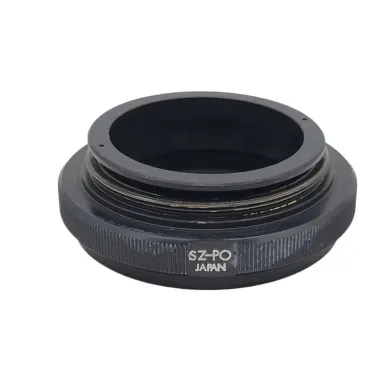
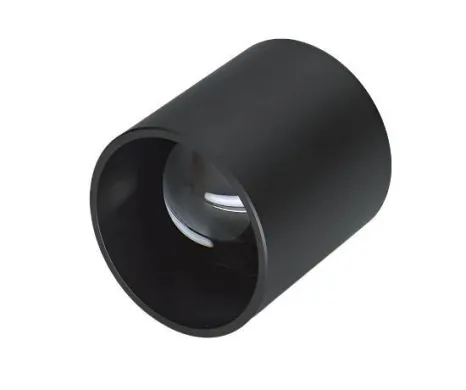
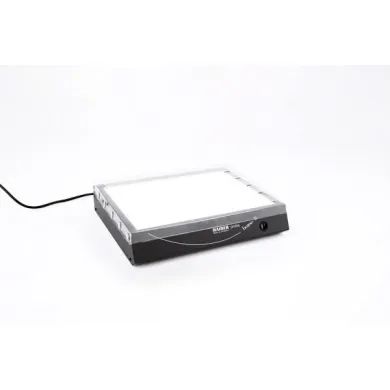
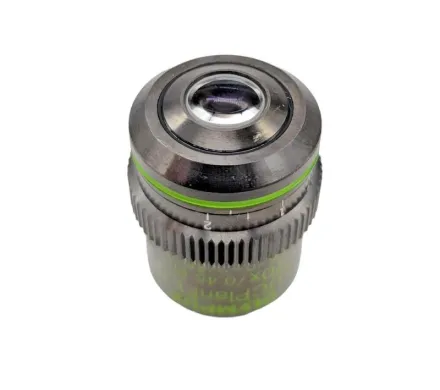
Not the exact instrument you need?
Tell our scientists what you are after. We track it down, including off-market supply.
Showing 1–40 of 2,677 listings
Show 40 more listingsBuying guide
The objective settles more of a microscopy purchase than any other single choice, because it fixes resolution, working distance and the field a specimen is viewed through, and the rest of the instrument is built to serve it. A 100x oil-immersion objective with a numerical aperture near 1.4 resolves detail a 40x dry objective cannot, but it demands immersion oil, a coverslip of the right thickness and a steady stage, so the objective decides the workflow as much as the image. Plan achromat, fluorite and apochromat corrections sit at rising price and rising flatness of field; a buyer imaging across the whole frame needs the flatter correction, one scanning a central cell may not. Match the objective to the tube length and thread standard of the stand before anything else, since an RMS thread and an infinity-corrected M25 thread do not interchange.
On a used instrument, the glass is where the money and the risk both sit. Objectives and eyepieces should be checked for internal fungus, delamination of cemented elements and scratches on the front lens, none of which a photograph reveals and all of which are costly to correct. The mechanical stage, focus drive and condenser want testing for smooth travel and backlash, because a sticky fine-focus ruins long sessions and is not always worth repairing. Where a listing specifies that an objective was stored capped and the stand serviced, that history matters more than the model year.
Condition and price track closely in this catalogue. With 96 percent of the listings used, most of what sits here is pre-owned, and those used instruments are priced below comparable new stock. Prices span from EUR 10 to EUR 231.579, a band that runs from a single objective or a student stand up to a research microscope with motorised stage and camera port. A realistic budget depends on which end of that range the application needs, and the affordable path is usually a serviced used stand fitted with objectives bought for sale separately. Olympus, Nikon, Zeiss, Leica, Various occupy the mid and upper part of the band; generic and unbranded optics fill the lower part.
Types of Optics
Which optics types are listed here?
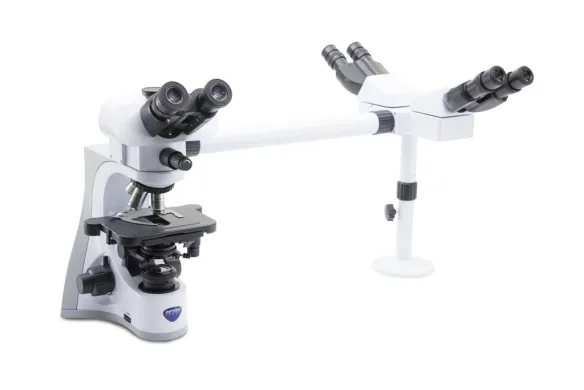
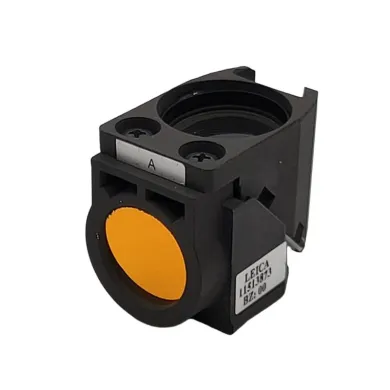
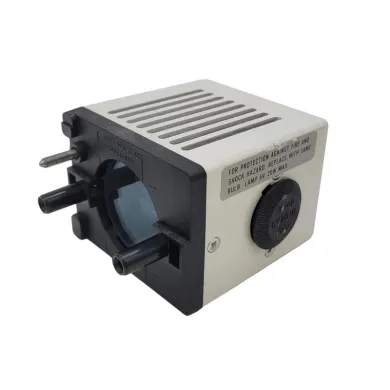
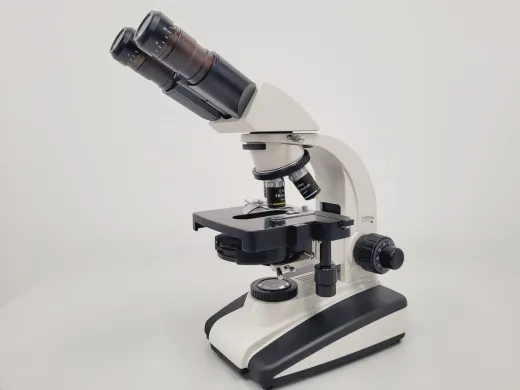
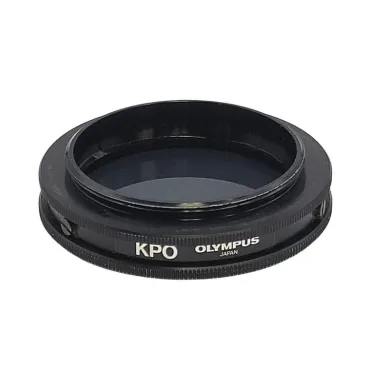
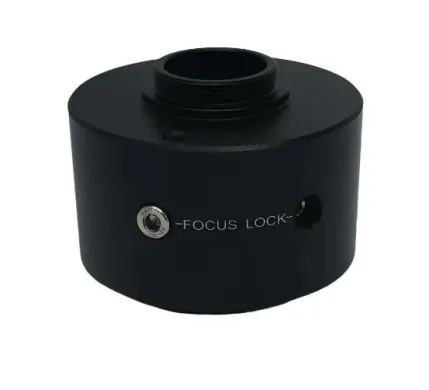
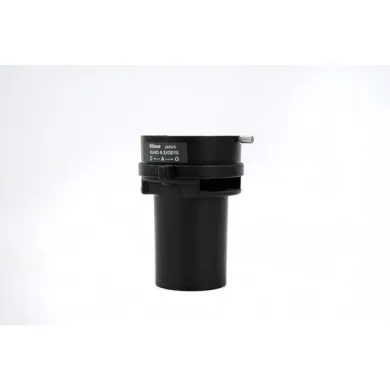
Among the listings that specify a type, the catalogue divides into complete instruments and the optical components that go on them. Compound optical microscopes form the core, binocular and trinocular stands that carry a nosepiece of objectives over a mechanical stage, used across routine laboratory work in cell biology, microbiology and histology where a stained section or a smear is read at magnification. Objective lenses are listed in their own right, from standard achromats to high-numerical-aperture apochromats, because they are the part most often replaced or upgraded and the part that most directly sets what an instrument can resolve. Microscope accessories round out the stock: eyepieces, condensers, stage inserts, phototubes and camera adapters that adapt a stand to a given technique. A buyer assembling a working setup frequently combines a used stand with separately sourced objectives and a camera port, which is why components and complete instruments appear side by side.
The brands behind the optics listings
The optics listings are dominated by Olympus, Nikon, Zeiss, Leica, Various. For a buyer this concentration is an advantage: the four named makers share well-documented objective thread standards and tube geometries, so a Nikon objective and a Nikon stand of the same era pair predictably, and parts, eyepieces and condensers for these lines are the ones most commonly found on the second-hand market. That availability of components keeps a used instrument serviceable and makes models straightforward to compare on specification. The "Various" share covers unbranded and smaller-maker optics, usually at the lower price end, where compatibility has to be confirmed listing by listing rather than assumed from the name. Parts for any of these can be sourced via Questpair.
What a used optical instrument costs here
The condition split is heavily weighted to pre-owned stock: 96 percent of the listings are used, with the balance new. Used optical instruments and components are priced below new equivalents, and the full range runs from EUR 10 to EUR 231.579. That spread covers everything from a single eyepiece or a bare objective at the low end to a fully equipped research microscope with motorised stage at the high end, which is why a budget here is driven far more by the configuration a buyer needs than by condition alone. The same optical microscopy that serves teaching labs at the lower end serves imaging-heavy research at the upper end, on the same four or five catalogues of glass.
Frequently asked questions
What is optics in a laboratory sense?
In this catalogue, optics refers to the instruments and components that form, magnify and direct light to resolve specimens the eye cannot, meaning microscopes together with the lenses, objectives and accessories that complete them. The stock here centres on bright-field and compound microscopy.
What does the term optics cover in this category?
It covers both complete optical instruments, such as compound microscopes, and the separate optical parts that go on them, including objective lenses, eyepieces and condensers. A large share of the listings here are used, with the remainder new and refurbished units appearing alongside.
How do optical microscopes work?
An objective lens collects light from the specimen and forms a magnified image, which an eyepiece magnifies further for viewing, with a condenser below the stage shaping the illumination. The numerical aperture of the objective, not just its magnification, sets how much detail can be resolved.
What types of optics are listed here?
The listings split into complete instruments and the components for them. Common types include microscope objective lenses, microscope objectives, optical microscopes, microscope accessories, binocular microscopes and laboratory microscopes.
What are optics used for?
Compound microscopes are used across cell biology, microbiology and histology, where a stained section or a smear is read at magnification. Objective lenses and accessories are used to build, repair or upgrade those instruments for a specific technique.
How do I choose the right optics?
Start with the objective, since it fixes resolution, working distance and field, and match its thread standard and tube length to the stand before anything else. An RMS thread and an infinity-corrected M25 thread do not interchange, so confirm compatibility in the listing.
What is the difference between refurbished and used optics?
Used describes an instrument sold in its existing condition, while refurbished indicates it has been reconditioned before sale. Both are listed below new prices here, and condition details for either should be read from the specific listing.
How much do optics cost?
Prices range from EUR 10 to EUR 231.579, with the average around EUR 1.776. The low end covers a single eyepiece or a bare objective, and the high end a research microscope with motorised stage and camera port, so configuration drives the budget more than condition does.
Which optics brands show up most here?
The listings are dominated by Olympus, Nikon, Zeiss, Leica and a Various group of smaller and unbranded makers. The four named lines share well-documented thread standards and tube geometries, so same-era parts and stands pair predictably.
Is there a warranty on refurbished optics?
A warranty is often possible and is arranged in consultation for the specific listing. Terms are not set centrally, so check the individual listing and confirm before purchase.
Can I get parts for these optics?
Parts such as objectives, eyepieces, condensers and camera adapters are listed in their own right and can also be sourced via Questpair. Components for Olympus, Nikon, Zeiss and Leica lines are the ones most commonly found second-hand, which keeps those instruments serviceable.
How long do optical instruments last?
Optical glass itself has a long service life if stored capped and kept free of fungus, and the limiting factors are usually the mechanical parts, the focus drive, stage and condenser, which wear with use. A listing noting the stand was serviced and the objectives stored capped indicates better preserved condition.
Should I buy new or used optics?
Used and refurbished units are listed at lower prices than new equivalents, which is the clearest difference between them. Where warranty or condition matters to the decision, read the specific listing, since warranty is arranged in consultation rather than set across the board.
Where can I buy optics?
The listings here come from verified suppliers and distributors across 9 countries, with 21 suppliers represented in a catalogue of 3097 listings. You buy through these listings rather than through a manufacturer.
What are the lead time and shipping like?
Lead time and shipping depend on the individual supplier and the item's location among the 9 countries represented. Check the specific listing, and for details not shown there you can contact Questpair, where specialists respond within an hour.
Do these optics need calibration or maintenance?
Maintenance centres on keeping objectives and eyepieces free of fungus, dust and oil, and keeping the focus drive and stage moving smoothly. Questpair does not carry out servicing, so arrange any reconditioning before or after purchase through your own technician.
Which optics types are listed most, and who reaches for which?
Compound optical microscopes form the core, chosen by routine laboratory users in cell biology, microbiology and histology, while objective lenses are listed separately because they are the part most often replaced or upgraded. Accessories like eyepieces, condensers and camera adapters are reached for by buyers adapting a stand to a specific technique.
Which brands dominate this category and what does that mean for a buyer?
Olympus, Nikon, Zeiss and Leica dominate the named listings, and their shared thread standards and tube geometries mean a same-era objective and stand from one maker pair predictably. The Various share covers unbranded and smaller-maker optics at the lower price end, where compatibility has to be confirmed listing by listing rather than assumed.
What separates the bottom of the price band from the top?
The bottom holds single components and student stands, often generic or unbranded, while the top holds fully equipped research microscopes with motorised stages and camera ports. Objective correction also rises with price, from plan achromat to fluorite to apochromat, with the flatter, higher-correction glass costing more and giving a flatter field across the frame.