

Homogenisers
We personally find you the right used, refurbished and new homogenisers instruments & equipment from verified suppliers.
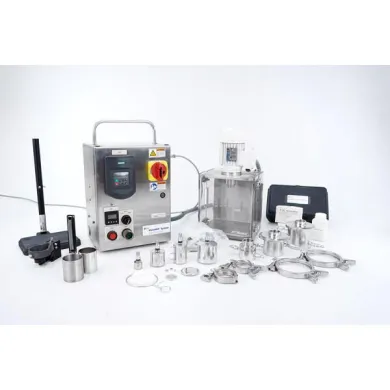
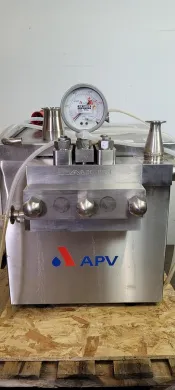
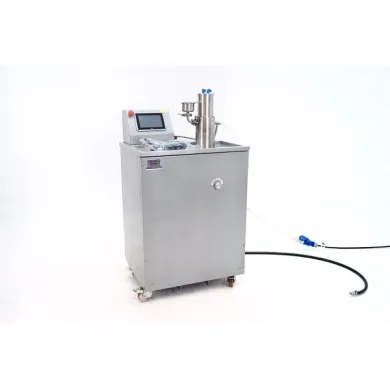
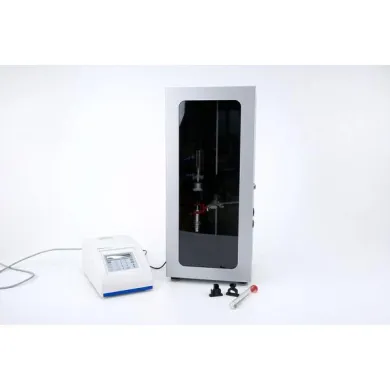
Homogenisers are laboratory instruments that break down, mix or reduce a sample into a uniform consistency, whether that sample is animal tissue, a cell suspension, a food matrix or an emulsion. They work by shear, impact, pressure or ultrasonic energy, depending on the design, and are used across molecular biology, food science and pharmaceutical formulation. On Questpair, 351 laboratory homogenizer listings are available from 19 verified suppliers and distributors across 10 countries. New, used and refurbished units all appear in the catalogue. Among the current listings, 92 percent are used. Prices run from EUR 28 to EUR 73.176, a range that reflects how far this class of instrument spreads, from a handheld disperser to a high pressure system.
Updated:
Homogenisers product list
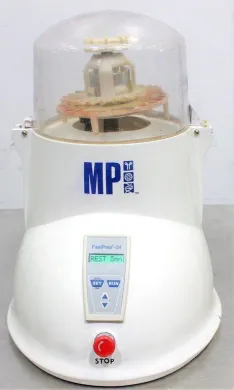


Not the exact instrument you need?
Tell our scientists what you are after. We track it down, including off-market supply.
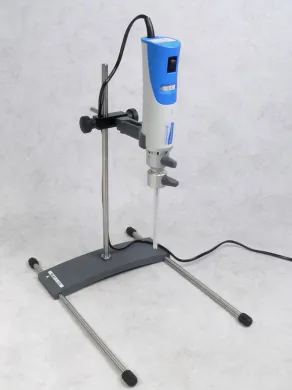
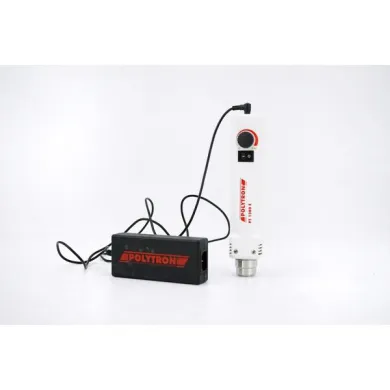
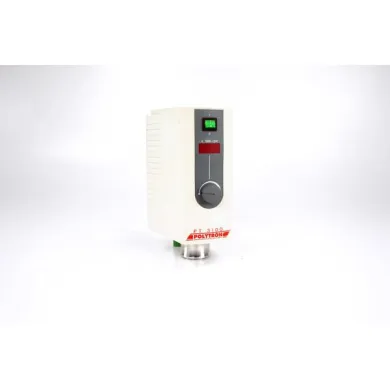
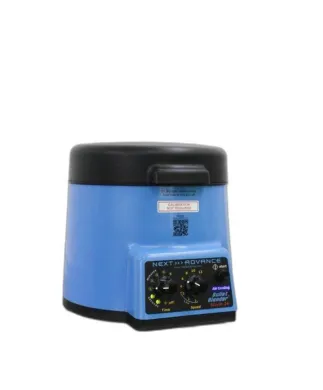
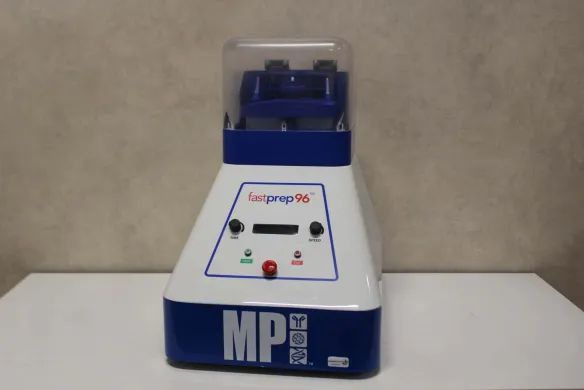
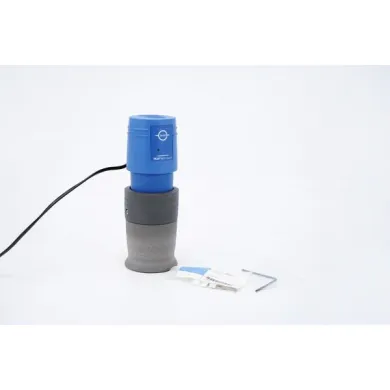
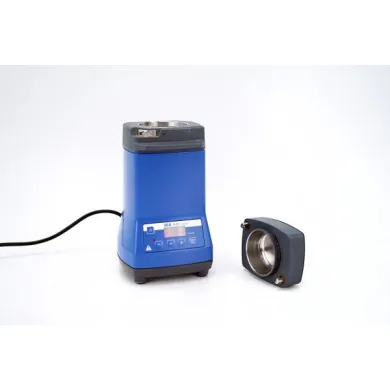
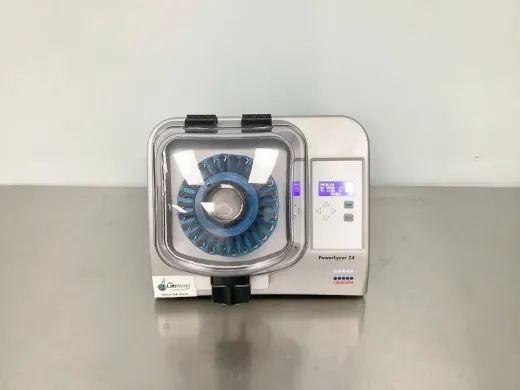
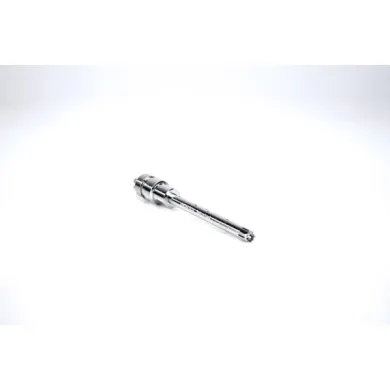
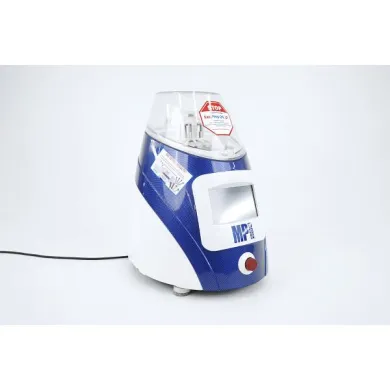
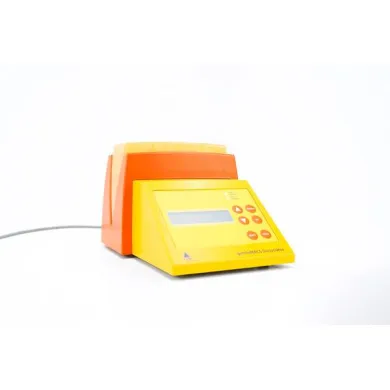
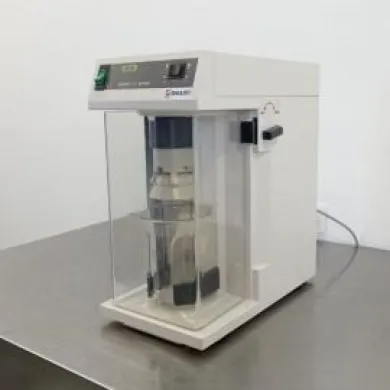
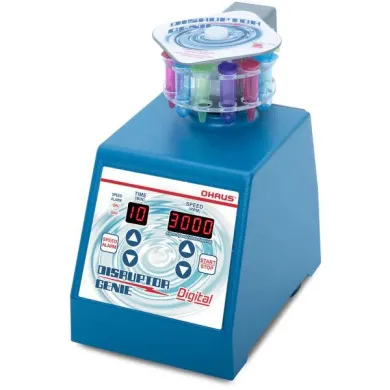
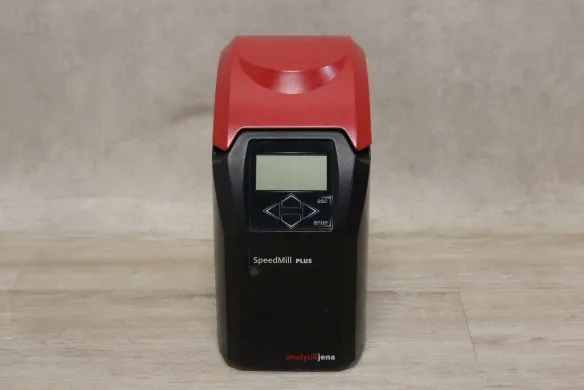
Not the exact instrument you need?
Tell our scientists what you are after. We track it down, including off-market supply.
Showing 1–40 of 308 listings
Show 40 more listingsBuying guide
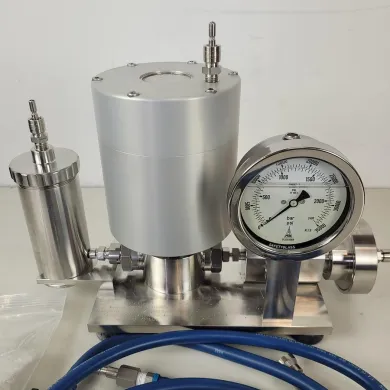
The sample decides almost everything about a homogeniser, so start there rather than with a specification sheet. A soft animal tissue, a yeast suspension with a tough cell wall, and a fibrous plant sample each resist disruption in a different way, and a rotor-stator disperser that handles the first will barely touch the third. Match the mechanism to the material first: rotor-stator units shear soft and medium samples, bead mills grind tough cell walls, ultrasonic probes cavitate small volumes, and high pressure systems force cells through a narrow gap for large, repeatable batches. Throughput follows from this, not the other way round, because a method that works on one millilitre of lysate does not scale to a litre by turning a dial.
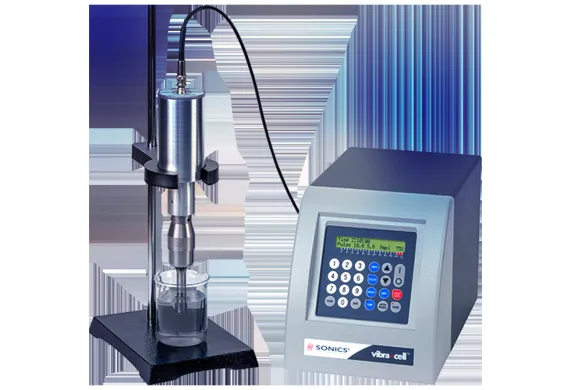
On a used unit the working parts are what wear, and they are rarely visible in a listing photograph. A rotor-stator generator is a consumable: the teeth erode and the shaft bearing loosens, and a replacement generator can cost a meaningful fraction of the instrument. For a bead mill, ask about the drive and the clamping mechanism rather than the body. For an ultrasonic processor, the probe tip pits with use and eventually detunes the horn, so a worn tip matters more than cosmetic condition. Parts can be sourced via Questpair, and warranty is arranged in consultation for the specific listing, which is worth settling before purchase on any instrument with a motorised drive.
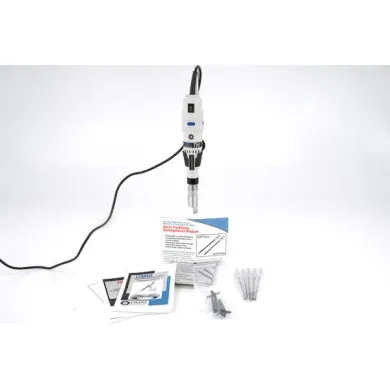
Price on Questpair tracks the mechanism and the scale more than the brand. What a handheld disperser costs sits near the bottom of the range at EUR 28, while a high pressure homogeniser or a large bead-beating system reaches EUR 73.176, with an average around EUR 2.379. A buyer working to a fixed budget will find that the rotor-stator segment, where IKA, Kinematica, Scilogex, Ohaus, MP Biomedicals are well represented, offers the widest choice of affordable units. Refurbished and used instruments listed for sale sit below new pricing, and the condition split on the current catalogue is heavily weighted that way, so most of what a buyer compares will be used. Where two listings look alike, the generator or probe condition, not the headline figure, is what separates them.
Types of Homogenisers
Which homogenizer types are listed here?
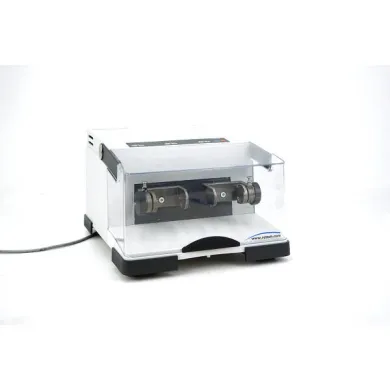
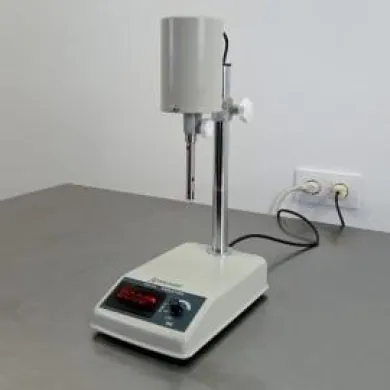
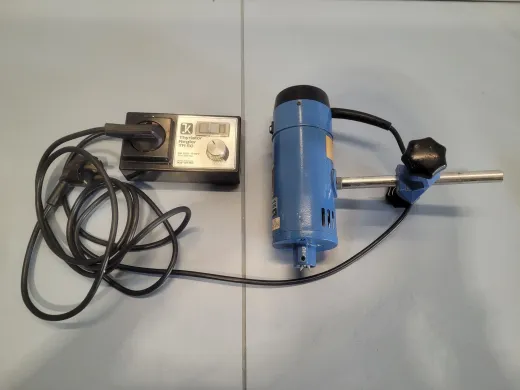
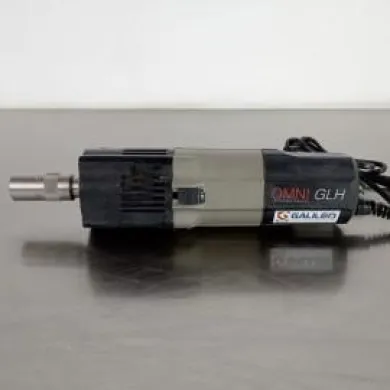
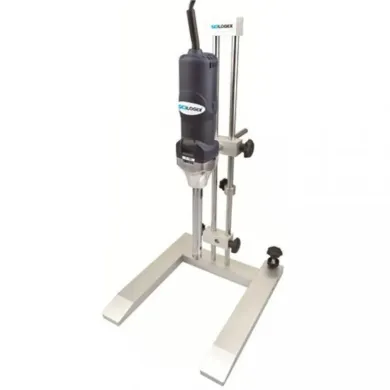
Among the listings that specify a type, the catalogue groups into a handful of recognisable forms. The general laboratory homogenizer and the laboratory mixer cover rotor-stator dispersers, the bench workhorses that shear a sample between a fast-spinning rotor and a fixed stator. The tissue homogenizer is built for biological material: it prepares lysate from animal or plant tissue for protein and nucleic acid work, which is why it recurs in molecular biology and genomics workflows. The cell disruptor is the heavier end, breaking open cells to release their contents, and sits at the centre of protein purification and proteomics sample preparation where intact biomolecules have to be freed from the cell wall. Sample preparation equipment is the broadest label here, covering bead mills and dispersers used across sample preparation and formulation.
Each form reaches a different bench. Tissue homogenization feeds histology and immunoassay work, where a uniform lysate is the starting point for downstream analysis, and bead-beating disruptors are standard in microbiology for lysing bacteria and fungi with stubborn walls. The same instruments turn up in cell culture and bioprocessing, where cell lysis and emulsion preparation are routine, also used for pharmaceutical formulation and food matrix analysis. A buyer searching for a specific application, a tissue homogenizer for RNA extraction or a bead mill for bacterial cell lysis, is matching the whole method to the equipment rather than the device alone.
The brands behind the homogenizer listings
The marketplace is led by IKA, Kinematica, Scilogex, Ohaus, MP Biomedicals. For a buyer, that concentration is useful: a well-represented maker means spare generators, probes and vessels are easier to find, and that models can be compared against each other rather than judged in isolation. IKA and Kinematica dominate the rotor-stator segment, so dispersers from either tend to have interchangeable logic and documented specifications, which shortens the work of comparing one listing with the next. The presence of several brands at the lower price points also widens the field of affordable options for a modest budget.
What a used homogenizer costs here
Used and refurbished units make up the bulk of the catalogue: 319 of the listings are used against 29 new. Prices span from EUR 28 to EUR 73.176, with an average near EUR 2.379. That spread covers the full mechanical range, from a handheld disperser to a high pressure system, so the figure to weigh is not the headline price but the condition of the generator or probe behind it.
Frequently asked questions
What is a homogeniser?
A homogeniser is a laboratory instrument that breaks down and mixes a sample into a uniform consistency, working on material such as animal tissue, cell suspensions, food matrices or emulsions. It does this through shear, impact, pressure or ultrasonic energy, depending on the design.
What does homogeniser mean?
The word describes the function: making a sample homogeneous, meaning uniform throughout. In practice it covers a family of instruments that reduce a non-uniform sample to a consistent lysate, emulsion or dispersion.
How do homogenisers work?
They apply energy to a sample through one of four main mechanisms: shear between a rotor and stator, impact from grinding beads, high pressure forcing cells through a narrow gap, or ultrasonic cavitation. The mechanism determines what kind of material the unit can break down.
What types of homogeniser are there?
The listings here group into laboratory homogenizers and laboratory mixers (rotor-stator dispersers), tissue homogenizers for biological material, cell disruptors for breaking open cells, and broader sample preparation equipment including bead mills. Each handles a different sample toughness and volume.
What are homogenisers used for?
They prepare lysate from tissue for protein and nucleic acid work, lyse bacteria and fungi in microbiology, release cell contents for protein purification, and create emulsions in pharmaceutical formulation and food matrix analysis. The application usually dictates which mechanism fits.
How do I choose a homogeniser?
Start with the sample, not the specification sheet: soft tissue, a tough yeast cell wall and a fibrous plant each resist disruption differently. Rotor-stator units handle soft to medium samples, bead mills grind tough walls, ultrasonic probes suit small volumes, and high pressure systems suit large repeatable batches. Throughput follows from the mechanism, since a method proven on one millilitre does not scale to a litre by adjustment alone.
Refurbished versus used, what is the difference?
Both appear in this catalogue below new pricing. The practical question on either is the condition of the wearing parts, the generator, probe tip or bead-mill drive, which is rarely clear from a listing photo and is worth confirming before purchase.
How much does a homogeniser cost?
Prices on Questpair run from EUR 28 to EUR 73.176, with an average near EUR 2.379. The low end covers handheld dispersers and the high end reaches high pressure systems and large bead-beating units, so the mechanism and scale drive the figure more than cosmetic condition.
What are the main homogeniser brands?
The catalogue is led by IKA, Kinematica, Scilogex, Ohaus and MP Biomedicals. IKA and Kinematica are strongly represented in the rotor-stator segment, which makes dispersers from either easier to compare against each other.
Is there a warranty on a refurbished homogeniser?
A warranty is often possible and is arranged in consultation for the specific listing. On any unit with a motorised drive it is worth settling the warranty terms before you buy.
Can I still get parts for these homogenisers?
Parts can be sourced via Questpair. Consumable items such as rotor-stator generators, bead-mill clamping components and ultrasonic probe tips are the ones to check, since they wear with use.
How long does a homogeniser last?
The body and motor can run for many years, but the working parts wear: rotor-stator teeth erode and the shaft bearing loosens, and an ultrasonic probe tip pits and eventually detunes the horn. Lifespan depends more on how often the consumable parts are replaced than on the age of the chassis.
New or refurbished, which should I buy?
Used and refurbished units are listed at lower prices than new, and the condition split on the current catalogue leans heavily toward used. Where you have to weigh the two, compare the individual listing and arrange warranty in consultation for that unit.
Where can I buy a homogeniser?
They are listed on Questpair from 19 verified suppliers and distributors across 10 countries, with 351 listings in total. New, used and refurbished units all appear in the catalogue.
What is the lead time and shipping?
Lead time and shipping depend on the individual supplier and listing. For a specific unit you can contact Questpair and specialists respond within one hour.
What maintenance and calibration does a homogeniser need?
Routine care centres on the wearing parts: inspecting and replacing an eroded rotor-stator generator, checking a bead-mill drive and clamp, and replacing a pitted ultrasonic probe tip before it detunes the horn. Questpair does not carry out servicing, but replacement parts can be sourced through the platform.
Which homogeniser types are listed most, and who uses them?
Rotor-stator dispersers, listed as laboratory homogenizers and laboratory mixers, are the bench workhorses for soft and medium samples. Tissue homogenizers go to molecular biology and genomics for lysate preparation, cell disruptors sit in protein purification and proteomics, and bead-beating units under sample preparation equipment are standard in microbiology for lysing bacteria and fungi.
Which brands dominate this category and what does that mean for a buyer?
IKA, Kinematica, Scilogex, Ohaus and MP Biomedicals account for much of the catalogue, with IKA and Kinematica concentrated in the rotor-stator segment. A well-represented maker means generators, probes and vessels are easier to find and that models can be compared against one another rather than judged alone.
What separates the cheapest homogenisers here from the most expensive?
The bottom of the band at EUR 28 is typically a handheld rotor-stator disperser for small soft samples, while the top at EUR 73.176 is a high pressure system or a large bead-beating unit built for tough cell walls and larger repeatable batches. The gap reflects mechanism and scale, and between two similar listings the generator or probe condition is what distinguishes them.