

Vortex mixers
We personally find you the right used, refurbished and new vortex mixers instruments & equipment from verified suppliers.
A vortex mixer is a benchtop device that spins a small tube or vessel in a rapid orbital motion, driving the liquid inside into a vortex that resuspends pellets, dissolves solids and blends reagents in seconds. The marketplace lists new, used and refurbished units, and 93 percent of the listings are used. Across 595 laboratory mixers from 17 verified suppliers and distributors, prices run from EUR 9 to EUR 3.978. Some models run only when a tube is pressed onto the cup, others hold a continuous speed for plates or racks, and a few take interchangeable heads for different vessel formats. The orbit diameter and the top speed are what separate one unit from another.
Updated:
Vortex mixers product list
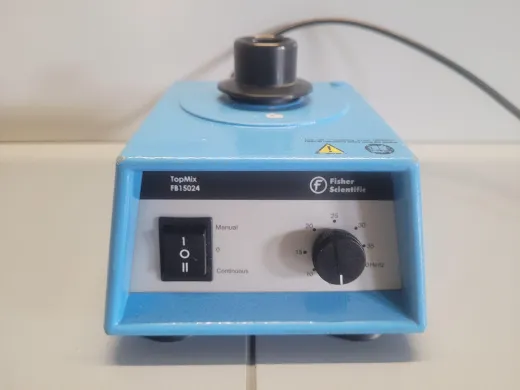
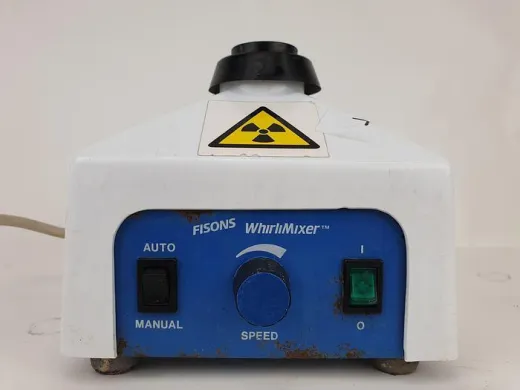
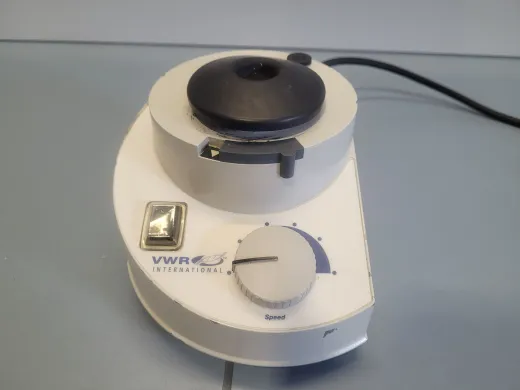
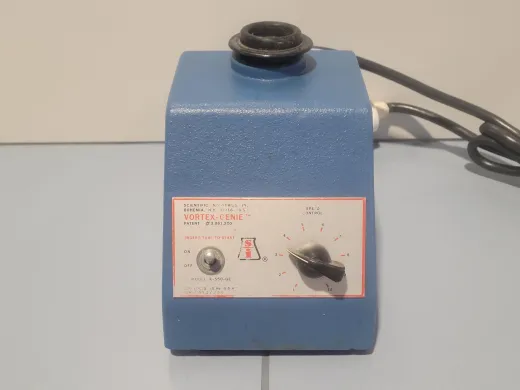


Not the exact instrument you need?
Tell our scientists what you are after. We track it down, including off-market supply.
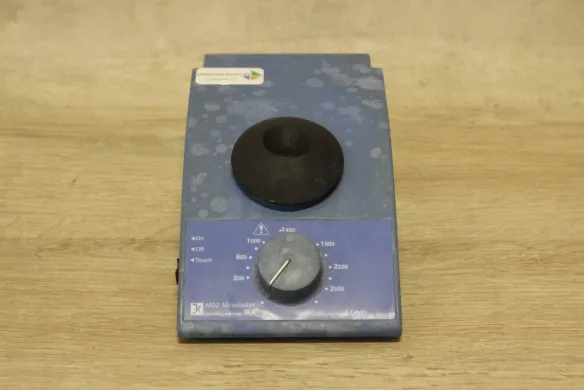
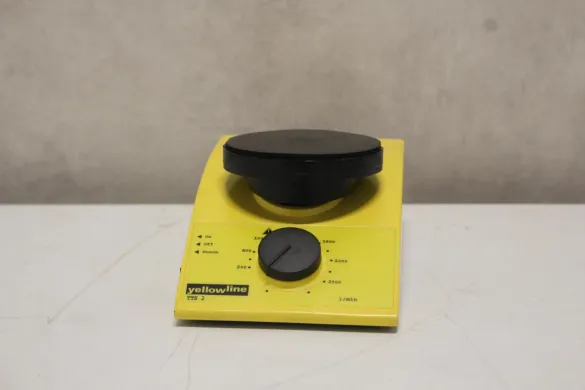
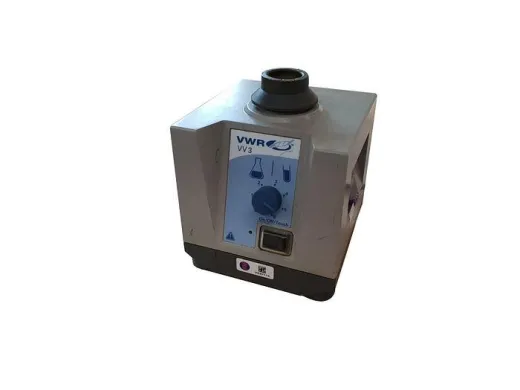
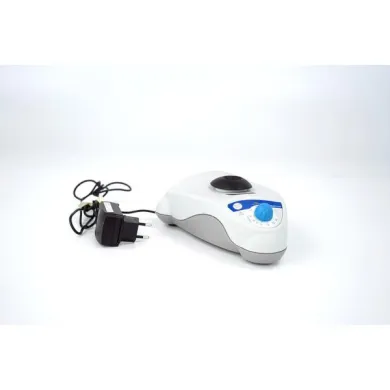
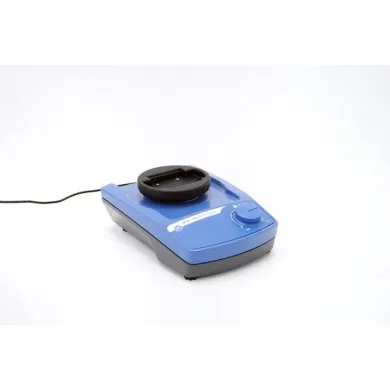
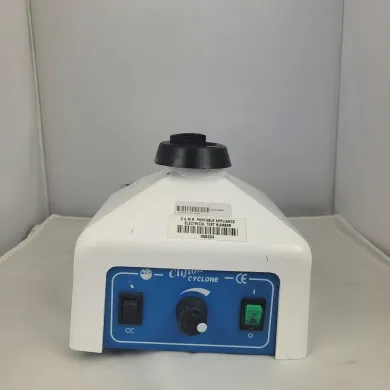
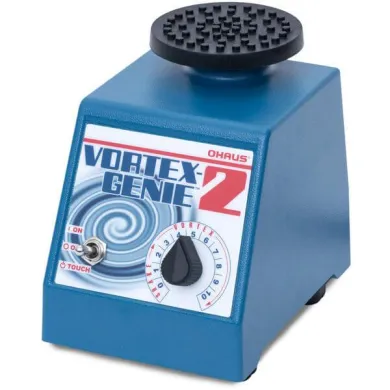
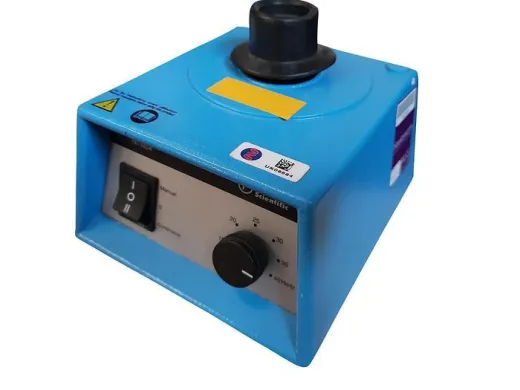
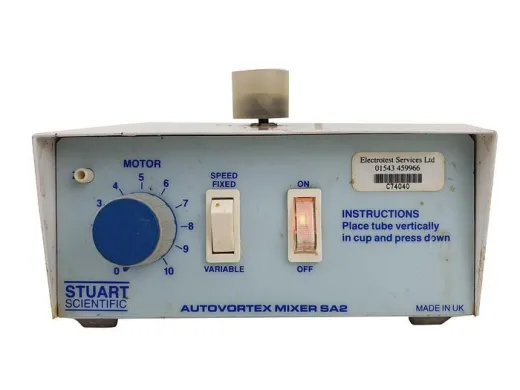
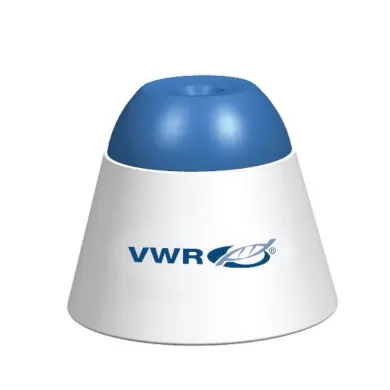
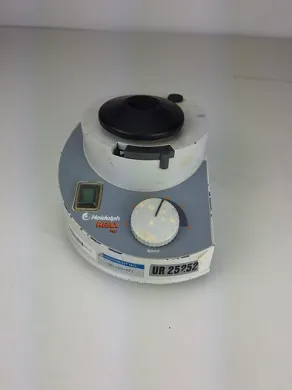
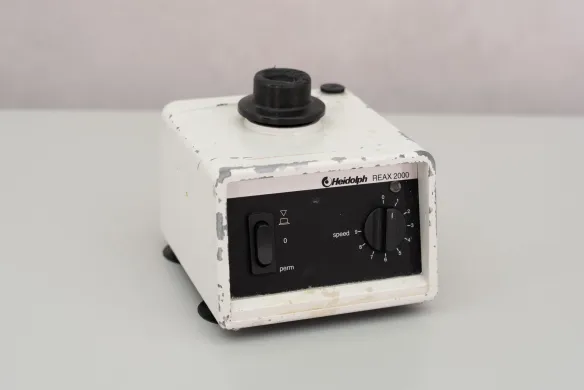
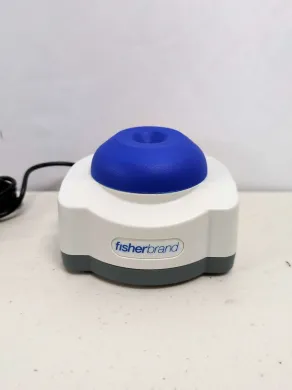
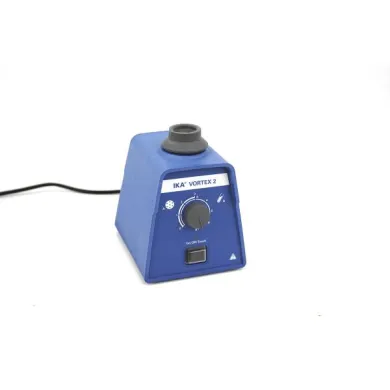
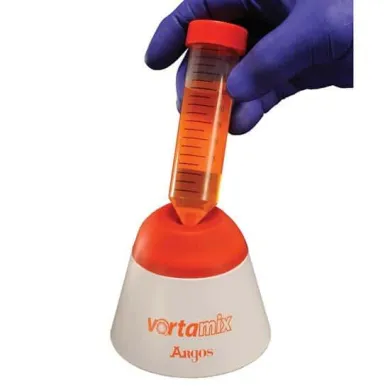
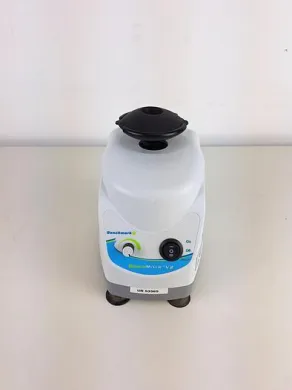
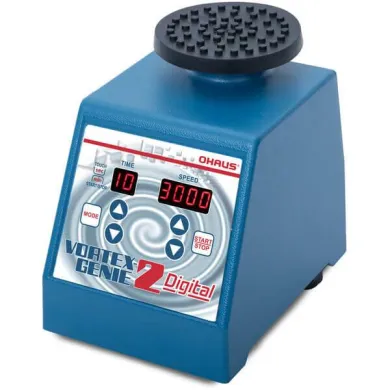
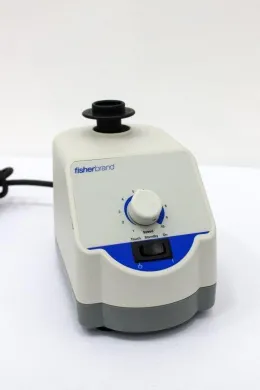
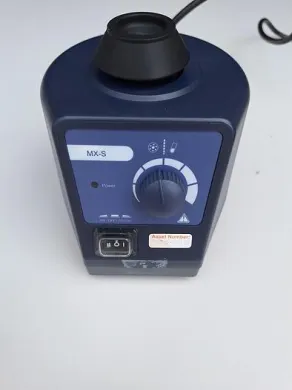
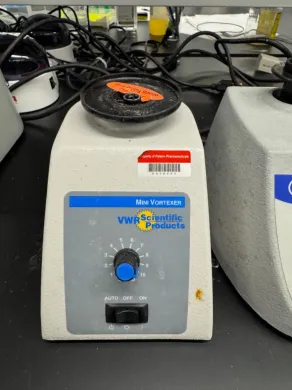
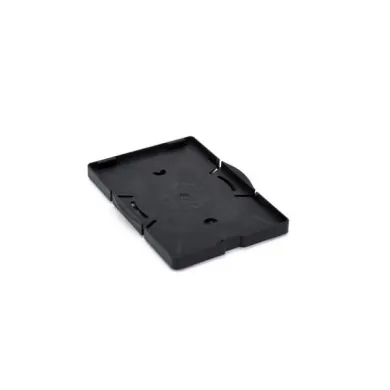
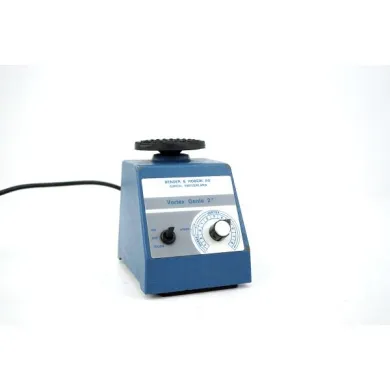
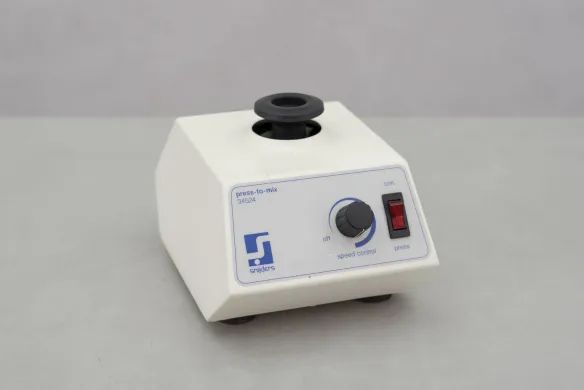
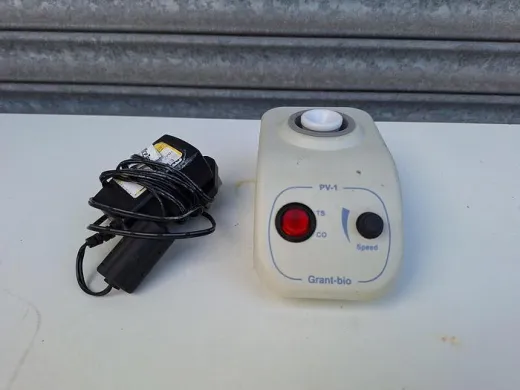
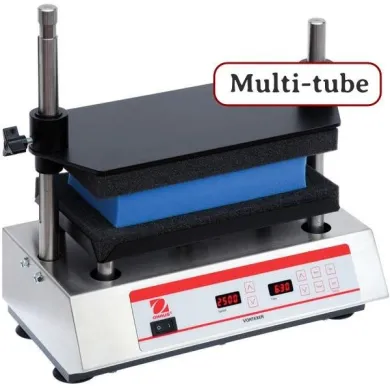
Ohaus VXMTDG Multi-Tube Vortex Shaker
- Category
- Vortex mixers
- Brand
- Ohaus
- Suppliers
- 1 verified
Not the exact instrument you need?
Tell our scientists what you are after. We track it down, including off-market supply.
Showing 1–40 of 218 listings
Show 40 more listingsBuying guide
What settles the choice first is the mixing action the work needs, because a vortex mixer does one motion and does it at one of two intensities. A touch-operated unit starts when a tube is pressed down and stops when it is lifted, which suits a bench where tubes are mixed one at a time between pipetting steps. A continuous unit holds its speed unattended, which is what a plate, a rack of microtubes or a timed incubation calls for. Orbit diameter decides how violent the vortex is: a wide orbit throws liquid hard and resuspends a stubborn pellet, a narrow one is gentler on cells or foam-prone samples. Top speed, usually quoted in rpm, matters less than the orbit for most work, and a variable-speed dial earns its place only where the same bench handles both delicate and aggressive mixing.
On a used unit the motor and the drive coupling are what age. Listen for an off-balance rattle at speed and check that the cup or platform sits flush, because a worn coupling walks the whole instrument across the bench. The rubber cup top perishes and cracks; it is a cheap consumable, but confirm the format matches the tubes in use, and remember that parts can be sourced via Questpair. Touch-start units wear a microswitch under the cup that eventually fails to trigger, so a listing that specifies the switch has been checked is worth more than one that does not. These are simple machines with little to recalibrate, which is part of why so many reach a second owner in working order.
Price is where the range tells the story. A used vortex mixer costs far less than a new one, and for a straightforward touch-start model that fits almost any budget, with the band running from EUR 9 at the low end. The upper figure of EUR 3.978 covers programmable multi-tube platforms and heated or refrigerated units that mix whole microplates, where the mechanism and the control electronics carry the cost rather than the mixing head. The average of EUR 234 sits well below the top, which reflects how many listings are the plain bench model. Among the brands, IKA, VWR, Scientific Industries, Ohaus, Fisher Scientific dominate the catalogue, and because these are high-volume, long-lived designs, both affordable used units for sale and spare cups are easy to find and easy to compare across sellers.
Types of Vortex mixers
Which vortex mixer types are listed?
Among the listings that specify a type, the field splits into the plain vortex mixer and a handful of broader labels, vortex mixer, laboratory mixer, benchtop mixer, laboratory shaker, laboratory vortex mixer, sample mixer, that sellers reach for when a unit does more than spin a single tube. The core vortex mixer is the touch-start bench device, bought one or two at a time for routine sample preparation. A laboratory shaker overlaps with it where the platform carries a rack or a flask rather than a cup, trading the tight orbital burst for a steadier, lower-speed motion. The terms sample mixer and benchtop mixer tend to mark the units built for continuous running, often with a plate adapter, and these are the ones that feed a cell culture or an assay workflow where a tray of microtubes has to be agitated for a set time rather than pulsed by hand.
Where vortex mixing touches the life sciences, it does the unglamorous step that everything downstream depends on. It resuspends cell pellets in molecular biology, mixes master mix before a thermal cycler takes over for PCR, and homogenises lysate during protein purification. A plate-format unit is also used for immunoassay plate agitation and for cell culture work where a reagent has to reach every well evenly, which is why the continuous-running models carry adapters for 96-well formats. Smaller units mix single tubes in genomics and proteomics sample prep, the brief vortex that follows a buffer addition before a spin. None of this is specialised instrumentation; it is the mixing that sits one bench over from the sequencer.
The brands behind the vortex mixer listings
IKA, VWR, Scientific Industries, Ohaus, Fisher Scientific account for most of what is on offer, and for a buyer that presence is practical rather than reputational. These are mass-produced, mechanically simple instruments, so spare cups, platforms and microswitches are stocked widely and a worn part rarely strands a unit. The same ubiquity makes models easy to compare: a Scientific Industries Genie-pattern device and an IKA bench unit do the same job, and a listing from one seller can be weighed against another on orbit, speed and condition rather than on a datasheet nobody can find. High supplier numbers for these names also keep the used price honest.
What a used vortex mixer costs here
Condition skews heavily towards the second-hand market: 93 percent of the listings are used. Prices range from EUR 9 to EUR 3.978, with the average at EUR 234. That spread covers the gap between a bare touch-start mixer and a programmable, temperature-controlled plate shaker, and the low average confirms that the ordinary bench model, the one most labs actually need, sits near the bottom of it.
Frequently asked questions
What is a vortex mixer?
A vortex mixer is a benchtop device that spins a tube or vessel in a rapid orbital motion, driving the liquid inside into a vortex. It resuspends pellets, dissolves solids and blends reagents in seconds.
What does the term vortex mixer mean?
The name describes the action: the device creates a vortex in the sample by moving the vessel in a fast circular orbit. The swirling motion is what gives the category its name.
How do vortex mixers work?
A motor drives a cup or platform in a small orbital circle at high speed, and the inertia of the liquid forms a rotating vortex inside the tube. Touch-start models run only while a tube is pressed onto the cup; continuous models hold a set speed for plates or racks.
What types of vortex mixers are there?
Listings fall into touch-start bench units for single tubes, continuous-running models that hold a speed for plates or racks, and units with interchangeable heads for different vessel formats. The categories shown here include vortex mixer, laboratory mixer, benchtop mixer, laboratory shaker, laboratory vortex mixer and sample mixer.
What is a vortex mixer used for?
It resuspends cell pellets, mixes PCR master mix, homogenises lysate during protein purification, and agitates reagents before a spin. Plate-format units are also used for immunoassay plate agitation and for cell culture work that needs even reagent distribution across wells.
How do I choose a vortex mixer?
Start with the mixing action the work needs: touch-start for single tubes mixed one at a time, continuous for plates, racks or timed incubations. Then weigh orbit diameter, which sets how violent the vortex is, against top speed and whether you need a variable-speed dial.
What is the difference between refurbished and used?
A used unit is sold in its working condition as received, while a refurbished one has been checked and any worn parts replaced before sale. Both are listed below new prices, and the exact condition is described in each individual listing.
How much does a vortex mixer cost?
Prices range from EUR 9 to EUR 3.978, with the average at EUR 234. The low end covers bare touch-start bench models and the high end covers programmable multi-tube platforms and heated or refrigerated plate shakers.
Which brands make vortex mixers?
The brands that appear most across the listings here are IKA, VWR, Scientific Industries, Ohaus and Fisher Scientific. These are mechanically simple, mass-produced instruments, so models from different makers can be compared on orbit, speed and condition.
Is there a warranty on a refurbished vortex mixer?
A warranty is often possible and is arranged in consultation for the specific listing. Check the condition and terms stated on the listing you are considering.
Are spare parts available for vortex mixers?
Rubber cup tops, platforms and microswitches are stocked widely because these designs are high volume, and parts can be sourced via Questpair. The cup top is a cheap consumable, so confirm its format matches the tubes you use.
How long does a vortex mixer last?
These are simple machines with little to wear beyond the motor, the drive coupling, the rubber cup top and, on touch-start units, the microswitch under the cup. Because there is little to recalibrate, many units reach a second owner still working.
Should I buy new or used?
Used and refurbished units are listed at lower prices than new ones, which is the main difference between them here. The low average confirms the ordinary bench model, the one most labs need, sits near the bottom of the price band, so a used touch-start unit fits almost any budget.
Where can I buy a vortex mixer?
The listings on this page come from verified suppliers and distributors in the Questpair catalogue, covering new, used and refurbished units. You can compare across sellers on orbit, speed and condition.
What are the lead time and shipping like?
Lead time and shipping depend on the individual seller and location, so check the specific listing. Suppliers and distributors here are spread across multiple countries.
Does a vortex mixer need calibration or maintenance?
There is little to recalibrate on a vortex mixer. Maintenance is mostly replacing the perishable rubber cup top and watching the motor and drive coupling for an off-balance rattle at speed.
Which types are listed most, and who reaches for each?
The plain touch-start vortex mixer is the one bought one or two at a time for routine sample preparation. Continuous-running sample mixers and benchtop mixers with plate adapters feed cell culture and assay workflows where a tray of microtubes is agitated for a set time, while laboratory shakers carry racks or flasks at a steadier, lower speed.
Which brands dominate this category, and what does that mean for a buyer?
IKA, VWR, Scientific Industries, Ohaus and Fisher Scientific account for much of what is on offer. For a buyer this means spare cups, platforms and microswitches are easy to find, and a worn part rarely strands a unit, so condition and spec matter more than the badge.
What separates the cheapest vortex mixers from the most expensive here?
The low end is a bare touch-start bench mixer that spins a single tube. The high end is a programmable multi-tube platform, often heated or refrigerated, that agitates whole microplates, where the control electronics and the mechanism carry the cost rather than the mixing head.