

Mixers
We personally find you the right used, refurbished and new mixers instruments & equipment from verified suppliers.
Mixers are laboratory devices that agitate, blend or homogenise liquids, suspensions and small samples through rotation, oscillation or high-speed vortex motion. On Questpair, the mixer catalogue currently holds 714 listings in new, used and refurbished condition, spread across 18 verified suppliers in 9 countries. Among those listings, 92 percent are used. The range runs from compact bench vortexers to overhead stirrers built for viscous formulation work, so the price span is wide. Buyers reach for this class of equipment across chemistry, biology and clinical laboratory work, wherever a sample needs consistent, repeatable agitation rather than manual swirling.
Updated:
Mixers product list
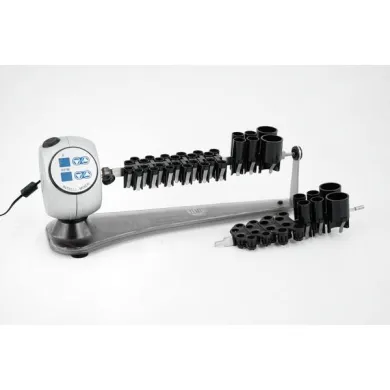


Not the exact instrument you need?
Tell our scientists what you are after. We track it down, including off-market supply.
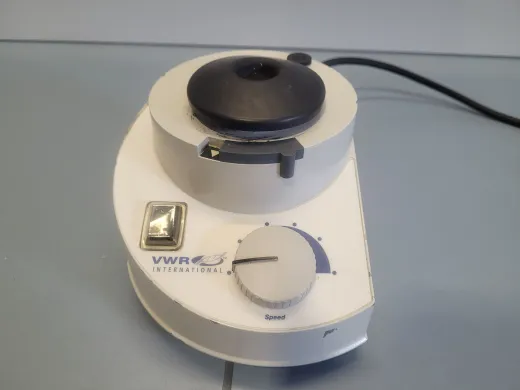
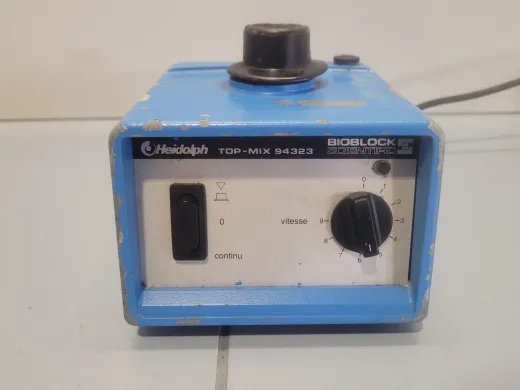
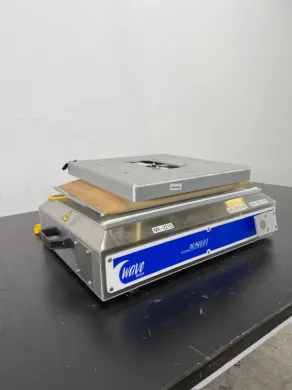
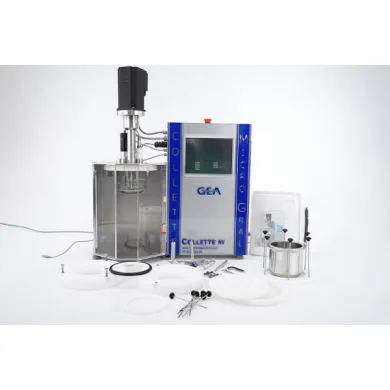
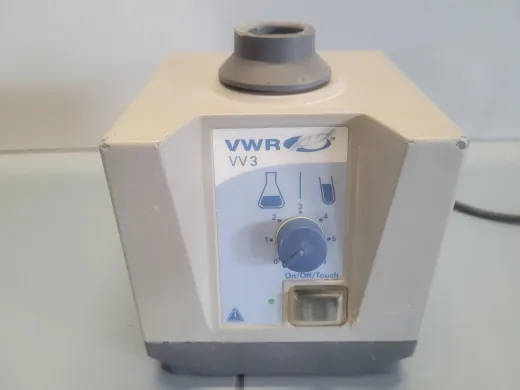
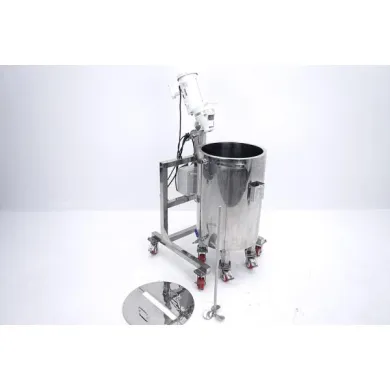
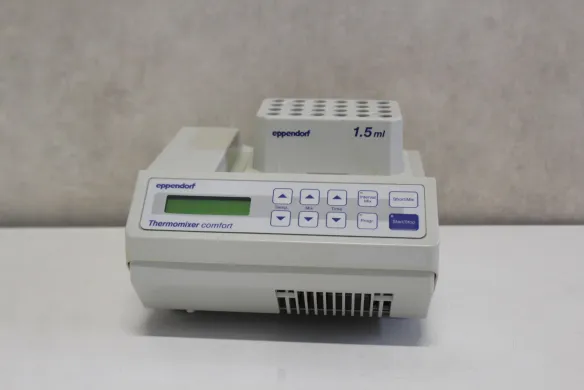
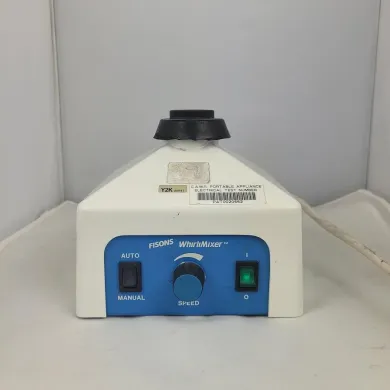
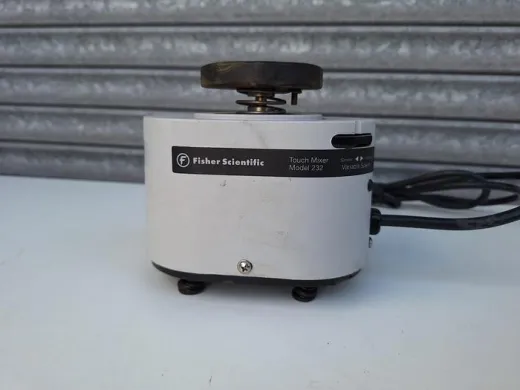
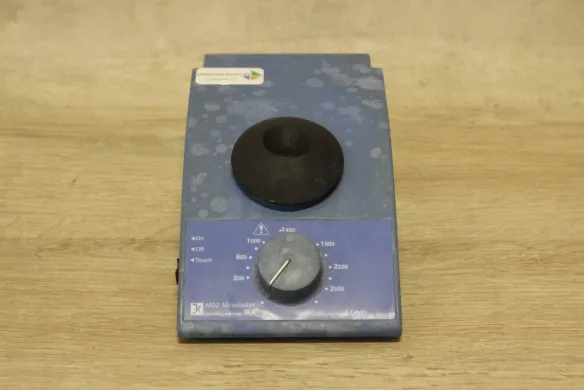
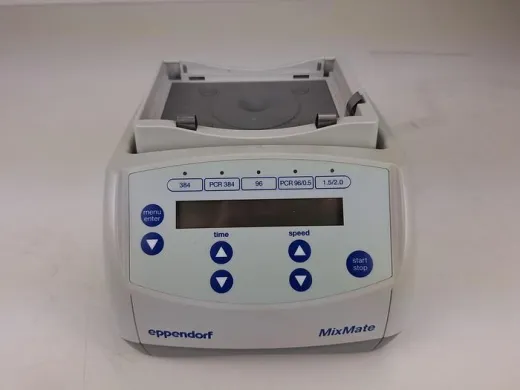
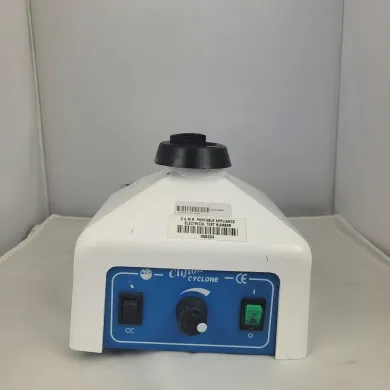
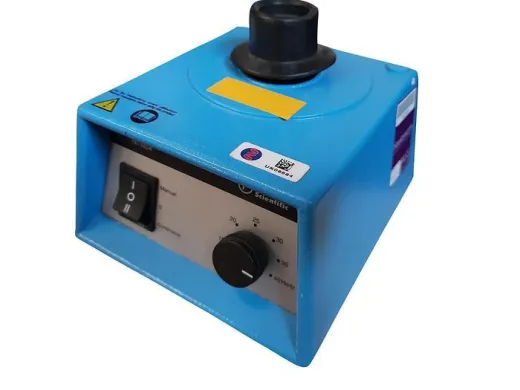
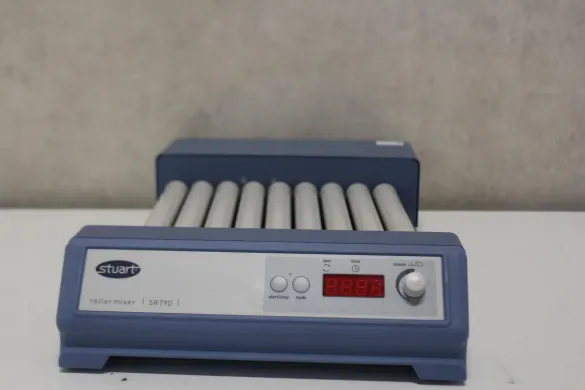
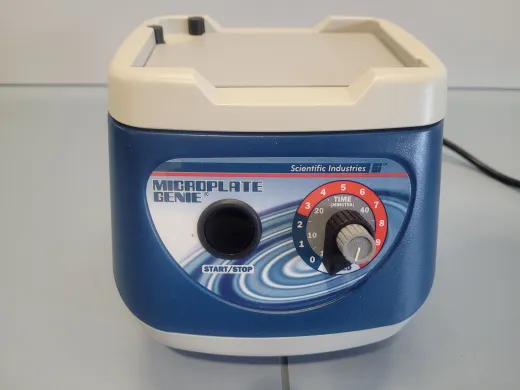
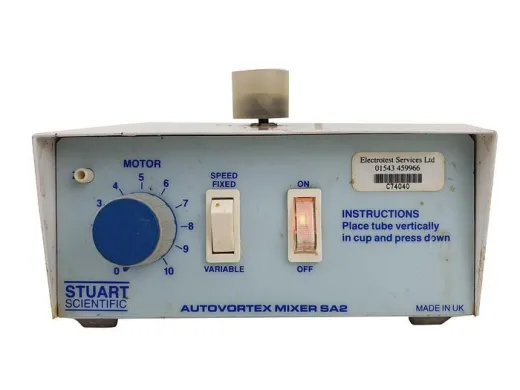
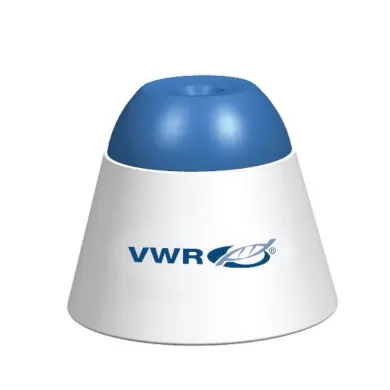
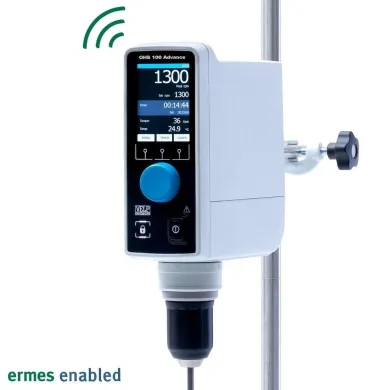
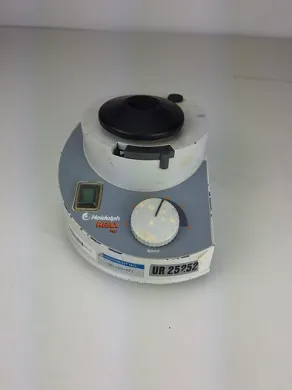
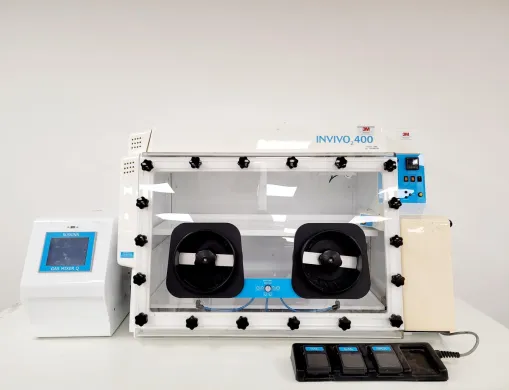
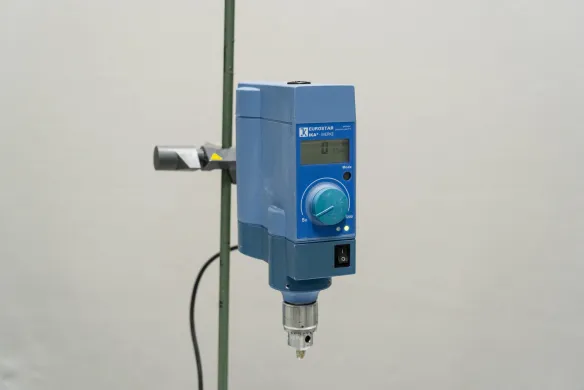
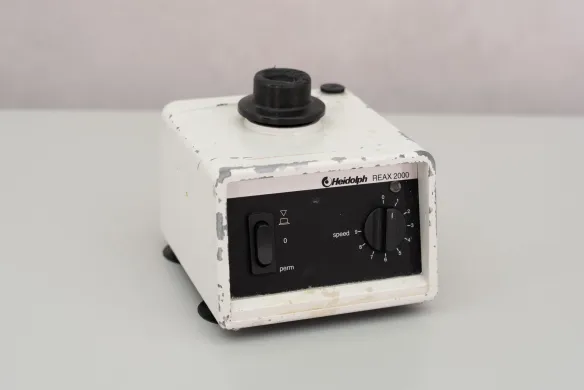
Not the exact instrument you need?
Tell our scientists what you are after. We track it down, including off-market supply.
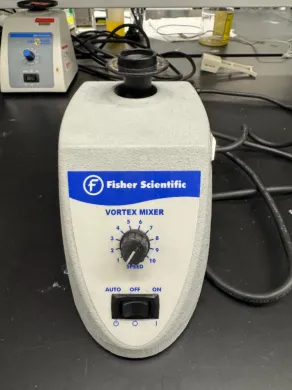
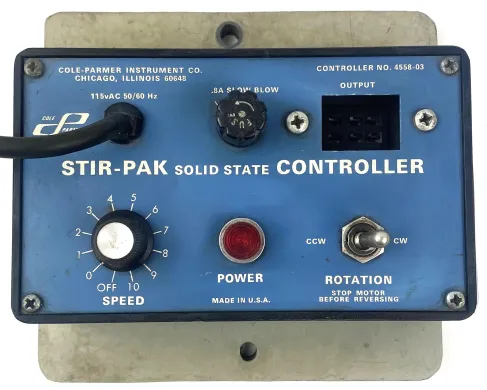
Showing 1–40 of 320 listings
Show 40 more listingsBuying guide
What decides a mixer purchase?
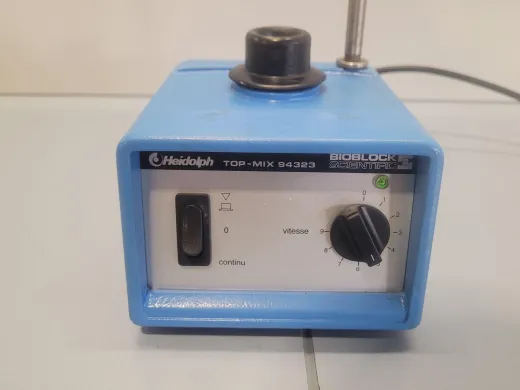
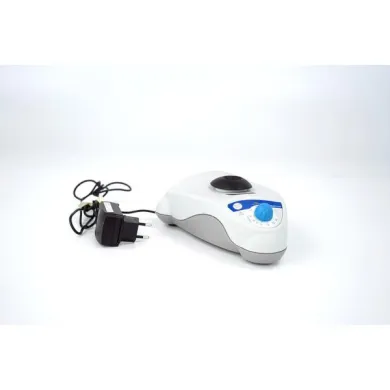
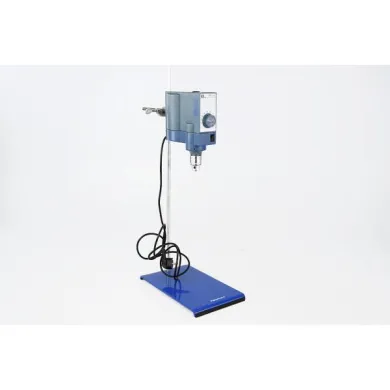
For a mixer, the motion type settles the choice before anything else, because it fixes what the device can and cannot do. A vortex mixer spins a small tube at high orbital speed and suits a microcentrifuge tube or a culture vial; it will do nothing useful with a two-litre beaker. An overhead stirrer drives a shaft and impeller through viscous liquids and resins, where a vortexer has no reach at all. A platform or orbital shaker moves flasks and plates in gentle, sustained motion for cell culture and incubation. Decide which of these the work needs, and the rest of the specification follows from it: speed range in rpm, maximum load or vessel capacity, whether the motion is orbital, reciprocating or vertical, and whether continuous or touch-activated operation matters.
Speed range and load capacity are where the specification earns or loses its place. A stirrer rated for low-viscosity solvents stalls in a thick suspension, and a shaker rated for a single flask will not carry a full plate stack. Check the stated speed at the stated load, not the headline figure, and confirm the orbit diameter on a shaker, since that governs how aggressively the liquid actually moves.
On a used unit, the motor and the drive are what to verify. Bearings wear, orbital shakers develop play in the drive mechanism, and a vortexer's rubber cup hardens and cracks with age. Ask whether the unit still holds its set speed under load and whether the platform or clamp accessories are included, because replacements are not always easy to match. These systems have few consumable parts, which is why a tested motor matters more than cosmetic condition.
Price follows condition and type closely. Across the catalogue, listings run from EUR 10 to EUR 12.500, with the average near EUR 697. A used vortex mixer sits at the affordable end of that span and fits a modest budget, while a new overhead stirrer or a large programmable shaker reaches the upper figures. The brands that occupy the range are VWR, IKA, Scientific Industries, Fisher Scientific, Heidolph, and what a unit costs on the used market tracks which of those made it and how recent the model is. Refurbished and used units are listed for sale below the price of a new equivalent, which is the clearest reason the used share of this catalogue is as large as it is.
Types of Mixers
Which mixer types are listed here?
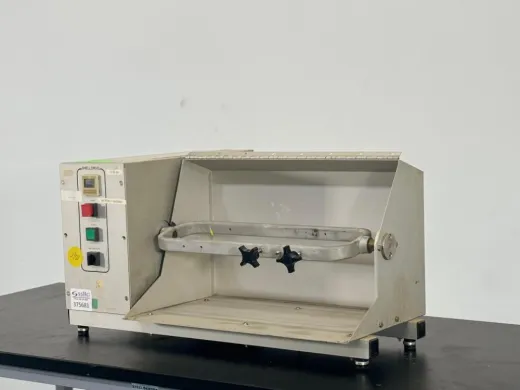
Among the listings that specify a type, the catalogue sorts into a handful of distinct families. A laboratory mixer is the broad working term for any device that blends or agitates a sample; it covers both the small tabletop units and the heavier formulation equipment. A vortex mixer is the compact, high-speed workhorse, built to resuspend pellets and mix reagents in a single tube at the press of a cup. A laboratory shaker moves flasks, bottles or plates in orbital or reciprocating motion and holds that motion for hours, which is why it anchors so much incubation and cell culture work. A benchtop mixer sits between the two, a mid-sized unit for routine blending. A sample mixer handles gentle, continuous inversion of tubes, the motion used to keep blood or a suspension homogeneous over time, and mixing equipment is the catch-all for the rest.
The life sciences work these cover is specific to each family. Vortex mixers and sample mixers are standard in molecular biology and clinical diagnostics, where resuspending a pellet or keeping a sample homogeneous feeds into DNA extraction, immunoassay preparation and sample preparation for downstream analysis. Orbital shakers are routine in cell culture and microbiology, driving bacterial culture growth and the steady agitation that protein purification and electrophoresis sample handling rely on. A sample mixer used for continuous tube inversion also serves hematology and haematology benches, where whole blood must stay mixed before a count. These are the long-running tasks a mixer carries in a genomics or proteomics laboratory, each one tied to the motion its device produces.
The brands behind the mixer listings
The names that recur across the catalogue are VWR, IKA, Scientific Industries, Fisher Scientific, Heidolph. For a buyer, a concentration of well-known makers has practical consequences. Spare cups, platforms and clamps are easier to find for a widely sold model, so a used unit from one of these brands is less likely to become unusable over a missing accessory. Pricing is also easier to judge, because several comparable models exist to measure one listing against. Where a brand is less common on the market, expect fewer reference points and treat the individual listing as the source of truth on condition and included parts.
What a used mixer costs here
Condition drives the catalogue: 92 percent of the listings are used. Prices run from EUR 10 to EUR 12.500, with the average near EUR 697. That spread covers everything from a basic single-tube vortexer to a programmable large-platform shaker or a heavy overhead stirrer, which is why the two ends sit so far apart. A buyer working to a tight budget will find most of the usable vortex and bench units well below the average, while the upper figures belong to the larger and newer equipment.
Frequently asked questions
What is a mixer?
A mixer is a laboratory device that agitates, blends or homogenises liquids, suspensions and small samples through rotation, oscillation or high-speed vortex motion. The class covers everything from compact single-tube vortexers to overhead stirrers for viscous formulation work.
What does the term mixer mean in a lab context?
It refers to any instrument that produces consistent, repeatable agitation of a sample rather than relying on manual swirling. The motion may be orbital, reciprocating, vertical inversion or high-speed vortex, depending on the device.
How do mixers work?
They drive a sample through a defined motion: a vortexer spins a tube at high orbital speed, a shaker moves flasks or plates in sustained orbital or reciprocating motion, and an overhead stirrer rotates a shaft and impeller through liquid. The motor and drive mechanism set the speed and the load the device can handle.
What types of mixers are there?
The catalogue sorts into laboratory mixers, vortex mixers, laboratory shakers, benchtop mixers, sample mixers and general mixing equipment. Vortex mixers handle single tubes at high speed, shakers move flasks and plates over hours, sample mixers invert tubes gently and continuously, and benchtop units sit in between.
What are mixers used for?
They cover resuspending pellets, mixing reagents, driving bacterial culture growth, keeping blood or suspensions homogeneous, and sustained agitation for protein purification and electrophoresis sample handling. The task follows the motion the device produces, so each family serves a different set of bench jobs.
How do I choose a mixer?
Start with the motion type, because it fixes what the device can do: a vortexer for single tubes, a shaker for flasks and plates, an overhead stirrer for viscous liquids. Then confirm speed range in rpm, maximum load or vessel capacity, orbit diameter on a shaker, and whether continuous or touch-activated operation is needed.
What is the difference between refurbished and used mixers?
A used mixer is sold in its working condition as described in the listing, while a refurbished unit has been checked and brought back toward working order before sale. For either, verify the motor, drive and included accessories through the individual listing, since mixers have few consumable parts and a tested motor matters more than cosmetic state.
How much does a mixer cost?
Prices across the catalogue range from EUR 10 to EUR 12.500, with the average near EUR 697. A used vortex mixer sits at the affordable end, while a new overhead stirrer or a large programmable shaker reaches the upper figures.
Which are the best mixer brands?
The names that recur across the listings are VWR, IKA, Scientific Industries, Fisher Scientific and Heidolph. A widely sold model from one of these is easier to price against comparable units and easier to match with accessories, which matters more than any single ranking.
Can I get a warranty on a refurbished mixer?
A warranty is often possible and is arranged in consultation for the specific listing. Check the individual listing and raise the question with the supplier before purchase.
Are parts available for mixers?
Mixers have few consumable parts, the main ones being cups, platforms, clamps and drive components that wear with age. Parts can be sourced via Questpair, and a widely sold model makes a match easier to find.
How long does a mixer last?
Lifespan depends on the motor and drive rather than cosmetic condition, since these units have few parts to fail. Bearings wear, orbital shakers develop play in the drive, and a vortexer's rubber cup hardens and cracks over time, so a unit that still holds its set speed under load has the most working life left.
Should I buy a new or a refurbished mixer?
Used and refurbished mixers are listed at lower prices than new units, which is the clearest reason the used share of this catalogue is as large as it is. Where you have to weigh the two, check the individual listing for condition and included accessories, and note that warranty is arranged in consultation.
Where can I buy a mixer?
Mixers are listed on Questpair across 18 verified suppliers and distributors in 9 countries, in new, used and refurbished condition. The catalogue currently holds 714 listings.
What are the lead time and shipping like?
Lead time and shipping depend on the individual supplier and the destination country, and the listings span 9 countries. Check the specific listing or contact Questpair, where specialists respond within one hour.
Do mixers need calibration and maintenance?
The practical checks are whether the unit holds its set speed under load and whether the drive runs without play, since these govern how reliably the motion repeats. Questpair does not offer servicing, so verify a used unit's condition through the listing before purchase.
Which mixer types are listed most and who reaches for each?
The listed families are laboratory mixers, vortex mixers, laboratory shakers, benchtop mixers, sample mixers and mixing equipment. Vortex and sample mixers are standard in molecular biology and clinical diagnostics, orbital shakers in cell culture and microbiology, and sample mixers also serve hematology and haematology benches where whole blood must stay mixed before a count.
Which brands dominate this category and what does that mean for a buyer?
VWR, IKA, Scientific Industries, Fisher Scientific and Heidolph recur across the listings. A concentration of well-known makers means spare cups, platforms and clamps are easier to find and pricing is easier to judge against comparable models, while a less common brand gives fewer reference points and makes the individual listing the source of truth on condition.
What separates the cheapest mixers from the most expensive here?
The bottom of the band is a basic single-tube vortexer, while the top is a programmable large-platform shaker or a heavy overhead stirrer, which is why the two ends sit so far apart. Motion type, speed range, load capacity and whether the unit is new all push a listing toward the upper figures.