

Gas handling
We personally find you the right used, refurbished and new gas handling instruments & equipment from verified suppliers.
Gas handling equipment is the hardware that delivers, regulates and conditions compressed and specialty gases from a cylinder or a generator to an instrument or a process line. The category covers pressure regulators, supply systems, purification units and gas generators used across analytical, synthetic and process laboratories. On Questpair, 115 items are listed by 10 verified suppliers and distributors across 7 countries, in new, used and refurbished condition. 97 percent of the listings are used. Prices run from EUR 30 to EUR 31.487. The spread reflects the distance between a single-stage regulator and a complete laboratory gas supply system with integrated purification.
Updated:
Gas handling product list


Not the exact instrument you need?
Tell our scientists what you are after. We track it down, including off-market supply.
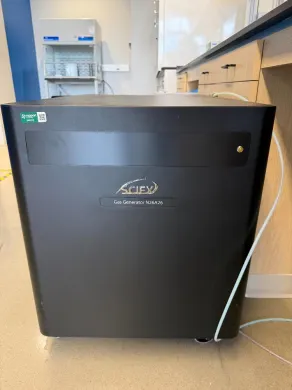
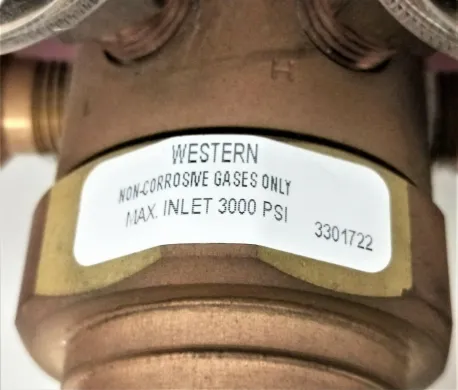
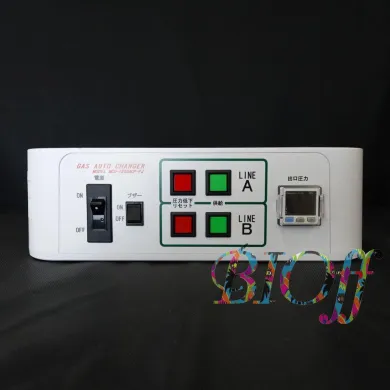
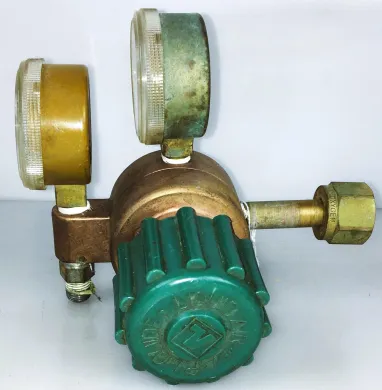
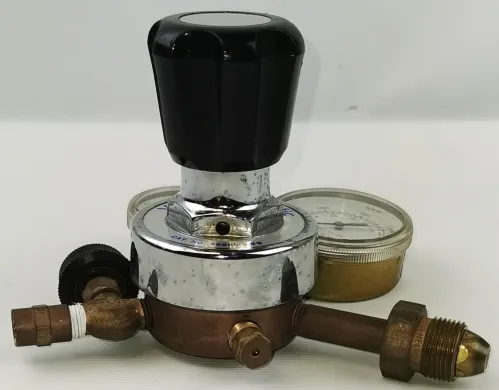
Not the exact instrument you need?
Tell our scientists what you are after. We track it down, including off-market supply.
Showing 1–40 of 92 listings
Show 40 more listingsBuying guide
The gas decides almost everything downstream. A regulator rated for nitrogen or argon is not a regulator for oxygen, hydrogen or a corrosive specialty gas, because the seat materials, the body alloy and the cleaning standard change with the gas. Match the equipment to the gas first, then to the cylinder connection, which is standardised by gas and by region. A unit built for a European cylinder fitting will not thread onto a bottle from another standard without an adapter, and an adapter on a high-pressure line is a point to think twice about.
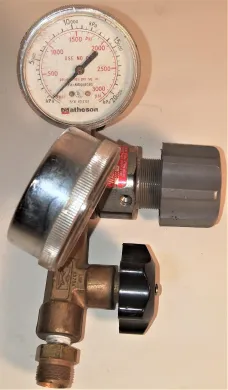
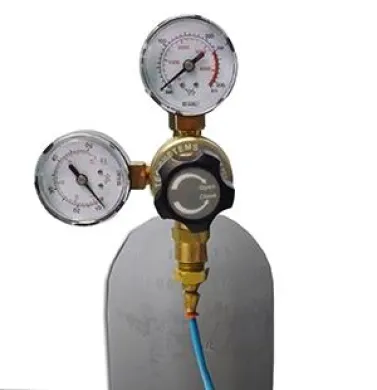
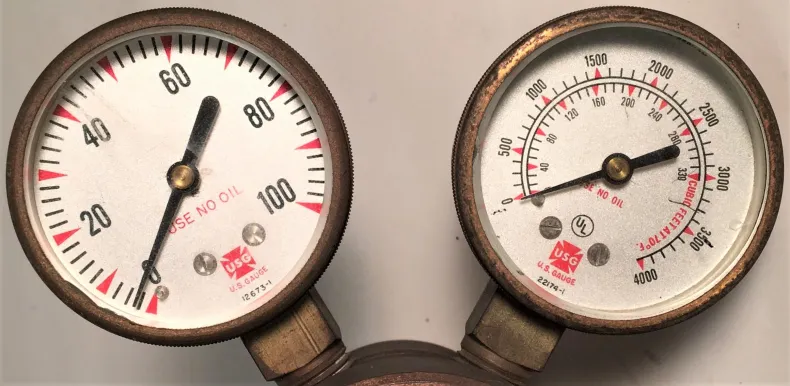
Pressure comes next. A single-stage regulator drifts in outlet pressure as the cylinder empties, which is acceptable for a flame but not for a detector that expects a stable feed. A two-stage regulator holds the outlet steady across the cylinder's working range, which is why analytical work tends toward it. Decide what outlet range the instrument needs and what inlet the cylinder delivers, and read both off the regulator's own rating rather than assuming a general-purpose unit will span them.
On a used unit, condition sits where a specification cannot reach. Ask what gas the regulator last carried, because a body that saw a corrosive or an oxidising service may not be safe to repurpose for a different one, and this is not something a datasheet records. Check that the diaphragm holds, that the gauges read true against a known pressure, and that the cleaning grade suits the intended use: high-purity and oxygen service require cleaning the general-purpose market does not. For a gas generator, run time and membrane or sieve age matter more than the nameplate output.
Price follows the type. A bare regulator sits at the low end of the range, and a complete supply system or a high-capacity generator sits at the top; the EUR 1.267 average tells you where the weight of the catalogue lies rather than what any one unit costs. Budget for the gas, not just the hardware, since a generator trades a recurring cylinder cost for an upfront one. Used and refurbished units are listed for sale below the price of new, which is what makes a second-hand regulator an affordable route to a spare or a redundant line, provided its service history checks out. Where warranty matters, it is arranged in consultation for the specific listing.
Types of Gas handling
Which gas handling types are listed?
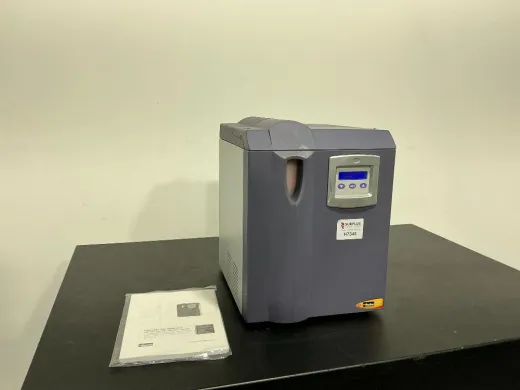
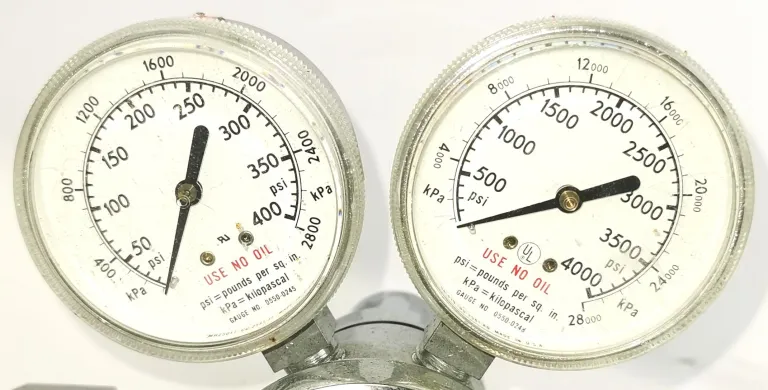
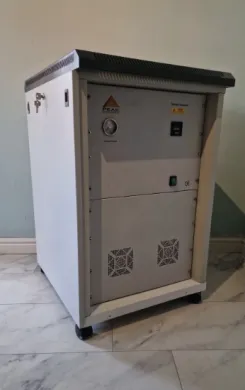
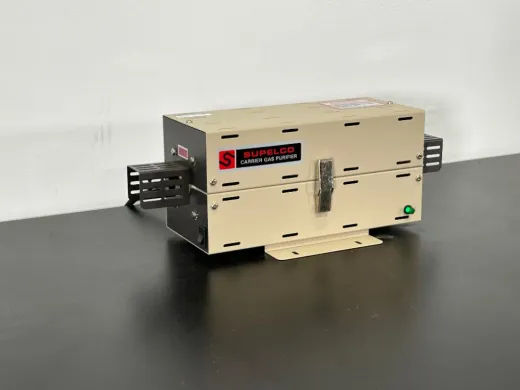
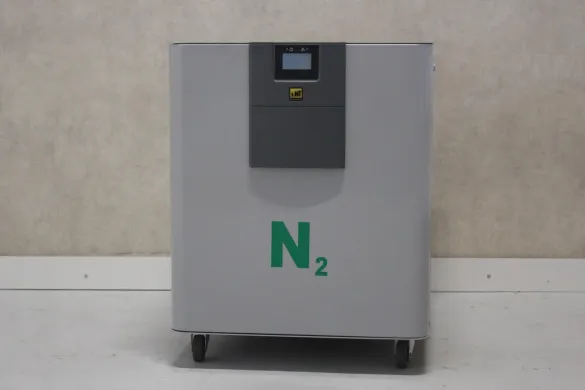
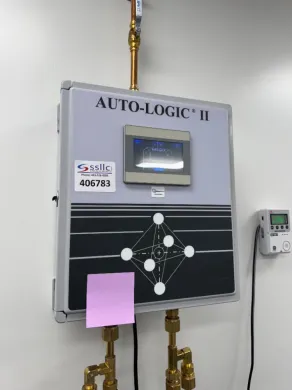
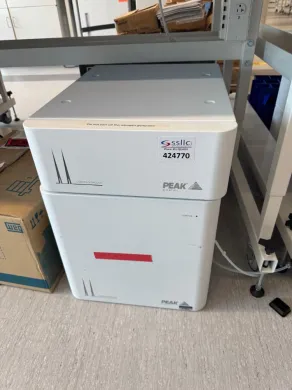
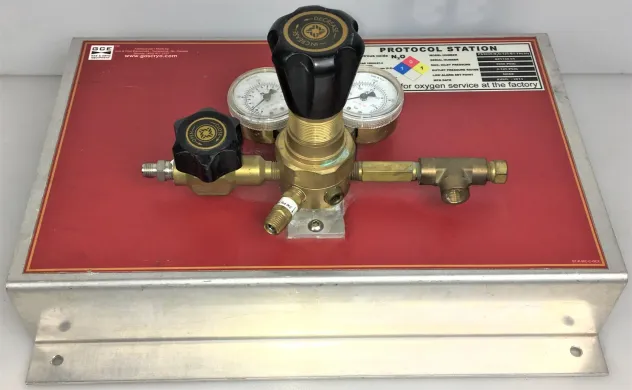
Among the listings that specify a type, the common forms are gas pressure regulators, laboratory gas supply systems, specialty gas regulators, gas purification systems, gas generators and high-purity gas regulators. A pressure regulator steps a cylinder's high inlet down to a usable outlet and is the entry point for most benches; a specialty gas regulator is the same function built in materials and to a cleaning grade that suit reactive or high-value gases. A laboratory gas supply system extends that to a whole room, manifolding several cylinders and switching automatically between them. Purification systems strip residual moisture, oxygen or hydrocarbons from a feed, which matters for gas chromatography carrier lines and for electrophoresis and immunoassay rigs that depend on a clean inert blanket. Gas generators make nitrogen, hydrogen or zero air on site from compressed air, removing the cylinder from the workflow entirely, and high-purity regulators serve the detectors that cannot tolerate contamination.
Several of these feed life sciences work directly. Nitrogen generators supply the evaporation and blow-down steps in proteomics and molecular diagnostics sample preparation, and a high-purity nitrogen generator for sample concentration is a recurring requirement in those labs. Hydrogen generators drive flame ionisation detection in metabolomics and lipid analysis, and specialty gas regulators for cell culture incubators meter the carbon dioxide blend that keeps a mammalian culture at the right pH. Purification systems also serve anaerobic microbiology, where an oxygen-scrubbed inert feed is what makes a glovebox usable.
The brands behind the gas handling listings
The listings carry Various, Linde, Peak Scientific, Peak Scientific Instruments Ltd, GCE. A recognised regulator brand means parts, seats and gauges stay available and a model can be cross-checked against a published specification, which matters more on second-hand hardware than it does new. Generator makers tend to tie consumables, membranes and sieve cartridges, to the model, so a known name is easier to keep running over its life. The "Various" share reflects the long tail of single listings where the maker is recorded loosely rather than as a brand in its own right.
What a used gas handling unit costs here
New, used and refurbished units are listed, and 97 percent of the listings are used. Prices run from EUR 30 to EUR 31.487, the lower end holding bare regulators and the upper end complete supply systems and high-capacity generators. Used and refurbished regulators are listed below the price of new equivalents, which is what makes them a practical route to a spare line.
Frequently asked questions
What is gas handling equipment?
It is the hardware that stores, delivers, regulates and purifies the gases a laboratory feeds into its instruments and processes. The category sits between a cylinder or house line and the point of use, covering regulators, supply systems, purification trains and generators.
What does gas handling actually mean in a lab setting?
It means managing a gas from its storage pressure to a safe, clean, controlled delivery at the instrument. In practice that is stepping pressure down, routing gas across a bench, removing contaminants, or generating gas on site.
How does gas handling equipment work?
A regulator takes high cylinder or line pressure and brings it down to a controlled working range using a diaphragm and valve seat. Supply systems carry that gas through manifolds and point-of-use valves, while purifiers strip moisture and oxygen and generators produce gas from air or water on demand.
What types of gas handling equipment are there?
The catalogue sorts into gas pressure regulators, laboratory gas supply systems, specialty gas regulators, high-purity gas regulators, gas purification systems and gas generators. The first group moves and controls gas, while purifiers and generators clean or create it.
What is gas handling equipment used for?
It supplies clean, pressure-controlled gas to analytical instruments such as LC-MS, GC and evaporative detectors, and to life science rigs like cell culture incubators and bioprocessing setups. Nitrogen generators feed LC-MS, hydrogen generators supply flame ionisation detectors, and purifiers protect carrier gas in chromatography.
How do I choose the right gas handling unit?
Start from the gas, the grade and the delivery pressure your instrument needs, then match the wetted parts to the gas chemistry. Corrosive or reactive gases call for a specialty regulator, trace-sensitive grades call for a high-purity diaphragm-sealed body, and a lab feeding several outlets from one store needs a supply system rather than a single regulator.
What is the difference between refurbished and used gas handling equipment?
Used units are sold in their existing condition, while refurbished units have been reconditioned before listing. Both are listed at lower prices than new, and the specific condition and history are described on the individual listing.
How much does gas handling equipment cost?
Prices range from EUR 30 to EUR 31.487, with the average at EUR 1.267. A single bench regulator sits at the low end and a complete generator or multi-outlet supply system at the high end.
Which brands make gas handling equipment?
Named suppliers on these pages include Linde, Peak Scientific, GCE, and Peak Scientific Instruments Ltd, with a share of listings under a general heading rather than one maker. Linde and GCE are established in regulators and delivery hardware, while Peak Scientific concentrates on gas generators.
Is a warranty available on refurbished gas handling equipment?
A warranty is often possible and is arranged in consultation for the specific listing. Check the individual listing for the terms that apply to that unit.
Can I get parts for gas handling equipment?
Parts for listed equipment can be sourced via Questpair. For documented makers like Linde, GCE and Peak Scientific, seals, gauges and membrane or getter cartridges follow a known schedule, which makes matching parts to a model more straightforward.
How long does gas handling equipment last?
A regulator can serve for years provided the diaphragm and seats are maintained and the gas chemistry matches the wetted parts. Generators and purifiers depend on consumables such as membranes, getter cartridges and purifier media, so their working life ties to how that maintenance is kept up.
New versus refurbished gas handling equipment, which should I buy?
The one difference Questpair sets is price: used and refurbished units are listed below new. For a generator or purifier, a documented maintenance history on a used unit lets you assess its state, so weigh the individual listing and arrange warranty in consultation.
Where can I buy gas handling equipment?
The Questpair catalogue lists gas handling equipment from 10 verified suppliers and distributors across 7 countries. The listings cover new, used and refurbished condition.
What are the lead time and shipping like?
Lead time and shipping depend on the individual listing and the supplier holding the item. The listing shows the seller and the details, and Questpair specialists respond within one hour if you need to confirm before ordering.
How are gas handling units calibrated and maintained?
Regulators are checked for delivery accuracy and seat leakage, while generators and purifiers run on scheduled replacement of membranes, getter cartridges or purifier media. Questpair does not offer servicing, but parts for listed equipment can be sourced through it.
Which gas handling types are listed most and who buys which?
Gas pressure regulators are the item most benches need and the one most often bought used. Specialty regulators reach semiconductor and analytical chemistry buyers running corrosive or calibration gases, supply systems suit a lab feeding one gas to many instruments, and generators and purifiers go to analytical and life science workflows.
Which brands dominate this category and what does that mean for a buyer?
Linde and GCE are established in regulators, so their models are documented and seals and gauges are straightforward to match, while Peak Scientific is concentrated in generators with service parts on a known schedule. A good share of listings sit under a general heading, which widens choice but shifts comparison onto the model number and specification rather than the badge.
What separates the cheapest gas handling listings from the most expensive?
At the low end sits a single bench regulator; at the high end a complete generator or a multi-outlet supply system that plumbs gas to several instruments. The price gap tracks scope, from one controlled outlet to a full on-site supply or gas-generating unit, with the average at EUR 1.267.