

Flowmeters
We personally find you the right used, refurbished and new flowmeters instruments & equipment from verified suppliers.
Flowmeters are instruments that measure the rate at which a gas or liquid moves through a line, reporting it as a volume or mass per unit of time. On the Questpair catalogue, 122 flowmeter listings are available from 12 verified suppliers and distributors across 8 countries, in new, used and refurbished condition. 92 percent of the listings are used. Prices range from EUR 37 to EUR 9.684, a spread wide enough to separate a simple laboratory rotameter from a calibrated industrial mass flow controller. The listed makers include Various, Endress+Hauser, GF Signet, King Instrument, Copley, and the types on offer run from benchtop air samplers to inline process meters used in manufacturing lines.
Updated:
Flowmeters product list
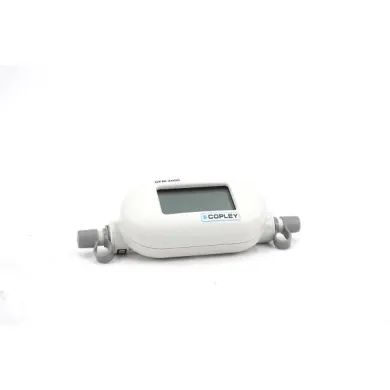
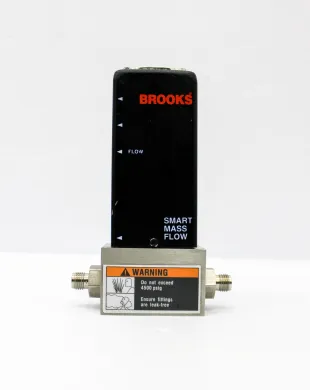
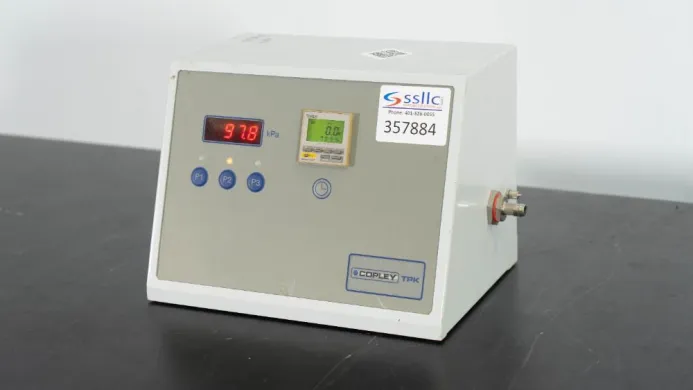
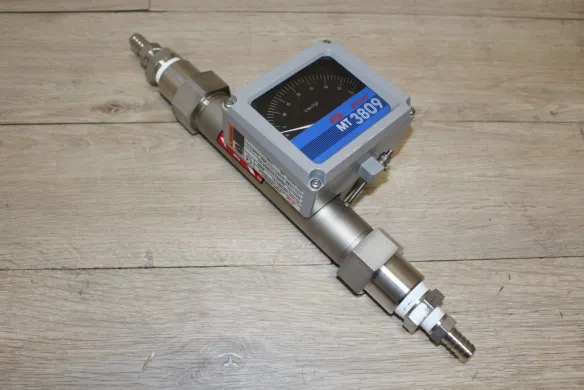
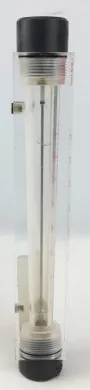
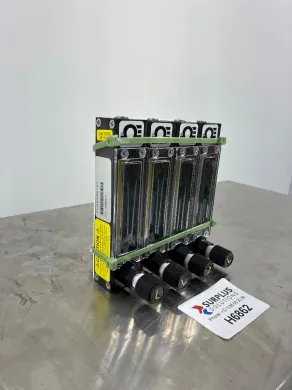
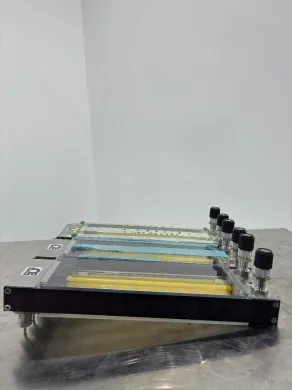
Brooks MT3809 Variable Area Flowmeter
- Category
- Flowmeters
- Brand
- Brooks instrument
- Suppliers
- 1 verified


Not the exact instrument you need?
Tell our scientists what you are after. We track it down, including off-market supply.
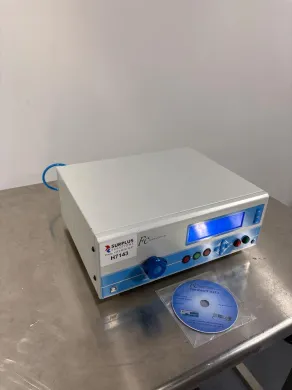
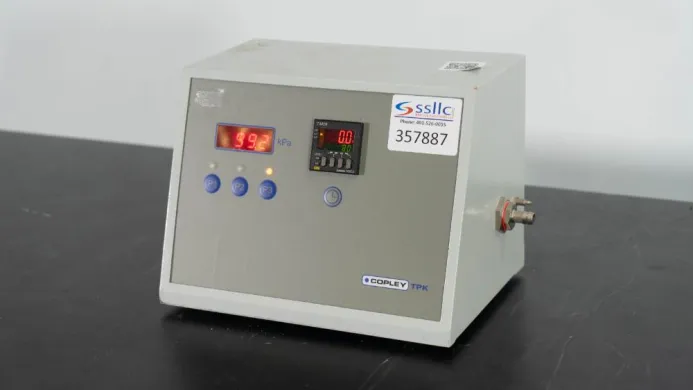
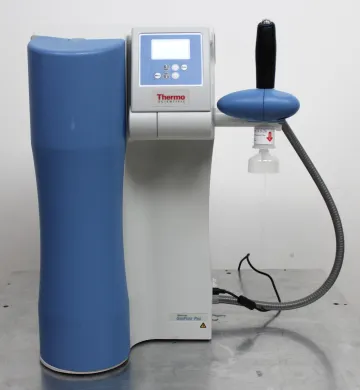
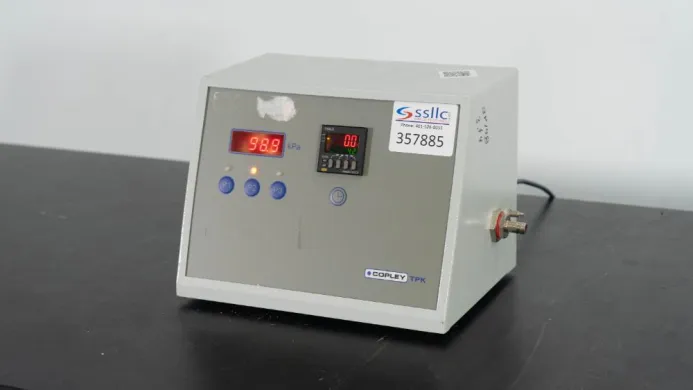

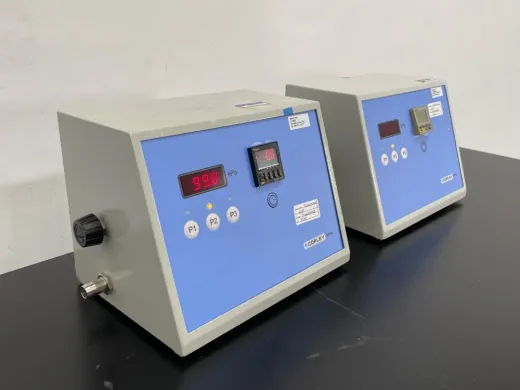
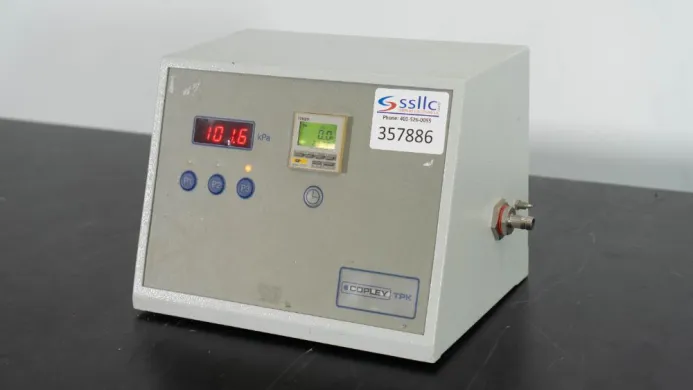
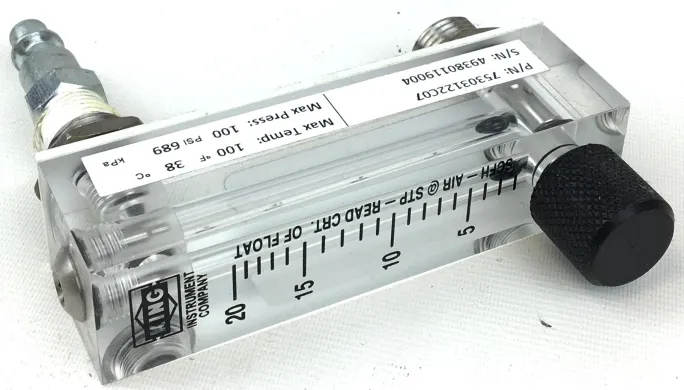
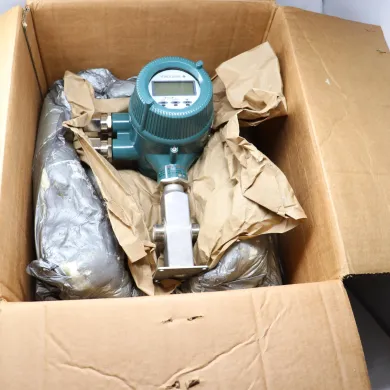
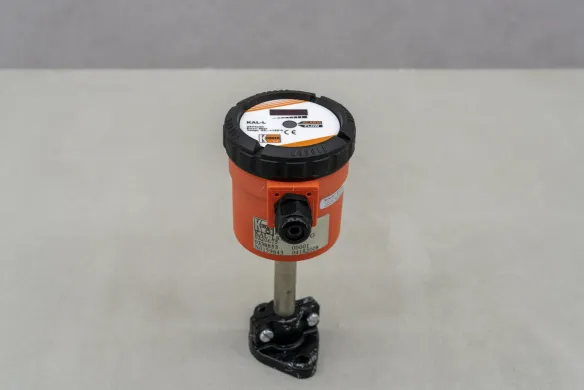
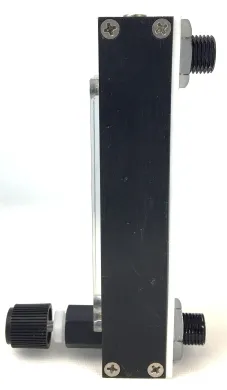
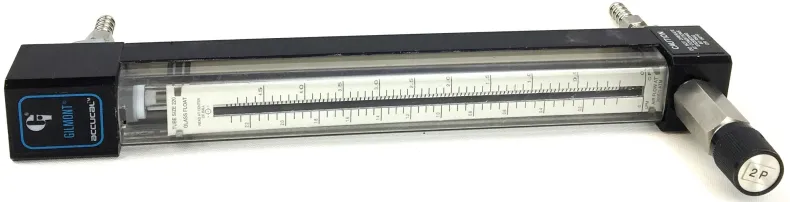
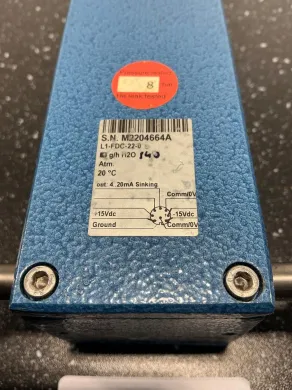
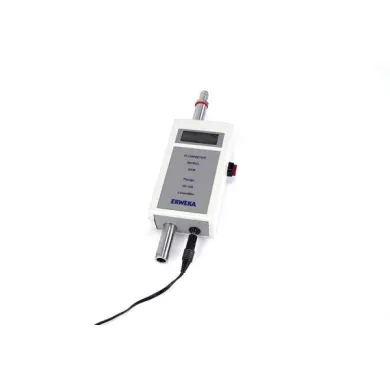
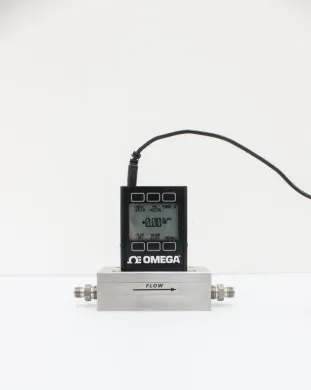
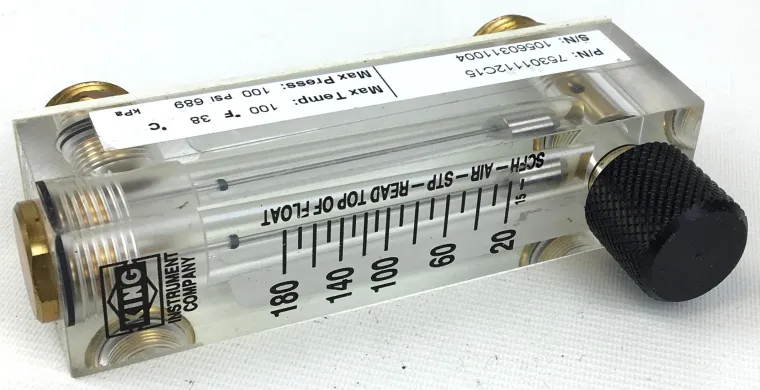
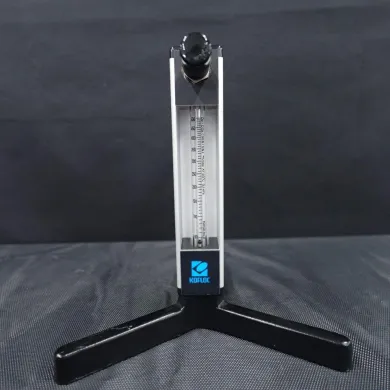
Not the exact instrument you need?
Tell our scientists what you are after. We track it down, including off-market supply.
Showing 1–40 of 77 listings
Show 37 more listingsBuying guide
What the measured medium settles before anything else
The first thing a buyer has to pin down is what the flowmeter has to read and under what conditions, because that decision eliminates most of the catalogue before any brand or price enters the picture. A variable area flowmeter, the clear rotameter with a float rising in a tapered tube, reads a clean gas or liquid at a glance and needs no power, but its accuracy depends on the fluid being what the scale was calibrated for. A thermal or Coriolis mass meter reads mass directly and holds its reading as temperature and pressure shift, which matters when the gas density is not fixed. Line size, pressure rating and the fluid's cleanliness decide which technology even applies, so a buyer starts from the medium and the operating range rather than from a model number.
Condition carries more weight on a flowmeter than on most laboratory instruments, because the reading is only as good as the last calibration. A used variable area meter is largely mechanical and ages gracefully, but an electronic mass flow controller drifts, and a unit sold without a recent calibration certificate has to be recalibrated against a known reference before it can be trusted for anything quantitative. What to verify on a used listing is the wetted-material compatibility with the intended fluid, the state of any seals, and whether the sensor has been exercised recently. Air samplers and microbial air samplers add their own check, the flow rate the head was set to draw, since a sampler that no longer pulls its rated volume misreports concentration. Where a listing leaves calibration history unstated, a buyer should treat the figure on the dial as nominal until verified.
Price sits across a broad band here. Units cost anywhere from EUR 37 to EUR 9.684, with the average landing near EUR 998. A bench rotameter or a single-channel gas flowmeter fits a modest budget and occupies the lower end, while a multi-point industrial flow meter or a process installation from a maker such as Endress+Hauser carries the upper figures. Used and refurbished units are listed for sale below the price of new equipment, which is where most of the catalogue sits. Comparing two listings is easiest within a single maker's range, where the model numbering tells a buyer what separates one unit from the next; across makers, the deciding figures are the flow range, the accuracy class and the wetted materials rather than the badge.
Types of Flowmeters
Which flowmeter types are listed here?
Among the listings that specify a type, the catalogue divides into a handful of recognisable groups. Variable area flowmeters, the tapered-tube rotameters, are the simplest, reading flow by the height of a float and needing no power or calibration electronics; a technician reaching for a quick visual check of a clean line uses one. Gas flowmeters and industrial flow meters cover the metered side, from thermal mass units to inline process meters sized for a production line, chosen where a recorded, repeatable figure matters more than a glance. The air sampler and microbial air sampler groups are a distinct family that happen to measure flow as a means to an end: they draw a known volume of air so that what is captured, whether particulate or viable microorganisms, can be quantified. Environmental monitoring equipment rounds out the sample, used where airborne contamination or emissions have to be tracked over time.
The microbial air sampler ties this category directly to microbiology and life sciences work. These samplers impact a measured volume of air onto an agar plate so that colony counts translate back into a concentration, which is the standard method for environmental monitoring in cleanroom microbiology and sterile manufacturing. In that setting a flowmeter underpins contamination control for cell culture and biomanufacturing, where the air feeding a laminar flow hood or an isolator has to meet a defined cleanliness class before any protein purification or aseptic handling begins. Gas flowmeters also feed the carrier and sheath streams in instruments further down the bench, metering the gas supply to a flow cytometer or the mobile phase pressure in bioprocessing rigs. The flow figure is rarely the end product; it is the quantity that makes a microbiology air count or a genomics sample-prep step reproducible.
The brands behind the flowmeter listings
The listed makers run Various, Endress+Hauser, GF Signet, King Instrument, Copley. The "Various" share reflects the long tail of single-listing and unbranded units common in the used market, while Endress+Hauser anchors the industrial process end, GF Signet the water and utility lines, and King Instrument and Copley the rotameter and air-sampling side. For a buyer, a maker's presence in the catalogue signals two practical things: how easy parts are to source, since established lines like Endress+Hauser keep spares in circulation, and how readily one model compares against another within the same range. Parts can be sourced via Questpair where a used unit needs a seal or a float replaced.
What a used flowmeter costs here
New, used and refurbished units are all listed, and 92 percent of the listings are used. Prices run from EUR 37 to EUR 9.684, averaging around EUR 998. That spread covers the gap between a bare rotameter and a fully calibrated process meter, so the figure a given listing carries depends far more on its type and completeness than on its age. Used and refurbished flowmeters are listed below the price of new equipment, which keeps the bulk of the catalogue affordable for a buyer matching a specification rather than chasing a brand-new unit.
Frequently asked questions
What is a flowmeter?
A flowmeter is an instrument that measures how fast a gas or liquid moves through a line, reporting the result as a volume or mass per unit of time. The reading lets a process be controlled, recorded or verified against a specification.
What does flowmeter mean?
The term combines flow, the movement of a fluid through a pipe or tube, with meter, a measuring device. A flowmeter quantifies that movement rather than simply indicating that fluid is present.
How do flowmeters work?
The method depends on the type: a variable area meter lets a float rise in a tapered tube until the fluid force balances its weight, and the float height reads flow directly. Thermal and Coriolis mass meters instead sense how the fluid affects heat transfer or tube oscillation, converting that into a mass flow figure.
What types of flowmeters are there?
The catalogue covers variable area flowmeters (rotameters), gas flowmeters, industrial flow meters, air samplers, microbial air samplers and environmental monitoring equipment. Rotameters are mechanical and read at a glance, while the metered types produce a recorded, repeatable figure.
What are flowmeters used for?
They control and verify fluid delivery in process lines, meter carrier and sheath gases on bench instruments, and draw a known air volume in sampling applications. In cleanroom microbiology a microbial air sampler uses a measured flow so colony counts translate into an airborne concentration.
How do I choose a flowmeter?
Start from the medium and the operating range: what fluid it reads, the line size, the pressure rating and the cleanliness of the fluid decide which technology applies. Only after that do flow range, accuracy class and wetted materials narrow the choice between individual units.
What is the difference between a refurbished and a used flowmeter?
A used unit is sold in its existing condition, while a refurbished unit has been checked and brought back toward working order before listing. For either, confirm the calibration history, since the dial reading is only as reliable as the last verification against a known reference.
How much does a flowmeter cost?
Listings range from EUR 37 to EUR 9.684, averaging around EUR 998. A bench rotameter or single-channel gas flowmeter sits at the lower end, while a multi-point industrial meter or a calibrated process unit carries the higher figures.
Which brands of flowmeter are available?
The listed makers include Endress+Hauser, GF Signet, King Instrument and Copley, alongside a Various share covering single-listing and unbranded units. Endress+Hauser appears at the industrial process end, GF Signet in water and utility lines, and King Instrument and Copley on the rotameter and air-sampling side.
Is there a warranty on a refurbished flowmeter?
A warranty is often possible and is arranged in consultation for the specific listing. Check the individual listing to see what applies to that unit.
Can I get parts for a flowmeter?
Parts such as a seal or a float for a used unit can be sourced via Questpair. Established lines tend to keep spares in wider circulation, which eases sourcing for those models.
How long does a flowmeter last?
A mechanical variable area meter ages gracefully and can serve for many years with intact seals and the correct fluid. Electronic mass flow units drift over time, so their working life depends on periodic recalibration rather than on the hardware alone.
Should I buy a new or a used flowmeter?
Used and refurbished flowmeters are listed at lower prices than new equipment, which is where the bulk of the catalogue sits. If you are matching a specification rather than needing an untouched unit, a used meter with verified calibration can meet the same requirement; weigh warranty per listing, as it is arranged in consultation.
Where can I buy a flowmeter?
Flowmeters are listed on Questpair from 12 verified suppliers and distributors across 8 countries. The 122 listings span new, used and refurbished condition.
What is the lead time and shipping on a flowmeter?
Lead time and shipping depend on the individual listing and the supplier holding the unit. The listing details and the supplier are the place to confirm dispatch and delivery for a specific item.
How are flowmeters calibrated and maintained?
A quantitative reading should be checked against a known reference, and a unit sold without a recent calibration certificate needs recalibration before it can be trusted. Maintenance centres on wetted-material compatibility, seal condition, and for samplers, confirming the head still draws its rated volume. Questpair does not perform servicing.
Which flowmeter types are listed most, and who reaches for each?
Variable area flowmeters, gas flowmeters and industrial flow meters form the metering side, with a technician choosing a rotameter for a quick visual check and a process line choosing a mass meter for a recorded figure. Air samplers and microbial air samplers are a separate family used in microbiology and cleanroom work, where the flow underpins a colony count or contamination measurement.
Which brands dominate this category, and what does that mean for a buyer?
Endress+Hauser anchors the industrial process end and GF Signet the water and utility side, while King Instrument and Copley cover rotameters and air sampling. A maker's presence signals how readily parts can be sourced and how easily one model compares against another within the same range, since model numbering is clearest within a single maker's line.
What separates the cheapest flowmeters here from the most expensive?
The lower end holds bare rotameters and single-channel gas flowmeters that need no power or calibration electronics. The upper end holds multi-point industrial meters and calibrated process units, where completeness, accuracy class and a recent calibration certificate account for the difference far more than age does.