

Cryogenics
We personally find you the right used, refurbished and new cryogenics instruments & equipment from verified suppliers.
Cryogenics is the branch of laboratory equipment concerned with the production, storage and handling of materials at very low temperatures, typically below minus 150 degrees Celsius, using liquid nitrogen or mechanical refrigeration. The Questpair catalogue holds 1072 cryogenics listings from 17 verified suppliers and distributors across 9 countries, covering new, used and refurbished laboratory equipment. Of those listings, 87 percent are used, the remainder new. Prices run from EUR 6 to EUR 60.934. The equipment spans a range from small benchtop freezers to large liquid-nitrogen vessels built for long-term biological sample storage.
Updated:
Cryogenics product list
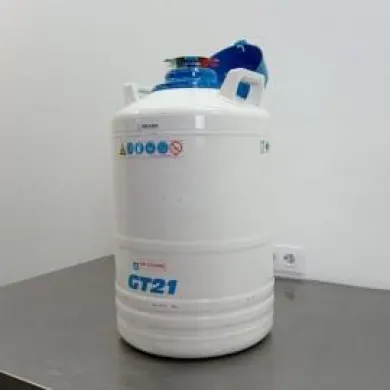
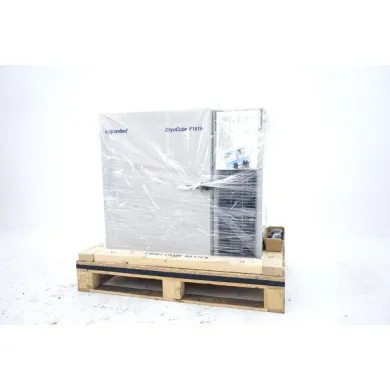
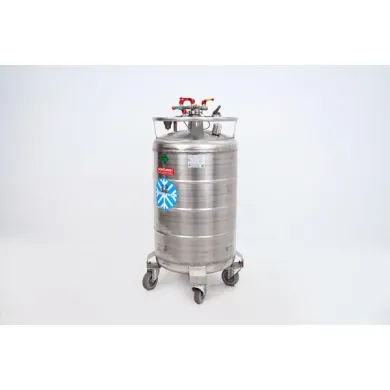
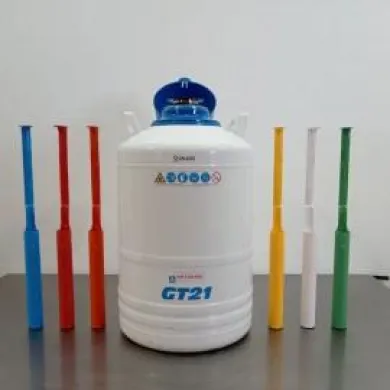


Not the exact instrument you need?
Tell our scientists what you are after. We track it down, including off-market supply.
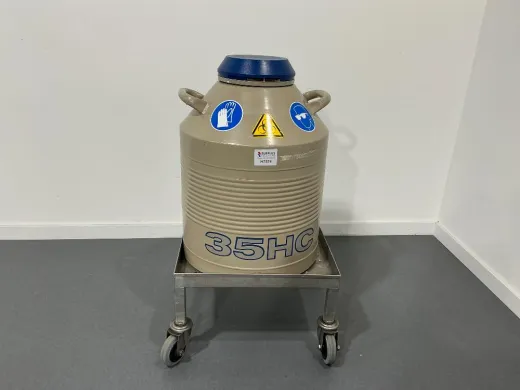
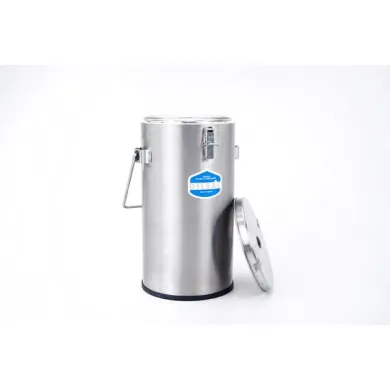
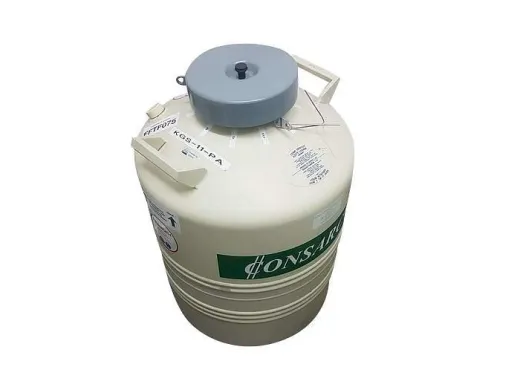
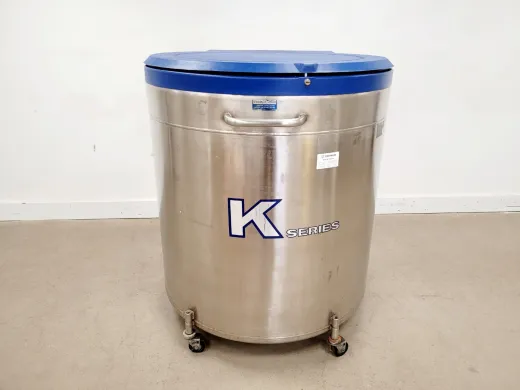
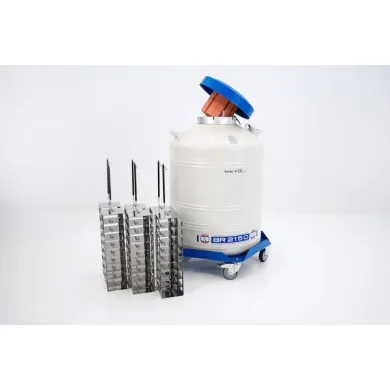
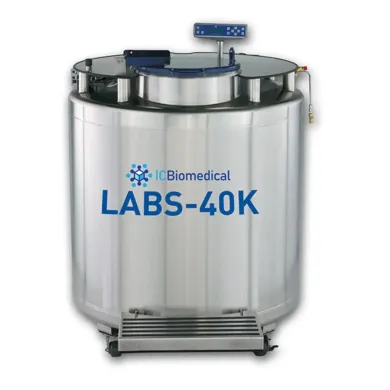
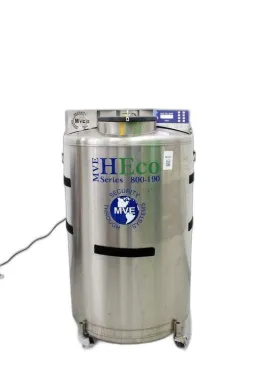
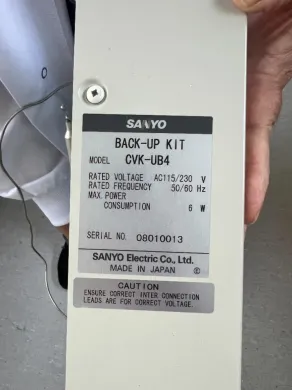
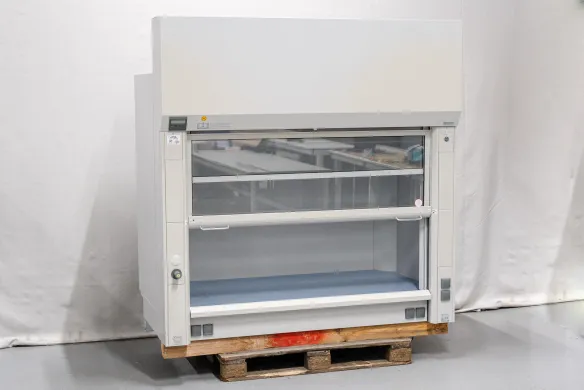
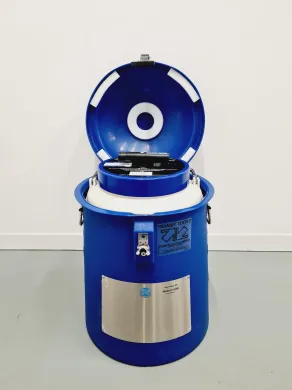
Not the exact instrument you need?
Tell our scientists what you are after. We track it down, including off-market supply.
Showing 1–40 of 574 listings
Show 40 more listingsBuying guide
The temperature a sample has to reach, and hold, settles most cryogenics purchases before any other question. A minus 20 unit, a minus 80 ultra-low freezer and a liquid-nitrogen vessel at minus 196 are not interchangeable, and the gap between them is not a matter of degree but of what survives storage. Cell lines and certain enzymes degrade above the glass-transition point of water, which only liquid nitrogen reaches reliably, while many reagents sit perfectly well at minus 80. Fix the target temperature first, then the capacity in litres or sample positions, and let everything else follow from those two numbers.
Condition then becomes the thing to verify, because 87 percent of the listings are used and a low-temperature unit hides its wear. On a mechanical ultra-low freezer, compressor hours and the state of the door gaskets decide whether it will hold temperature under a full load; a unit that pulls down empty may struggle once racks of samples draw heat every time the door opens. On a liquid-nitrogen dewar or storage vessel, the vacuum in the jacket is what matters, and a vessel that has lost vacuum shows it as a rising evaporation rate, measured in litres of nitrogen lost per day. Ask for the static hold time and the evaporation figure before buying a used vessel, and check the neck and lid for frost damage.
Price spans the full range because the catalogue mixes a six-euro accessory with a complete walk-in system. What a unit costs tracks its temperature class and capacity more than its age: a small dewar sits near the bottom, a large automated ultra-low freezer near the top. Listed prices run from EUR 6 to EUR 60.934, with an average around EUR 3.703. A refurbished freezer that fits a modest budget is common here, and used units are listed for sale below the price of new equipment of the same class. Brands cluster at the upper end around the dominant makers, which keeps parts and racks easy to find, while the smaller accessories cover the lower band.
Types of Cryogenics
Which cryogenics types are listed?
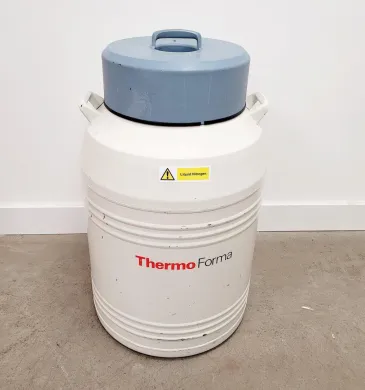
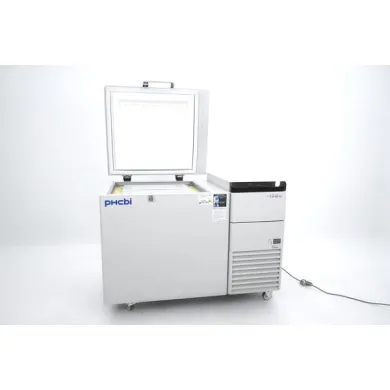
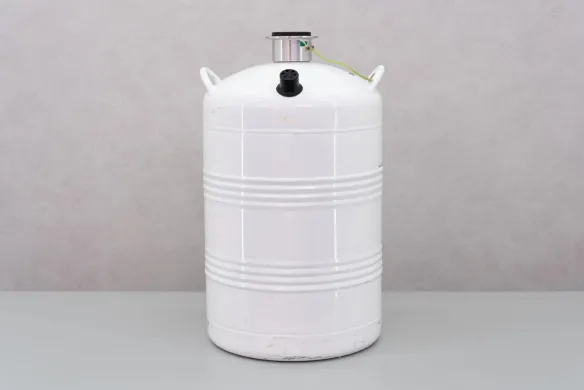
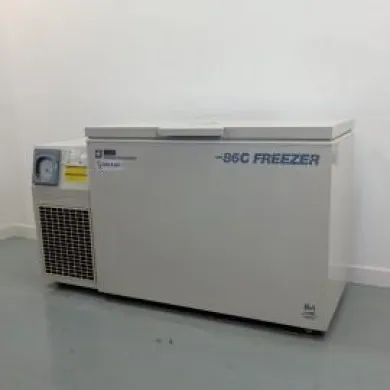
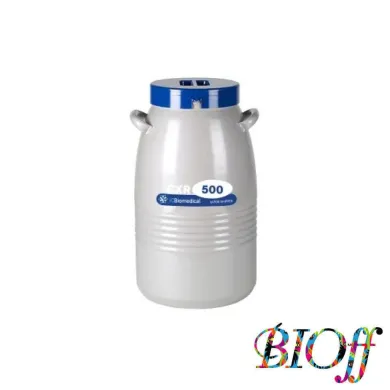
Among the listings that specify a type, the catalogue falls into two families separated by how they reach low temperature. Mechanical equipment, the laboratory freezer and the ultra-low temperature freezer, uses a compressor and refrigerant to hold minus 20 to minus 86, and runs on mains power with no consumable to replenish. Liquid-nitrogen equipment, the liquid nitrogen dewar, the cryogenic storage vessel and the broader cryogenic storage system, reaches minus 196 by immersing or vapour-cooling samples over a reservoir of nitrogen that has to be topped up. A cryogenic freezer sits between the two labels and is worth reading closely, since some are mechanical cascade units and others are nitrogen-cooled.
The choice between them is set by the biology. Liquid-nitrogen storage is the standard for a cell culture biobank, for stem cell and primary cell lines, and for the long-term archiving that underpins molecular biology, immunology and reproductive medicine, because only that temperature stops biochemical change outright. Ultra-low freezers at minus 80 serve the day-to-day of genomics and proteomics, holding DNA and RNA extracts, protein samples and reagent stocks, and they are also used for enzyme and antibody storage where a nitrogen vessel would be excessive. A cryogenic storage vessel is where a sample repository keeps its most valued material, often under vapour phase to avoid cross-contamination between vials. These classes together form the cold chain that cell-based research, biomanufacturing and clinical diagnostics depend on, and the matching long-tail, liquid nitrogen storage for cell lines, minus 80 freezer for sample archiving, runs straight from the equipment to the work it does.
The brands behind the cryogenics listings
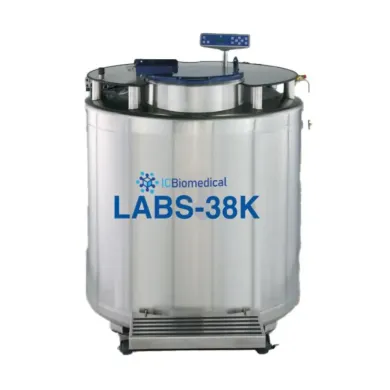
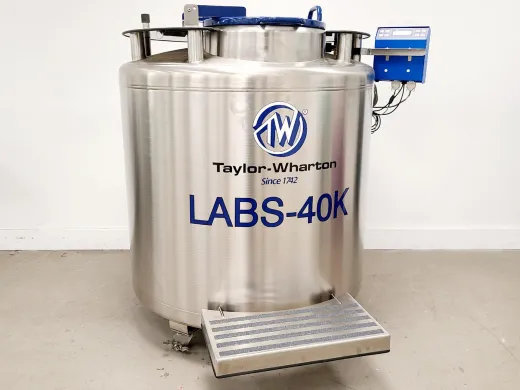
The listings concentrate around Thermo Scientific, Thermo Fisher Scientific, Taylor Wharton by IC Biomedical, Taylor-Wharton, MVE. Thermo Scientific and Thermo Fisher Scientific dominate the mechanical side, the minus 80 freezers, which means a used unit is usually easy to compare against another of the same series and that shelving, racks and door seals stay available. Taylor-Wharton, listed here both in its own name and as Taylor Wharton by IC Biomedical, together with MVE, covers the liquid-nitrogen vessels and dewars, where a known brand matters for sourcing the correct canisters and for a vacuum jacket with a documented service history. For a buyer, that clustering is practical rather than cosmetic: it keeps spare parts and consumables findable through the catalogue and it makes two listings genuinely comparable instead of guesswork.
What a used cryogenic unit costs here
New and used units sit side by side, with 930 used against 141 new, so 87 percent of the catalogue is pre-owned. Prices run from EUR 6 to EUR 60.934. That spread covers everything from a single replacement canister or a small dewar at the bottom to a large automated ultra-low freezer or a complete nitrogen storage system at the top, which is why the band is so wide rather than reflecting any one class of unit.
Frequently asked questions
What is cryogenics?
Cryogenics is the production, storage and handling of materials at very low temperatures, typically below minus 150 degrees Celsius. In a laboratory setting it refers to the equipment used to reach and hold those temperatures, either with liquid nitrogen or with mechanical refrigeration.
What does cryogenic actually mean?
The term describes temperatures far below normal refrigeration, usually below minus 150 degrees Celsius, where biochemical change in biological samples effectively stops. Equipment labelled cryogenic is built to reach that range, with liquid-nitrogen vessels going down to minus 196.
How do cryogenic storage units work?
Mechanical units such as laboratory and ultra-low temperature freezers use a compressor and refrigerant to hold temperatures between minus 20 and minus 86, running on mains power. Liquid-nitrogen equipment such as dewars and storage vessels reaches minus 196 by immersing or vapour-cooling samples over a reservoir of nitrogen that has to be refilled.
What types of cryogenics are there?
The catalogue splits into mechanical equipment and liquid-nitrogen equipment. Mechanical covers the laboratory freezer and the ultra-low temperature freezer; liquid-nitrogen covers the liquid nitrogen dewar, the cryogenic storage vessel and the broader cryogenic storage system. A cryogenic freezer can be either, so its specification is worth reading closely.
What is cryogenic equipment used for?
Liquid-nitrogen storage holds cell culture biobanks, stem cell and primary cell lines, and long-term archives for molecular biology, immunology and reproductive medicine. Ultra-low freezers at minus 80 hold DNA and RNA extracts, protein samples, reagent stocks, enzymes and antibodies for genomics and proteomics.
How do I choose between a minus 80 freezer and a liquid-nitrogen vessel?
Fix the target temperature first. Cell lines and certain enzymes degrade above the glass-transition point of water and need liquid nitrogen at minus 196, while many reagents are stable at minus 80, so the sample decides the class before capacity or brand enters the question.
What is the difference between refurbished and used cryogenic equipment?
Used describes a unit sold in its working condition as it came from service, while refurbished has had components checked or replaced before listing. For either, the figures that matter are compressor hours and gasket condition on a mechanical freezer, and jacket vacuum and evaporation rate on a nitrogen vessel.
How much does a cryogenic unit cost?
Listed prices range from EUR 6 to EUR 60.934, with an average around EUR 3.703. The low end is a single replacement canister or a small dewar; the high end is a large automated ultra-low freezer or a complete nitrogen storage system.
Which brands show up most in this category?
The listings concentrate around Thermo Scientific, Thermo Fisher Scientific, Taylor Wharton by IC Biomedical, Taylor-Wharton and MVE. Thermo covers the mechanical minus 80 side, while Taylor-Wharton and MVE cover the liquid-nitrogen vessels and dewars.
Can I get a warranty on a refurbished cryogenic unit?
A warranty is often possible and is arranged in consultation for the specific listing. Check the individual listing, since terms vary between suppliers rather than being set centrally.
Can I still get parts and consumables for these units?
Parts can be sourced via Questpair. The clustering around a handful of brands helps here, since shelving, racks, door seals and nitrogen canisters for the dominant series stay findable.
How long does a cryogenic unit last?
Lifespan depends on the class and its condition at purchase. On a mechanical freezer, compressor hours and door gaskets govern how long it holds temperature under load; on a nitrogen vessel, the jacket vacuum determines service life, and a rising evaporation rate signals it is failing.
Is a new or a used cryogenic unit the better buy?
Used and refurbished units are listed at lower prices than new equipment of the same class, which is the clearest difference between them. Where warranty matters, that is arranged in consultation on the specific listing, so compare the listing terms alongside the price.
Where can I buy cryogenic equipment?
The Questpair catalogue holds 1072 cryogenics listings from 17 verified suppliers and distributors across 9 countries. It covers new, used and refurbished equipment, with 87 percent of listings pre-owned.
What are the lead time and shipping like?
Lead time and shipping depend on the individual supplier and the size of the unit, since a single canister ships very differently from a walk-in system. The timing is set per listing rather than centrally.
What maintenance and calibration do these units need?
Mechanical freezers rely on compressor condition and intact door gaskets to hold temperature under a full load, and nitrogen vessels need their reservoir topped up and their vacuum monitored through the evaporation rate. For a used nitrogen vessel, ask for the static hold time and the daily evaporation figure, and check the neck and lid for frost damage.
Which cryogenics types are listed most, and who reaches for which?
Among listings that specify a type, the catalogue falls into mechanical freezers and liquid-nitrogen vessels. Genomics and proteomics labs reach for minus 80 ultra-low freezers for DNA, RNA and protein storage, while cell biobanks and sample repositories reach for liquid nitrogen dewars and storage vessels at minus 196.
Which brands dominate the listings, and what does that mean for me?
Thermo Scientific and Thermo Fisher Scientific dominate the mechanical minus 80 side, so a used unit is easy to compare against another of the same series and its racks and seals stay available. Taylor-Wharton and MVE cover the nitrogen vessels, where a known brand matters for sourcing the correct canisters and verifying a vacuum jacket with a documented service history.
What separates the cheapest listings from the most expensive?
Price tracks temperature class and capacity more than age. The bottom of the band is a small dewar or a single accessory, while the top is a large automated ultra-low freezer or a complete nitrogen storage system, which is why the range from EUR 6 to EUR 60.934 is so wide.