

Temperature monitoring
We personally find you the right used, refurbished and new temperature monitoring instruments & equipment from verified suppliers.
Temperature monitoring equipment is the class of laboratory instruments that measures, records and holds samples or processes at a defined temperature, covering thermometers, controllers and the heated or circulated baths they regulate. The Questpair catalogue lists 441 such items from 18 verified suppliers and distributors across 8 countries. New, used and refurbished units are all listed, and 95 percent of the listings are used. Prices run from EUR 15 to EUR 193.700, a span that reflects how far apart a handheld digital thermometer and a large circulating water bath sit. This is a broad category where a laboratory buyer is often matching a single specification, bath volume, probe range or control stability, to a specific protocol.
Updated:
Temperature monitoring product list


Not the exact instrument you need?
Tell our scientists what you are after. We track it down, including off-market supply.
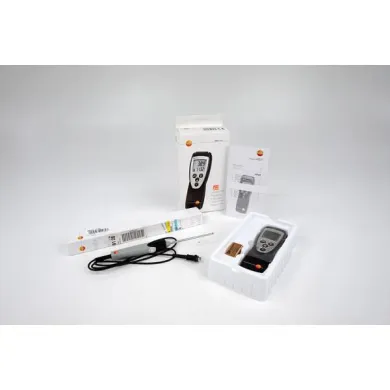
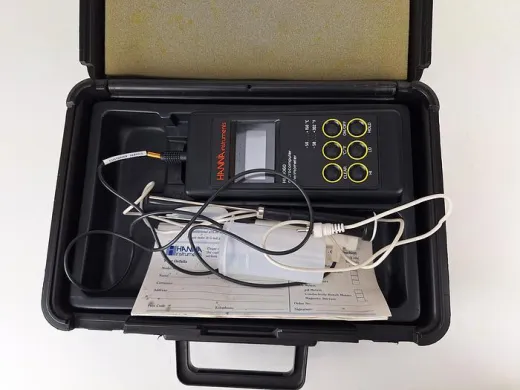
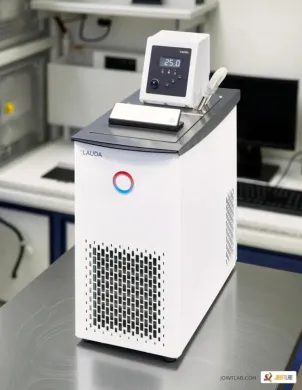
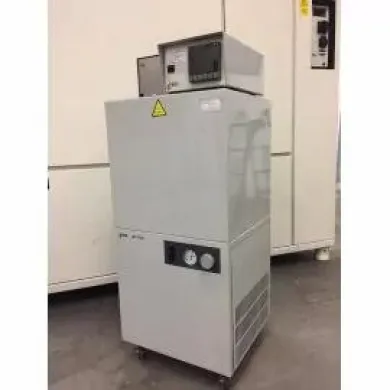
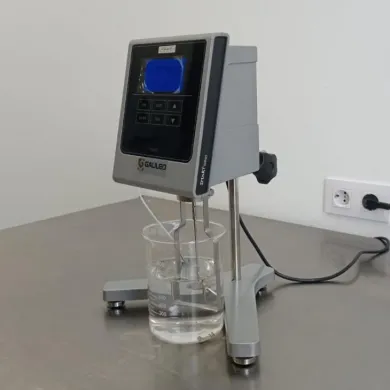
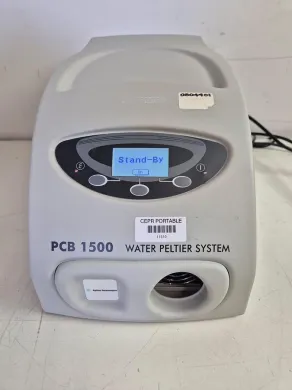
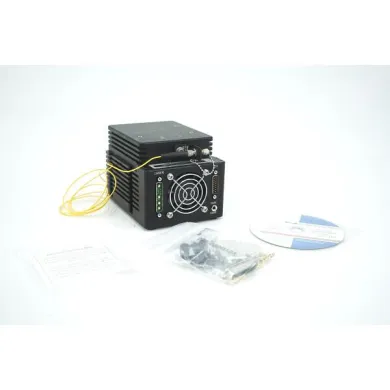
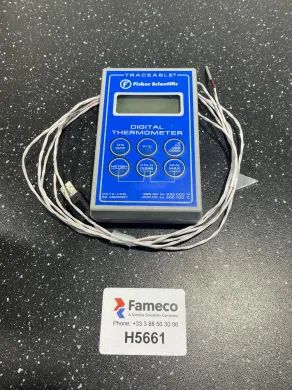
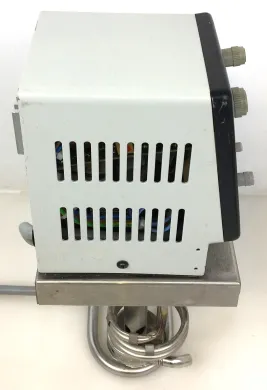
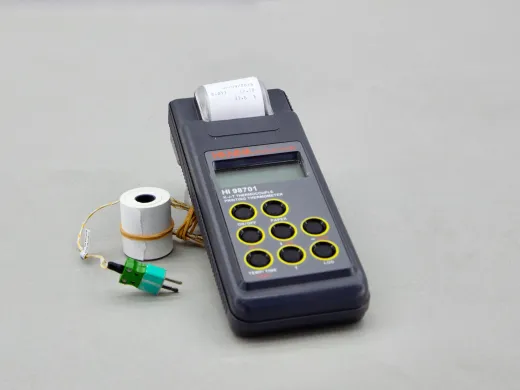
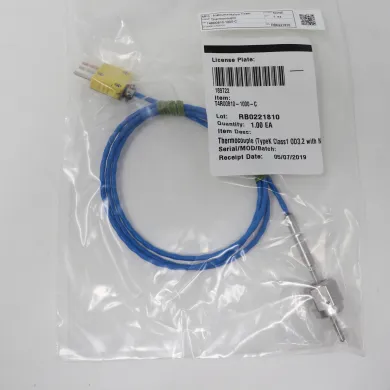
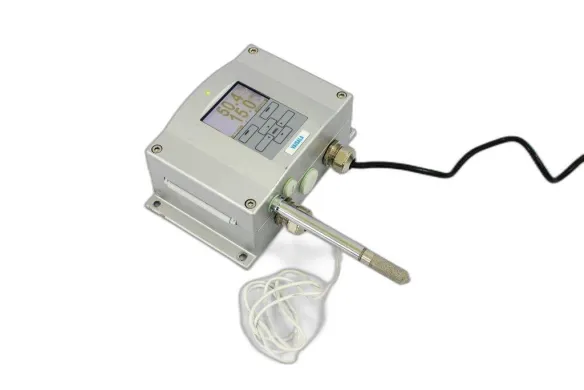
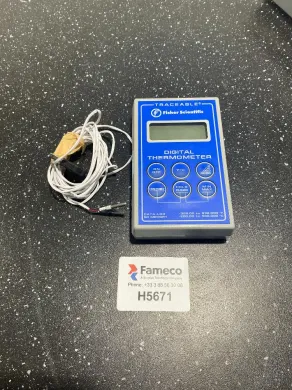
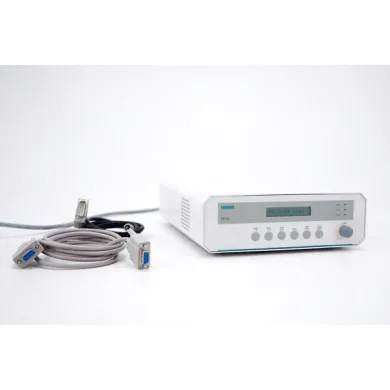
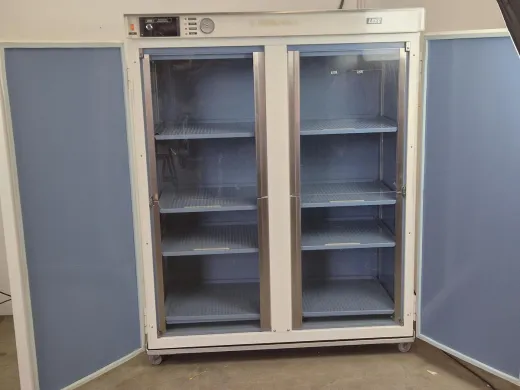
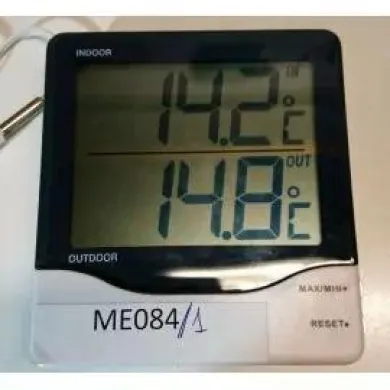
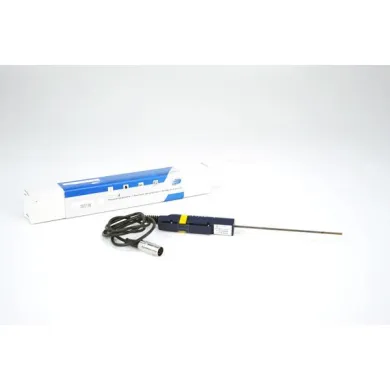
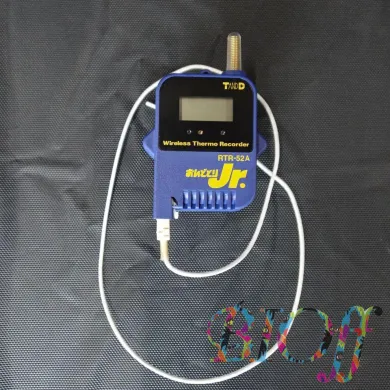
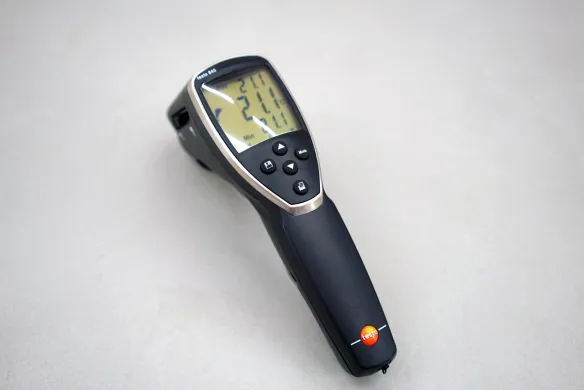
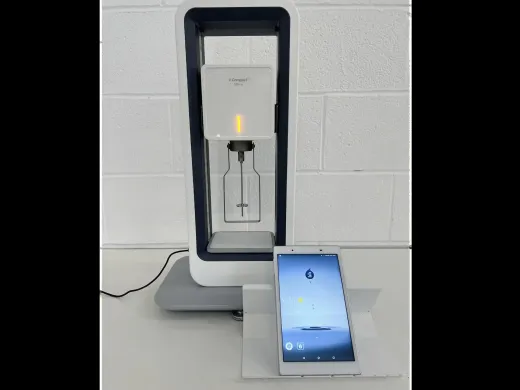
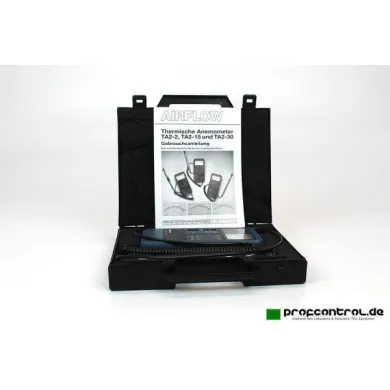
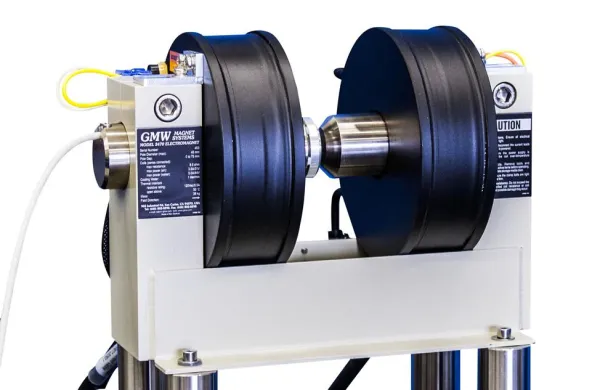
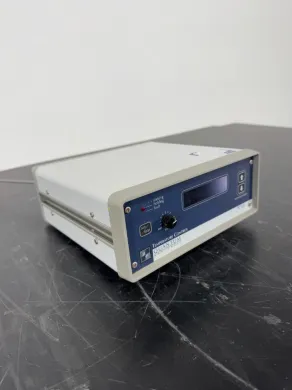
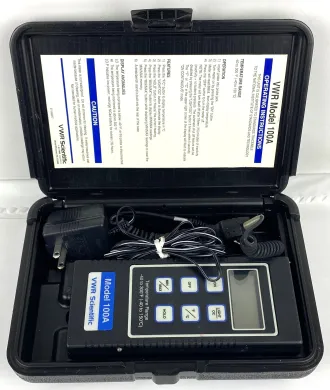
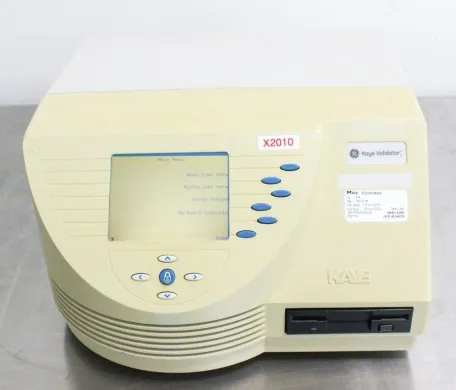
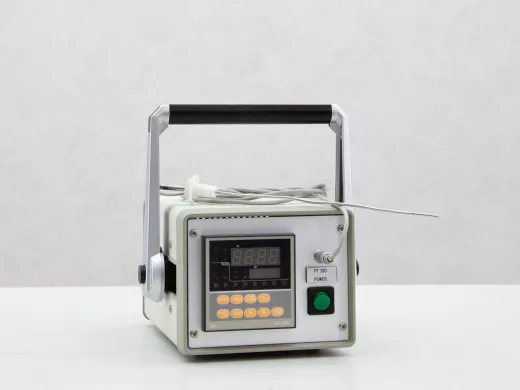
RKC REX-P90 Temperature Controller
- Category
- Process controls
- Brand
- Rkc instrument
- Suppliers
- 1 verified
Not the exact instrument you need?
Tell our scientists what you are after. We track it down, including off-market supply.
Showing 1–40 of 265 listings
Show 40 more listingsBuying guide
What decides the purchase?
The specification that settles a temperature monitoring purchase is the temperature range the work actually demands, paired with the stability the method tolerates. A controller or bath that holds 37 degrees for a cell culture incubation has a different job from one asked to track a reaction across 150 degrees, and the published range alone does not tell a buyer whether the unit holds that range to a tenth of a degree or to a whole one. Gravimetric and enzymatic assays care about stability; a defrost cycle or a warming step cares far less. Read the control specification, not only the maximum figure, and match it to the tightest tolerance any method on the bench will run.
For a bath, the second number that matters is capacity against the vessels it has to hold. A benchtop water bath sized for a handful of tubes cannot take a rack of flasks, and an oversized circulator wastes power and water keeping volume it never uses at temperature. Measure the largest load the bath will carry before reading a single price.
A used unit carries risks the datasheet does not show, so verification sits at the centre of any purchase here. A probe or thermometer can read a steady offset that only a calibration against a reference reveals, and that offset is invisible until a result drifts. Ask whether the unit has a recent calibration certificate, check that a water bath's heater and circulation pump both run and that the tank shows no scale or corrosion, and confirm a controller still drives its output rather than only displaying a reading. Where a listing offers no certificate, a buyer should budget for recalibration before the instrument touches real samples. This is where the catalogue's condition mix matters: with 95 percent of the listings used, most of what is on offer has a service history worth asking about.
Price spans the full width of the category. A handheld digital thermometer sits near EUR 15, while a large industrial circulating system reaches EUR 193.700, and the average of EUR 1.492 says more about the mix than about any one unit. What fits a budget depends almost entirely on which type above the work needs, so narrow the type first and read the band second. Used and refurbished units are listed below the price of new, and across this category that difference is the clearest reason a buyer finds a research-grade bath or controller affordable at second hand. The brands that fill the band are listed in the next section; where comparable models from two makers both appear, the condition and the calibration history usually separate them more than the badge does.
Types of Temperature monitoring
Which temperature monitoring types are listed?
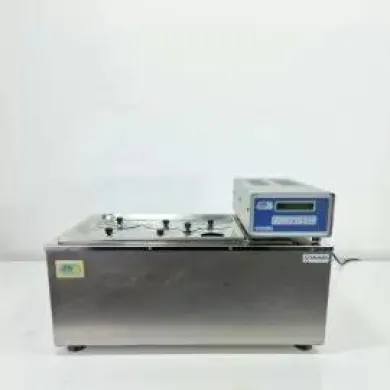
Among the listings that specify a type, the catalogue runs from simple readout instruments to full heated systems. A laboratory water bath and its benchtop and digital variants are heated, water-filled tanks that hold samples at a set temperature by immersion, used for warming reagents, thawing frozen stocks and running incubations where a stable, gentle heat matters more than speed. The benchtop form is sized to sit beside a workstation; the digital form adds a controller and a readout in place of a dial. A temperature controller is the regulating unit on its own, driving a heater or a circulator to a setpoint and holding it, and it appears both built into instruments and as a standalone module a buyer can pair with a tank or chamber. Digital and laboratory thermometers are the measurement end of the category: handheld or probe instruments that read a temperature without controlling it, used for spot checks, reference readings and verifying that another instrument holds what it claims.
These systems do real work in biotechnology and the life sciences, chiefly at the sample-handling end. A laboratory water bath warms media for cell culture and thaws aliquots of cells and reagents under conditions gentle enough not to shock them, and the same bath holds serological or enzymatic reactions at the fixed temperature a molecular biology protocol specifies. A precise temperature controller sits behind many a bioprocessing and biomanufacturing step, where a fermentation or a protein purification run has to stay inside a narrow window for hours, and digital thermometers verify the incubators and cold chains that genomics and immunoassay workflows depend on. Across these fields a laboratory water bath for cell culture and a temperature controller for bioprocessing are the two configurations a buyer most often comes to this category to find.
The brands behind the temperature monitoring listings
The makers that recur here are VWR, Fisher Scientific, Thermo Fisher Scientific, Fluke, Vaisala. For a buyer, a familiar name on a used unit usually means parts stay available and a second comparable listing exists to measure a price against, which is harder with a one-off from an unfamiliar maker. Fluke and Vaisala weight the thermometer and probe end; the general laboratory suppliers weight the baths and controllers. Where two of these brands offer a near-equivalent model, the practical difference for a buyer is less the badge than whether the unit arrives with a calibration history and how easily a replacement probe or heater can be sourced.
What a used temperature monitoring unit costs here
Condition and price track each other closely in this category. Of the listed units, 95 percent are used, and prices span from EUR 15 to EUR 193.700. That spread covers the whole range of the category at once, a bare handheld thermometer at one end and a large circulating system at the other, so the band tells a buyer less than the type does. Narrow to the type the work needs, then read the price against the condition: a used bath with a documented service history and a recent calibration is the common case here, and it is where the saving against a new unit is easiest to justify.
Frequently asked questions
What is temperature monitoring equipment?
It is the class of laboratory instruments that measures, records and holds samples or processes at a defined temperature. The category covers thermometers that read a temperature, controllers that regulate a heater or circulator to a setpoint, and the heated or circulated baths they drive.
What does temperature monitoring mean in a laboratory context?
It means tracking and often controlling the temperature a sample or process sits at, either to verify a reading or to hold a defined setpoint for the duration of a protocol. It spans the measurement end, a digital or laboratory thermometer, and the control end, a bath or controller that actively maintains a temperature.
How do these instruments work?
A thermometer or probe reads temperature and displays it without acting on it. A controller compares a measured temperature against a setpoint and drives a heater or circulator until the two match, and a water bath combines that control with a water-filled tank that transfers heat to immersed vessels.
What types of temperature monitoring equipment are there?
The listed types include the laboratory water bath and its benchtop and digital variants, the temperature controller as a standalone or built-in regulating unit, and digital and laboratory thermometers for reading temperature. Baths heat and hold samples by immersion, controllers regulate to a setpoint, and thermometers measure without controlling.
What is temperature monitoring equipment used for?
A water bath warms media and reagents, thaws frozen stocks and holds enzymatic or serological reactions at a fixed temperature. Controllers keep a fermentation or purification run inside a narrow window for hours, and thermometers handle spot checks, reference readings and verifying that incubators and cold chains hold what they claim.
How do I choose the right unit?
Start with the temperature range the work demands and the stability the method tolerates, since the published maximum does not tell you whether the unit holds that range to a tenth of a degree or a whole one. For a bath, add capacity against the largest load it must carry, and for any used unit check for a recent calibration certificate.
What is the difference between refurbished and used?
A used unit is sold in its current working condition, while a refurbished one has been checked and brought back toward working order before listing. Both appear in this category below the price of new, and in either case ask whether a recent calibration certificate and service history come with the listing.
How much does temperature monitoring equipment cost?
Across the catalogue prices range from EUR 15 to EUR 193.700, with an average of EUR 1.492. That span covers the whole category at once, a handheld digital thermometer near the bottom and a large circulating system at the top, so narrow to the type you need before reading the band.
Which brands make this equipment?
The makers that recur in the listings are VWR, Fisher Scientific, Thermo Fisher Scientific, Fluke and Vaisala. Fluke and Vaisala weight the thermometer and probe end, while the general laboratory suppliers weight the baths and controllers.
Is a warranty available on a refurbished unit?
A warranty is often possible and is arranged in consultation for the specific listing. Terms are not set centrally, so check what the individual listing states before purchase.
Can I get replacement parts like a probe or heater?
Parts can be sourced via Questpair. Availability is easier to confirm for a unit from a recurring maker, where a second comparable listing exists to measure against, than for a one-off from an unfamiliar brand.
How long does this equipment last?
A water bath, controller or thermometer can run for many years provided the heater and circulation pump stay functional and the tank is kept free of scale and corrosion. The practical limit on a used unit is usually whether a replacement probe or heater can still be sourced, which is more likely for a model from a recurring maker.
Should I buy new or refurbished?
Used and refurbished units are listed at lower prices than new, and across this category that difference is the clearest reason a research-grade bath or controller becomes affordable second hand. Where you weigh the two, read the individual listing and note that warranty is arranged in consultation rather than set centrally.
Where can I buy temperature monitoring equipment?
The Questpair catalogue lists 441 items from 18 verified suppliers and distributors across 8 countries. New, used and refurbished units all appear, with 95 percent of the listings used.
What are the lead time and shipping like?
Lead time and shipping depend on the individual listing, the supplier and the country it ships from, since suppliers are spread across 8 countries. Check the specific listing for its terms, and contact Questpair if the detail is not stated.
What calibration and maintenance does this equipment need?
A probe or thermometer can read a steady offset that only a calibration against a reference reveals, so a recent calibration certificate matters before an instrument touches real samples. For a bath, keep the tank free of scale and corrosion and confirm the heater and circulation pump both run, and where a listing offers no certificate budget for recalibration.
Which types are listed most, and who reaches for each?
A laboratory water bath for cell culture and a temperature controller for bioprocessing are the two configurations buyers most often come to this category to find. Cell biology and molecular biology work pulls toward the baths, bioprocessing toward the controllers, and genomics and immunoassay workflows toward digital thermometers for verifying incubators and cold chains.
Which brands dominate this category, and what does that mean for me?
Fluke and Vaisala recur on the thermometer and probe listings, while VWR, Fisher Scientific and Thermo Fisher Scientific recur on the baths and controllers. A recurring name on a used unit usually means parts stay available and a second comparable listing exists to check a price against, which is harder with a one-off from an unfamiliar maker.
What separates the cheapest listings from the most expensive?
The bottom of the band is a bare handheld thermometer that reads temperature and nothing more, while the top is a large circulating system that holds a precise setpoint across a wide range for hours. Within a single type, a documented service history and a recent calibration separate two comparable units more than the badge does.