

Baths / circulators
We personally find you the right used, refurbished and new baths / circulators instruments & equipment from verified suppliers.
Baths and circulators are temperature-controlled laboratory instruments that hold a liquid at a set point and, in the case of a circulator, pump it through an external loop to regulate a connected apparatus. A simple water bath heats and holds; a circulator adds flow, driving fluid to a reaction vessel, a jacketed cell or a condenser. Across the Questpair catalogue, 1285 units are listed as new, used and refurbished laboratory equipment from 17 verified suppliers and distributors. Of those, 89 percent are used and the remainder new. Prices run from EUR 38 to EUR 7.998. The spread covers small benchtop baths through to high-capacity recirculating chillers built for continuous duty.
Updated:
Baths / circulators product list


Not the exact instrument you need?
Tell our scientists what you are after. We track it down, including off-market supply.
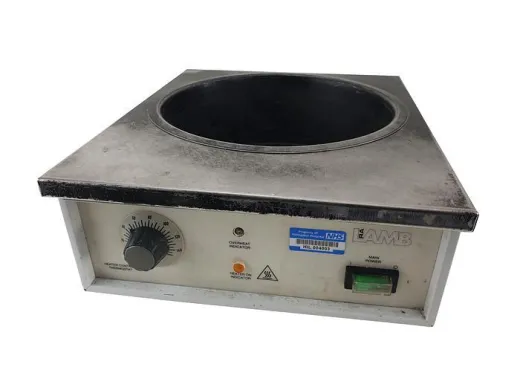
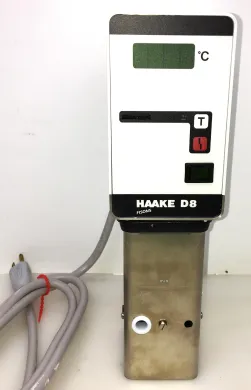
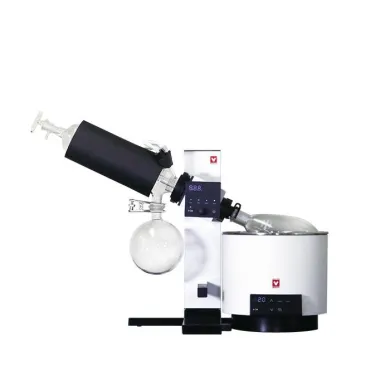
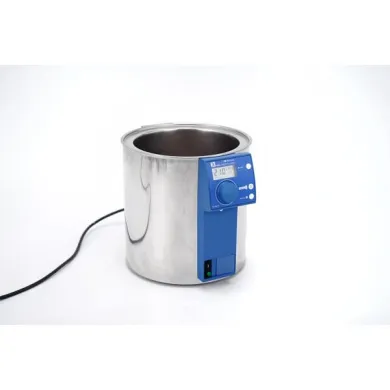
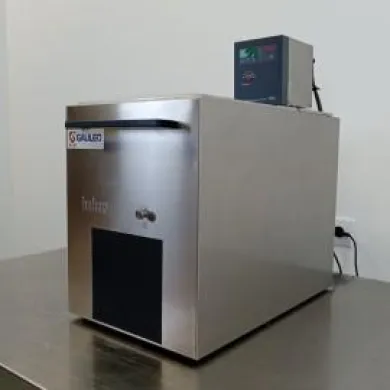
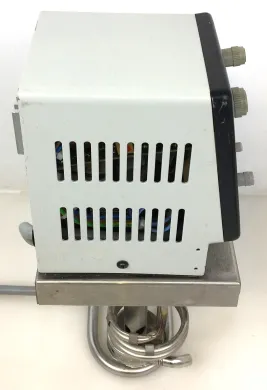
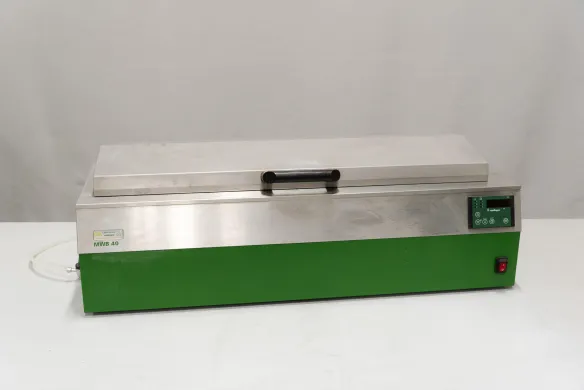
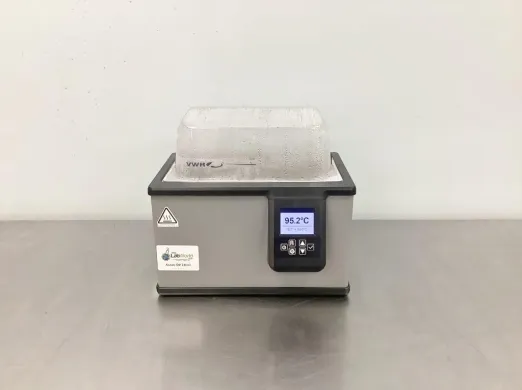
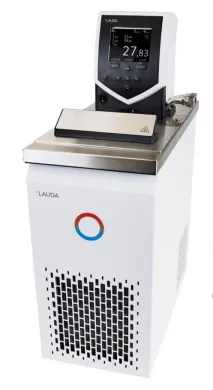
Not the exact instrument you need?
Tell our scientists what you are after. We track it down, including off-market supply.
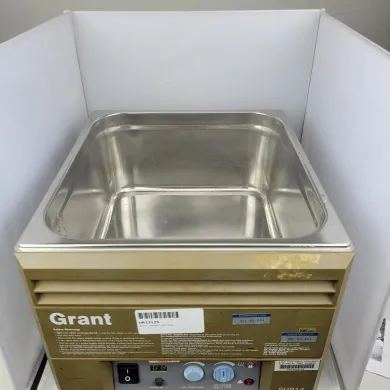
Showing 1–40 of 644 listings
Show 40 more listingsBuying guide
The temperature envelope decides most of these purchases before anything else does. A bath that holds ambient to 95 degrees suits a water-based protocol and nothing more; a circulator rated to minus 40 or above 200 asks for a different fluid, a sealed loop and, often, a very different price. So the first question is not brand or budget but the range and stability the work actually needs, stated in degrees and in tenths of a degree, because a histology float bath and a viscometer bath that must hold plus or minus 0.01 are not the same instrument at all. Settle that, and the pump follows from it: an open bath needs none, a bridge circulator clips onto an existing tank, and a recirculating unit carries its own reservoir and drives an external load. Match the pump's pressure and flow to whatever it has to feed, or the set point at the vessel drifts from the set point at the bath.
On a used unit the reservoir and the heater are where age shows. Water baths live hard, and limescale, a pitted stainless tank or a tired immersion heater all cost money the listing price does not show. Ask what fluid the circulator last ran, since an oil or glycol history changes the seals and the service a buyer inherits. Verify that the controller holds its set point, not just that it powers on, and check the pump turns freely on a recirculator. Used and refurbished units here are more affordable than new, which is why they make up most of the catalogue, but the saving only holds if the temperature control still works to specification.
Price tracks capacity and range closely. Prices run from EUR 38 to EUR 7.998, with an average around EUR 901. That spread separates a small heating bath from a wide-range recirculating chiller, and it is where brand matters for a budget. Thermo Scientific, Julabo, Fisher Scientific, VWR, Thermo Fisher Scientific occupy the field, so parts and comparable models are easy to find across conditions, and a buyer weighing cost against availability can usually find the same series offered both new and used for sale.
Types of Baths / circulators
Which bath and circulator types are listed?
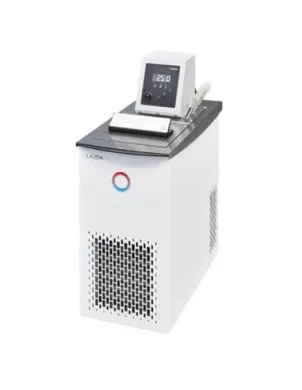
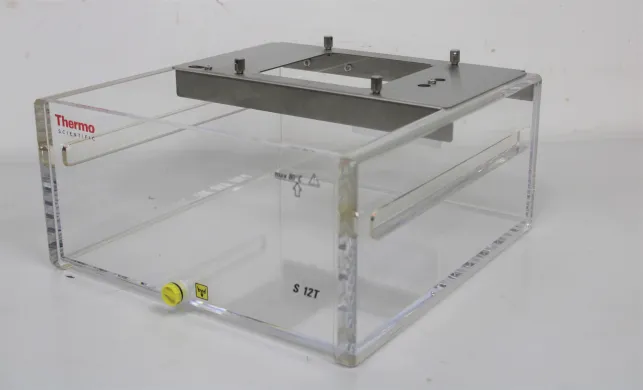
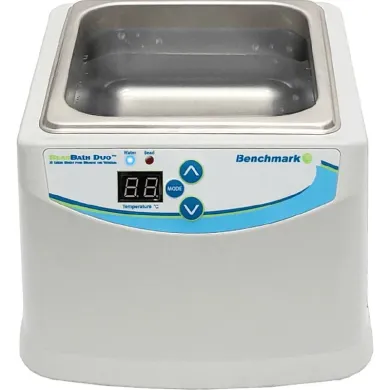
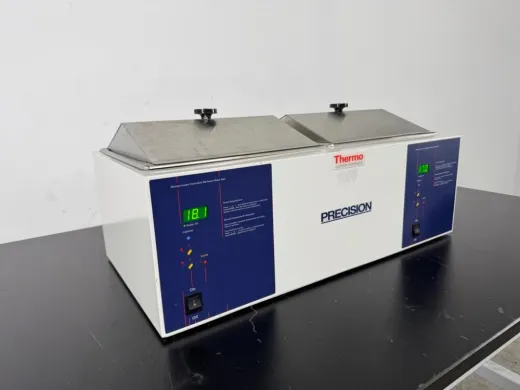
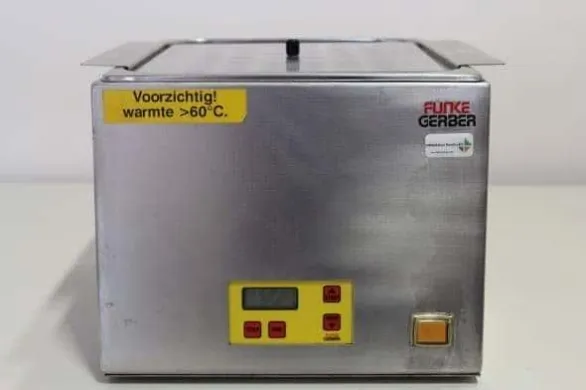
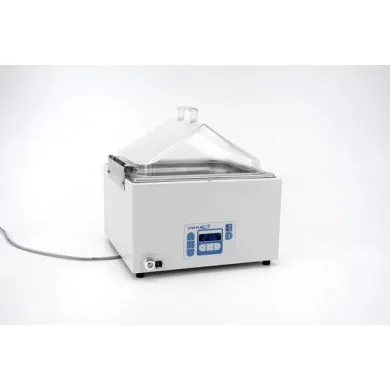
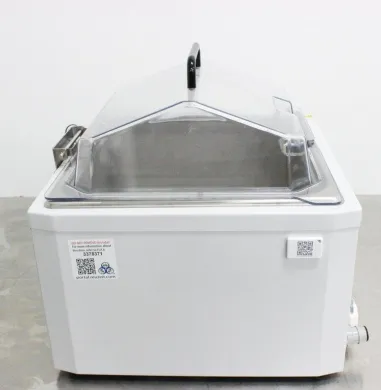
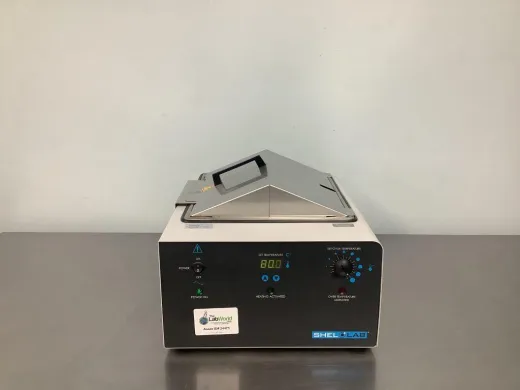
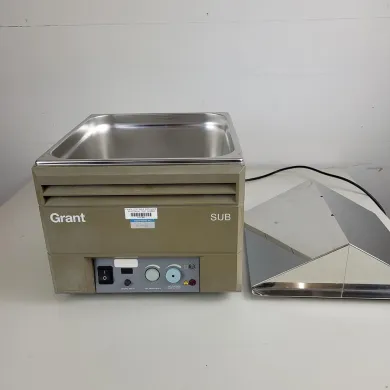
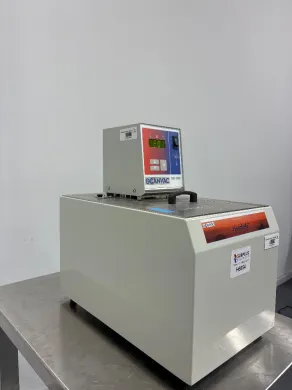
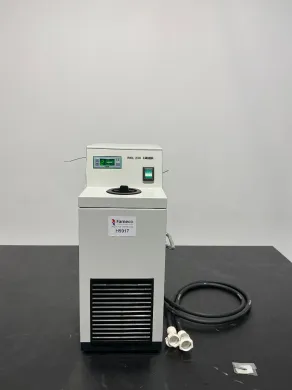
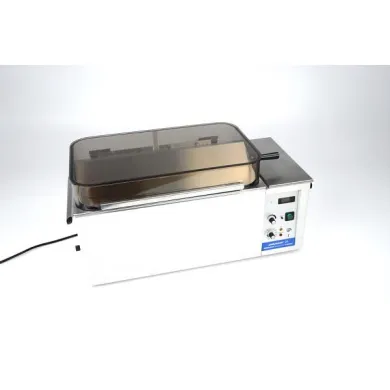
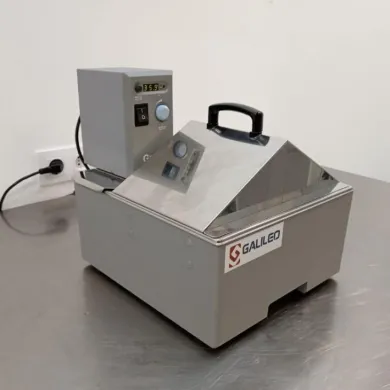
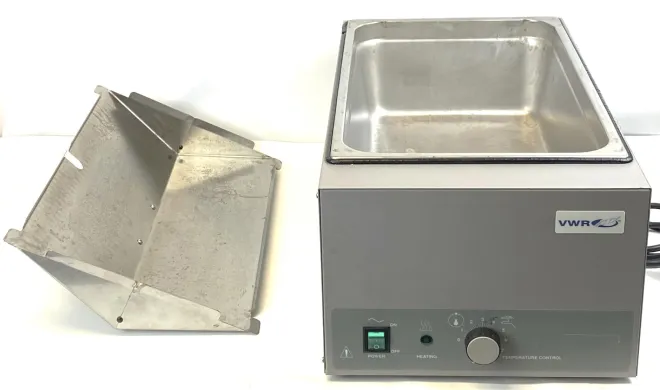
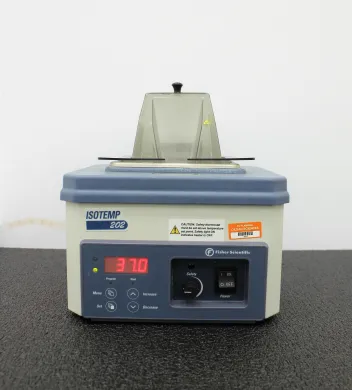
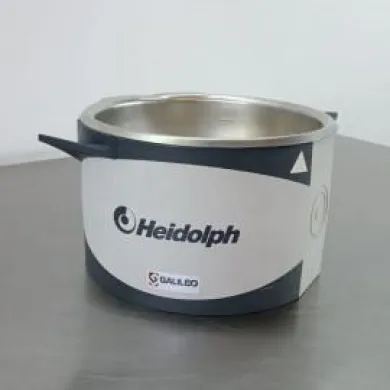
Among the listings that specify a type, the laboratory water bath and the benchtop water bath dominate, which reflects how much routine work a simple heated tank still does. A benchtop water bath is sized to sit beside a workstation and holds a modest volume at a steady temperature, the format reached for in sample thawing, reagent warming and incubation steps. The digital water bath and the temperature-controlled water bath are the same device with a tighter controller and a readout, chosen where a protocol specifies a set point rather than a dial position. A plain water bath and a temperature control bath round out the group; the latter name tends to cover units built to hold a narrow band for an instrument rather than for open samples.
These instruments do real work in biotechnology and the life sciences. A controlled water bath runs the heat-inactivation and ligation steps of molecular biology, holds enzyme and buffer stocks at assay temperature for immunoassay and protein purification, and keeps cell culture media warmed before it meets the cells. A histology laboratory floats paraffin ribbons on a dedicated flotation bath, and a microbiology laboratory incubates liquid cultures at a fixed temperature in a shaking water bath. A circulator extends the same control outward, feeding jacketed reactors in bioprocessing and holding viscometry and spectroscopy cells at temperature for analytical work.
The brands behind the bath and circulator listings
The field here is led by Thermo Scientific, Julabo, Fisher Scientific, VWR, Thermo Fisher Scientific. For a buyer that concentrates the market in a way that helps: spare heaters, lids, racks and pump seals for these makers are straightforward to source, and a given series usually appears across more than one condition, so a new unit and a used one can be compared directly. Julabo in particular is known for circulators, while the Thermo and Fisher lines cover the full span from basic baths to recirculating chillers, which keeps like-for-like comparison possible at most price points.
What a used bath or circulator costs here
Most of what is listed is used. Of the catalogue, 89 percent of the units are used and the balance new. Prices run from EUR 38 to EUR 7.998. The low end buys a small open water bath, the high end a wide-range recirculating circulator with its own cooling, and the average near EUR 901 sits with the mid-capacity temperature-controlled models that make up the bulk of the listings.
Frequently asked questions
What is a bath or circulator?
It is a temperature-control instrument that holds a volume of liquid at a set point. A static bath heats a reservoir and keeps it there, while a circulator adds a pump that drives the fluid through an external loop to regulate equipment outside the tank.
What does the term circulator mean compared to a bath?
A bath heats and holds liquid in a reservoir, and samples sit directly in the water. A circulator moves that heated or cooled fluid through tubing to an external jacket or condenser, so the word circulator points to the pump and the external loop rather than immersion.
How do baths and circulators work?
A heating element, and in refrigerated models a cooling circuit, bring the liquid to the set point, and a control loop holds it there. In a circulator a pump then drives the fluid out through tubing to an external system and back, forming a closed temperature-controlled loop.
What types are there?
The listings include the laboratory water bath, the benchtop water bath, the digital water bath, the temperature-controlled water bath, the plain water bath and the temperature control bath. The main split is between static baths for immersion and circulators that pump fluid to external equipment.
What are baths and circulators used for?
Static baths warm reagents, thaw samples and incubate tubes, and support molecular biology steps like enzyme reactions and restriction digests. Circulators feed temperature-controlled jackets for protein purification, chromatography columns, fermenters and rheometers where an external loop holds the temperature.
How do I choose between a bath and a circulator?
Decide whether your samples sit in the water or whether an external vessel needs to be held at temperature. Immersion work calls for a static bath, while an external jacket, condenser or reaction vessel needs a circulator with enough pump capacity and the right temperature range.
What is the difference between a digital bath and a plain bath?
The difference is mainly in the control loop. A digital or temperature-controlled bath uses a PID controller that holds a tighter set point, while a plain bath relies on a simpler thermostat, which matters when a protocol specifies a narrow temperature window.
What is the difference between refurbished and used?
A used unit is sold in its existing condition, while a refurbished unit has been checked and brought back to working order before listing. Both are grouped under the used share of the listings and both are priced below new.
How much does a bath or circulator cost?
Across the catalogue prices range from EUR 38 to EUR 7.998, with an average of EUR 901. A small static benchtop bath sits at the low end, and a large programmable refrigerated circulator with a wide range sits at the top.
Which brands come up most in this category?
The listings cluster around Thermo Scientific, Julabo, Fisher Scientific, VWR and Thermo Fisher Scientific. These names span general-purpose benchtop baths through to programmable circulators.
Can I get a warranty on a refurbished unit?
A warranty is often possible and is arranged in consultation for the specific listing. Check the individual listing and raise it before purchase so the terms are clear.
Can I still get parts for these units?
Parts, including spare pumps for the common Julabo and Thermo Scientific lines, can be sourced via Questpair. The concentration of a few brands across the listings makes those parts easier to find.
How long does a bath or circulator last?
Service life depends on how hard the heating and cooling circuits are driven and how well the fluid and tank are maintained. A well-kept unit running within its rated range serves for many years, which is why used units remain practical to buy.
Should I buy new or used?
Used and refurbished units are listed at lower prices than new, which is the clearest difference between them. Compare the condition described in the individual listing against your budget, and arrange any warranty in consultation for that specific unit.
Where can I buy a bath or circulator?
The Questpair catalogue lists 1285 units from 17 verified suppliers and distributors across 11 countries. New, used and refurbished units appear together so you can compare options side by side.
What are the lead time and shipping like?
Lead time and shipping depend on the individual seller and the unit's location across the 11 countries represented. The specific listing shows what applies, and Questpair specialists respond within an hour if you need to confirm details.
How are baths and circulators calibrated and maintained?
Calibration involves verifying the displayed set point against a reference thermometer and adjusting the controller offset where the model allows. Routine maintenance covers keeping the fluid clean, checking the pump and tubing on circulators, and preventing scale or algae in the tank.
Which types are listed most, and who reaches for which?
Among listings that specify a type, the laboratory water bath leads, followed by the benchtop and digital water baths. Cell culture and molecular biology labs tend toward static immersion baths, while protein purification and bioprocessing groups reach for circulators that feed external jackets.
What separates the cheapest units from the most expensive here?
The low end is a small static benchtop bath with a simple thermostat and a modest volume. The high end is a large programmable refrigerated circulator with a wide temperature range and high pump capacity, and used listings pull the lower part of the band down below new.