

Furnaces
We personally find you the right used, refurbished and new furnaces instruments & equipment from verified suppliers.
Furnaces are laboratory heating instruments that raise and hold samples at high temperatures for processes such as ashing, sintering, heat treatment and loss-on-ignition analysis. Across the Questpair catalogue, 446 furnaces are listed from 12 verified suppliers and distributors, offered new, used and refurbished. 76 percent of the listings are used. Chamber size, maximum temperature and the heating element material separate one unit from the next, and the figures below run from benchtop muffle furnaces to large tube and box designs. Prices range from EUR 44 to EUR 28.574. The catalogue also spans adjacent temperature control equipment, so a buyer comparing a laboratory oven against a true high-temperature furnace finds both in one place.
Updated:
Furnaces product list
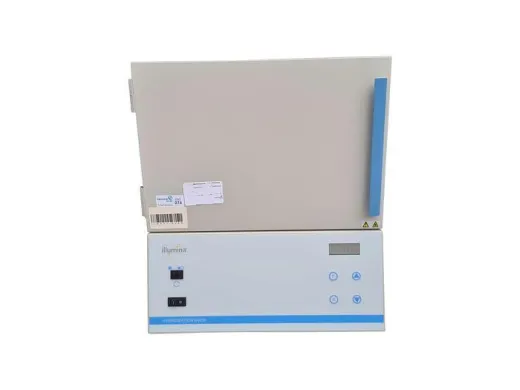
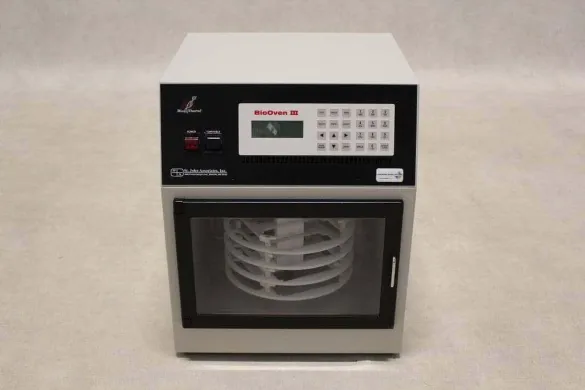
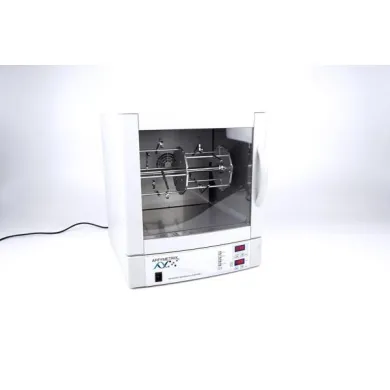
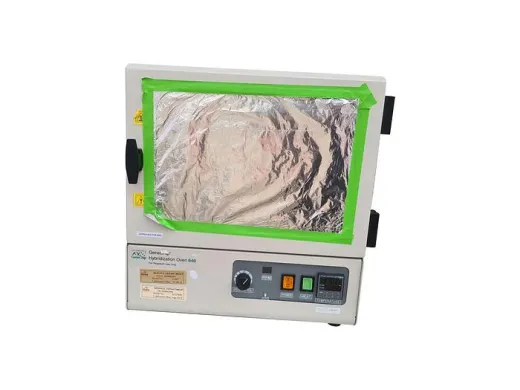
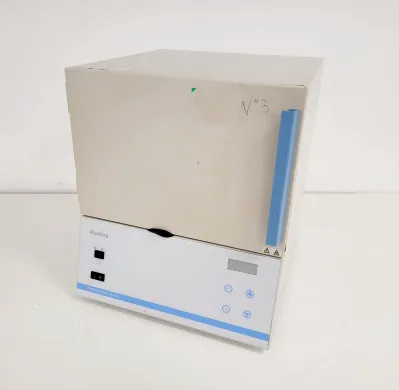
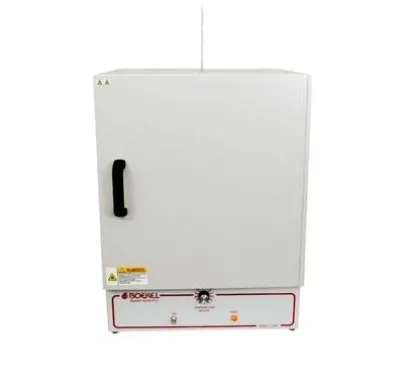
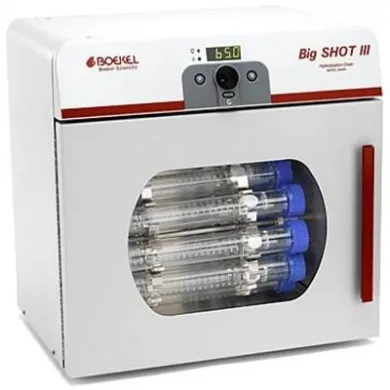
Illumina Boekel 230401 - 21LL Hybridization Oven
- Category
- Furnaces
- Brand
- Illumina
- Suppliers
- 1 verified


Not the exact instrument you need?
Tell our scientists what you are after. We track it down, including off-market supply.
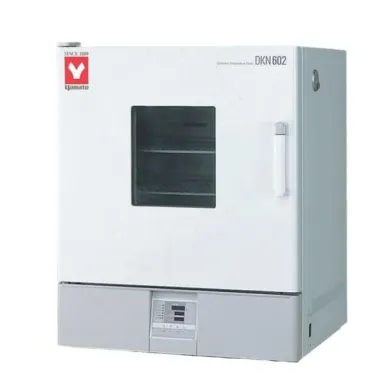
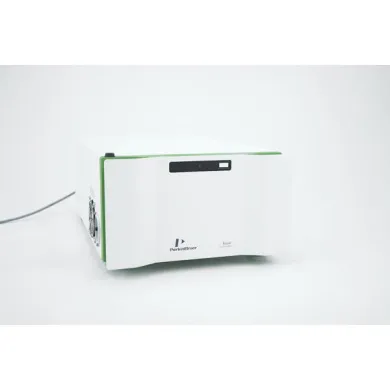
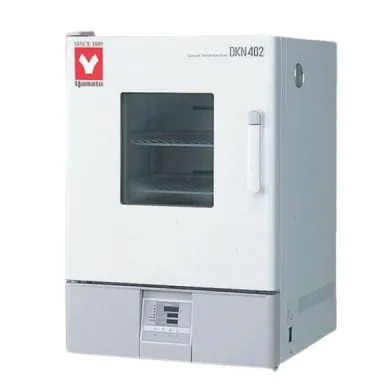
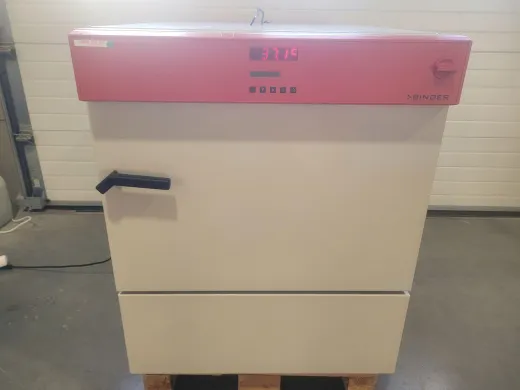
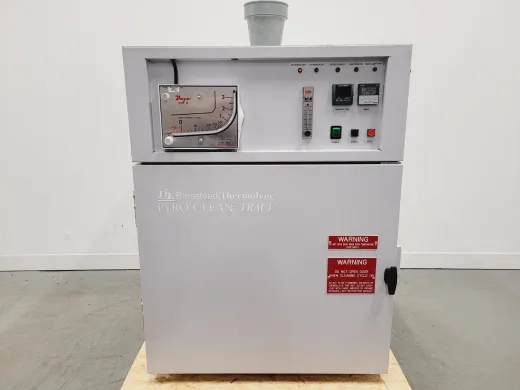

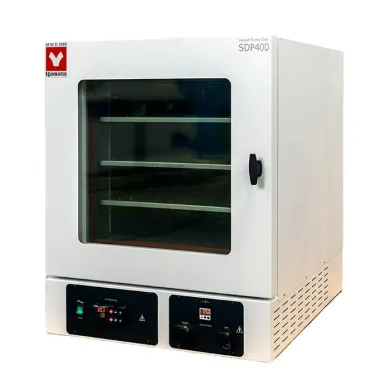
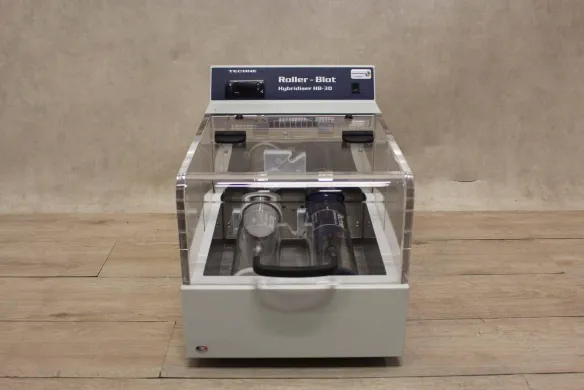
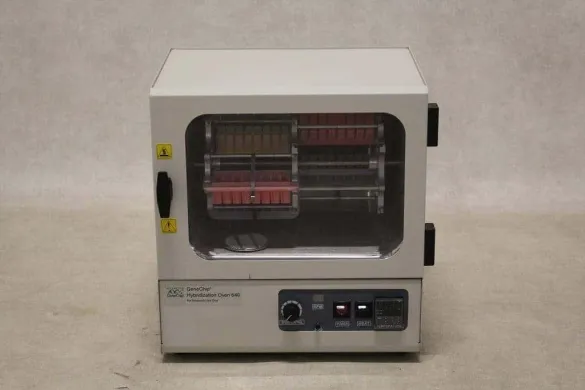
Not the exact instrument you need?
Tell our scientists what you are after. We track it down, including off-market supply.
Showing 1–40 of 149 listings
Show 40 more listingsBuying guide
The temperature a furnace reaches, and holds, is the first thing to settle, because it decides which heating element the unit carries and therefore most of its price. A muffle furnace for ashing organic material works around 550 to 900 degrees Celsius and uses wire elements; sintering ceramics or heat-treating metals runs past 1,200 and needs silicon carbide or molybdenum disilicide, which costs more and wears faster. Buying for the highest number you might ever need is a common mistake: an element rated far above the work spends its life cycling well below its efficient range. Match the rating to the actual process, then confirm the chamber volume holds the crucible count or the part dimensions you run, since a furnace that fits the sample but not the batch forces a workaround on every run.
On a used furnace the element and the insulation are what age, and neither shows on a datasheet. Elements degrade with every thermal cycle and are consumable; ask how many hours the unit has run and whether the elements have been replaced, because a cheap furnace with spent elements is not cheap once you add the parts. Firebrick and ceramic-fibre insulation crack and shed over time, which lengthens heat-up and widens temperature drift across the chamber. The controller matters too: an older ramp-and-soak controller may lack the programme steps a modern protocol assumes, and a thermocouple that has drifted reads the setpoint while the chamber sits somewhere else. Where a listing does not state recalibration status, treat it as uncalibrated and budget for a verification run. Parts for the common makes can be sourced via Questpair, and warranty is arranged in consultation for the specific listing rather than set centrally.
The price band here is wide, from EUR 44 to EUR 28.574, with an average around EUR 2.585, and the spread tracks temperature rating and chamber size more than brand. The low end is small benchtop muffle furnaces and basic drying ovens; the high end is large tube furnaces, controlled-atmosphere boxes and high-temperature sintering units. A buyer working to a fixed budget usually finds that a used unit of the size needed sits below a new one of a smaller size, which is why many ashing and heat-treatment labs buy used for the chamber volume. Units listed for sale here are concentrated among a handful of makers, Memmert, Binder, Yamato, BINDER, Heraeus appearing most often, which keeps parts and comparison straightforward. Refurbished and used furnaces are the more affordable route to a given temperature class, and what a unit costs on this market reflects its rating, its size and its remaining element life, not its age alone.
Types of Furnaces
Which furnace and oven types are listed here?
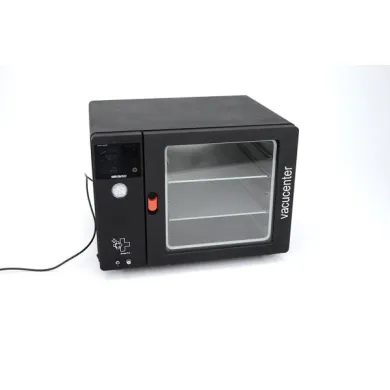
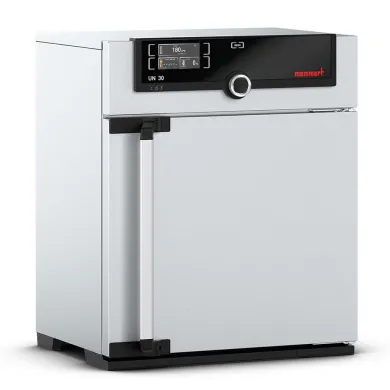
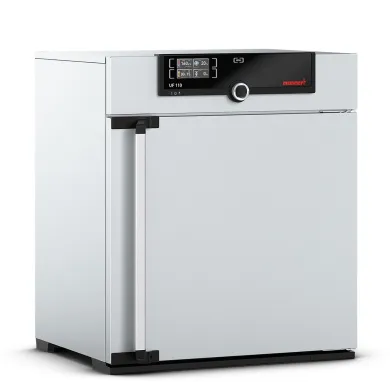
Among the listings that specify a type, the catalogue leans toward moderate-temperature thermal processing rather than the extreme high end. Laboratory ovens and drying ovens are the most common, used for drying, curing and moisture removal below roughly 300 degrees Celsius, where even heat matters more than a high ceiling. True furnaces, the muffle, box and tube designs that reach 1,000 degrees and beyond, sit alongside them for ashing, sintering and heat treatment. Laboratory incubators appear in the same group because they share the controlled-chamber architecture, holding a precise low temperature for culture work rather than driving it high. Thermal processing equipment and general heating equipment round out the list for applications that fall between these, such as annealing, drying of ceramics, and sample preparation ahead of analysis. What separates one class from another is the temperature range and the heating method: a convection oven circulates heated air for uniformity, while a muffle furnace radiates from the chamber walls to reach temperatures air circulation cannot.
The low-temperature end of this group does real work in biotechnology and life sciences. A laboratory incubator holds the controlled temperature that cell culture requires, and the same chambers serve microbiology for bacterial growth and plate reading. Drying ovens handle sample preparation across molecular biology and histology, driving off solvent or water before a sample is weighed or sectioned. Ashing furnaces support gravimetric analysis, reducing a biological sample to its mineral residue for quantification. A buyer searching for a laboratory incubator for cell culture or a drying oven for sample preparation is describing a standard bench task, and both terms map to units in this catalogue.
The brands behind the furnace listings
A handful of makers account for most of what is listed, Memmert, Binder, Yamato, BINDER, Heraeus appearing most often. Their concentration works in a buyer's favour: elements, controllers and door seals for these makes are the parts most readily sourced via Questpair, and a model that recurs across several listings is one a buyer can actually compare on specification rather than guess at. German-built ovens and incubators dominate the mid-range here, which tends to set a higher baseline price but a longer service life. Where a maker appears on only one or two listings, confirm parts availability before committing, since a furnace is only as serviceable as its consumable supply.
What a used furnace costs on this market
Of the units listed, 76 percent are used, and prices across the whole category run from EUR 44 to EUR 28.574, averaging about EUR 2.585. That spread covers everything from a small benchtop drying oven to a large high-temperature box furnace, so the figure to anchor on is the temperature class and chamber size you need, not the overall range. Within a given class, used and refurbished units are listed below new, which is why buyers chasing chamber volume or a high temperature rating on a fixed budget tend to start with the used listings.
Frequently asked questions
What is a furnace in a laboratory setting?
A laboratory furnace is a heating instrument that raises and holds samples at high temperatures for processes such as ashing, sintering, heat treatment and loss-on-ignition analysis. It differs from a drying oven in that it reaches temperatures air circulation alone cannot achieve.
What does furnace mean when the same catalogue also lists ovens and incubators?
In this catalogue the term covers controlled-chamber heating equipment across a range of temperatures. A true furnace, meaning a muffle, box or tube design, radiates heat from the chamber walls to reach 1,000 degrees and beyond, while ovens and incubators hold lower temperatures for drying or culture work.
How do furnaces work?
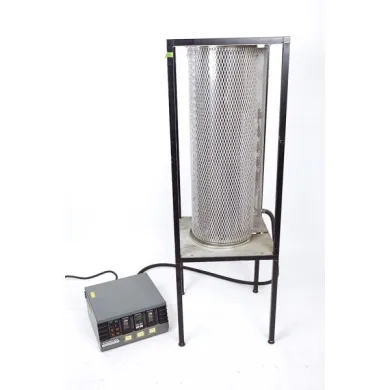
A muffle or box furnace radiates heat from elements in or behind the chamber walls, while a convection oven circulates heated air for uniformity. The element material, wire for moderate temperatures or silicon carbide and molybdenum disilicide for higher ones, sets how hot the chamber can go and how the heat is delivered.
What types of furnaces and ovens are there?
The catalogue spans laboratory ovens, drying ovens, temperature control equipment, heating equipment, laboratory incubators and thermal processing equipment. Within true furnaces the common designs are muffle, box and tube, each suited to a different chamber shape and temperature class.
What is a furnace used for?
Furnaces handle ashing of organic material, sintering of ceramics, heat treatment of metals and loss-on-ignition analysis. Lower-temperature units in the same group dry samples, cure coatings, remove moisture and, in the case of incubators, hold cell cultures at a controlled temperature.
How do I choose a furnace?
Settle the temperature you need the unit to reach and hold first, because it decides the heating element and most of the price, then confirm the chamber volume fits your crucible count or part dimensions. Matching the rating to the actual process avoids an oversized element that spends its life cycling below its efficient range.
What is the difference between refurbished and used furnaces?
A used furnace is sold in its current condition, while a refurbished one has been checked and brought back toward working specification before listing. On either, the element hours, insulation condition and calibration status matter more than the label, so confirm those for the specific listing.
How much does a furnace cost?
Prices across the category run from EUR 44 to EUR 28.574, averaging about EUR 2.585. The figure to anchor on is the temperature class and chamber size you need, since that spread covers everything from a small benchtop drying oven to a large high-temperature box furnace.
Which furnace brands are worth looking at?
Memmert, Binder, Yamato, BINDER and Heraeus appear most often in the listings. A model that recurs across several listings is one you can compare on specification rather than guess at, and parts for these common makes are the more readily sourced.
Is there a warranty on a refurbished furnace?
A warranty is often possible and is arranged in consultation for the specific listing rather than set centrally. Check the individual listing and raise the question before committing.
Can I still get parts for these furnaces?
Parts such as elements, controllers and door seals can be sourced via Questpair, and they are most readily found for the makes that recur across listings. Where a maker appears on only one or two listings, confirm parts availability first, since a furnace is only as serviceable as its consumable supply.
How long does a furnace last?
Lifespan depends on how the element and insulation age rather than on calendar years. Elements degrade with every thermal cycle and are consumable, and firebrick or ceramic-fibre insulation cracks and sheds over time, which lengthens heat-up and widens temperature drift across the chamber.
Should I buy new or refurbished?
Used and refurbished furnaces are listed at lower prices than new, which is why buyers chasing a given chamber volume or temperature rating on a fixed budget often start there. Weigh the two on the specific listing, and note that warranty is arranged in consultation rather than tied to condition.
Where can I buy a furnace?
The Questpair catalogue lists 446 furnaces from 12 verified suppliers and distributors. Units are offered new, used and refurbished in one place, so a drying oven and a true high-temperature furnace can be compared side by side.
What are the lead time and shipping on a used furnace?
Lead time and shipping depend on the individual listing and the supplier holding the unit. For a specific timeline, contact Questpair and specialists respond within one hour.
Does a used furnace need calibration before use?
Where a listing does not state recalibration status, treat it as uncalibrated and budget for a verification run. A thermocouple that has drifted reads the setpoint while the chamber actually sits somewhere else, so a check confirms the chamber matches the controller.
Which furnace and oven types are listed most, and who reaches for which?
Laboratory ovens and drying ovens are the most common, used for drying, curing and moisture removal below roughly 300 degrees Celsius. Muffle, box and tube furnaces serve ashing, sintering and heat treatment at higher temperatures, while laboratory incubators hold a precise low temperature for cell culture and microbiology.
Which brands dominate this category and what does that mean for me as a buyer?
A handful of makers account for most of what is listed, with Memmert, Binder, Yamato, BINDER and Heraeus appearing most often. That concentration makes specification comparison and parts sourcing more straightforward, and the German-built ovens and incubators in the mid-range tend to carry a higher baseline price alongside a longer service life.
What separates the cheapest furnaces here from the most expensive?
The spread tracks temperature rating and chamber size more than brand or age. The low end is small benchtop muffle furnaces and basic drying ovens, while the high end is large tube furnaces, controlled-atmosphere boxes and high-temperature sintering units with costlier, faster-wearing elements.