

Safety equipment
We personally find you the right used, refurbished and new safety equipment from verified suppliers.
Safety equipment in a laboratory context covers the instruments and protective systems that keep processes, samples and operators within controlled limits, from hazardous-area and intrinsically safe devices to weighing and process-control hardware used in regulated environments. The Questpair catalogue holds 337 such listings, offered new, used and refurbished by 7 verified suppliers and distributors across 7 countries. Of those listings, 29 percent are used. Prices run from EUR 281 to EUR 27.728, a span that reflects how far this group reaches, from a single weighing instrument to a complete process-control installation. The term gathers equipment that shares a purpose rather than a shape, which is why a buyer works from the application first.
Updated:
Safety equipment product list
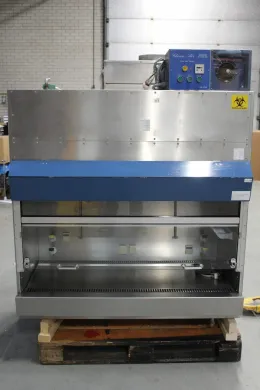
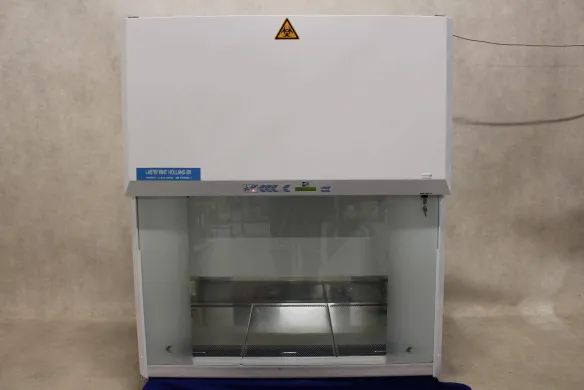
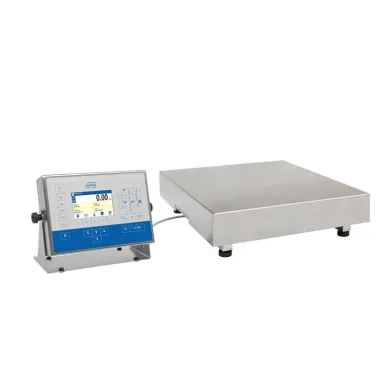
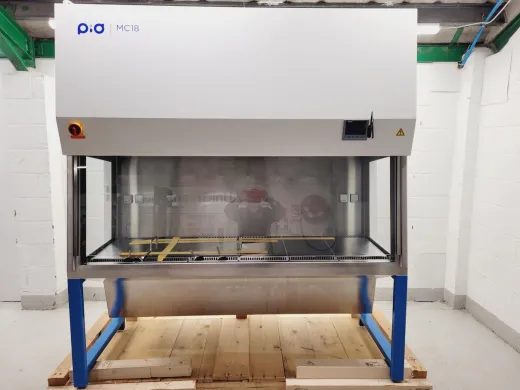


Not the exact instrument you need?
Tell our scientists what you are after. We track it down, including off-market supply.
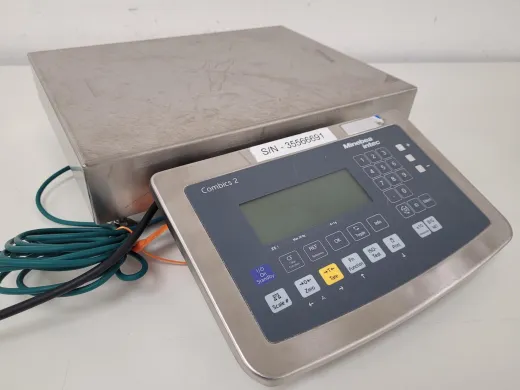
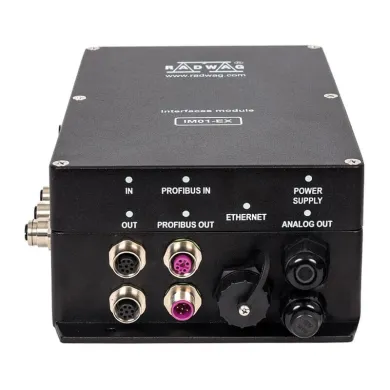
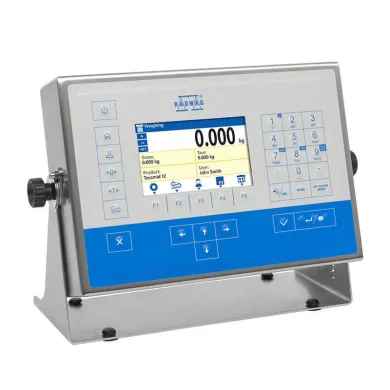
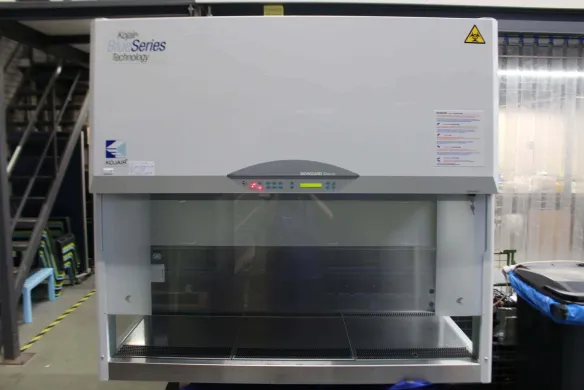
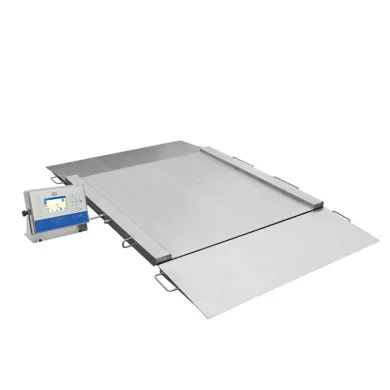
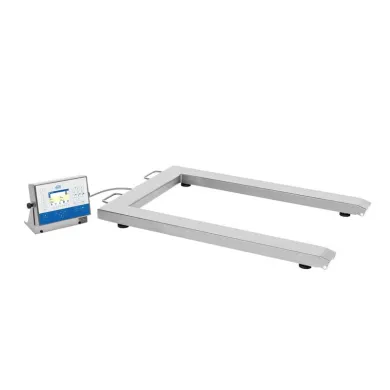
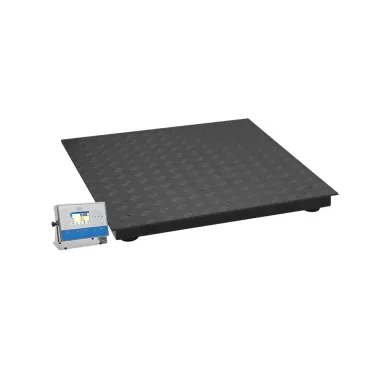
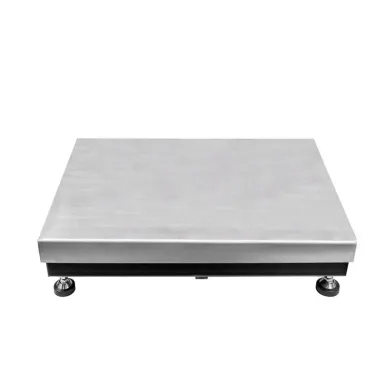
Not the exact instrument you need?
Tell our scientists what you are after. We track it down, including off-market supply.
Showing 1–40 of 234 listings
Show 40 more listingsBuying guide
What decides the choice depends on where the equipment is installed?
Within safety equipment the first question is not a specification but a location. A device destined for a hazardous area, where flammable vapour, dust or gas can be present, has to carry an ATEX or IECEx rating that matches the zone it will sit in, and no amount of accuracy or capacity compensates for the wrong rating. Intrinsically safe equipment limits the electrical and thermal energy a fault can release, so that even a short circuit cannot ignite the surrounding atmosphere. Settle the zone classification and the required protection concept before anything else, because that decision eliminates most of the catalogue in one step and makes the rest comparable.
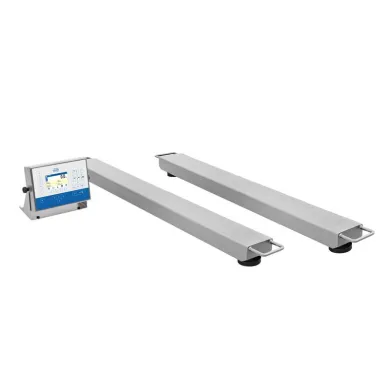
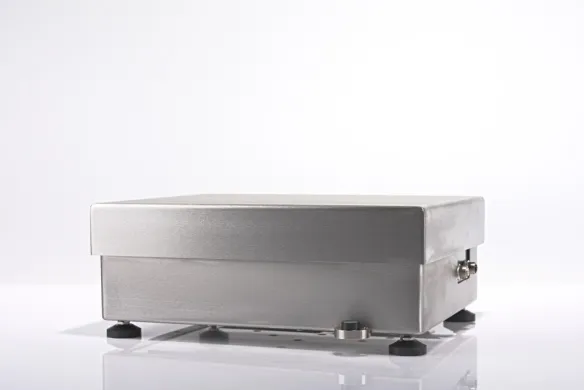
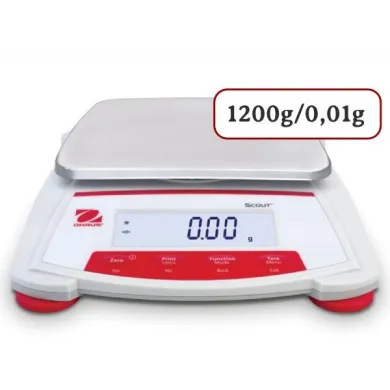
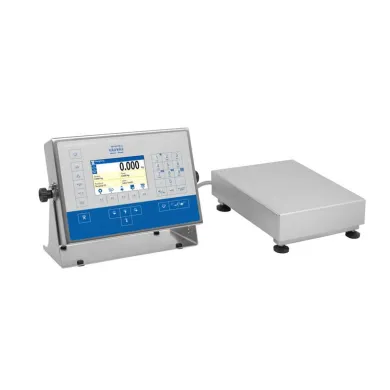
Only once the environment is fixed does the measurement specification matter. For a platform scale or an industrial scale the deciding figures are the capacity and the readability, the smallest increment the instrument resolves, and the two trade against each other: a higher capacity usually means a coarser step. A weighing instrument used for gravimetric work needs a finer readability than a floor scale weighing drums of solvent. Process-control equipment is judged instead on its signal range, its protocol and whether it integrates with the control system already in place.
Verifying a used unit here turns on the paperwork as much as the hardware. An intrinsically safe or ATEX-rated device is only as good as its certificate, so check that the rating is documented, that it covers the zone you need, and that any required recalibration or inspection interval has been met. For a scale, ask after the most recent calibration and whether the load cells have been checked; drift in a load cell is invisible until a reference weight exposes it. A listing on Questpair sets its own condition, and warranty is arranged in consultation for the specific listing rather than through a central policy.
The price band runs from EUR 281 to EUR 27.728, with an average near EUR 6.014. What a platform scale costs sits at the lower end, while a certified hazardous-area installation or a full process-control system reaches the top. Buyers working to a tighter budget tend to find that used and refurbished units for sale are more affordable than new, which is where the bulk of the lower-priced listings come from. Brands such as Radwag, Labconco, Nuaire, Kojair, Thermo Scientific appear across the range, and knowing which brand a listing carries makes a model easier to compare on parts availability and resale.
Types of Safety equipment
Which safety equipment types are listed?
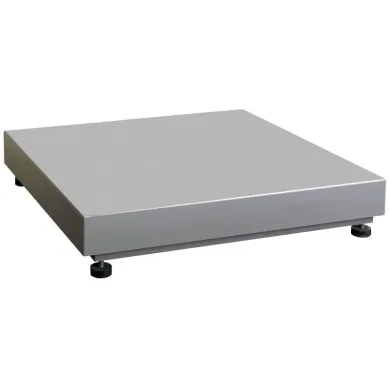
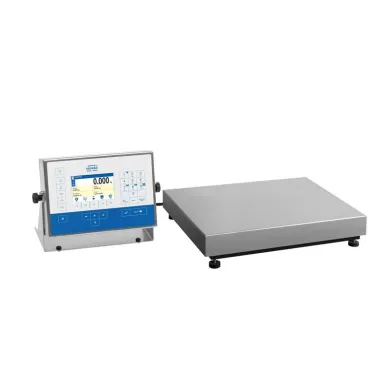
Among the listings that specify a type, the catalogue divides into a few recognisable groups. Hazardous-area equipment and intrinsically safe equipment are the protection-rated end: devices built to operate where flammable atmospheres can occur, the first classified by the zone it suits and the second by the way it caps fault energy. A buyer reaches for these when the installation site itself is the constraint. The weighing group, platform scale, industrial scale and weighing instrument, covers everything from floor-standing scales that weigh pallets and drums to finer instruments used for gravimetric analysis in a quality or formulation workflow. Process-control equipment sits apart again, concerned with monitoring and regulating a running process rather than measuring a discrete load.
Several of these types do real work in life sciences and biotechnology. A weighing instrument underpins gravimetric analysis in biomanufacturing and in protein purification, where reagent and buffer masses have to be reproducible batch to batch. Intrinsically safe equipment is also used for bioprocessing suites that handle flammable solvents, keeping instrumentation safe inside a cell-culture or fermentation facility. Process-control equipment governs the conditions inside a bioreactor during cell culture and bioprocessing, holding temperature, pH and feed rate within set bounds. These are the application areas a specialist would name when matching the hardware to the work in front of it.
The brands behind the safety equipment listings
The names that recur most often are Radwag, Labconco, Nuaire, Kojair, Thermo Scientific. For a buyer, a brand that appears repeatedly means two practical things: spare parts are easier to source, and a given model is simpler to compare against its siblings and against a used alternative. Parts for these makers can be sourced via Questpair, which matters more for the rated and process-control equipment, where an obsolete module can otherwise strand an otherwise sound unit. Brand presence also sets a rough price expectation, since the weighing specialists and the laboratory-equipment makers occupy different bands.
What a used safety device costs here
New, used and refurbished units all appear in the catalogue, with 29 percent of the listings used. Prices span from EUR 281 to EUR 27.728. That spread covers the full distance from a single platform scale to a certified hazardous-area system, so the figure says more about range than about any one device. Used and refurbished units are listed below new prices, and a warranty is often possible, arranged in consultation for the specific listing.
Frequently asked questions
What is safety equipment?
In a laboratory context, safety equipment covers instruments and protective systems that keep processes, samples and operators within controlled limits. The group ranges from hazardous-area and intrinsically safe devices to weighing and process-control hardware used in regulated environments.
What does safety equipment mean in this category?
It means equipment grouped by purpose rather than by shape, so a weighing instrument and a hazardous-area device sit in the same category because both work to keep a regulated process safe and controlled. That is why a buyer starts from the application, not the equipment type.
How does safety equipment work?
It depends on the type: intrinsically safe equipment caps the electrical and thermal energy a fault can release so a short circuit cannot ignite the surrounding atmosphere, while process-control equipment monitors and regulates a running process against set bounds. Weighing instruments resolve a load to a defined readability. Each works on a different principle tied to its function.
What types of safety equipment are there?
The catalogue divides into protection-rated devices (hazardous area equipment and intrinsically safe equipment), weighing hardware (platform scale, industrial scale and weighing instrument), and process control equipment. The rated devices are chosen by installation site, the scales by capacity and readability, and process-control units by signal range and integration.
What is safety equipment used for?
It is used to run and measure processes safely in regulated environments: weighing instruments underpin gravimetric analysis in biomanufacturing and protein purification, intrinsically safe equipment operates in bioprocessing suites that handle flammable solvents, and process-control equipment holds temperature, pH and feed rate inside a bioreactor during cell culture.
How do I choose safety equipment?
Start with the installation location, not the specification: a device for a hazardous area needs an ATEX or IECEx rating matching the zone, and that decision eliminates most of the catalogue in one step. Only then does measurement specification matter, such as capacity and readability for a scale, or signal range and protocol for process-control equipment.
What is the difference between refurbished and used safety equipment?
Both are listed below new prices, and the practical difference shows in the listing's stated condition. Each listing on Questpair sets its own condition, so read that and check the documentation before deciding.
How much does safety equipment cost?
Prices in the catalogue run from EUR 281 to EUR 27.728, with an average near EUR 6.014. A platform scale sits at the lower end, while a certified hazardous-area installation or a full process-control system reaches the top, so the span reflects range more than any one device.
Which brands make safety equipment?
The names that recur in this catalogue are Radwag, Labconco, Nuaire, Kojair and Thermo Scientific. The weighing specialists and the laboratory-equipment makers occupy different price bands, so the brand on a listing sets a rough price expectation.
Is there a warranty on refurbished safety equipment?
A warranty is often possible and is arranged in consultation for the specific listing. Questpair does not set warranty terms centrally, so check the individual listing you are considering.
Can I get parts for safety equipment?
Parts can be sourced via Questpair, which matters most for rated and process-control equipment where an obsolete module can otherwise strand a sound unit. A brand that recurs in the catalogue tends to make parts easier to find.
How long does safety equipment last?
Lifespan depends on the type and on upkeep rather than on a fixed figure: a scale stays reliable as long as its load cells hold calibration, and a rated device stays usable while its certificate and inspection intervals remain valid. Documentation and recalibration, not age alone, decide whether a unit is still fit to use.
Should I buy new or used safety equipment?
Used and refurbished units are listed at lower prices than new, which is where the bulk of the lower-priced listings come from. For a rated or calibrated device, the deciding factor is often the paperwork, so check the certificate and calibration records on the specific listing either way.
Where can I buy safety equipment?
The Questpair catalogue holds 337 listings offered by 7 verified suppliers and distributors across 7 countries. Listings appear new, used and refurbished, with 29 percent used.
What are the lead time and shipping for safety equipment?
Lead time and shipping are set by the individual supplier and vary with the item and its origin across 7 countries. The specific listing gives the detail, and Questpair specialists respond within one hour if you need to confirm.
How is safety equipment calibrated and maintained?
For a scale, ask after the most recent calibration and whether the load cells have been checked, since load-cell drift stays invisible until a reference weight exposes it. For an ATEX or intrinsically safe device, confirm the rating is documented and that any required recalibration or inspection interval has been met. Questpair does not perform servicing.
Which safety equipment types are listed most, and who reaches for each?
The listed types are hazardous area equipment and intrinsically safe equipment, platform scale, industrial scale and weighing instrument, and process control equipment. A buyer reaches for the rated devices when the installation site is the constraint, for a platform or industrial scale to weigh pallets and drums, for a weighing instrument when gravimetric accuracy matters, and for process-control equipment to regulate a running process.
Which brands dominate this category, and what does that mean for a buyer?
Radwag, Labconco, Nuaire, Kojair and Thermo Scientific recur most in the listings. For a buyer that means two things: spare parts are easier to source, and a given model is simpler to compare against its siblings and against a used alternative.
What separates the cheapest safety equipment from the most expensive?
At the lower end sit single devices such as a platform scale, while the upper end holds certified hazardous-area installations and complete process-control systems. Rating, capacity and whether a unit is one device or a full installation drive the span from EUR 281 to EUR 27.728, with condition then placing used and refurbished units below new.