
Labware & Consumables
We personally find you the right new, used and refurbished labware & consumables instruments & equipment from verified suppliers.
Labware is the part of the bench that gets consumed and replaced rather than serviced, and the work it supports is unforgiving of a poor fit. A reaction scaled wrong to its flask, a cuvette whose path length does not match the spectrometer, a filter that cannot take the solvent: none of these is a dramatic failure, but each quietly costs a run. Glassware must hold the chemistry, consumables must match the instrument downstream, and safety items must suit the hazard rather than the convenience. The Questpair catalogue carries 12161 listings across this ground, from single vials to enclosures, which is why fit and volume matter more here than any single brand name.
Updated:
Labware & Consumables product list
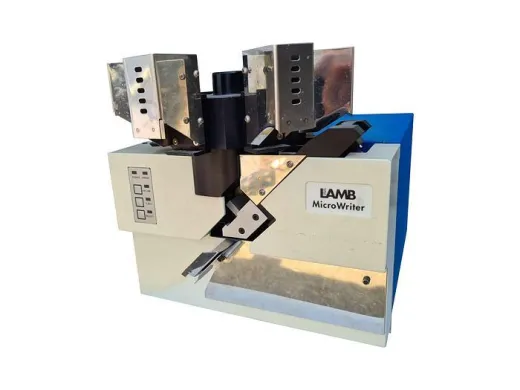
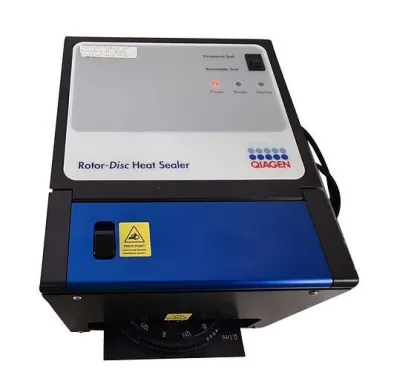


Not the exact instrument you need?
Tell our scientists what you are after. We track it down, including off-market supply.
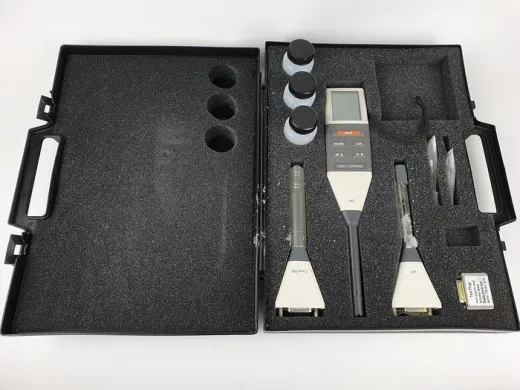
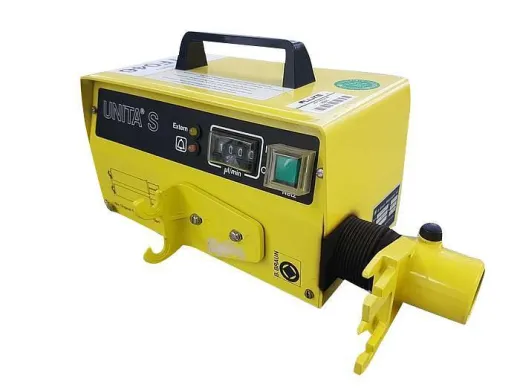



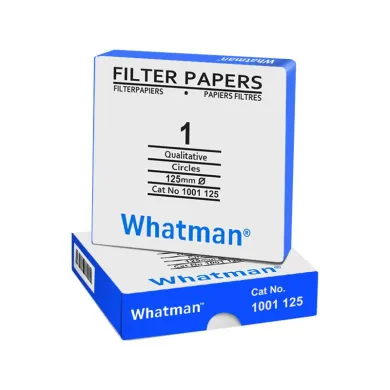
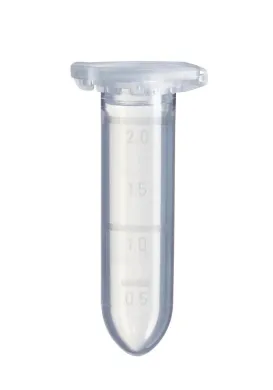
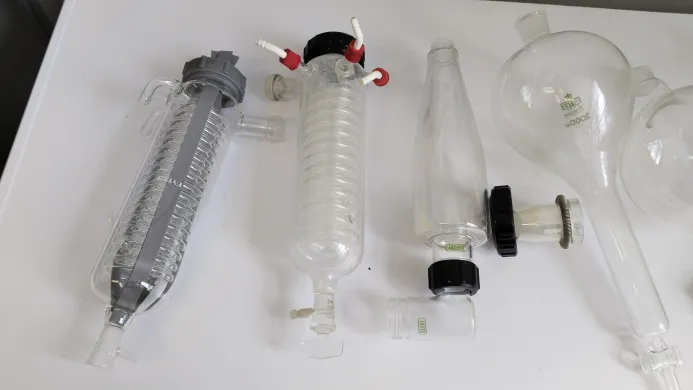
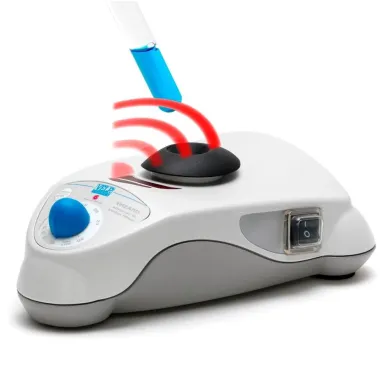
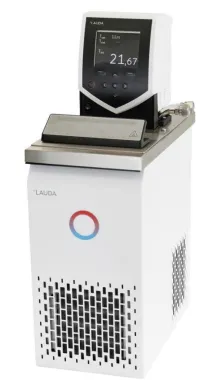
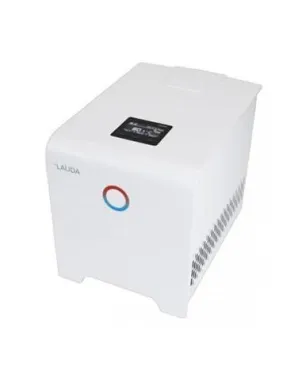
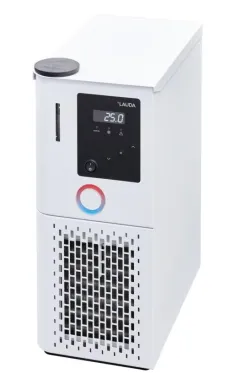
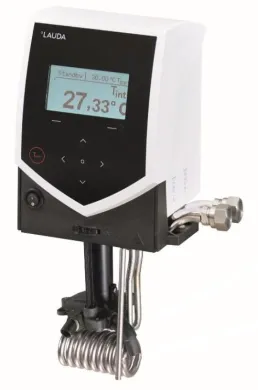
LAUDA Microcool MC 250 Circulation Chiller
- Category
- Chillers
- Brand
- Lauda
- Suppliers
- 1 verified
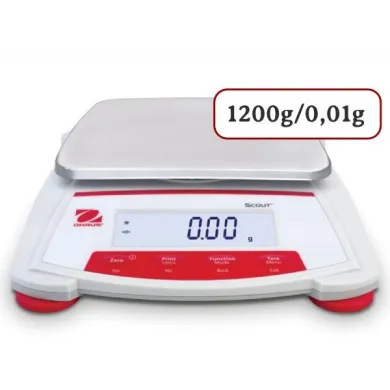
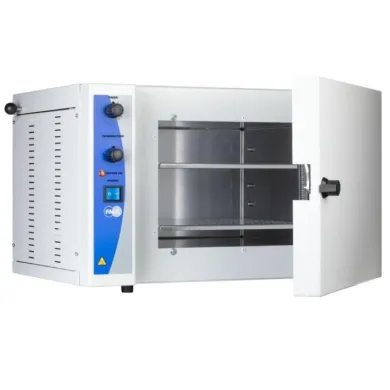
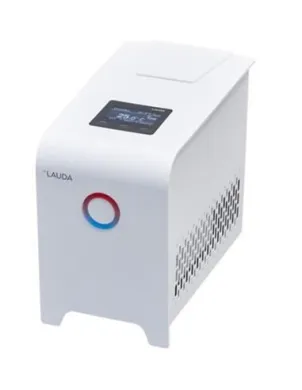
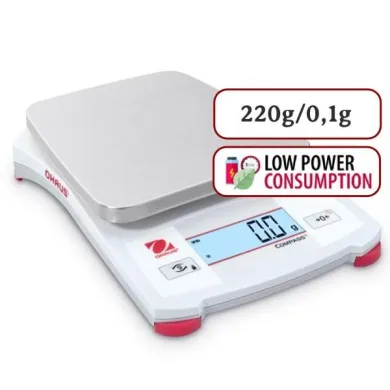
Not the exact instrument you need?
Tell our scientists what you are after. We track it down, including off-market supply.
Showing 1–40 of 4,403 listings
Show 40 more listingsBuying guide
Price here spans a wider gap than on any single category page, because the set runs from a throwaway consumable to a fitted-out room. Listings start at EUR 1 and reach EUR 176.868. The bottom end is where the volume sits: vials, test tubes, beakers and filtration supplies, bought by the box and priced accordingly. The expensive end is not the chemistry at all but the fabric around it, laboratory furniture, flooring, modules and large enclosures, where a single listing covers equipment that outlasts the experiments run on it. Quartz glassware and precision sample cells sit between the two, costing more than ordinary glass because the material and the optical tolerance are the point.
Condition splits in a way worth knowing before buying. 86 percent of the listings are used. For durable glass and furniture that distinction carries less weight than it would for an instrument, since a sound flask is a sound flask, though consumables that contact samples are a different matter and want checking against the work they will do. Across this ground the catalogue holds 12161 listings from 258 verified suppliers and distributors, which is what makes it practical to match a consumable to its instrument rather than ordering blind. Used and refurbished items are listed below new prices; where a warranty matters on a larger purchase such as furniture or an enclosure, it is arranged in consultation for the specific listing, so the detail sits with the listing itself rather than with any blanket rule.
Types of Labware & Consumables
Labware and consumables draw on glassware, filtration supplies, cuvettes and sample cells, vials and test tubes, safety equipment and laboratory furniture, each tied to a different moment at the bench. These items are not a sequence in the way a protocol is: a lab does not work through them in order. Instead they cluster around the stages of a job, and the questions below follow those clusters rather than a fixed path.
Which glassware holds the reaction?
The core of most wet work sits in glass. Beakers and flasks take the bulk handling, condensers and distillation glassware carry the separations, and funnels move liquid between them. The choice is governed by two things the catalogue can show and a category page cannot: the volume the work needs and the chemistry the glass must survive. Borosilicate covers most of it, but quartz glassware exists on the catalogue for a reason, since it passes ultraviolet light where ordinary glass blocks it, which matters the moment the reaction is being watched by a spectrometer rather than by eye. Where a condenser feeds a receiving flask, the two constrain each other: ground-glass joints have to match, and a mismatch there is the sort of thing a single-category listing will never warn you about.
What matches the instrument downstream?
A large share of consumables exists only to serve a machine. Cuvettes and sample cells are the clearest case. A cuvette is chosen by its path length and its material, and both are dictated by the analyser it goes into, not by preference. Quartz cells for ultraviolet work, optical glass or plastic for the visible range, and a sealed sample cell where the solvent is volatile. Vials and test tubes sit in the same category of fit: an autosampler expects a vial of a given height and septum, and the wrong one jams the tray rather than the chemistry. Filtration supplies follow the same logic one step earlier, since the membrane has to take the solvent and pass the particle size the next instrument assumes has already been removed. This is where the catalogue earns its place: it lets a buyer line up the consumable against the instrument before committing, which a page about cuvettes alone cannot do because it does not know what the cuvette feeds.
How does the lab around the work get equipped?
Not everything here touches a sample. Laboratory furniture, tables, flooring and modules are the fabric the work sits on, and enclosures and safety equipment are what keep the worker out of the hazard. These are infrequent, high-consequence purchases rather than daily consumables, and they are grouped here because a bench without the right surface or the right extraction is not a bench that can run the chemistry above. Clothing and other safety supplies close the gap between the glassware and the person holding it. A lab fitting out a new room reaches into this part of the catalogue once; a lab running an established room rarely does.
Frequently asked questions
What labware do I need at minimum to start a wet chemistry bench?
The core is glassware that holds the reaction, beakers and flasks for bulk handling, condensers and distillation glass for separations, and funnels to move liquid between them. You will also need the consumables that match whatever instrument sits downstream, such as cuvettes or vials, plus safety equipment suited to the hazard. The specific set depends on the chemistry and the analysers in the room rather than a fixed list.
Which part of a labware setup is the most expensive to put in place?
The highest-cost listings are the fabric around the work rather than the chemistry itself: laboratory furniture, flooring, modules and large enclosures, where a single listing covers equipment that outlasts the experiments run on it. Quartz glassware and precision sample cells sit below that, costing more than ordinary glass because the optical tolerance is the point. Listings across this ground reach EUR 176.868 at the top end.
What labware can I buy used and what is better bought new?
Durable glass and furniture carry the used distinction lightly, since a sound flask is a sound flask and a sound table a sound table. Consumables that contact samples are a different matter and want checking against the work they will do before you trust a used one. Used and refurbished items are listed below new prices, and 86 percent of the listings here are used.
What has to match between the glassware and the instrument?
Two things constrain each other across the bench. Ground-glass joints have to match where a condenser feeds a receiving flask, a mismatch a single-category listing will never warn you about. Cuvette path length and material must match the analyser they go into, and autosampler vials must match the height and septum the tray expects, or the tray jams.
Roughly what does a complete labware setup cost?
The range here is wider than on any single category page because it runs from a throwaway consumable to a fitted-out room. Listings start at EUR 1 and reach EUR 176.868, with vials, test tubes, beakers and filtration supplies at the low end and furniture, flooring and large enclosures at the high end. A total depends on how much of the room you are equipping and whether quartz or precision sample cells are part of it.
Where does cutting the labware budget cost me later?
A poor fit is where the saving disappears: a reaction scaled wrong to its flask, a cuvette whose path length does not match the spectrometer, or a filter that cannot take the solvent each quietly costs a run. Buying ordinary glass where quartz is needed blocks ultraviolet work the moment a spectrometer is watching the reaction. The cheaper consumable that jams an autosampler tray costs more in lost runs than the correct one saved.
Which labware is shared across different kinds of work?
Laboratory furniture, tables, flooring and modules are the fabric the whole bench sits on, so they serve every job run in the room rather than one protocol. Enclosures, safety equipment and clothing are shared the same way, suited to the hazard rather than to a single experiment. These are infrequent purchases that an established lab rarely returns to, unlike the consumables that get replaced run by run.
What should I check on used labware before buying it for this work?
For glass, check the integrity of the vessel and that ground-glass joints match whatever they connect to, since a sound flask does its job regardless of age. For consumables that contact samples, cuvettes, sample cells and filtration membranes, check them against the specific work they will do, including path length, material and solvent compatibility. The product characteristics sit with the individual listing, so match them against your instrument before committing.
About Questpair
Questpair is the European marketplace for lab equipment, where AI-prepared cases and personal specialists guide every purchase. We work with 247 verified suppliers across 38 countries to find buyers the right new, used or refurbished instruments, with response within 1 hour and significant savings vs buying new.
Personal · Fast · Reliable · Affordable