
Leica equipment
We personally find you the right new, used & refurbished Leica instruments & equipment from verified suppliers
Leica is a German microscope and scientific instrument manufacturer, tracing its origins to the Optical Institute founded by Carl Kellner in Wetzlar in 1849. The business later passed to Ernst Leitz and was reorganised as Leica Microsystems in 1997, becoming part of Danaher Corporation in 2005. The company produces optical microscopes, confocal laser scanning systems, stereo and digital microscopes, surgical microscopes, and specimen preparation equipment, alongside imaging software. On Questpair, 1361 Leica items are available from verified suppliers and distributors across 8 countries.
Updated:
Leica product list


Not the exact instrument you need?
Tell our scientists what you are after. We track it down, including off-market supply.
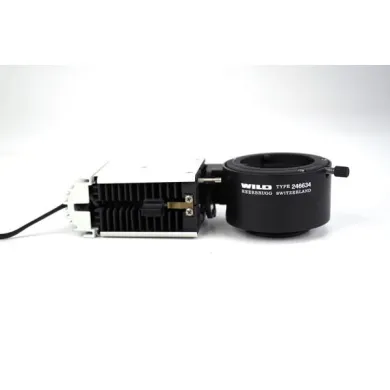
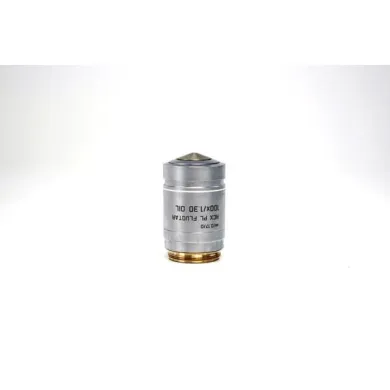
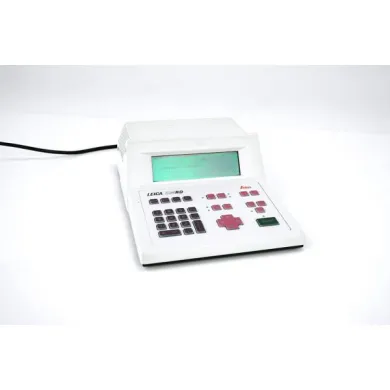
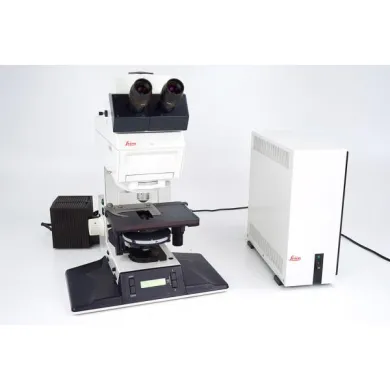
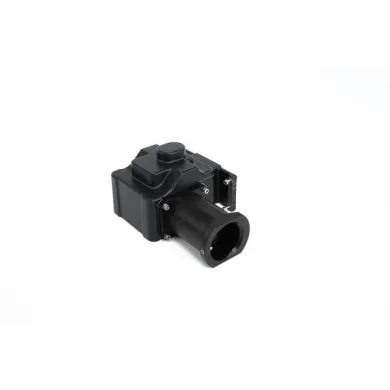
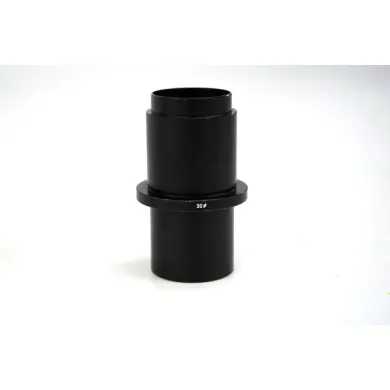
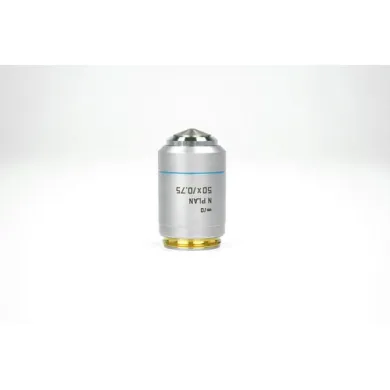
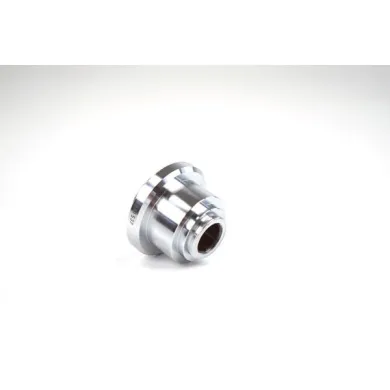
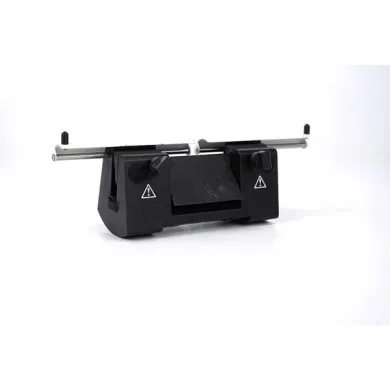
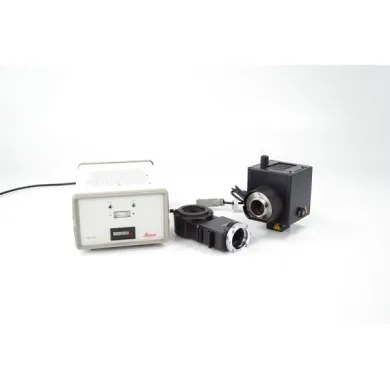
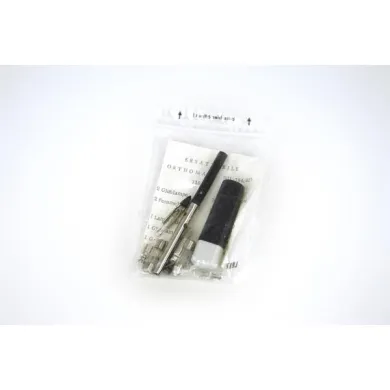
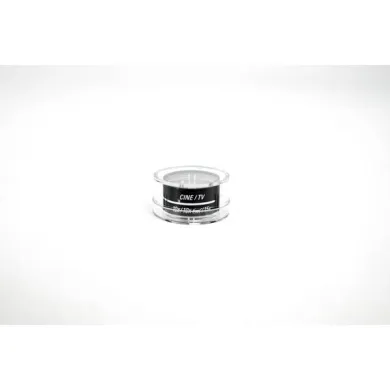
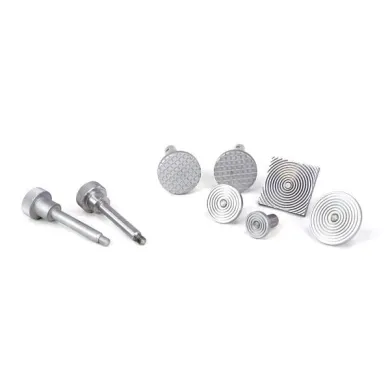
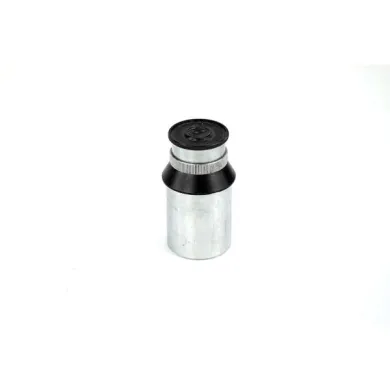
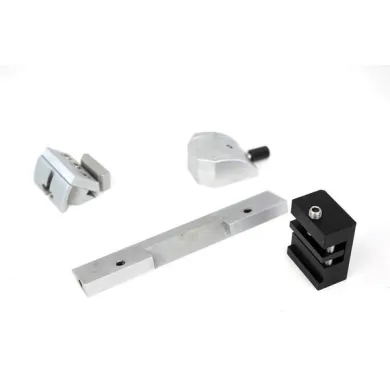

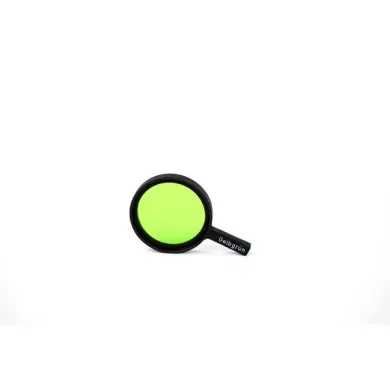
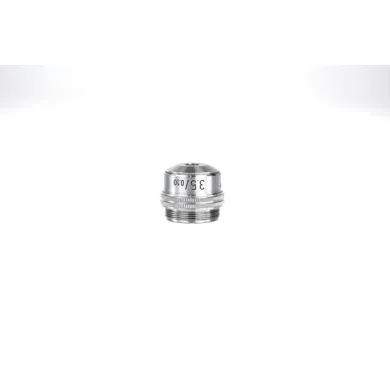
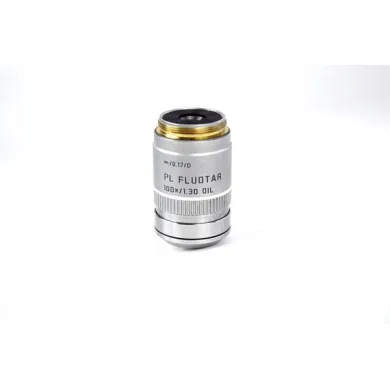
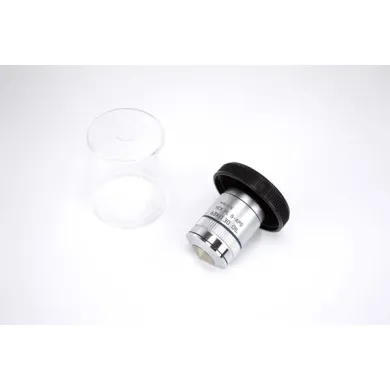

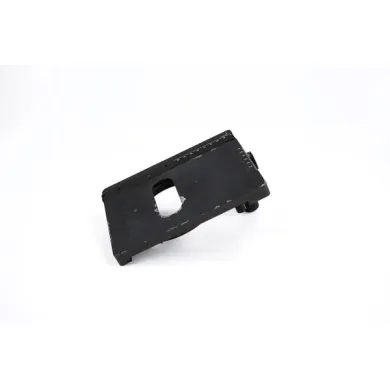
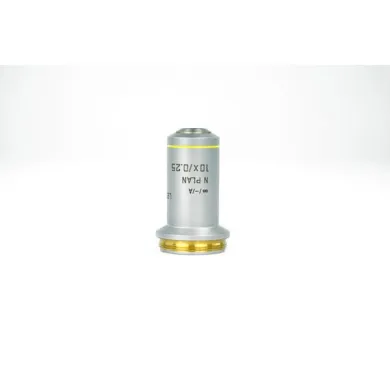
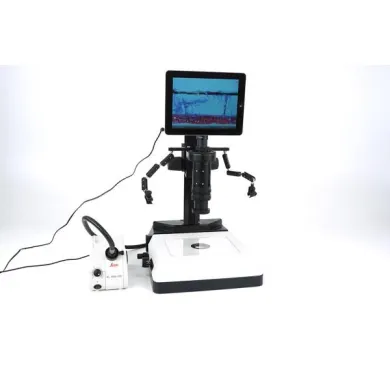
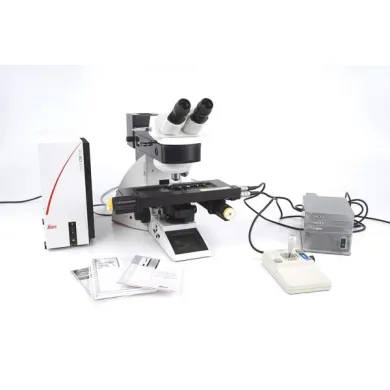
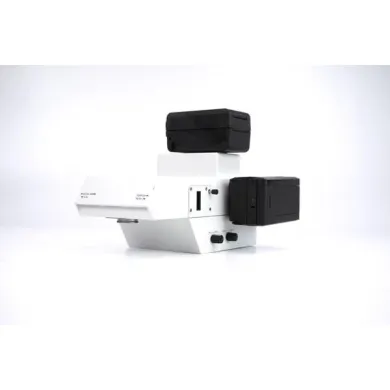
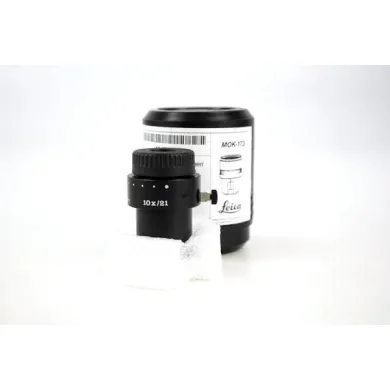
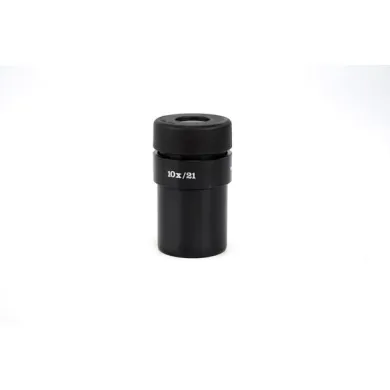
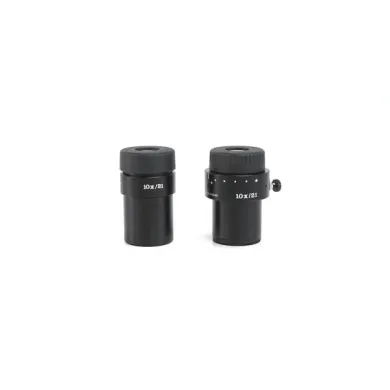
10x/21 Eyepiece Set, 29mm Diameter, Pack of 2
- Category
- Optics
- Brand
- Leica
- Suppliers
- 1 verified
Not the exact instrument you need?
Tell our scientists what you are after. We track it down, including off-market supply.
Showing 1–40 of 1,220 listings
Show 40 more listingsAbout Leica
Leica is a German manufacturer of microscopes and scientific imaging instruments, headquartered in Wetzlar, Germany. The company traces its origins to the Optical Institute founded by Carl Kellner in Wetzlar in 1849, which manufactured microscopes and later passed to Ernst Leitz before being reorganised as Leica Microsystems in 1997. Since July 2005 it has been part of Danaher Corporation. Its output covers optical microscopes, confocal laser scanning microscopes, stereo microscopes, digital microscopes, surgical microscopes, electron microscopy sample preparation, and specimen preparation equipment, together with imaging systems and analysis software. Notable product lines include STELLARIS, THUNDER Imaging Systems, SP8, DMi8, DM6, MICA, LMD, ARveo, Proveo, and the Aivia image analysis software. The instruments span routine laboratory microscopy through to research-grade confocal and super-resolution platforms.
Microscopes are central to several life sciences disciplines, and Leica's confocal and widefield systems are used in cell imaging and fluorescence microscopy where researchers examine the spatial organisation of proteins and organelles inside cells. Confocal laser scanning platforms such as STELLARIS and SP8 support live-cell imaging in cell biology and are also used for colocalisation studies in molecular biology. The LMD laser microdissection line isolates defined regions from a tissue section for downstream genomics and proteomics, a workflow that bridges histology and molecular analysis. Specimen preparation equipment, including microtomes and electron microscopy sample preparation tools, serves histology and ultrastructural research, preparing sections and samples for both light and electron imaging.
Leica product lines on Questpair
The Questpair catalogue reflects the range of instrument classes the company builds. Stereo microscopes appear for dissection, inspection and assembly work, offering low-magnification three-dimensional viewing. Compound optical microscopes cover routine brightfield and phase contrast use in teaching and clinical laboratories. Confocal laser scanning systems, represented by the STELLARIS and SP8 families, sit at the research end, and the THUNDER Imaging Systems bring computational clearing to widefield fluorescence. The DMi8 inverted and DM6 upright stands appear as modular platforms that accept a range of objectives and detectors. Digital microscopes, which combine optics with an integrated camera and screen, show up for industrial and documentation tasks. Where a listing specifies a line, these are the families most often named, though the listed types are drawn from part of the catalogue and are not an exhaustive account of everything available.
How Leica listings break down on Questpair
Questpair lists 1361 Leica items from 21 verified suppliers and distributors across 8 countries. Prices run from EUR 30 to EUR 111.911. The average listing price is around EUR 2.860, which sits far below the maximum because the catalogue mixes small components with complete imaging platforms. 87 percent of the listings are used. For a buyer, that condition profile means the deeper and lower-priced part of the catalogue is second-hand stock, while new units form a smaller group.
Documentation and manuals can be requested through Questpair, where specialists respond within the hour. Parts for Leica instruments can be sourced via Questpair as well, which matters for older stands and objective sets where original components keep an otherwise serviceable system in use. A warranty is often possible and is arranged in consultation for the specific listing, so the terms are set against the individual item rather than applied as a blanket policy. Used and refurbished microscopes are listed below the price of new equivalents, and where the two have to be weighed the deciding detail sits on the listing itself.
Questpair review of Leica
Our take based on listings data and supplier feedback
Leica occupies a distinctive position in the microscopy market, and the Questpair catalogue reflects the breadth that a maker with roots in 1849 Wetzlar has accumulated. For a buyer weighing a Leica purchase, three things stand out: the depth of inventory across instrument classes, the spread of pricing, and the condition mix of what is actually on offer.
The first point is inventory depth. The listings cover a wide span of the company's output, from stereo microscopes used in dissection and quality inspection through to confocal laser scanning platforms built for cell imaging and fluorescence work. Named product lines that appear in the field include the STELLARIS and SP8 confocal families, the THUNDER Imaging Systems, the DMi8 and DM6 stands, and the LMD laser microdissection instruments. For a lab that has standardised on Leica optics, finding a compatible stand, objective or imaging module matters more than headline specifications, and a catalogue of 1361 items from 21 suppliers gives a realistic chance of matching an existing configuration rather than compromising on a near-equivalent.
The second point is price spread. Listings run from EUR 30 at the low end to EUR 111.911 at the top, with an average near EUR 2.860. That range is not an accident of the data; it reflects the fact that a Leica catalogue contains both small accessories and complete research-grade imaging systems. The low end captures spare components, eyepieces and simple stereo units, while the upper figures correspond to confocal and digital imaging platforms that carry significant electronics and software. A buyer should read the average with that structure in mind: the typical transaction sits well below the maximum, and the spread is the spread between a bare part and a fully specified instrument, not a measure of variable quality.
The third point is condition. 87 percent of the listings are used. For microscopy, used stock carries a specific calculus. Optical systems age slowly when stored and handled correctly, and a used confocal or stereo microscope from a verified supplier can serve for years, which is why so much of the market trades second-hand. The practical consequence is that a buyer prepared to accept a used instrument has access to the large majority of the catalogue and the lower prices that come with it, while a buyer who needs new stock works from a smaller pool. Where the two conditions have to be weighed, the deciding factor is usually the individual listing and its documentation rather than any blanket rule, and a warranty is arranged in consultation for the specific listing. Specifications, included accessories and the age of the imaging electronics are what separate a strong used buy from a weak one, and those details sit on the listing itself.
**Deep inventory across microscopy classes**
Questpair lists 1361 Leica items from 21 verified suppliers and distributors across 8 countries, spanning stereo, confocal and digital instruments.
**Price range for every budget**
Listings run from EUR 30 to EUR 111.911, with an average around EUR 2.860, covering bare components through to complete imaging platforms.
**Predominantly used stock below new pricing**
87 percent of the listings are used, priced below their new equivalents and suited to labs replacing or expanding existing setups.
Frequently asked questions
Where can I get the manual or documentation for a Leica microscope?
Contact Questpair for manuals or documentation on a specific Leica listing, and specialists respond within one hour. Because configurations differ between models, the documentation is matched to the exact unit in the listing.
How much does Leica equipment cost?
On Questpair, Leica listings range from EUR 30 to EUR 111.911, with an average of EUR 2.860. The position of any single listing within that range depends on whether it is a single component or a complete imaging system.
What's the difference between refurbished and used Leica units?
Both are offered below the price of new equipment on Questpair. The individual listing states the condition of each unit, so check the entry to see how a refurbished item differs from one described simply as used.
Is there a warranty on Leica microscopes bought here?
A warranty is often possible and is arranged in consultation for the specific listing. The terms depend on the unit and the supplier, so they are settled per listing rather than set centrally.
Are Leica microscopes suitable for clinical and research use?
Leica's confocal, widefield, and inverted research stands such as the STELLARIS, SP8, THUNDER, and DMi8 lines are built for cell and molecular biology research, while the ARveo and Proveo lines are surgical microscopes for clinical use. The specification and objectives of a given unit are confirmed in its individual listing.
How long does a Leica microscope last?
Optical microscope stands and their optics are durable and commonly remain in service for many years, which is why a used segment exists on Questpair. Imaging electronics, light sources, and software tied to confocal and digital systems age faster than the mechanical stand.
Can I still get parts for Leica instruments?
Parts for Leica equipment can be sourced via Questpair. Availability for a specific model depends on the live inventory, so contact Questpair with the model and the part you need.
What are good alternatives to Leica microscopes?
Other manufacturers of optical, confocal, and stereo microscopes cover comparable categories, and the right comparison depends on whether you need confocal imaging, an inverted research stand, or a stereo inspection scope. Match the alternative to the imaging task and configuration the Leica listing you are weighing was built for.
How long is the lead time on a Leica order?
Lead time depends on the individual supplier and whether the unit is in stock or built to a configuration. The listing and the supplier handling it are where the timeframe for a specific item is confirmed.
What's the difference between parts and spares for Leica equipment?
The terms are used interchangeably for replacement components such as objectives, light sources, or stage parts. All of these can be sourced via Questpair based on the model you specify.
Can Leica equipment be shipped internationally?
Leica listings on Questpair come from verified suppliers and distributors across 8 countries, so cross-border shipping is common. The supplier on a given listing confirms the shipping arrangement for your destination.
Which Leica product lines are there and how do they differ?
STELLARIS and SP8 are confocal laser scanning platforms, THUNDER Imaging Systems handle widefield imaging of thicker specimens, the DMi8 is an inverted research stand and the DM6 an upright one. The LMD line performs laser microdissection, MICA is an imaging microhub, Aivia is image analysis software, and ARveo and Proveo are surgical microscopes.
Which types of Leica instruments are listed here and in what condition?
The Leica listings on Questpair include optical microscopes, research microscopes, fluorescence microscopes, inverted microscopes, binocular microscopes, and microscope accessories. Of these, 87 percent are used and the remainder new, with each listing stating the condition of the individual unit.
Why do some Leica listings cost so much more than others?
The cheapest listings tend to be single items such as an objective, an accessory, or a used stereo head, while the most expensive are complete confocal imaging systems with their electronics and software. Condition also separates them, since used and refurbished units are priced below new ones of a comparable configuration.
About Questpair
Questpair is the European marketplace for lab equipment, where AI-prepared cases and personal specialists guide every purchase. We work with 247 verified suppliers across 38 countries to find buyers the right new, used or refurbished instruments, with response within 1 hour and significant savings vs buying new.
Personal · Fast · Reliable · Affordable