
Zeiss equipment
We personally find you the right new, used & refurbished Zeiss instruments & equipment from verified suppliers
Zeiss is a German manufacturer of optical systems and optoelectronics, founded by Carl Zeiss in 1846 as a workshop for precision mechanics and optics in Jena, Germany. The company is headquartered in Oberkochen and is wholly owned by the Carl-Zeiss-Stiftung. Its product range covers light microscopy, confocal and electron microscopy, X-ray microscopy, coordinate measuring machines, ophthalmic diagnostic equipment, and semiconductor lithography optics, with lines including Axio, LSM, GeminiSEM, and Xradia. On Questpair, 1123 Zeiss listings are available from 17 verified suppliers and distributors across 7 countries.
Updated:
Zeiss product list
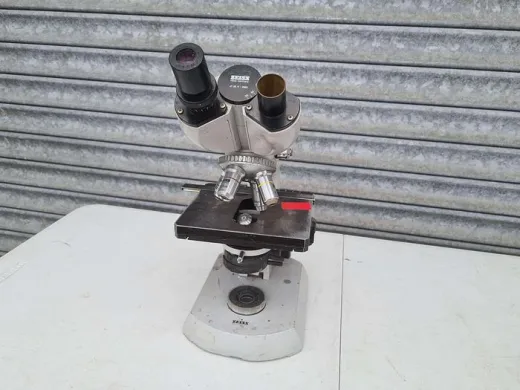
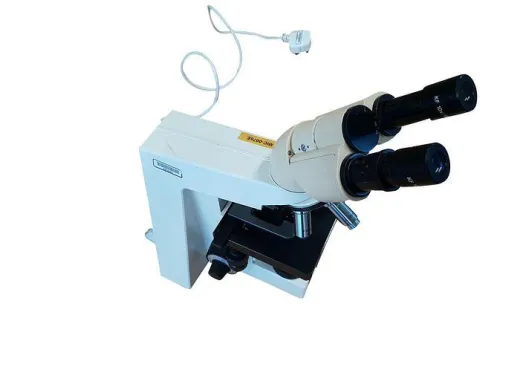
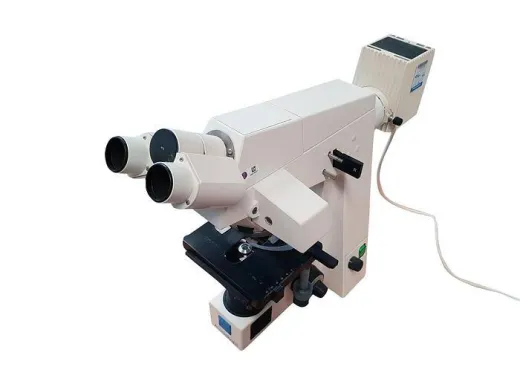
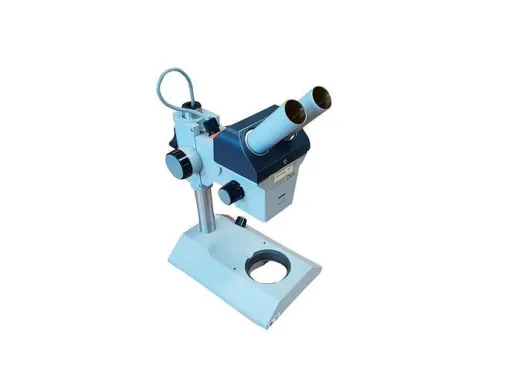


Not the exact instrument you need?
Tell our scientists what you are after. We track it down, including off-market supply.
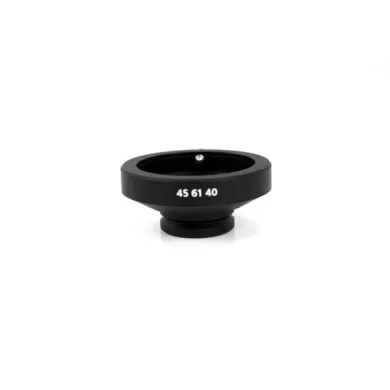
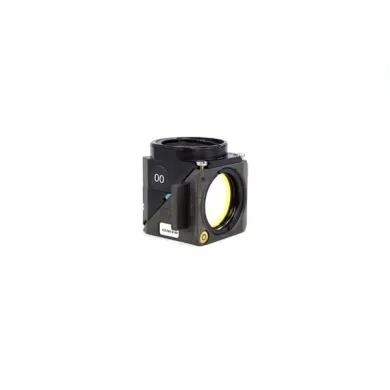
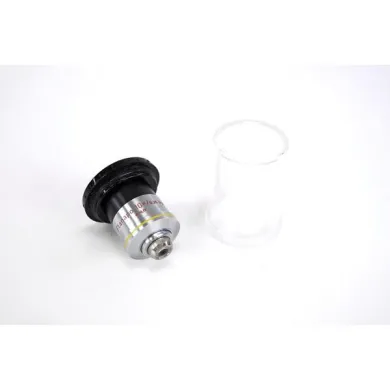
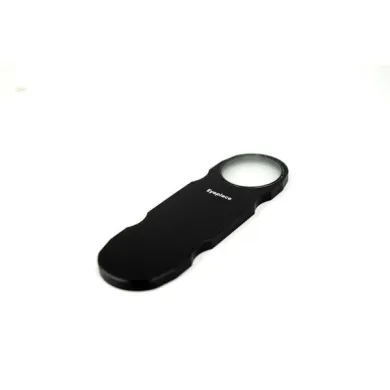
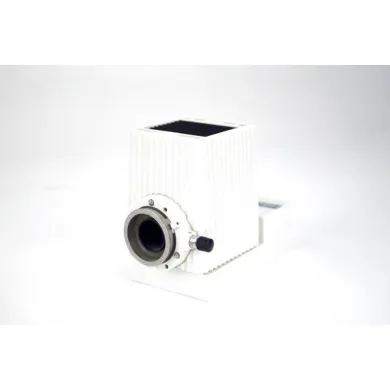
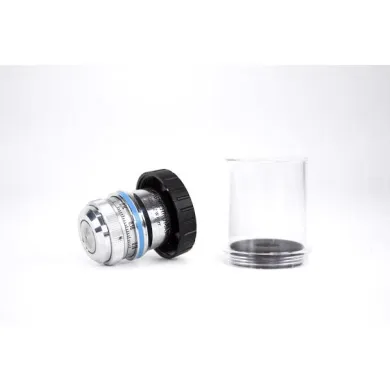
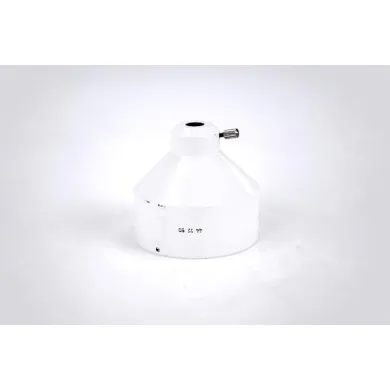
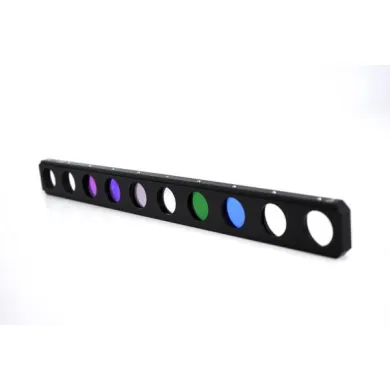
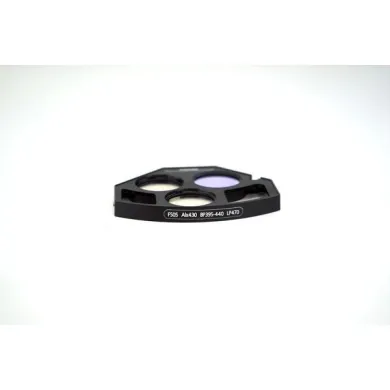
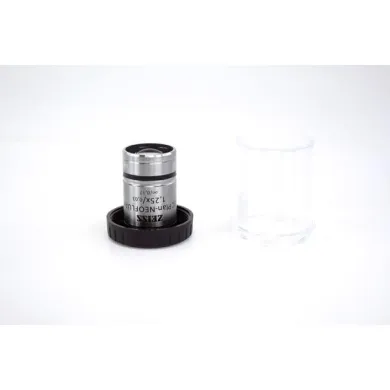
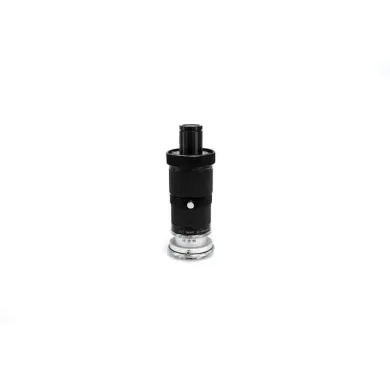
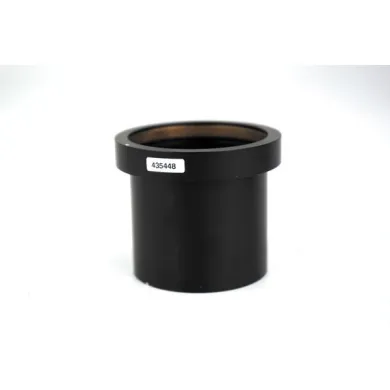
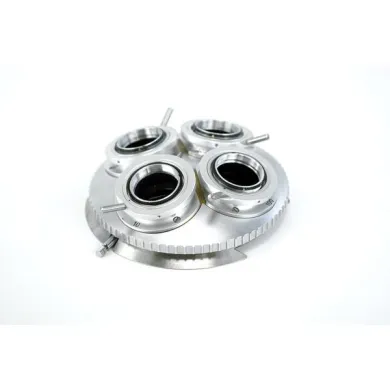
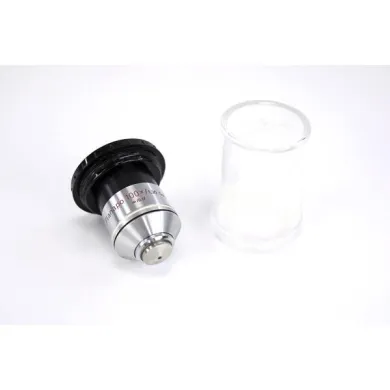
Not the exact instrument you need?
Tell our scientists what you are after. We track it down, including off-market supply.
Showing 1–40 of 1,134 listings
Show 40 more listingsAbout Zeiss
Zeiss, formally Carl Zeiss, is a German manufacturer of optical systems and optoelectronics founded by Carl Zeiss in 1846 as a workshop for precision mechanics and optics in Jena, Germany. The company is headquartered in Oberkochen, Germany, and is wholly owned by the Carl-Zeiss-Stiftung, a foundation structure that has held the firm for well over a century. Its work spans light, confocal, electron, and X-ray microscopy, coordinate measuring machines, medical imaging and ophthalmic diagnostic equipment, semiconductor lithography optics, and industrial metrology. In the laboratory and life sciences setting, Zeiss is best known for its microscopy platforms, which are used across cell biology, molecular biology, and histology. The catalogue on Questpair carries 1123 Zeiss listings from 17 verified suppliers and distributors across 7 countries. These range from single optical components to complete imaging instruments.
Zeiss microscopy product lines
The microscope range is grouped by technique. The Axio family, comprising Observer, Imager, and Zoom configurations, covers widefield light microscopy for routine and research cell imaging. The LSM series, including the LSM 900, LSM 910, and LSM 990, provides laser scanning confocal microscopy for optical sectioning. Confocal microscopy is the standard approach for fluorescence imaging in molecular biology, where it resolves labelled structures within cells and tissues that widefield cannot separate cleanly.
Above the confocal range sit the specialised imaging platforms. The Elyra 7 performs super-resolution microscopy, pushing past the diffraction limit for the fine structural detail that cell imaging in synthetic biology and subcellular localisation studies depends on. The Lightsheet 7 does light-sheet fluorescence microscopy, which images large live samples and cleared tissues with low photo-damage, work that supports developmental biology and whole-organ imaging. The Celldiscoverer 7 and Axioscan 7 serve automated screening and slide scanning, the latter used for digital pathology and histology slide digitisation. On the electron and X-ray side, the GeminiSEM and Crossbeam platforms carry out scanning electron microscopy, and the Xradia line does X-ray microscopy for non-destructive internal imaging. These electron and X-ray systems are also used for materials characterisation in biomanufacturing and for structural analysis in proteomics and genomics support work. The ZEN software runs across the range as the common acquisition and analysis environment.
Taken together, these families make Zeiss microscopy a presence across imaging-heavy life science fields: cell culture monitoring, immunoassay readout, protein localisation, and the cell imaging that underpins gene editing and molecular diagnostics workflows. A slide scanner for histology and a confocal system for molecular biology sit in the same catalogue and share the same software, which is part of why the brand is encountered across so many lab types.
What Zeiss equipment is listed on Questpair?
Of the Zeiss listings, 86 percent are used. Used and refurbished units are offered at lower prices than new. Prices run from EUR 17 to EUR 116.619. The lower figures cover individual optics, objectives, eyepieces, and stands, while the higher figures cover complete confocal, electron, and X-ray imaging systems in full configuration. The average listing sits at EUR 3.080.
The listings come from 17 verified suppliers and distributors in 7 countries. Where a buyer needs a manual or documentation for a specific instrument, Questpair specialists respond within one hour. Parts can be sourced via Questpair. A warranty is often possible and is arranged in consultation for the specific listing, so the terms on a used body and a new one are best compared on the listings themselves rather than assumed in advance.
Questpair review of Zeiss
Our take based on listings data and supplier feedback
Zeiss occupies an unusual position among laboratory equipment makers because it covers the full span of imaging scales from a single supplier. A lab that starts with a routine light microscope and later needs confocal, super-resolution, or electron imaging can stay inside one optical and software environment rather than stitching together instruments from several vendors. This breadth is the first thing worth evaluating when weighing a Zeiss purchase, and it shows in the catalogue listing structure.
The microscopy range is organised into distinct families. The Axio line covers widefield light microscopy for cell imaging and routine work, with the Observer, Imager, and Zoom configurations serving inverted, upright, and stereo applications. The LSM series, including the LSM 900, LSM 910, and LSM 990, handles laser scanning confocal microscopy, the standard technique for optical sectioning in molecular biology and cell biology. Above that sit the Elyra 7 for super-resolution, the Lightsheet 7 for fast volumetric imaging of live samples, and the GeminiSEM and Crossbeam platforms for scanning electron microscopy. The Xradia family extends into X-ray microscopy for non-destructive internal imaging. The ZEN software ties these together, which matters for a buyer because protocols and image data move more readily between instruments that share an acquisition platform.
On Questpair the condition breakdown is the second point of substance. Of the Zeiss listings, 86 percent are used. Used and refurbished units are listed at lower prices than new, and for established platforms such as the Axio stands and the earlier LSM confocal systems this opens access to instruments that hold their optical performance well over a long service life. Zeiss objectives and stands are built to a standard that keeps older units useful, so the depth of the used market is a genuine advantage rather than a compromise. Warranty on any individual unit is arranged in consultation for that specific listing, so a buyer comparing a used body against a new one should weigh the listing terms directly rather than assume a fixed difference beyond price.
The price spread is the third consideration. Listings range from EUR 17 to EUR 116.619. The lower end reflects individual optical components, eyepieces, objectives, and accessories, while the upper end covers complete confocal, electron, and X-ray imaging systems with their full configuration. The average listing sits at EUR 3.080. For a buyer this means the catalogue serves both the lab topping up a component inventory and the group acquiring a full imaging platform, and the two needs are met from the same 17 verified suppliers and distributors.
Where this review stops short of a ranking is on application fit. A confocal system suited to fixed-sample immunofluorescence is not the same instrument a group needs for live-cell lightsheet work, and the right choice depends on the sample, the fluorophores, and the throughput. The catalogue makes the families easy to compare, but the specification that matters is on the individual listing.
**Imaging depth across the microscopy range**
Zeiss builds light, confocal, electron, and X-ray microscopes under one roof, so a lab moving from routine brightfield to super-resolution can stay within a single optical and software ecosystem.
**A deep used market**
Of the Zeiss listings on Questpair, 86 percent are used, giving buyers access to established platforms such as the Axio and LSM lines well below new pricing.
**Price spread covering accessories to complete systems**
Zeiss listings run from EUR 17 to EUR 116.619, so the catalogue holds both individual optical components and fully configured confocal or electron imaging instruments.
Frequently asked questions
Where can I find manuals and documentation for a specific Zeiss instrument?
Contact Questpair with the model you are looking at and specialists respond within one hour. Documentation needs tend to be instrument-specific, so naming the exact listing or model number helps match the right manual.
How much does Zeiss equipment cost?
Across the Questpair listings, prices range from EUR 17 to EUR 116.619, with the average at EUR 3.080. Individual optics, objectives, and stands sit at the lower end, while complete confocal, electron, and X-ray imaging systems account for the higher figures.
What's the difference between refurbished and used Zeiss units?
Both are offered below the price of new equipment on Questpair. The condition and any reconditioning done are described per listing, so compare the specific units rather than assuming a fixed difference between the two labels.
Is there a warranty on Zeiss equipment bought here?
A warranty is often possible and is arranged in consultation for the specific listing. Because terms vary between a used body and a new one, compare them on the individual listings rather than assuming in advance.
Is Zeiss equipment suitable for clinical and research use?
Zeiss microscopy platforms are used across cell biology, molecular biology, and histology, and the Axioscan 7 serves digital pathology and slide digitisation. The confocal LSM series and super-resolution Elyra 7 support research imaging, while the catalogue also carries the optics and objectives those systems depend on.
How long does Zeiss lab equipment last?
Lifespan depends on the instrument class and how heavily it has been used, and Zeiss optical and microscopy systems are built for extended laboratory service. The condition of any used or refurbished unit is described per listing, which is the best guide to remaining service life.
Can I get parts for Zeiss instruments?
Parts can be sourced via Questpair. Give the model and the component you need so the request can be matched to available stock.
What are good alternatives to Zeiss microscopes?
The alternative depends on the technique you need: widefield light microscopy, laser scanning confocal, super-resolution, light-sheet, scanning electron, or X-ray imaging each have different makers. Decide which Zeiss line matches your application first, for example the LSM series for confocal or the GeminiSEM for electron work, then compare instruments in that same class on Questpair.
What's the lead time on a Zeiss order?
Lead time depends on the individual listing and the supplier holding it, since stock is spread across 17 verified suppliers and distributors in 7 countries. Contact Questpair with the listing you want for the timing on that specific unit.
What's the difference between a part and a spare for Zeiss equipment?
In practice both refer to the same thing: a component used to repair or replace a part of an instrument, whether an objective, a stage, or an optic. Parts and spares can be sourced via Questpair when you specify the model and the component.
Can Zeiss equipment be shipped internationally?
The listings come from verified suppliers and distributors across 7 countries, so cross-border shipping is part of how the catalogue operates. Shipping arrangements are handled per listing, so confirm the details for the specific unit and destination.
Which product lines does Zeiss make and how do they differ?
The Axio family (Observer, Imager, Zoom) covers widefield light microscopy, while the LSM series (LSM 900, LSM 910, LSM 990) does laser scanning confocal for optical sectioning. Above these sit the Elyra 7 for super-resolution, the Lightsheet 7 for light-sheet imaging of large live samples, and the Celldiscoverer 7 and Axioscan 7 for automated screening and slide scanning; on the electron and X-ray side, GeminiSEM and Crossbeam handle scanning electron microscopy and the Xradia line does X-ray microscopy, all running the shared ZEN software.
Which types of Zeiss instruments are actually listed here, and in what condition?
The catalogue covers optical microscopes, microscope objective lenses, fluorescence microscopes, research microscopes, and laboratory microscopes, from single optical components to complete imaging systems. Of the Zeiss listings, 86 percent are used, with used and refurbished units priced below new and each unit's condition described on its own listing.
What separates the cheapest Zeiss listings from the most expensive?
The lowest figures cover individual optics, objectives, eyepieces, and stands, while the highest cover complete confocal, electron, and X-ray imaging systems in full configuration. Prices run from EUR 17 to EUR 116.619 across the catalogue, with condition and whether a unit is new or used also affecting where a listing falls in that range.
About Questpair
Questpair is the European marketplace for lab equipment, where AI-prepared cases and personal specialists guide every purchase. We work with 247 verified suppliers across 38 countries to find buyers the right new, used or refurbished instruments, with response within 1 hour and significant savings vs buying new.
Personal · Fast · Reliable · Affordable