
Motic equipment
We personally find you the right new, used & refurbished Motic instruments & equipment from verified suppliers
Motic is a Chinese optical and digital microscope manufacturer founded in 1988 in Hong Kong by Speed Fair Co. Ltd, which began as a hi-tech enterprise specializing in conventional compound microscope manufacturing. The company is listed on the Shenzhen Stock Exchange under stock code 300341 and operates an international headquarters in Hong Kong alongside its manufacturing base in China. Its range covers compound, stereo, inverted, polarizing and metallurgical microscopes, together with the Moticam digital camera line and microscope imaging software. On Questpair, Motic microscopes are offered by verified suppliers and distributors across multiple countries.
Updated:
Motic product list


Not the exact instrument you need?
Tell our scientists what you are after. We track it down, including off-market supply.

Not the exact instrument you need?
Tell our scientists what you are after. We track it down, including off-market supply.
Showing 1–40 of 352 listings
Show 40 more listingsAbout Motic
Motic is a Chinese optical and digital microscope manufacturer founded in 1988 by Speed Fair Co. Ltd, which began as a hi-tech enterprise specializing in conventional compound microscope manufacturing. The company maintains an international headquarters in Hong Kong and a manufacturing headquarters in China. It is listed on the Shenzhen Stock Exchange under stock code 300341. The product range covers compound microscopes, stereo microscopes, inverted microscopes, polarizing microscopes and metallurgical microscopes, together with digital microscope cameras and imaging software. Notable lines include the Moticam camera series, the BA Series stands, the Panthera series, the AE2000 inverted range, the SMZ stereo series and the Swift and RedLine lines. On Questpair, Motic equipment is offered by verified suppliers and distributors across several countries.
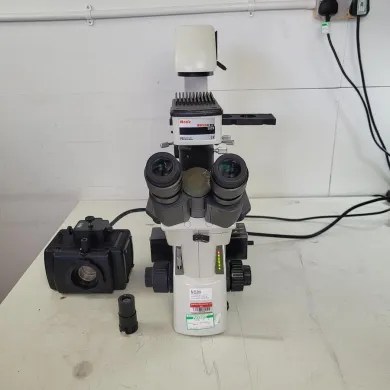
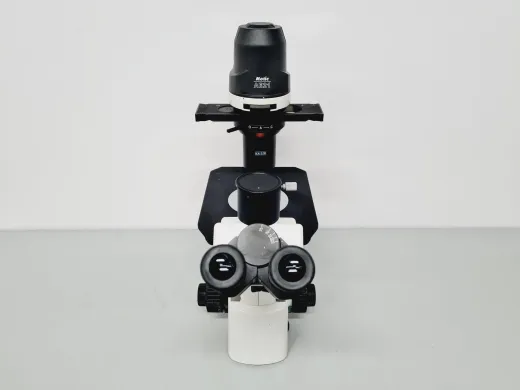
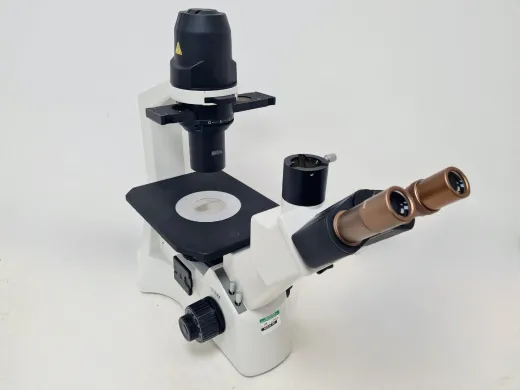
Microscopy is the field these instruments serve, and Motic supplies tools across most of its routine and research branches. Compound microscopes do brightfield and, with the right optics, phase contrast and fluorescence work in cell biology and microbiology. The BA Series and Panthera stands are built for histology and pathology, where thin stained sections are read at high magnification. Inverted microscopes such as the AE2000 range are used for cell culture, where cells are observed through the base of a vessel without disturbing the culture. These stands are also used for live-cell imaging and for routine checks during cell line maintenance. Polarizing and metallurgical microscopes serve materials analysis rather than life science, reading crystalline structure and metal surfaces in reflected light.
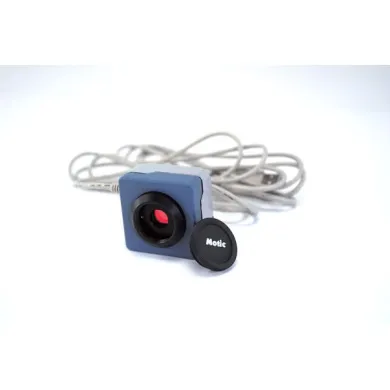
The imaging side connects this microscopy to digital work. The Moticam cameras and imaging software turn an eyepiece observation into a measured, recorded image, which is the basis for quantitative microscopy in molecular diagnostics and in proteomics and genomics laboratories that document cell and tissue samples. A microscope camera for cell imaging, paired with analysis software, lets a laboratory count, measure and archive what it sees under the stand. This matters in histology and immunoassay workflows, where a stained slide is both read by eye and captured for the record.
Motic microscope lines on the marketplace
The Questpair catalogue carries Motic across its main categories. The compound stands appear most often, with the BA210, BA310 and BA410E models from the BA Series among the recurring entries, alongside the research-oriented Panthera series. Stereo microscopes from the SMZ range are listed for dissection, inspection and assembly work, where a three-dimensional view at lower magnification is needed. Inverted AE2000 stands appear for cell culture applications. The Moticam camera line and its software show up both as standalone items and bundled with stands. The Swift Line and RedLine entries round out the lower and mid tiers. Not every category is populated at all times, and the mix shifts as verified suppliers and distributors add and sell stock, so the catalogue is best read as it stands rather than as a fixed list.
How Motic stock breaks down on Questpair
Used instruments account for 64 percent of the Motic listings. Prices range from EUR 31 to EUR 22.305, with an average of EUR 2.266. That spread reflects the gap between simple compound stands and fully configured imaging systems. Used units are listed below new ones, which is the main reason to weigh a used purchase against a new one; where warranty matters it is arranged in consultation for the specific listing. Parts can be sourced via Questpair, and documentation requests reach Questpair specialists, who respond within one hour. Where a particular Motic model is not currently listed, the catalogue changes as suppliers add stock.
Questpair review of Motic
Our take based on listings data and supplier feedback
Motic occupies a practical middle ground in the microscopy market, and its presence on Questpair reflects that position. The catalogue draws together compound stands, stereo microscopes, inverted microscopes and digital imaging hardware under one maker, which matters for buyers assembling a workflow rather than a single purchase. The three points below describe what the listings actually show.
The first point is the spread of prices. Motic instruments on Questpair run from EUR 31 to EUR 22.305. That range is wide because it covers very different classes of instrument. At the lower end sit simple compound stands and accessories suitable for teaching and routine observation; at the upper end sit configured research microscopes with imaging attached. The average listing price sits at EUR 2.266, which places the bulk of the catalogue well below the maximum. For a buyer with a fixed budget, this breadth means the brand is worth checking across several categories rather than assuming a single tier.
The second point is condition. Used instruments make up 64 percent of the Motic listings. A used microscope is a sensible purchase in this class because the optical and mechanical core of a stand ages slowly, and a well-kept compound or stereo instrument performs to its original specification for many years. Used units are listed at lower prices than new ones, which is the clearest reason to consider them. Where condition and documentation matter for a particular unit, the individual listing is the place to check, and warranty on Questpair is arranged in consultation for the specific listing rather than applied as a blanket term.
The third point is the integration of optics and imaging. Motic makes both the microscope stands and the Moticam camera series, along with its own imaging software. This single-source arrangement removes a common source of friction, because camera, stand and software are designed to work together rather than bridged with third-party adapters. For a laboratory moving from eyepiece observation to digital capture, documentation or measurement, the ability to source stand and camera from the same maker simplifies the build. The BA Series and Panthera stands are the research-oriented lines where this pairing is most relevant, while the stereo SMZ range and the AE2000 inverted stands serve inspection and cell work respectively.
Taken together, the Motic catalogue on Questpair suits buyers who want functional, well-specified instruments without paying for a premium research brand. The verified suppliers and distributors listing these units span several countries, which widens the pool of available configurations. Parts can be sourced via Questpair where a specific component is needed, and documentation requests are handled by Questpair specialists. The brand rewards a buyer who knows which category they need and is willing to compare used and new options within it.
**Broad price range across the catalogue**
Motic microscopes on Questpair span from EUR 31 to EUR 22.305, covering simple compound stands through advanced imaging configurations.
**Strong supply of used units**
Of the Motic listings, 64 percent are used, giving buyers access to instruments at prices below new equivalents.
**Imaging and optics from one maker**
Motic produces both microscope stands and the Moticam camera and imaging software line, so stand and digital capture come from a single manufacturer.
Frequently asked questions
Where can I find manuals and documentation for Motic microscopes?
Documentation for a specific Motic model can be requested through Questpair, where specialists respond within one hour. Give the model number, such as a BA310 or AE2000, so the right material can be matched to your unit.
How much does a Motic microscope cost?
Listings range from EUR 31 to EUR 22.305, with an average of EUR 2.266. The low end covers accessories, Moticam cameras and entry scopes, while the high end is complete clinical and research configurations with objectives and illumination included.
What is the difference between refurbished and used Motic units?
Both used and refurbished units are listed below the price of new equipment. Condition is described per listing, so check the individual entry for what work, if any, has been done to the body and optics.
Does a Motic microscope come with a warranty?
A warranty is often possible and is arranged in consultation for the specific listing rather than fixed across the catalogue. This applies to both new and used units, so confirm the terms on the listing you are considering.
Are Motic microscopes suitable for clinical and research use?
The BA Series and Panthera compound stands carry the magnification used in routine diagnostic and research microscopy, and the AE2000 inverted line is built for cell culture work. Complete clinical and research configurations appear at the upper end of the price range with objectives and illumination in place.
How long does a Motic microscope last?
Optical microscope stands remain usable for many years when mechanics and optics are maintained, which is why established lines such as the BA Series and AE2000 appear secondhand in volume. Lifespan in practice depends on usage and on the condition described in each listing.
Can I get parts for an older Motic stand?
Parts for older Motic stands can be sourced via Questpair. Provide the series and model so the request can be matched to the right components, such as objectives or illumination for a BA210 or BA310.
What are the alternatives to Motic microscopes?
The alternative depends on the category. For upright compound work the comparison is with other brightfield lab microscopes, for the AE2000 it is other inverted stands used in cell culture, and for Moticam cameras it is other trinocular-port imaging systems. The Questpair catalogue lets you compare these within the class you need.
What is the lead time on a Motic order?
Lead time depends on whether the item is in stock with the supplier and on its location, since listings come from 8 verified suppliers and distributors across 6 countries. The availability on a specific listing is the fastest way to confirm timing.
What is the difference between parts and spares for Motic equipment?
The terms are used interchangeably for the components that keep a stand working, such as objectives, stages, condensers and illumination. Both can be sourced via Questpair when matched to a specific model.
Do Motic microscopes ship internationally?
Stock is offered by verified suppliers and distributors across 6 countries, so cross-border supply is possible. Shipping terms are set per listing, so check the entry for the unit you want.
Which Motic product lines are there and how do they differ?
The BA Series (BA210, BA310, BA410E) and Panthera are upright compound stands for brightfield work; the AE2000 is the inverted line for cell culture; the SMZ series is the low-power stereo line for dissection and inspection. Moticam cameras and imaging software form the digital half, while polarizing and metallurgical configurations and the entry-level Swift Line and RedLine round out the range.
Which Motic instrument types are listed here and in what condition?
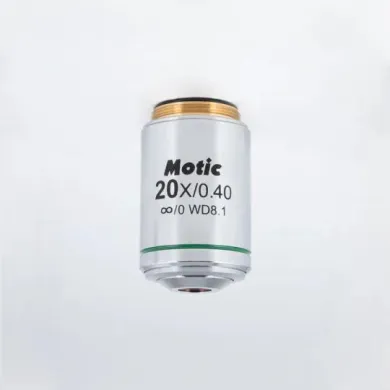
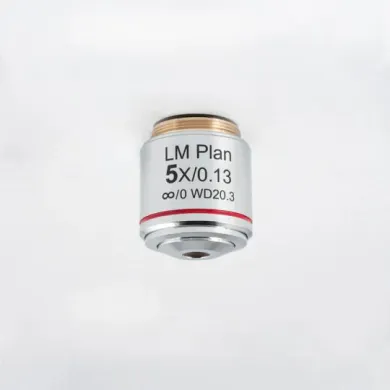
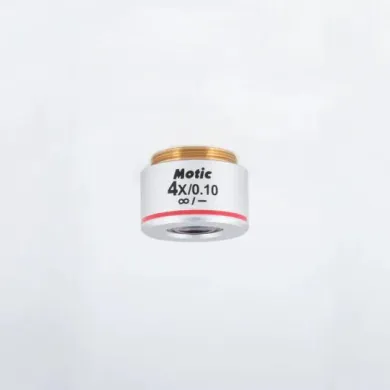
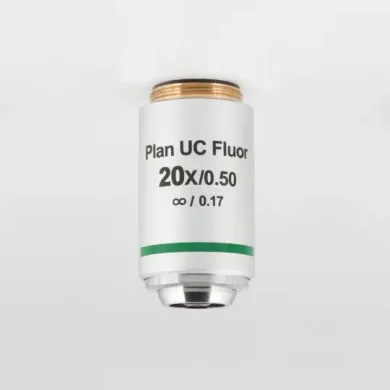
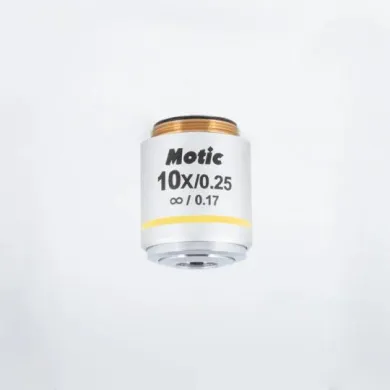
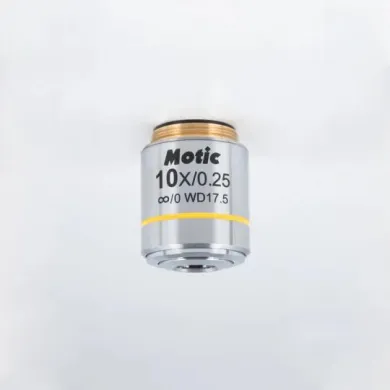
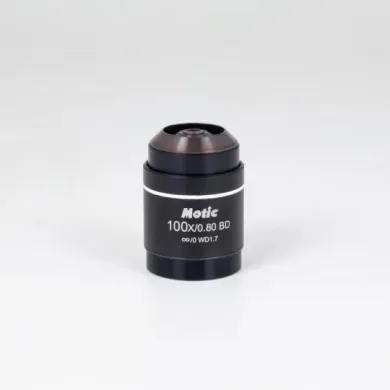
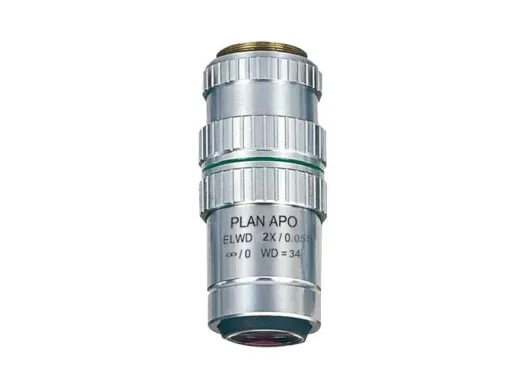
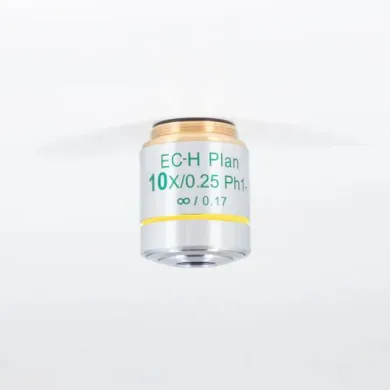
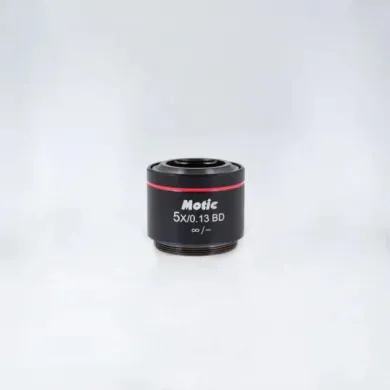
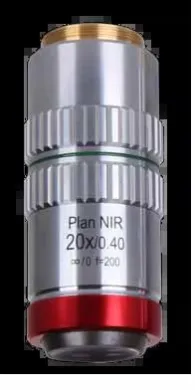
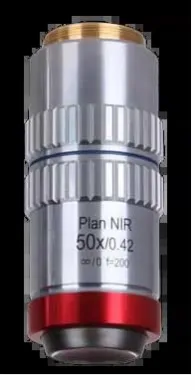
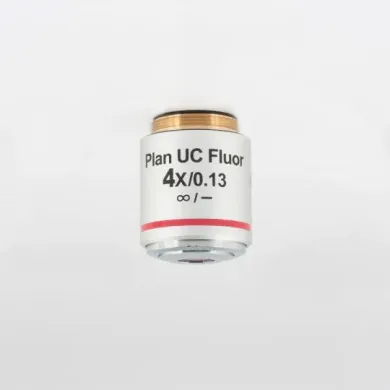
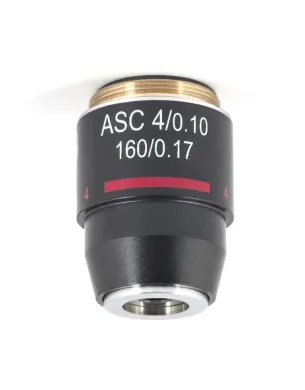
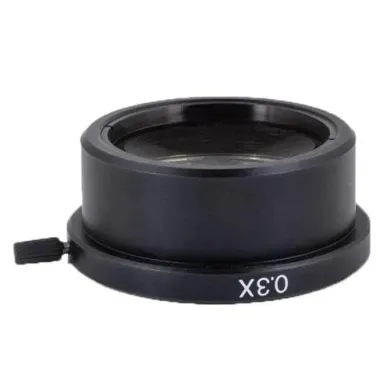
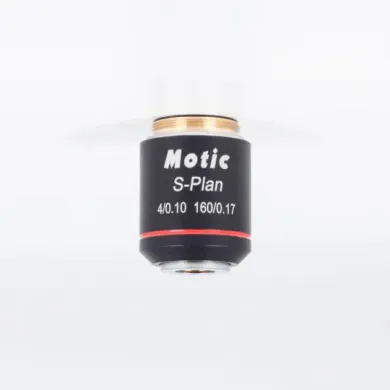
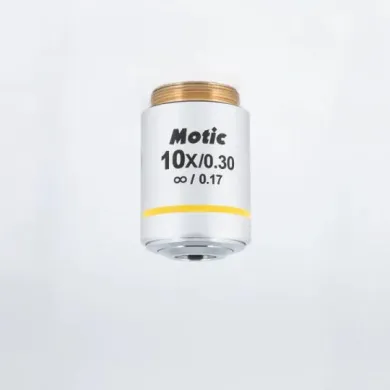
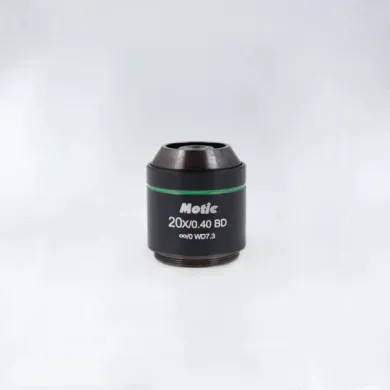
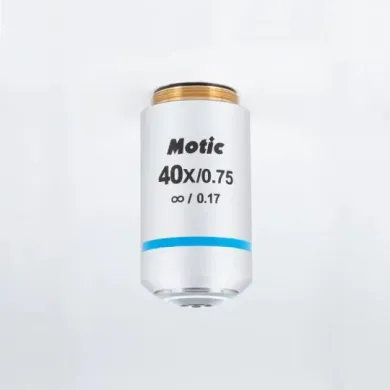
Listed types include trinocular microscopes, optical microscopes, upright microscopes, microscope objective lenses, plan achromatic objectives and infinity-corrected objectives. Across the brand, 64 percent are used, with the balance new; condition is stated on each listing.
What separates the cheapest Motic listings from the most expensive?
The low figures are accessories, Moticam cameras and entry scopes from lines such as the Swift Line and RedLine. The high figures are complete research and clinical stands with objectives and illumination in place, which is why the span from EUR 31 to EUR 22.305 is wide.
About Questpair
Questpair is the European marketplace for lab equipment, where AI-prepared cases and personal specialists guide every purchase. We work with 247 verified suppliers across 38 countries to find buyers the right new, used or refurbished instruments, with response within 1 hour and significant savings vs buying new.
Personal · Fast · Reliable · Affordable