
Nikon equipment
We personally find you the right new, used & refurbished Nikon instruments & equipment from verified suppliers
Nikon is a Japanese optical and precision equipment manufacturer whose product range includes microscopes and imaging systems for laboratory and life sciences use. The company was incorporated on July 25, 1917 as Nippon Kogaku Kogyo K.K., formed through the merger of three optical manufacturers in Tokyo, and was renamed Nikon Corporation in 1988. Its catalogue covers upright, inverted, stereo, confocal and super-resolution microscopes, along with microscope cameras and NIS-Elements imaging software. On Questpair, 1280 Nikon items are listed by 17 verified suppliers and distributors.
Updated:
Nikon product list
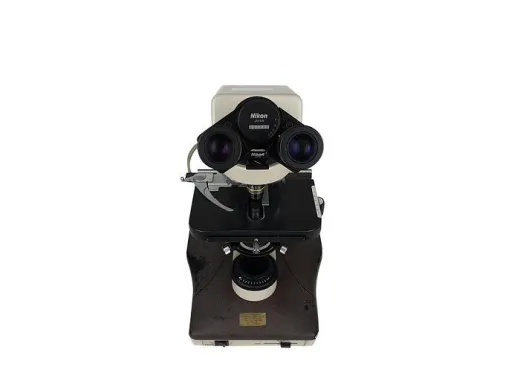
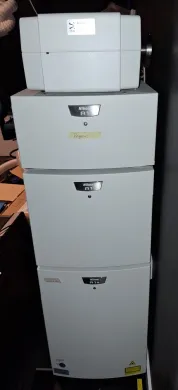
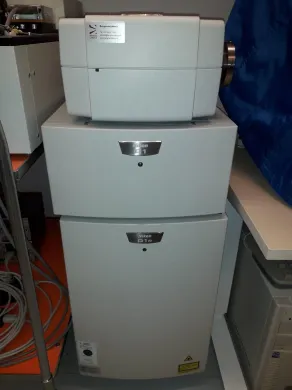
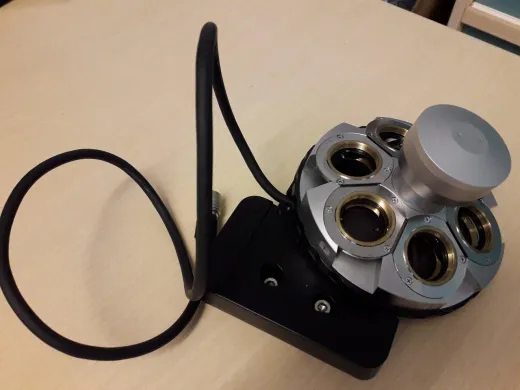


Not the exact instrument you need?
Tell our scientists what you are after. We track it down, including off-market supply.
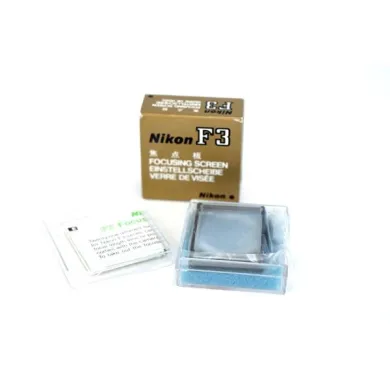
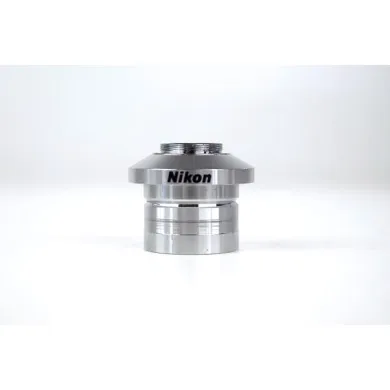
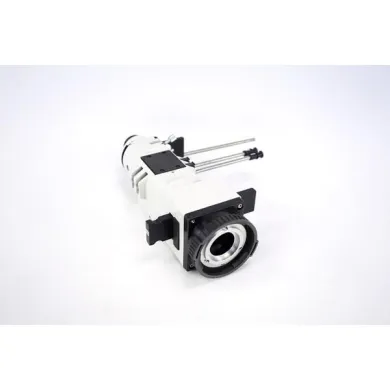
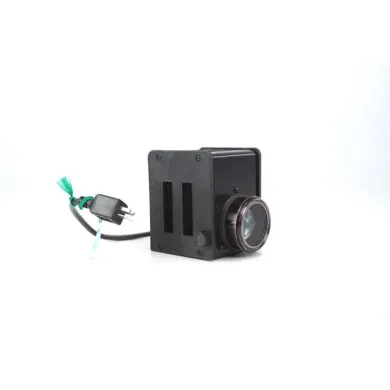
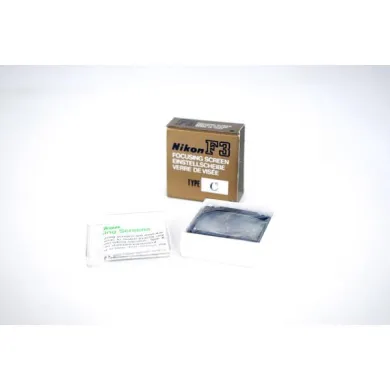
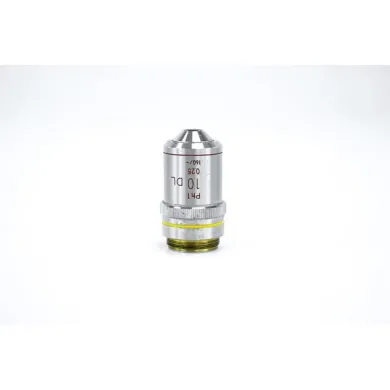
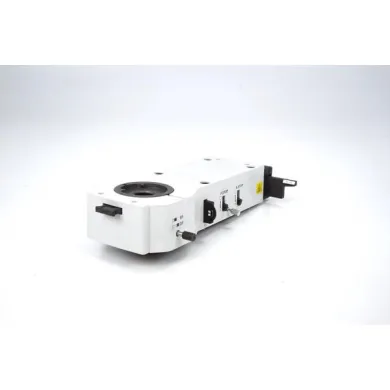
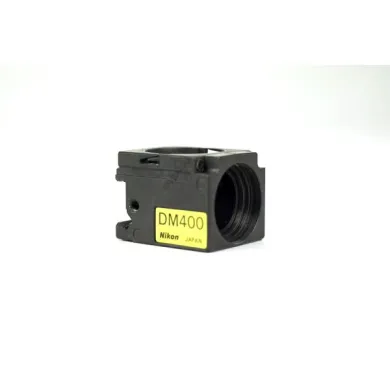
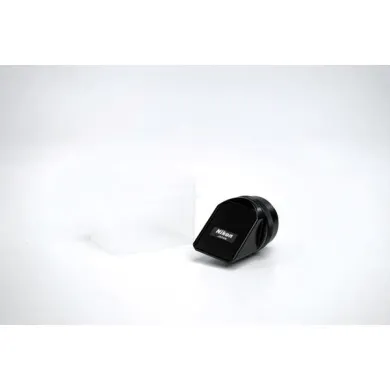
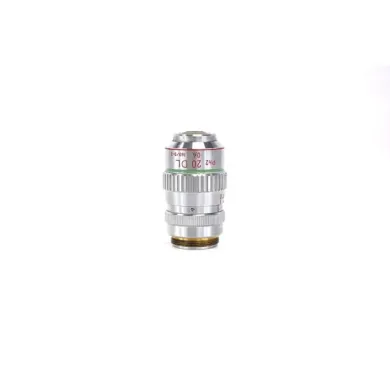
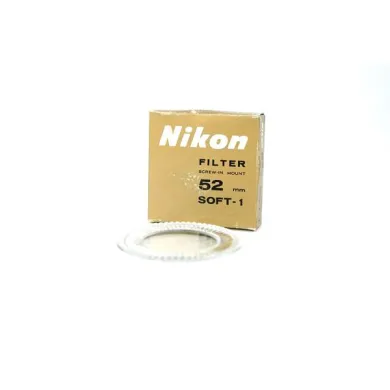
52mm Soft-1 Filter
- Category
- General laboratory equipment other
- Brand
- Nikon
- Suppliers
- 1 verified
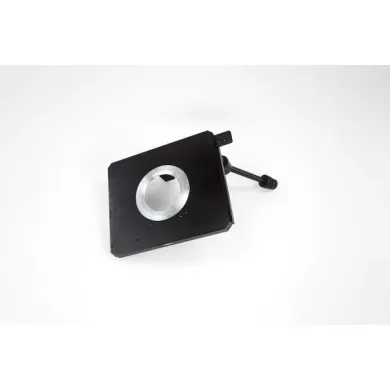
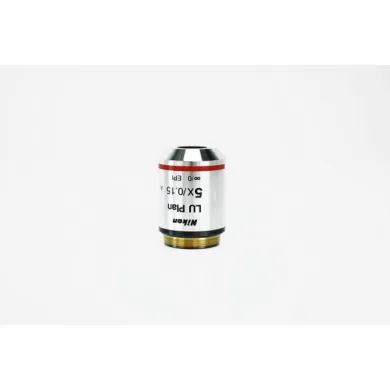
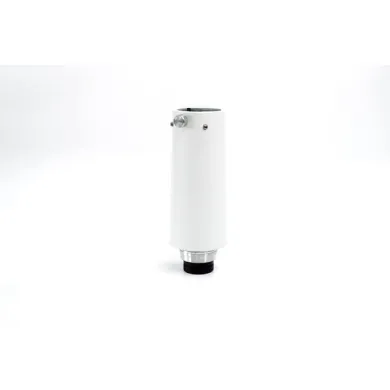
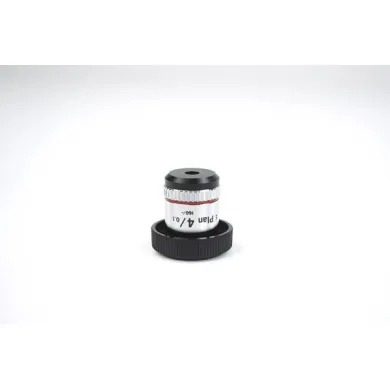
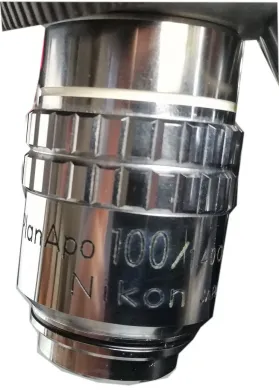
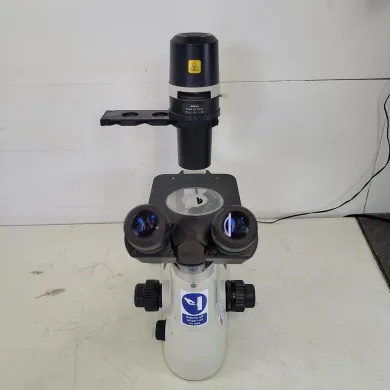
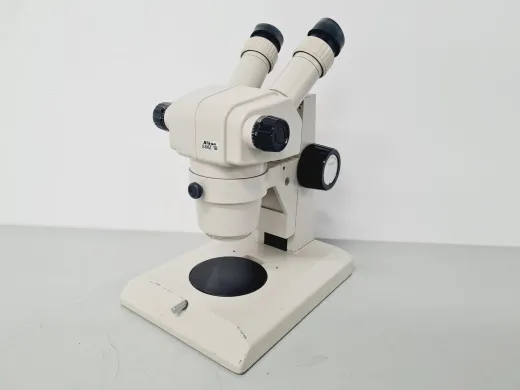
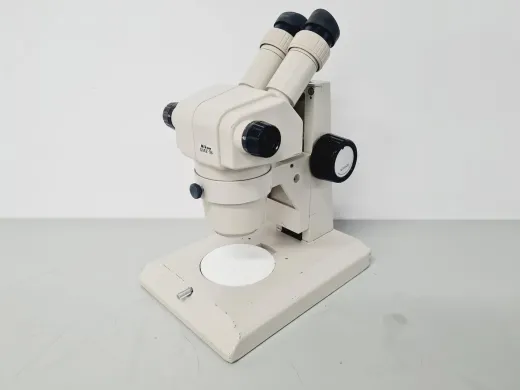
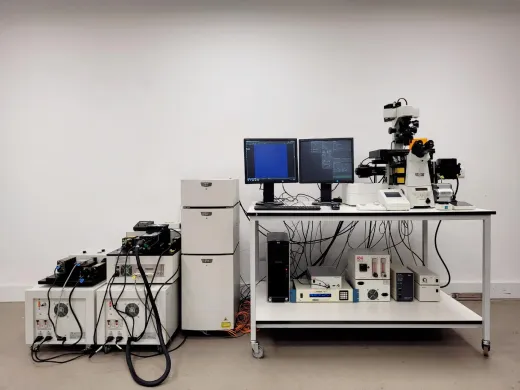
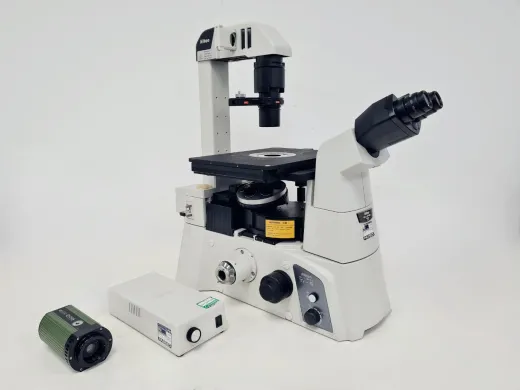
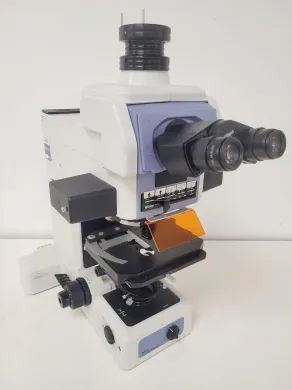
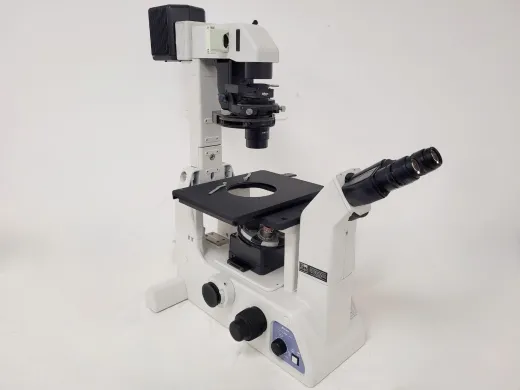
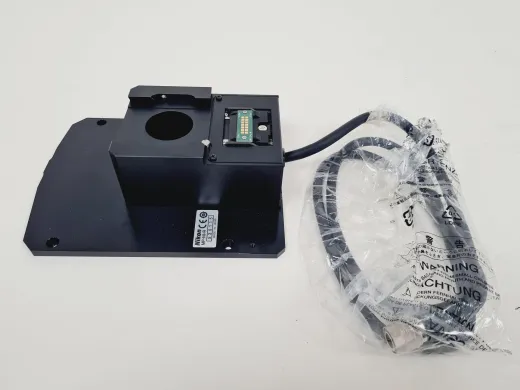
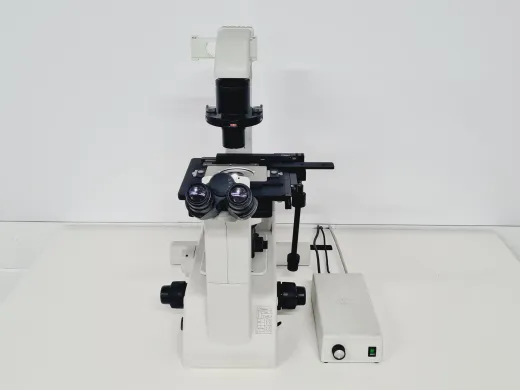
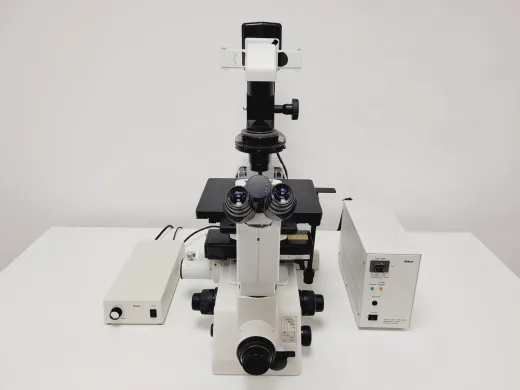
Not the exact instrument you need?
Tell our scientists what you are after. We track it down, including off-market supply.
Showing 1–40 of 931 listings
Show 40 more listingsAbout Nikon
Nikon is a Japanese optical and precision equipment manufacturer whose laboratory output centres on microscopes and imaging systems for research and life sciences. The company was incorporated on July 25, 1917 as Nippon Kogaku Kogyo K.K., formed through the merger of three leading optical manufacturers in Tokyo, and took the name Nikon Corporation in 1988. It is headquartered in Shinagawa (Nishi-Oi), Tokyo, and is an independent, publicly traded company on the Tokyo Stock Exchange under code 7731; it is affiliated with the Mitsubishi keiretsu but is not owned by it. Its microscopy portfolio spans upright, inverted, stereo, confocal, super-resolution, multiphoton and digital instruments, together with microscope cameras and imaging software. These systems do microscopy across cell biology, histology and molecular biology, and the confocal and super-resolution lines reach into live-cell imaging and single-molecule work.
Nikon microscope product lines
The Eclipse family is the core of the range. The Ti2 is an inverted research platform built for live-cell imaging and high-content screening, while the Ts2 serves routine inverted viewing such as culture monitoring. On the upright side, the Ni-E is a motorised research stand for fluorescence and brightfield, the Si is a simpler upright, and the FN1 is a fixed-stage design for electrophysiology under physiological conditions. For point-scanning fluorescence, the AX and AX R confocal series carry Nikon's current scan heads, and multiphoton configurations extend confocal imaging into thicker, scattering specimens for deep-tissue work. The super-resolution platforms, N-STORM and N-SIM S, reach below the diffraction limit: N-STORM uses stochastic optical reconstruction microscopy for single-molecule localisation, and N-SIM S uses structured illumination. The SMZ stereo series covers dissection, specimen sorting and visual quality control at low magnification. Running across the imaging lines is NIS-Elements, the acquisition and analysis software that handles capture, deconvolution and measurement. Confocal, super-resolution and multiphoton imaging support proteomics and genomics studies that depend on quantifying fluorescently labelled targets, and the fixed-stage and inverted stands are used for electrophysiology and cell imaging where a specimen must stay viable through an experiment.
These instruments share the CFI60 optical system, so objectives and many modular components move between stands and across generations. That compatibility shapes how the equipment is bought second-hand, because a working configuration can be assembled from parts that originated on different bodies.
What is listed on Questpair?
The catalogue holds 1280 Nikon items, offered by 17 verified suppliers and distributors across 8 countries. Prices run from EUR 13 to EUR 68.867, with an average of EUR 2.398. The low end is mostly accessories and individual optics, objectives, condensers and camera adapters, while the upper end is complete confocal and super-resolution systems. 88 percent of the listings are used, and used units are listed below new prices. Among the brand's own lines, the Eclipse stands appear most often, with the AX confocal and the N-STORM and N-SIM S platforms representing the more specified end of the catalog.
A used microscope is a reasonable purchase when the optical core is intact, since Nikon stands age slowly and software and electronics can often be refreshed on their own. What a buyer still needs to confirm, whether alignment holds, which objectives are included, and whether the camera and NIS-Elements licence transfer, is specific to each listing rather than general to the brand, so the supplier's description is where those answers sit. Where a listing raises a question about documentation or parts, Questpair specialists respond within an hour, parts can be sourced through Questpair, and a warranty is often possible and arranged in consultation for the specific listing.
Questpair review of Nikon
Our take based on listings data and supplier feedback
Nikon occupies a distinct position in laboratory microscopy, and the Questpair listings reflect the breadth of its range rather than a single flagship. The Eclipse family anchors most of what appears in the catalogue, spanning the entry Ts2 inverted units used for routine cell culture checks up to the Ti2 platform built for live-cell imaging and high-content work. Between those sit the Ni-E upright stand for fixed-sample fluorescence and the FN1 fixed-stage design aimed at electrophysiology. Because these share the CFI60 optical system, objectives and much of the modular hardware carry across generations, which matters to a buyer assembling a working configuration from second-hand parts. A used Ti2 body paired with separately sourced objectives and a camera is a common build, and the component compatibility is part of why the platform holds value on the used market.
On price, the catalogue runs from EUR 13 to EUR 68.867, with an average of EUR 2.398. That spread tracks what is actually in a listing: the low end is largely accessories, individual objectives, condensers and camera mounts, while the upper end is complete confocal or super-resolution systems. The AX and AX R confocal series and the N-STORM and N-SIM S super-resolution platforms represent the most specified instruments here, and they carry the imaging software, NIS-Elements, that controls acquisition and analysis. A buyer weighing one of these should read the individual listing closely, because a confocal system's value sits as much in its laser lines, detectors and scan head as in the stand itself.
Condition is the second thing the catalogue makes clear. 88 percent of the listings are used, and those units are priced below new equivalents. For microscopy this is a reasonable way to buy, since the optical core of a well-kept Nikon stand ages slowly and the electronics and software can often be updated independently. The practical questions a buyer carries into a used purchase, whether alignment holds, whether the objectives match the application, whether the camera and software licence transfer, are listing-specific rather than brand-wide, so the answer lives in the individual listing and in the supplier's description.
Supply depth supports the range. The equipment is offered by 17 verified suppliers and distributors across 8 countries, which gives a buyer more than one source for a given model and some room to compare configurations. For stereo work the SMZ series appears for dissection, sorting and QC under magnification, and the digital microscopes serve inspection and documentation rather than research imaging. Taken together, the listings cover the working span of a life sciences lab: routine culture monitoring at one end, confocal and single-molecule localisation at the other, with the shared Eclipse mechanics making it feasible to move between them without replacing an entire setup.
**Broad Eclipse inventory across price points**
The Questpair catalogue lists Nikon microscopy spanning the Eclipse range, from compact Ts2 units to the Ti2 inverted platform, with prices from EUR 13 to EUR 68.867.
**Predominantly used stock below new pricing**
88 percent of the listings are used, and used units are priced below their new equivalents.
**Multiple suppliers across several countries**
Equipment is offered by 17 verified suppliers and distributors in 8 countries.
Frequently asked questions
Where can I find manuals or documentation for a Nikon microscope?
Contact Questpair for manuals or documentation on a specific Nikon instrument, and specialists respond within one hour. The documentation that applies depends on the exact model and configuration in the listing.
How much does Nikon microscopy equipment cost?
Across the Questpair catalogue, Nikon prices run from EUR 13 to EUR 68.867, with an average around EUR 2.398. The lower end covers objectives, eyepieces, cameras and accessories, while complete confocal and super-resolution systems sit at the top.
What's the difference between refurbished and used Nikon equipment?
Both used and refurbished Nikon units are listed below new prices, and the condition of each is stated on its own listing. Check the individual listing to see how a given unit has been described before you compare.
Does Nikon equipment come with a warranty?
A warranty is often possible and is arranged in consultation for the specific listing. Terms are not set centrally, so the listing itself is where to confirm what applies.
Is Nikon equipment suitable for clinical and research use?
Nikon's laboratory range covers upright, inverted, stereo, confocal and super-resolution instruments used in cell biology, molecular biology and pathology work. The FN1 and Eclipse upright bodies serve electrophysiology and fixed-sample histology, while the Ti2 inverted platform is used for live-cell imaging over extended time courses.
How long does a Nikon microscope last?
Microscope stands are mechanical and optical instruments built for long service, which is why established Eclipse and SMZ configurations continue to circulate on the used market. Lifespan in practice depends on usage, maintenance history and whether components like cameras and light sources remain serviceable.
Can I get parts for a Nikon microscope?
Parts for Nikon instruments can be sourced via Questpair. Individual objectives, camera heads and other components also appear as standalone listings in the catalogue.
What are good alternatives to Nikon microscopes?
The alternative depends on the instrument class you need, since the confocal, super-resolution, upright and stereo segments each have different competing makers. Deciding between them comes down to the imaging mode required, the objectives and camera you can reuse, and the software environment your lab already runs.
How long does delivery take?
Lead time depends on the supplier holding the unit and its location, and listings on Questpair come from verified suppliers and distributors across 8 countries. The individual listing and the supplier handling it determine the timeline for a given order.
What's the difference between parts and spares when buying for a Nikon microscope?
In practice both terms refer to the same thing: components such as objectives, eyepieces, camera heads or stage parts used to repair or complete an instrument. These can be sourced via Questpair, either as standalone listings or on request.
Can Nikon equipment be shipped internationally?
Nikon listings come from verified suppliers and distributors across 8 countries, so cross-border shipping is possible depending on the supplier. The specific listing shows where the unit is held and what shipping the supplier arranges.
Which product lines does Nikon make and how do they differ?
The Eclipse name organizes most of the range: Ti2 and Ts2 are inverted stands, with the Ti2 built for research-grade live-cell and fluorescence work and the Ts2 for routine culture inspection, while Ni-E and Si are upright research bodies and the FN1 is a fixed-stage upright for electrophysiology. For confocal imaging the AX and AX R are point-scanning systems, N-STORM and N-SIM S deliver stochastic and structured-illumination super-resolution, and the SMZ series covers stereo microscopy. NIS-Elements is the acquisition and analysis software across all of them.
Which Nikon instrument types are actually listed on Questpair, and in what condition?
The catalogue holds 1280 Nikon listings from 17 verified suppliers and distributors, spanning microscope objective lenses, optical microscopes, research microscopes, microscope accessories, fluorescence microscopes and binocular microscopes. 88 percent are used, with the rest new, and the condition of each unit is stated on its own listing.
What separates the cheapest Nikon listings from the most expensive?
The low figures are objectives, eyepieces, cameras and accessories, which are single components rather than complete instruments. The high figures are complete confocal and super-resolution systems such as the AX, AX R, N-STORM and N-SIM S, where the full imaging chain, stand and software are included.
About Questpair
Questpair is the European marketplace for lab equipment, where AI-prepared cases and personal specialists guide every purchase. We work with 247 verified suppliers across 38 countries to find buyers the right new, used or refurbished instruments, with response within 1 hour and significant savings vs buying new.
Personal · Fast · Reliable · Affordable