

Nikon laboratory equipment
We personally find you the right new, used and refurbished nikon laboratory equipment from verified suppliers.
Nikon microscopy on Questpair runs from bare Eclipse objective lenses to complete inverted research stands, with the Eclipse family forming the spine of the catalogue: the Ti2 inverted platform for live-cell work, the Ni-E and Si uprights, the FN1 fixed-stage frame for electrophysiology, and the Ts2 routine inverted line. Alongside the stands sit stereo zoom bodies from the SMZ range and the confocal and super-resolution systems, the AX scan heads, N-STORM and N-SIM S. The listings span 1284 items from 17 verified suppliers and distributors across 8 countries. Imaging here is as much about the glass as the frame, which is why single CFI objectives and condensers appear as often as whole microscopes.
Updated:
Nikon Laboratory equipment product list


Not the exact instrument you need?
Tell our scientists what you are after. We track it down, including off-market supply.
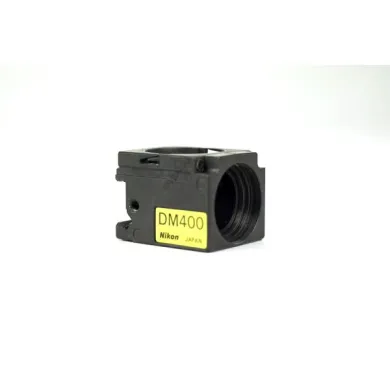
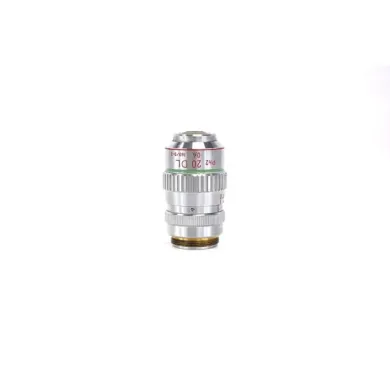
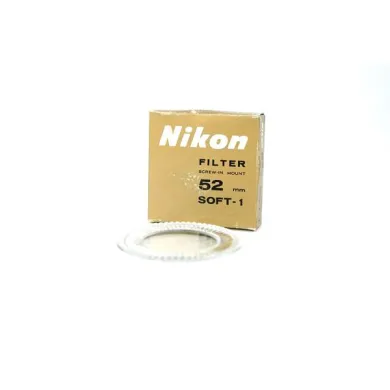
52mm Soft-1 Filter
- Category
- General laboratory equipment other
- Brand
- Nikon
- Suppliers
- 1 verified
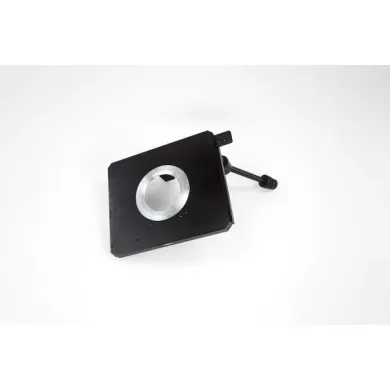
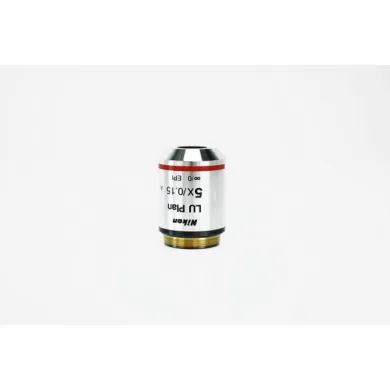
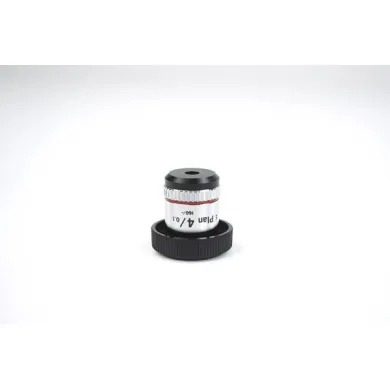
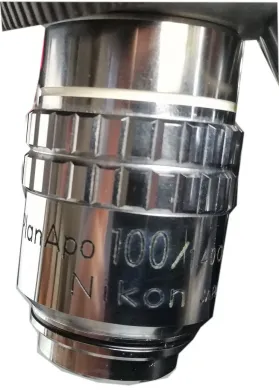
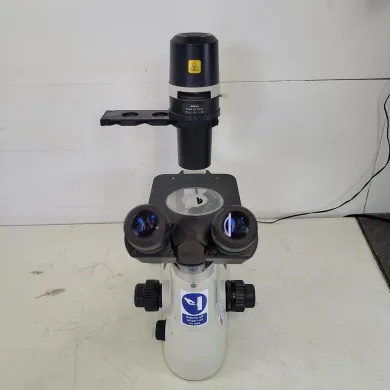
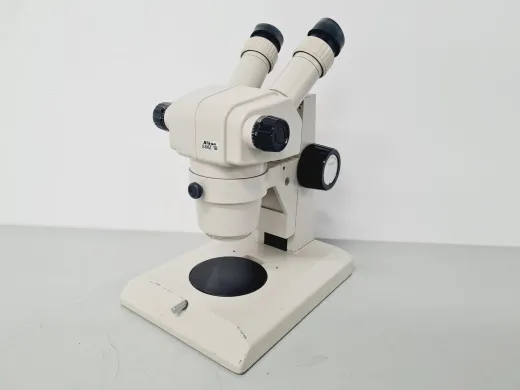
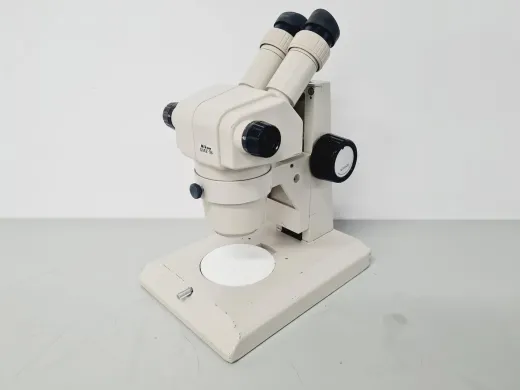
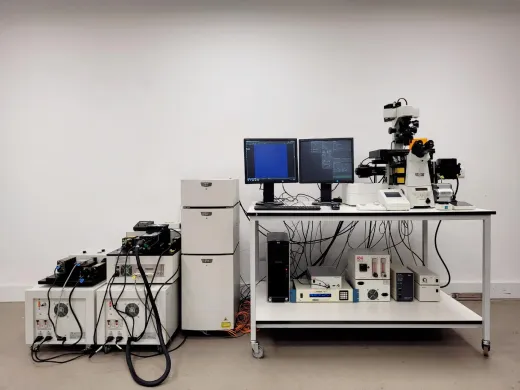
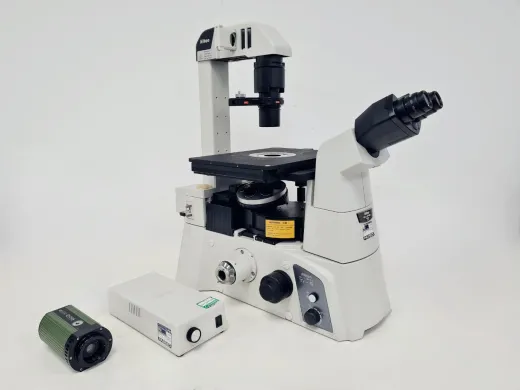
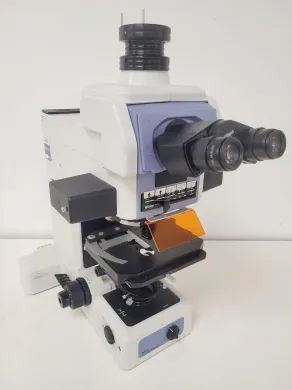
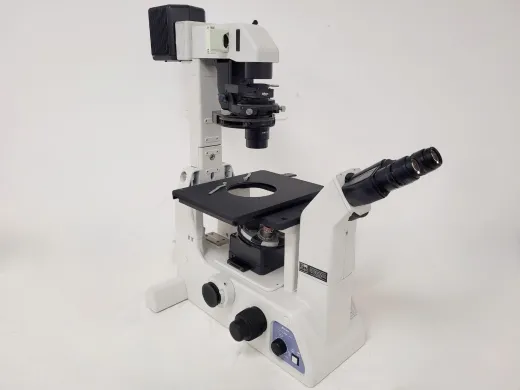
Not the exact instrument you need?
Tell our scientists what you are after. We track it down, including off-market supply.
Showing 1–40 of 923 listings
Show 40 more listingsBuying guide
Choosing a Nikon microscope
The first decision on a Nikon system is the objective, not the stand. The CFI mount runs across the Eclipse range, so a 60x oil Plan Apo bought today fits a Ti2 tomorrow, but numerical aperture, working distance and correction class are fixed at the glass and cannot be upgraded later. Decide the NA the work needs first, then buy the frame that holds it. A fluorescence application wants high-NA apochromats; a thick-sample or multiwell protocol wants longer working distance and will accept lower NA to get it.
On a used Nikon stand, check the parts that carry a service life rather than the ones that look worn. The arc or LED illuminator has finite hours and a logged lamp count tells you where it sits. On motorised Ti2 and Ni-E frames, the focus drive and the encoded nosepiece are the components that fail with use, so ask a seller to show the stage and focus moving under their own control. On objectives, look for internal haze, oil ingress at the front element and a smooth correction collar; an optic that has been dropped often reads fine until it is on a sample.
The price band splits cleanly. The lower end is single CFI objectives, condensers and camera adapters, where a used lens at its optical spec is the strongest value on the page. The middle is complete manual and semi-motorised stands. The upper end, toward EUR 71.188, is confocal and super-resolution bodies whose value sits in the scan head and detectors, not the frame.
Watch one compatibility trap specific to Nikon: field number. A Ti2 built for a 25mm field pairs with large-sensor cameras that will vignette on an older narrower-field body, and the C-mount adapter must match the camera chip. Confirm the adapter magnification and the stand's field number before buying a camera to sit on a legacy frame.
Which Nikon Eclipse and SMZ lines appear in the listings?
Among the listings that specify a type, most fall into one of six groups: microscope objective lenses, optical microscopes, research microscopes, microscope accessories, fluorescence microscopes and binocular microscopes. The research-microscope and optical-microscope entries are where the Eclipse stands live. Inverted frames come from the Ti2 and Ts2 series, the Ti2 built for high-content and live-cell imaging and the Ts2 aimed at routine culture checks. Upright research stands are the Ni-E and the Si, with the FN1 fixed-stage frame appearing where electrophysiology rigs are being broken up. Stereo work is covered by the SMZ zoom bodies, which show up under both stereo and binocular descriptions. The objective-lens group is largely CFI-series glass, the part of a Nikon system most often sold on its own.
Where the stands and the glass diverge
The deciding parameter here is not the frame but the optic. Nikon objectives carry a numerical aperture that fixes resolution and light-gathering: a CFI Plan Apo 60x oil runs near NA 1.4, where a long-working-distance 20x dry sits closer to NA 0.45, and that gap decides what a stand can actually resolve regardless of its body. Among the stands, the Ti2 separates itself with a wider field number, around 25mm, which matters for large-sensor cameras and tiling; the Ts2 and older Ti frames carry a narrower field. Upright Ni-E and Si frames differ mainly in motorisation and in whether they carry a laser scan head. Confocal choice turns on scan speed and channel count: the AX and AX R resonant head reach video-rate framing where a galvano-only configuration does not. For a buyer, the question is which optic and which field number the work demands, then which frame accepts them.
How price and condition break down
Prices range from EUR 12 to EUR 71.188. That span is real: the floor is single accessories and used objectives, the ceiling is complete confocal or super-resolution systems. The average listing sits at EUR 2.420, which places most of the catalogue well below the headline instruments and among stands, objectives and camera bodies. 88 percent of the listings are used. The used share is what makes the objective-lens group worth watching, since Nikon glass holds its optical specification across owners when it has been handled with care.
Frequently asked questions
Which Nikon microscope series are on offer here?
The Eclipse family forms the core, including the Ti2 and Ts2 inverted frames, the Ni-E and Si uprights, and the FN1 fixed-stage frame. Alongside these sit the SMZ stereo zoom bodies, CFI-series objective lenses, and confocal and super-resolution systems such as the AX scan heads, N-STORM and N-SIM S.
How do the Ti2 and Ts2 inverted lines differ?
The Ti2 is built for high-content and live-cell imaging and carries a wider field number, around 25mm, which suits large-sensor cameras and tiling. The Ts2 is aimed at routine culture checks and carries a narrower field, so it is the simpler frame of the two.
How much does a used Nikon microscope cost?
Across the whole brand on Questpair, prices range from EUR 12 to EUR 71.188, with the average listing at EUR 2.420. The floor is single accessories and used objectives, while the ceiling is complete confocal or super-resolution systems.
Are refurbished Nikon units available?
Used and refurbished units appear in the catalogue and are listed at lower prices than new. Condition and configuration vary by listing, so check the individual entry for what is included.
Which Nikon model suits which application?
Live-cell and high-content work points to the Ti2, routine culture checks to the Ts2, and upright research or electrophysiology to the Ni-E, Si or FN1. Confocal and super-resolution work needs the AX scan heads, N-STORM or N-SIM S, while stereo tasks are covered by the SMZ zoom bodies.
What should I check before buying a used Nikon stand?
Check the parts that carry a service life: the arc or LED illuminator has finite hours and a logged lamp count shows where it sits, and on motorised Ti2 or Ni-E frames the focus drive and encoded nosepiece fail with use. Ask the seller to move the stage and focus under their own control, and on objectives look for internal haze, oil ingress at the front element, and a smooth correction collar.
Are objectives and parts interchangeable across the Eclipse range?
The CFI mount runs across the Eclipse range, so a 60x oil Plan Apo fits a Ti2 as readily as another Eclipse frame, though numerical aperture, working distance and correction class are fixed at the glass and cannot be upgraded later. Watch field number as a compatibility trap: a camera matched to a 25mm Ti2 field can vignette on an older narrower-field body, and the C-mount adapter must match the camera chip. Parts can be sourced via Questpair.
How does Nikon compare to other microscope brands in this category?
The deciding parameter on a Nikon system is the optic rather than the brand badge: the numerical aperture of a CFI objective fixes resolution and light-gathering, so a high-NA apochromat suits fluorescence while a long-working-distance lens suits thick or multiwell samples at lower NA. Against other makers, the comparison turns on the same criteria, field number, scan speed and channel count on confocal heads, and the specific optic the work demands, which you can weigh listing by listing in the catalogue.