
Beckman Coulter laboratory equipment
We personally find you the right new, used and refurbished beckman coulter laboratory equipment from verified suppliers.
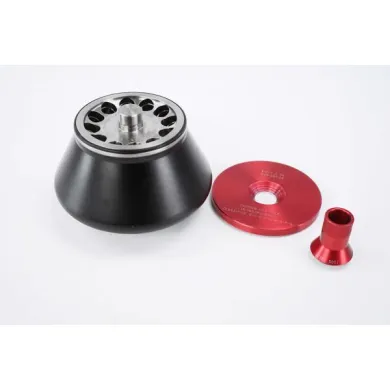
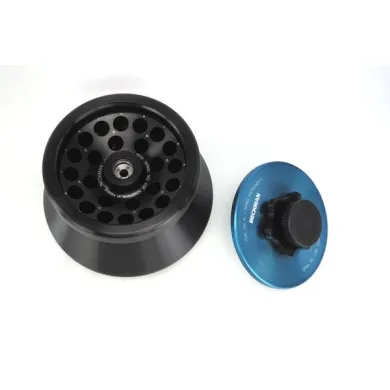
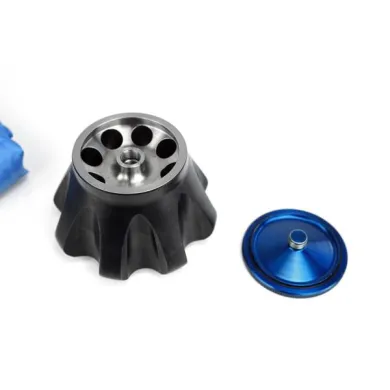
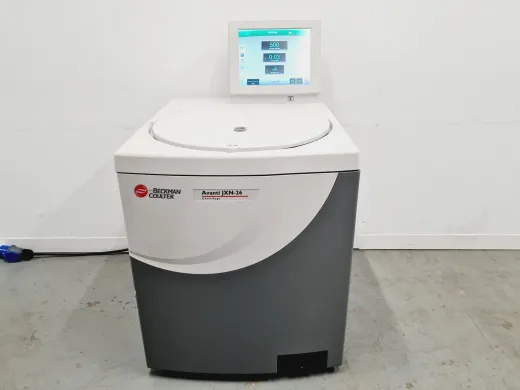
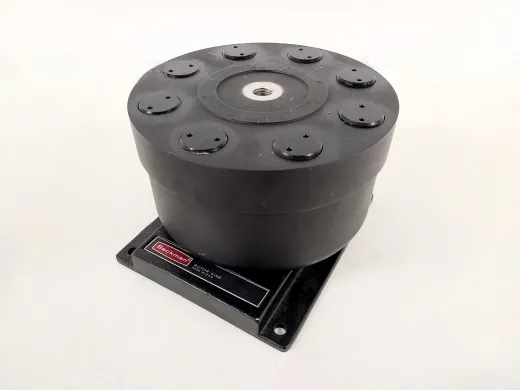
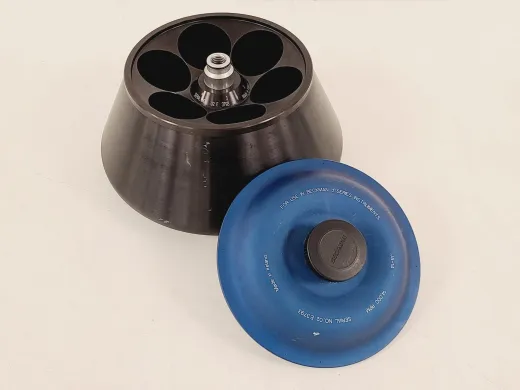
Beckman Coulter laboratory equipment on Questpair centres on centrifugation: the Optima and Coulter ultracentrifuge series, the Avanti high-speed line, the Allegra refrigerated benchtop range, and the rotors built for each of them. Among the listings that specify a type, the spine runs from centrifuge rotors and fixed-angle rotors through laboratory and high-speed centrifuges to refrigerated benchtop units. The catalogue holds 1231 listings from 16 verified suppliers and distributors across 7 countries, which is a deeper pool of this one maker's spin technology than most buyers see in a single place. Rotors appear as often as whole instruments here, so a visitor matching a spare to an existing drive searches the same catalogue as one buying a complete system.
Updated:
Beckman Coulter Laboratory equipment product list
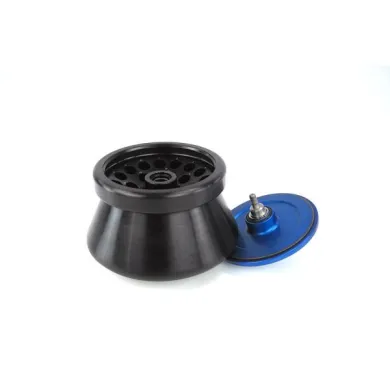


Not the exact instrument you need?
Tell our scientists what you are after. We track it down, including off-market supply.
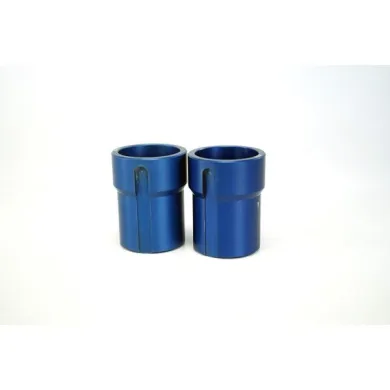
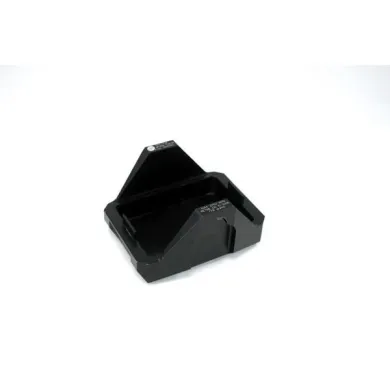
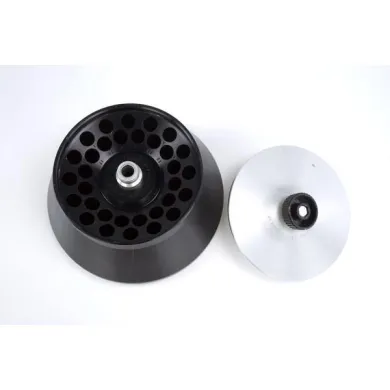
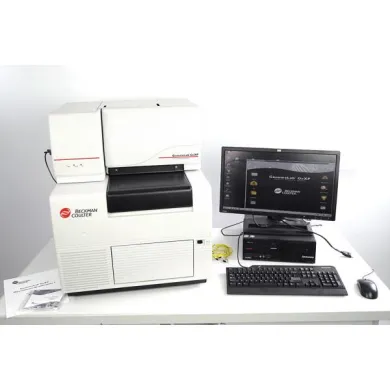
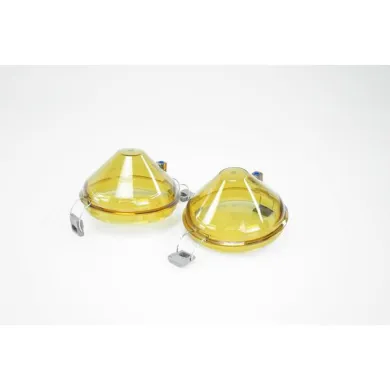
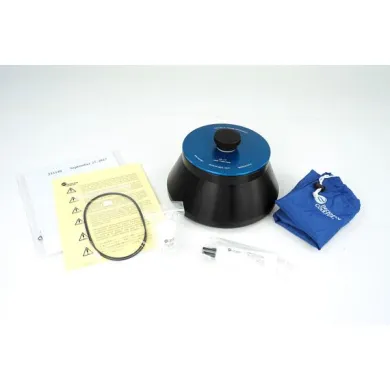
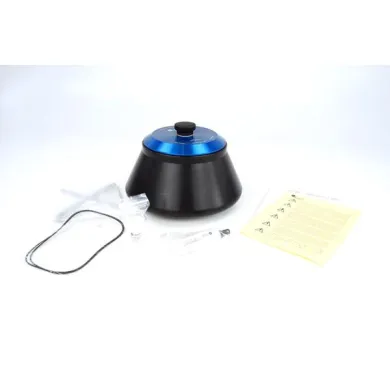
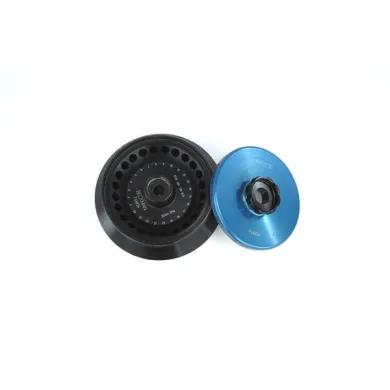
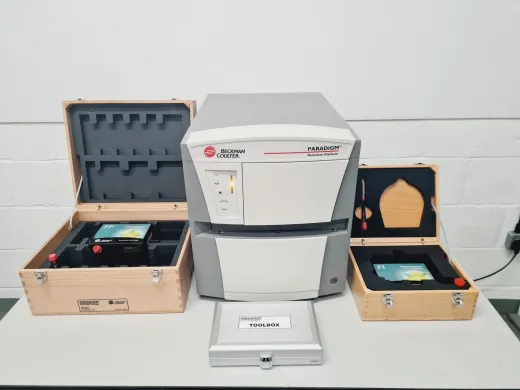
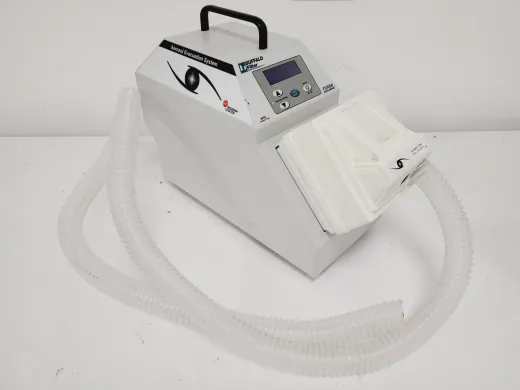
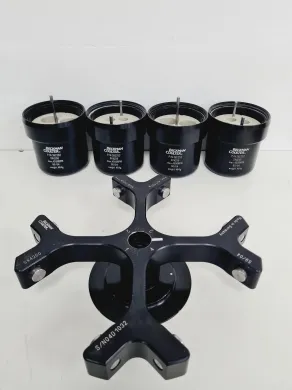
Not the exact instrument you need?
Tell our scientists what you are after. We track it down, including off-market supply.
Showing 1–40 of 764 listings
Show 40 more listingsBuying guide
Choosing a Beckman Coulter laboratory centrifuge
The first decision is which family fits the work, because the three Beckman Coulter centrifuge lines overlap less than their shared name suggests. Fix your required relative centrifugal force and your largest routine sample volume, then let those two numbers point you: an Allegra benchtop for temperature-held plate and tube work, an Avanti for high-speed preparative volumes, an Optima or Coulter ultracentrifuge for density-gradient and sub-particle separation. Buying a higher family than the protocol needs costs money twice, once at purchase and again in slower throughput on routine runs.
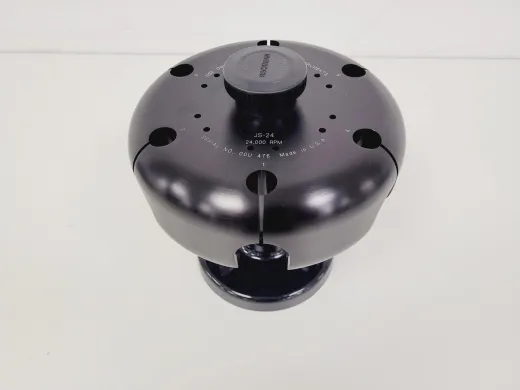
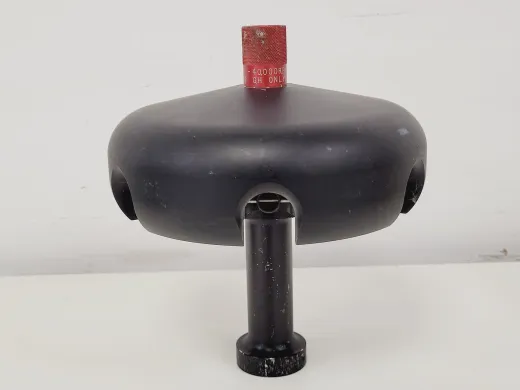
On a used Beckman Coulter unit the rotor is the component to scrutinise first. Rotors carry a documented service life expressed in run cycles or years, and aluminium rotors fatigue; a seller should be able to show the rotor's log or its hours, and an overrun or undocumented rotor is a reason to negotiate on that part alone. Check the drive for bearing noise and imbalance behaviour, and on refrigerated and ultracentrifuge models confirm the compressor cools to its rated temperature and, on the Optima, that the vacuum pump pulls down in the expected time.
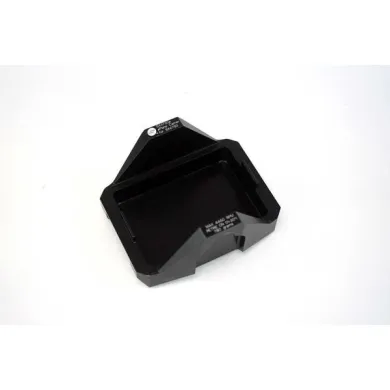
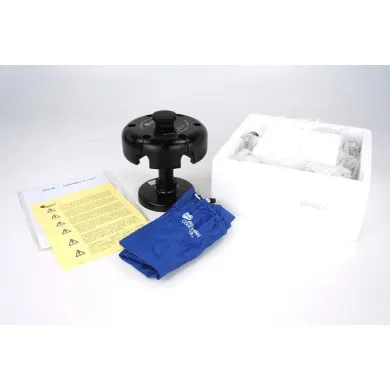
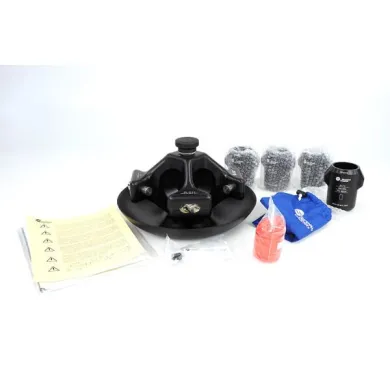
Compatibility traps sit between Beckman's own parts rather than between brands. A rotor is rated for a specific instrument class and will not run safely above the drive it was built for, and swing-out buckets, adapters and tube sets are matched to a particular rotor rather than interchangeable across the catalogue. Before committing to an instrument, confirm the exact rotor and bucket set it ships with, and price any missing rotor separately, because a complete-looking drive without its rotor set is the gap that turns a good figure into a higher one. Rotors and spares can be sourced via Questpair, which is why pairing a drive to its rotor in the same catalogue is practical here.
Avanti, Optima and Allegra: the centrifuge families listed
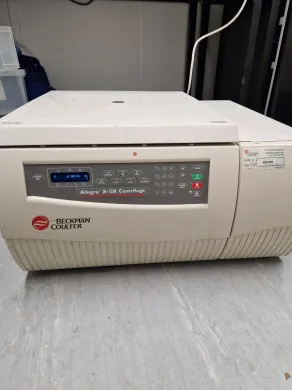
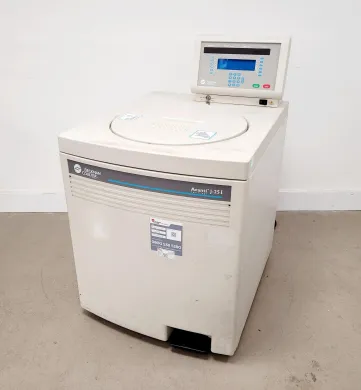
Among the listings that specify a type, Beckman Coulter's spin equipment on Questpair falls into three families and the rotors that serve them. The Allegra range occupies the refrigerated benchtop category, built for cell pelleting, plate work and clinical runs where sample temperature has to hold. The Avanti line sits in the high-speed category, floor-standing units aimed at sub-cellular fractionation, protein precipitation and large-volume preparative work. At the top, the Optima and Coulter ultracentrifuge series reach the speeds needed for density-gradient separation, membrane isolation and particle work. The fixed-angle and swing-out rotors listed separately belong across all three, which is why rotors recur so often in this catalogue: a drive outlasts several rotor generations, and a worn or mismatched rotor is a routine replacement rather than a reason to retire an instrument.
Where the families diverge on speed and capacity
The deciding specification shifts as you climb the range. Allegra benchtop units run in the low thousands of rpm and are read by their relative centrifugal force and swing-out plate capacity, the figures that matter when the work is throughput of standard tubes and microplates. The Avanti high-speed line pushes well past that, into the tens of thousands of rpm with fixed-angle rotors sized for litre-scale volumes, so the choice there is capacity against g-force for a given protocol. The Optima ultracentrifuges run higher still, into the range where rotor rating, not drive speed, becomes the limit, and where vacuum and temperature control decide whether a long gradient run holds. For a buyer, the practical reading is simple: match the required g-force and sample volume to the family first, then let rotor availability confirm the model, because a correct instrument with no compatible rotor listed is not a working purchase.
How price and condition break down
Prices range from EUR 44 to EUR 182.430, with an average around EUR 8.097. That spread maps onto the equipment itself. The floor covers bare rotors, buckets and benchtop accessories; the ceiling covers complete ultracentrifuge systems with their rotor sets. A mid-range figure here typically reflects a high-speed floor unit or a refrigerated benchtop with rotor included. 99 percent of the listings are used. Warranty is often possible and is arranged in consultation for the specific listing, so condition is judged per unit rather than by a blanket grade. The catalogue draws on 16 verified suppliers and distributors, which is what keeps both rotors and complete drives available in the same place.
Frequently asked questions
Which Beckman Coulter centrifuge series are listed here?
The catalogue centres on four lines: the Allegra refrigerated benchtop range, the Avanti high-speed floor-standing line, and the Optima and Coulter ultracentrifuge series. Rotors built for each of these appear as separate listings alongside the complete instruments.
How do the Allegra, Avanti and Optima lines differ?
Allegra benchtop units run in the low thousands of rpm for temperature-held plate and tube work, Avanti pushes into the tens of thousands of rpm for litre-scale preparative volumes, and the Optima and Coulter ultracentrifuges reach the range where rotor rating rather than drive speed sets the limit. Speed and sample volume rise as you climb the range, and vacuum and temperature control become decisive on the ultracentrifuges.
How much does a used Beckman Coulter centrifuge cost?
Across the brand, prices range from EUR 44 to EUR 182.430, with an average around EUR 8.097. The low end covers bare rotors, buckets and benchtop accessories, while the high end covers complete ultracentrifuge systems with their rotor sets.
Are refurbished Beckman Coulter units available?
Used and refurbished units are listed and priced below new equipment. 99 percent of the current listings are used, and condition is assessed per individual listing rather than by a single grade.
Which model should I pick for my application?
Match your required relative centrifugal force and largest routine sample volume to a family first: Allegra for clinical runs, cell pelleting and plate work; Avanti for sub-cellular fractionation and large-volume protein work; Optima or Coulter for density-gradient separation and particle isolation. Then confirm that a compatible rotor is listed, since the instrument without a matching rotor is not a working purchase.
What should I check before buying a used Beckman Coulter centrifuge?
Scrutinise the rotor first: aluminium rotors fatigue and carry a documented service life in run cycles or years, so ask for the rotor log or its hours. Also check the drive for bearing noise and imbalance, and on refrigerated and ultracentrifuge models confirm the compressor reaches its rated temperature and the Optima vacuum pump pulls down in the expected time.
Are rotors and parts interchangeable across the series?
No. A rotor is rated for a specific instrument class and must not run above the drive it was built for, and swing-out buckets, adapters and tube sets are matched to a particular rotor rather than shared across the catalogue. Confirm the exact rotor and bucket set a drive ships with, and price any missing rotor separately, since a complete-looking drive without its rotor set raises the real cost. Rotors and spares can be sourced via Questpair.
How does Beckman Coulter compare to other centrifuge brands for my choice?
The compatibility decisions here sit between Beckman Coulter's own lines rather than against other makers, which is why fixing your g-force and sample volume against a family matters more than cross-brand comparison. The catalogue holds 1231 listings from 16 verified suppliers and distributors across 7 countries, with rotors and complete drives available in the same place so a drive can be paired to its rotor.