

Process equipment
We personally find you the right used, refurbished and new process equipment from verified suppliers.
Process equipment is the class of instruments that move, weigh, condition and control material through a laboratory or production workflow, as distinct from the analytical devices that measure it. On Questpair the process equipment category holds 11719 listings from 22 verified suppliers and distributors across 23 countries. Of those listings, 86 percent are used, the remainder new. The category spans weighing hardware, fluid handling, temperature conditioning and bioprocessing hardware, and both new and refurbished units appear alongside used ones. Prices run from EUR 0 to EUR 731.756, a spread that separates a single bench balance from a complete process skid.
Updated:
Process equipment product list


Not the exact instrument you need?
Tell our scientists what you are after. We track it down, including off-market supply.
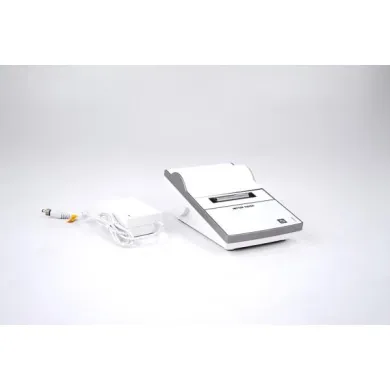
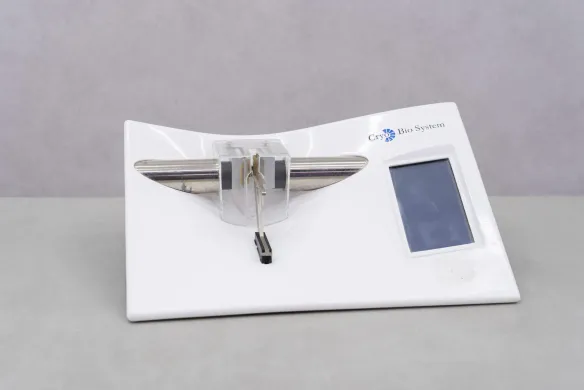
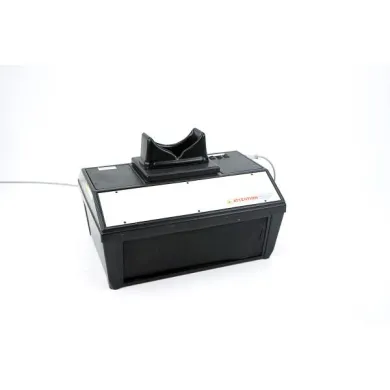
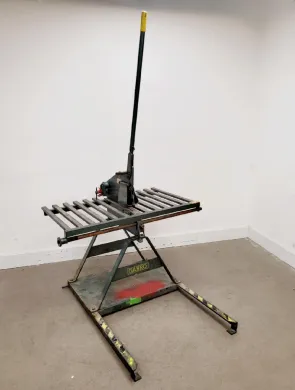
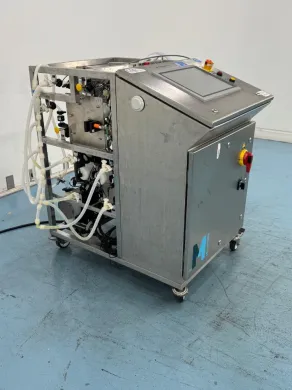
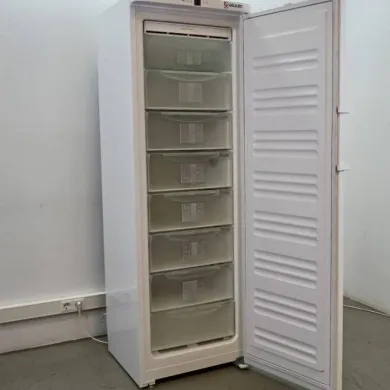
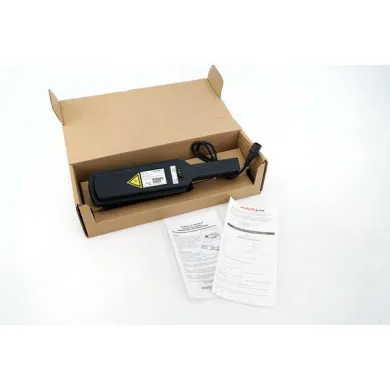
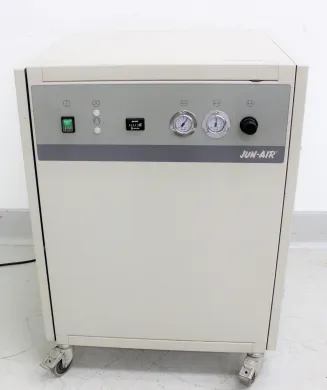
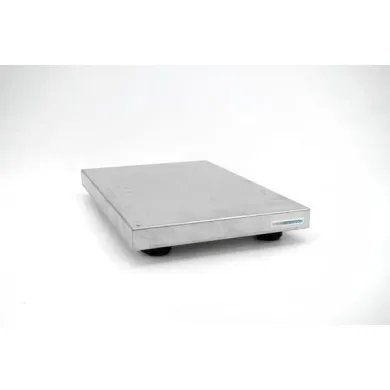
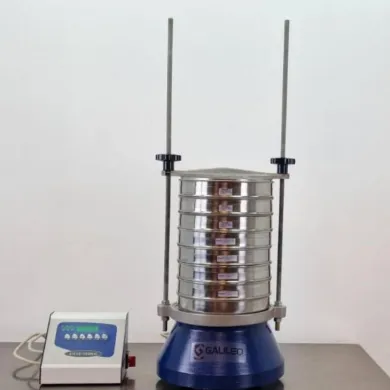
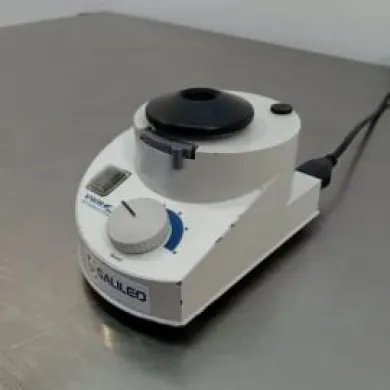
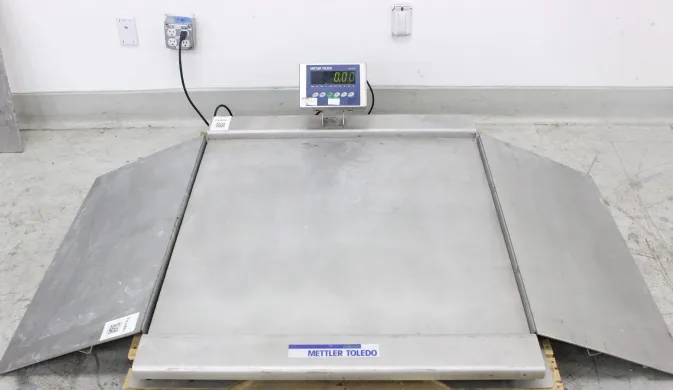
Not the exact instrument you need?
Tell our scientists what you are after. We track it down, including off-market supply.
Showing 1–40 of 7,087 listings
Show 40 more listingsBuying guide
What settles a process equipment purchase depends entirely on which function the unit performs, and the buyer has to identify that function before any specification matters. A peristaltic pump is chosen on flow rate and tubing compatibility; an industrial scale on capacity and readability; a temperature control unit on its range and the volume it has to hold stable. There is no single decisive spec for the category, only the decisive spec for the role, and naming the role first prevents comparing numbers that do not compare.
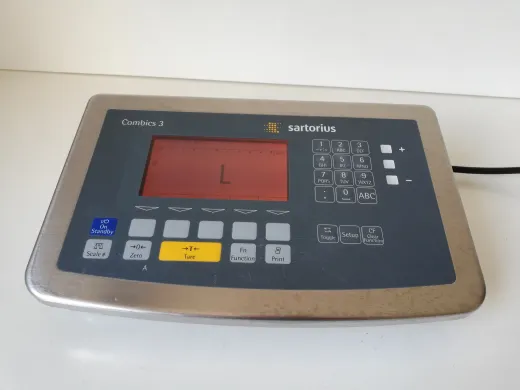
Weighing hardware makes the point clearly. A precision balance and an industrial scale both report a mass, but the buyer who needs milligram readability for formulation work is not shopping in the same place as the buyer weighing a drum. Capacity and readability trade against each other, and the correct unit is the one that covers the heaviest load at the finest resolution the process actually requires, not the finest resolution available.
Condition carries real weight here because much of this equipment has moving parts and wetted surfaces. On a used peristaltic pump the tubing and the rollers wear; on a used temperature control unit the pump, the seals and the thermostat history matter more than the datasheet. A buyer should ask what has been replaced, whether the unit was calibrated before listing, and what the wetted path has handled. A balance holds its specification for years if the load cell is sound, so for weighing hardware the verification is lighter than for anything that pumps or heats.
On price, what a unit costs tracks its role far more than its condition: the average sits near EUR 5.389, but the category runs from EUR 0 to EUR 731.756. That range is what makes the used market useful, because refurbished units listed for sale are more affordable than new and let a buyer on a fixed budget reach capacity that new pricing would put out of reach. The brands that fill the band are Radwag, Millipore, Ohaus, Various, Sartorius, with the weighing names anchoring the lower and middle of it and complete bioprocessing systems reaching the top. Warranty on any individual unit is arranged in consultation for that listing.
Types of Process equipment
Which equipment types appear in the process category?
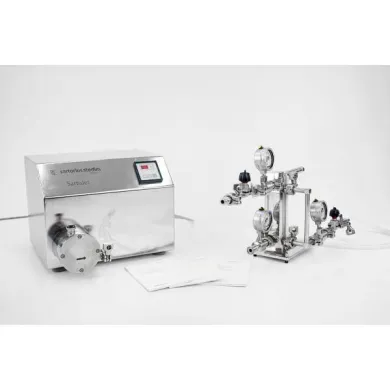
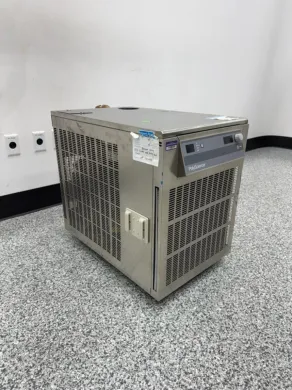
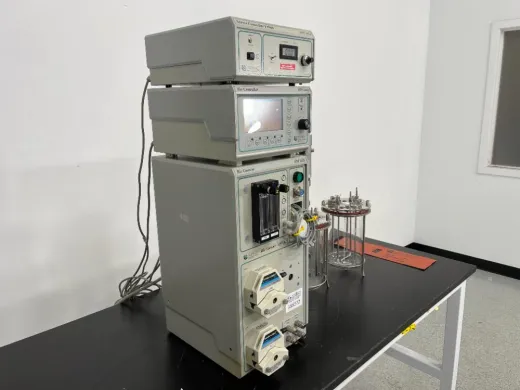
Among the listings that specify a type, the catalogue groups into industrial scale, bioprocessing equipment, temperature control unit, peristaltic pump, industrial scales, precision balance. Industrial scales and precision balances are the weighing hardware, separated by resolution: an industrial scale reports to a gram or coarser at high capacity, a precision balance to a milligram at modest capacity, and the two serve opposite ends of gravimetric analysis. Peristaltic pumps move fluid by squeezing tubing against rollers, so the pumped liquid never touches the mechanism, which is why they dominate sterile and single-use fluid transfer. Temperature control units, circulators and chillers hold a process at a set point, and bioprocessing equipment covers the bioreactors, fermenters and filtration skids that run a culture at scale.
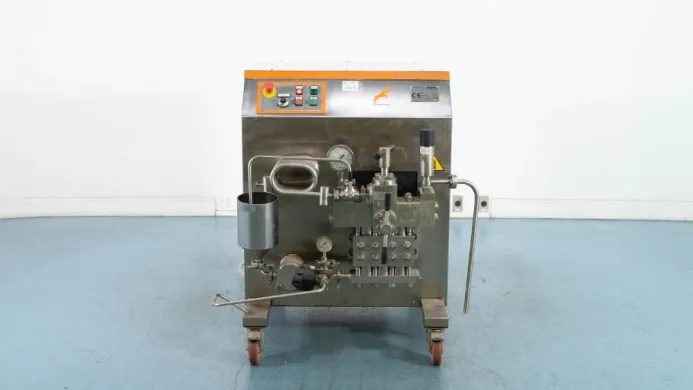
The bioprocessing lines are where this category meets life sciences directly. Bioreactors and fermenters run cell culture and microbial fermentation for biomanufacturing, and the filtration and chromatography skids downstream of them perform protein purification. A peristaltic pump feeding a tangential-flow filtration rig is doing bioprocessing work, and a temperature control unit holding a fermenter at 37 degrees is part of the same workflow. These units also serve upstream synthetic biology and molecular biology laboratories where cell culture is scaled from flask to vessel, and precision balances remain the weighing instrument for reagent and media preparation feeding those cultures.
The brands behind the process equipment listings
The names that recur are Radwag, Millipore, Ohaus, Various, Sartorius. Radwag, Ohaus and Sartorius concentrate in the weighing hardware, and their presence means a buyer can compare industrial scales and precision balances across several makers at once, with parts and replacement load cells sourced via Questpair. Millipore sits in the filtration and bioprocessing end of the catalogue. "Various" marks listings pooled under no single maker, common in a category this broad, which is worth noting because those units are compared on specification rather than badge. A recognised brand generally makes a model easier to match against its datasheet and easier to price against its peers.
What a used process unit costs here
The split runs 10063 used listings to 1649 new, so 86 percent of the catalogue is pre-owned. Prices span EUR 0 to EUR 731.756, and that spread covers everything from a single second-hand balance to a complete process system. Used and refurbished units are listed below new pricing, and where a buyer is weighing the two the warranty is arranged in consultation for the specific listing rather than set across the category.
Frequently asked questions
What is process equipment?
Process equipment is the class of instruments that move, weigh, condition and control material through a laboratory or production workflow, as opposed to the analytical devices that measure it. The category covers weighing hardware, fluid handling, temperature conditioning and bioprocessing hardware.
What does process equipment mean in a lab context?
It refers to the hardware that handles material in a workflow rather than analysing it: scales and balances that weigh, pumps that transfer fluid, circulators that hold temperature, and bioreactors that run a culture. These units do the physical work around the analytical measurement, not the measurement itself.
How does process equipment work?
Each type works on its own principle: a peristaltic pump squeezes tubing against rollers to move fluid without contact, a temperature control unit holds a process at a set point with a pump and thermostat, and a balance converts load on a cell into a mass reading. There is no single mechanism across the category because each unit performs a different function.
What types of process equipment are there?
The listings group into industrial scales, precision balances, peristaltic pumps, temperature control units and bioprocessing equipment. Weighing hardware splits by resolution between industrial scales and precision balances, fluid handling covers peristaltic pumps, conditioning covers circulators and chillers, and bioprocessing covers bioreactors, fermenters and filtration skids.
What is process equipment used for?
It is used to transfer, weigh, condition and run material through a workflow: feeding fluid into a filtration rig, holding a fermenter at a set temperature, weighing reagents for media preparation, or running cell culture at scale. The specific use depends entirely on which unit you are looking at.
How do I choose process equipment?
Identify the function first, then match the specification to that role: a peristaltic pump on flow rate and tubing compatibility, an industrial scale on capacity and readability, a temperature control unit on its range and the volume it holds stable. There is no single decisive spec for the category, only the decisive spec for the unit's role.
What is the difference between refurbished and used process equipment?
A used unit is sold in its existing condition, while a refurbished unit has been reconditioned before listing. For equipment with moving parts and wetted surfaces, the practical question is what has been replaced and serviced, which is worth asking for either description.
How much does process equipment cost?
Prices range from EUR 0 to EUR 731.756, with the average near EUR 5.389. That spread covers everything from a single bench balance to a complete process skid, so the figure tracks the unit's role far more than its condition.
Which brands are common for process equipment?
The names that recur are Radwag, Millipore, Ohaus, Sartorius, and listings pooled under Various. Radwag, Ohaus and Sartorius concentrate in weighing hardware, while Millipore sits in the filtration and bioprocessing end of the catalogue.
Is there a warranty on refurbished process equipment?
A warranty is often possible and is arranged in consultation for the specific listing rather than set across the category. Check the individual listing and raise the question there.
Can I get parts for process equipment?
Parts, including replacement load cells for weighing hardware, can be sourced via Questpair. Availability depends on the specific model and listing.
How long does process equipment last?
Lifespan depends on the type. A balance holds its specification for years if the load cell is sound, while equipment that pumps or heats wears at its moving parts and wetted surfaces, so tubing, rollers, seals and thermostat history matter more than the datasheet on those units.
Should I buy new or refurbished process equipment?
Used and refurbished units are listed at lower prices than new, which lets a buyer on a fixed budget reach capacity that new pricing would put out of reach. Where you are weighing the two, compare the specific listing and arrange any warranty in consultation for that unit.
Where can I buy process equipment?
The process equipment category on Questpair holds 11719 listings from 22 verified suppliers and distributors across 23 countries. Both new and used or refurbished units appear in the catalogue.
What are the lead time and shipping for process equipment?
Lead time and shipping depend on the individual listing, the supplier and the destination country, since the catalogue spans 23 countries. Contact Questpair for the details of a specific unit and specialists respond within 1 hour.
How is process equipment calibrated and maintained?
Calibration and maintenance differ by type: a used balance should ideally be calibrated before listing, while a pump or temperature unit needs its seals, tubing and thermostat checked. Questpair does not carry out servicing, so verify what has been done on the specific listing and ask what the wetted path has handled.
Which process equipment types are listed most and who buys which?
The catalogue groups into industrial scales, precision balances, peristaltic pumps, temperature control units and bioprocessing equipment. Formulation and media preparation buyers reach for precision balances, buyers weighing drums or bulk material take industrial scales, sterile fluid transfer uses peristaltic pumps, and biomanufacturing and synthetic biology labs reach for the bioprocessing vessels and skids.
Which brands dominate this category and what does that mean for a buyer?
Radwag, Ohaus and Sartorius recur across the weighing hardware, which means a buyer can compare industrial scales and precision balances across several makers at once. Millipore sits in filtration and bioprocessing, while Various marks listings under no single maker that are compared on specification rather than badge; a recognised brand is generally easier to match against its datasheet and price against its peers.
What separates the cheapest process equipment from the most expensive?
The bottom of the band is single weighing units such as a second-hand balance, with the weighing names anchoring the lower and middle of the range from EUR 0. The top is reached by complete bioprocessing systems and process skids near EUR 731.756, so the distance between them is function and scale rather than condition alone.