
Bioprocess & Fermentation
We personally find you the right new, used and refurbished bioprocess & fermentation instruments & equipment from verified suppliers.
Growing cells or microbes at volume demands equipment that holds a defined environment for days without drift and then recovers the product without losing it. The bind is continuity: a run that fails on day six cannot be restarted, so a vessel that controls temperature, pH, dissolved oxygen and agitation together matters more than any single instrument's rating. Downstream the constraint shifts to throughput and gentleness, since the broth is dense and the target is fragile. Across the categories this work draws on, Questpair lists 33155 items from 156 verified suppliers and distributors. Vessels sized for a shake flask sit alongside pilot skids, and the price tokens below show how far that spread runs.
Updated:
Bioprocess & Fermentation product list


Not the exact instrument you need?
Tell our scientists what you are after. We track it down, including off-market supply.
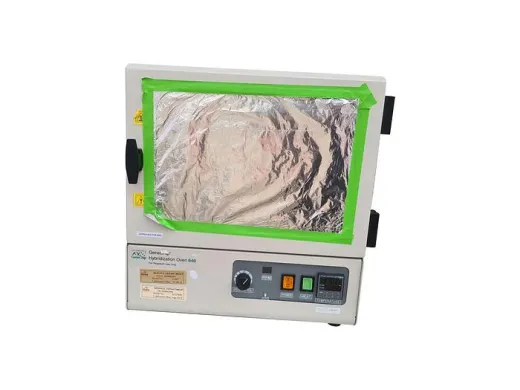
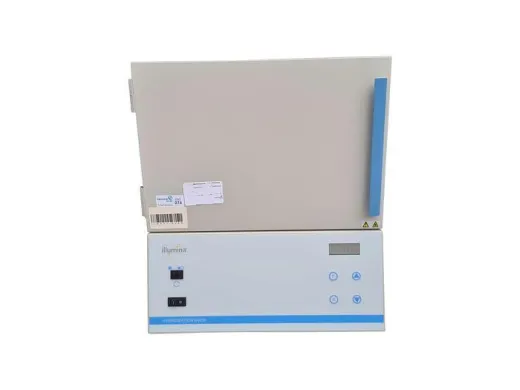
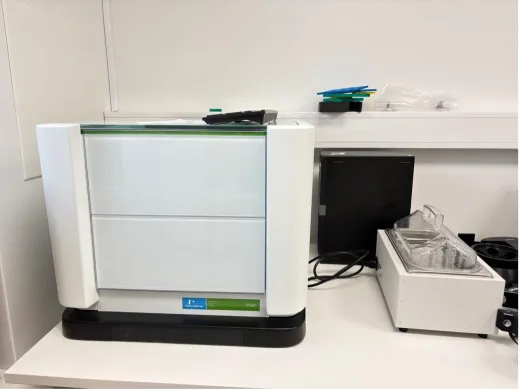
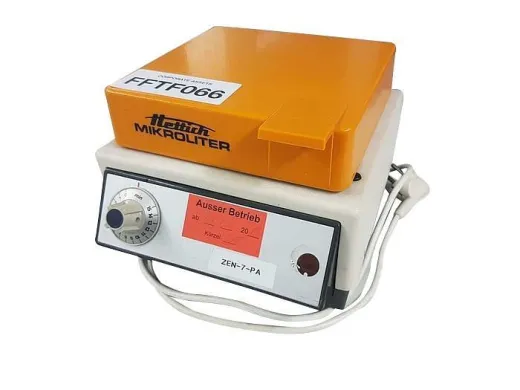
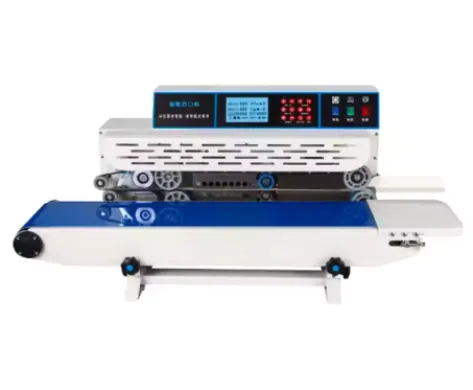
Illumina Boekel 230401 - 21LL Hybridization Oven
- Category
- Furnaces
- Brand
- Illumina
- Suppliers
- 1 verified
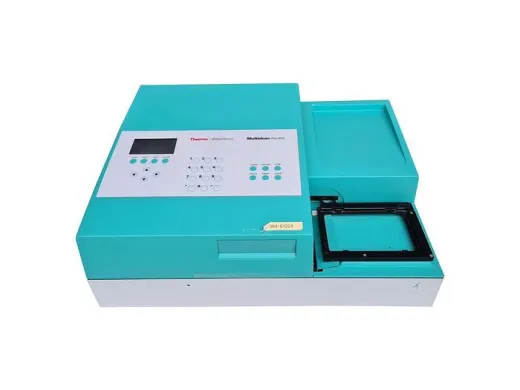
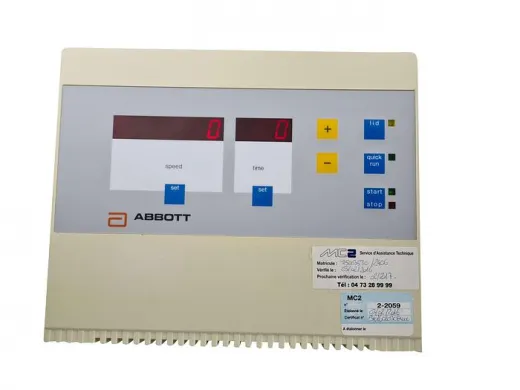
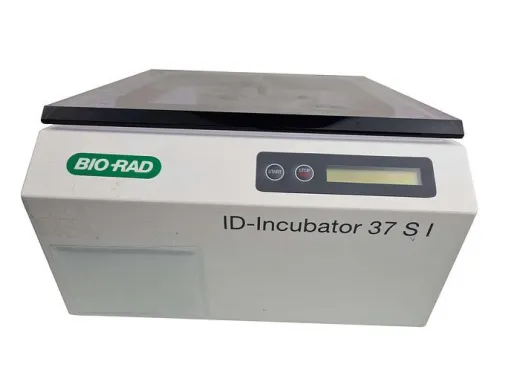
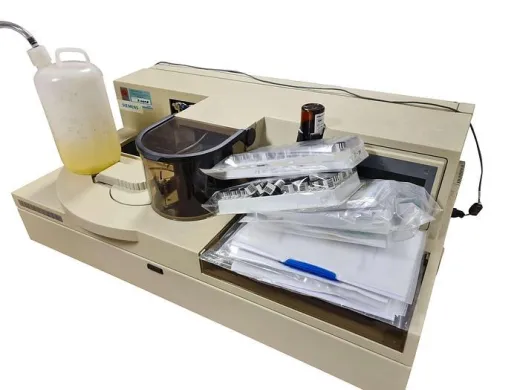
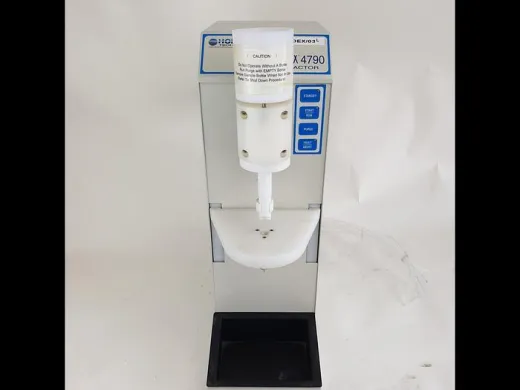
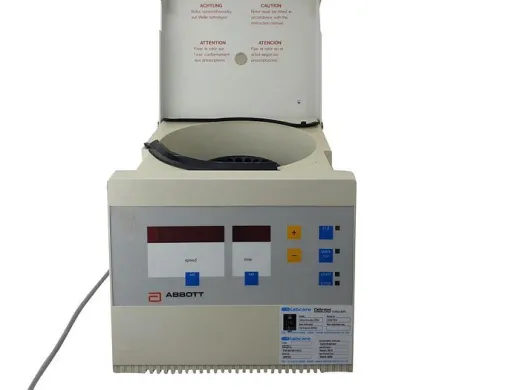
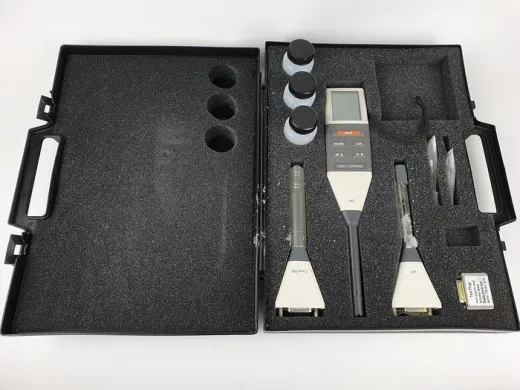
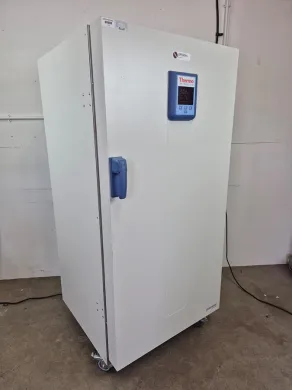
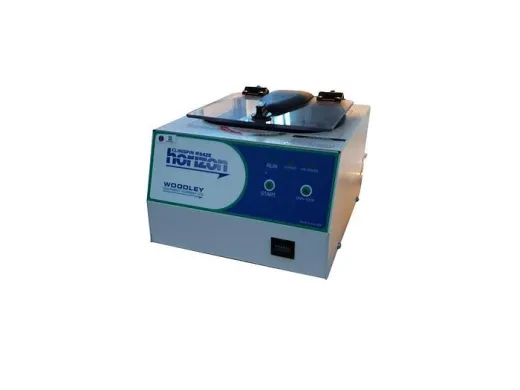
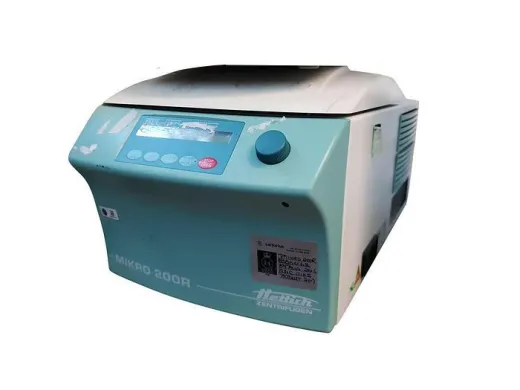
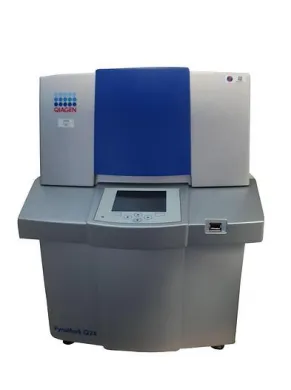
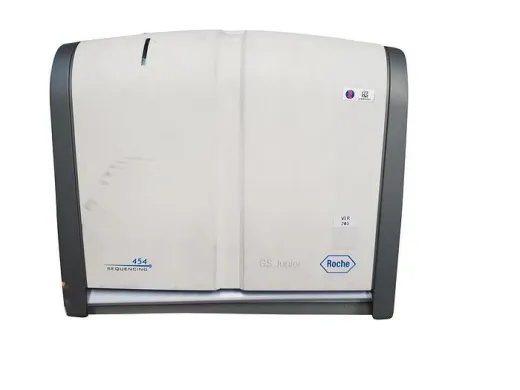
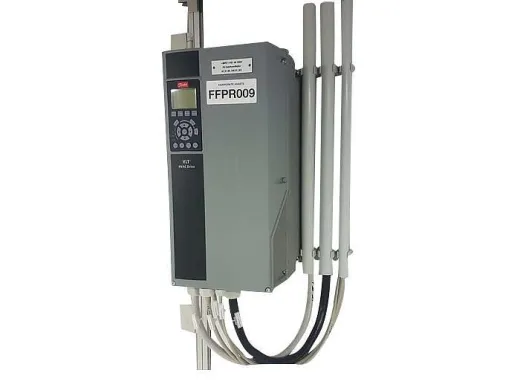
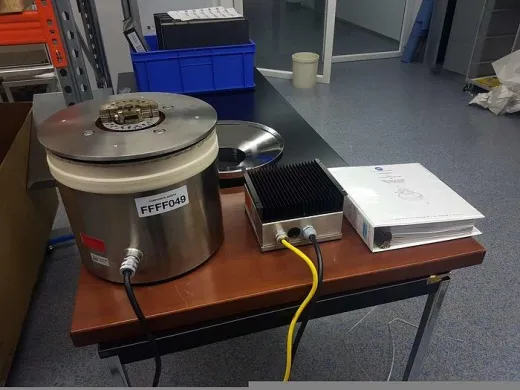
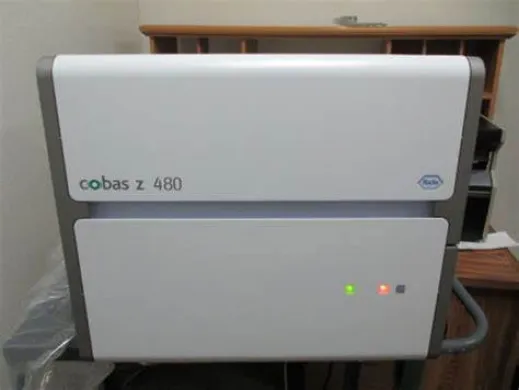
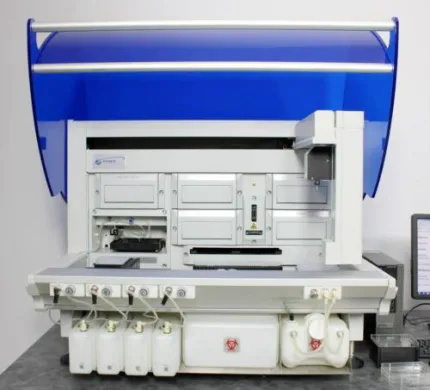
Roche Cobas Z 480 real time PCR
- Category
- Life science equipment other
- Brand
- Roche
- Suppliers
- 1 verified
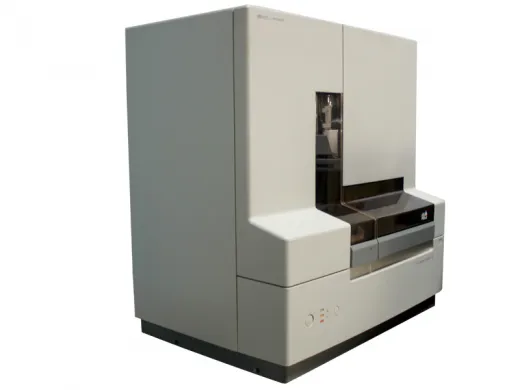
ABI 3100 prism Genetic analyzer
- Category
- Electrophoresis
- Brand
- Applied biosystems
- Suppliers
- 1 verified
Not the exact instrument you need?
Tell our scientists what you are after. We track it down, including off-market supply.
Showing 1–40 of 17,095 listings
Show 40 more listingsBuying guide
Because this setup pulls from several categories at once, the price spread is wider than on any one of them. Listings run from EUR 0 to EUR 756.418. The low end is where consumables and single probes sit, a filter cartridge or a replacement sensor, and a bench-scale glass reactor costs a fraction of what a jacketed stainless vessel does. The figure at the top belongs to the vessel stage: a pilot-scale skid with its integrated control, agitation and sterilisation hardware is the single most expensive thing this work needs, and a continuous process centrifuge is not far behind. Pumps and standalone controllers fall in the middle, which is why a lab assembling a loop piece by piece often spends more on the reactor than on everything else combined.
Condition is the other axis. 91 percent of the listings are used. For a vessel or a centrifuge that figure is worth reading closely, since a stainless reactor that has already been through its depreciation can be sound for years more, and recertifying one is routine. For probes and filtration consumables the calculation differs, because those are wear items and a used sensor's remaining service life is harder to judge than a vessel's. Where a buyer has to weigh a used unit against a new one, the clearest difference is price, used and refurbished sit below new, and the specifics of any single unit, including whether a warranty applies, are arranged in consultation for that listing.
Types of Bioprocess & Fermentation
Bioprocess and fermentation equipment spans fermenters and bioreactors, process controls, pumps, centrifuges and filtration, and the categories carried here map onto the stages of a run rather than onto kinds of one machine. Scale-up fermentation runs as a sequence, from a controlled culture to a recovered product, and each stage leans on different hardware that constrains the stage after it. What follows walks that sequence.
Running the culture: fermenters and bioreactors
The vessel is where the work happens. A bioreactor holds a sterile volume at a set temperature while agitating the broth and feeding it oxygen, and the control loops that govern pH, dissolved oxygen and foam are what separate a reproducible run from a lost one. Stirred-tank designs dominate the listings, sized from bench units of a few litres up to pilot vessels, and the categories here carry both the vessels and the process controls that drive them. Glass bench reactors let an operator watch the culture; stainless steel takes over once a volume cannot be autoclaved as a unit and has to be sterilised in place.
The choice at this stage sets up everything downstream. A dense, high-cell-density culture is harder to separate and filter than a dilute one, so the vessel's yield and the broth it produces decide how much work the recovery train has to do.
Which pumps and controls does a run depend on?
A fermentation loop is only as stable as its feed and its sensing. Process pumps meter the feed, titrate acid and base to hold pH, and transfer broth between stages, and for anything touching the sterile volume a peristaltic action keeps the product off the pump internals. Process controls cover the probes and controllers that read dissolved oxygen, pH and temperature and act on them in real time. These two categories rarely stand alone: a controller is useless without a pump to execute its correction, and a pump runs blind without a probe telling it when.
Recovering the product: centrifugation and filtration
Once the run ends, the target has to come out of the broth. Centrifugation equipment separates cells from the medium by density, and at process scale that means continuous or high-capacity units rather than the benchtop machines a category page would describe. Where the product is secreted or where cells must stay intact, filtration takes over: tangential-flow and depth-filtration supplies clarify the broth and concentrate the target without the shear a spin imposes.
How do the two methods differ in practice? A centrifuge is fast and handles volume, but it stresses fragile cells and cannot sharply separate particles of similar density. Filtration is gentler and more selective, yet it fouls as the broth concentrates and slows as it goes. Many recovery trains use both, a coarse spin to remove the bulk of the biomass followed by filtration to polish, and the biotech and life sciences category carries the consumables that filtration consumes on every run.
Across the whole sequence, among the listings that specify a type, stirred-tank vessels and peristaltic pumps are the forms that recur most, which reflects where this market's volume actually sits.
Frequently asked questions
What equipment do I need at minimum to start a fermentation run?
A controlled vessel is the floor: a bench reactor that holds temperature, pH and dissolved oxygen, the probes that read those values, and at least one pump to meter feed and correct pH. Without a way to recover the product, a centrifuge or a filtration step, you have a culture but no harvest, so a basic recovery method rounds out the minimum.
Which step is the most expensive to set up?
The vessel stage. A pilot-scale skid with integrated control, agitation and in-place sterilisation hardware is the single costliest item this work needs, and a continuous process centrifuge sits close behind. A lab assembling a loop piece by piece often spends more on the reactor than on pumps, controllers and probes combined.
What can I buy used and what is better bought new?
A stainless vessel or a process centrifuge that has already been through its depreciation can run for years more, and recertifying one is routine, so these are reasonable to buy used. Probes and filtration cartridges are wear items whose remaining service life is harder to judge, which makes their used-versus-new calculation less clear. Used and refurbished units are listed below new prices across the categories.
What has to match between the fermentation stages?
The broth your vessel produces decides the load on recovery: a dense, high-cell-density culture is harder to separate and filter than a dilute one, so vessel yield and the recovery train have to be sized together. Within the loop, a controller needs a pump to execute its correction and a pump needs a probe to tell it when, so controllers, pumps and probes must be specified as one set rather than bought in isolation.
Roughly what does a complete setup cost?
Listings across these categories range from EUR 0 to EUR 756.418, so a full setup lands somewhere inside that spread depending on scale. Consumables and single probes sit at the low end, pumps and standalone controllers in the middle, and a pilot vessel or process centrifuge at the top. A bench-scale glass reactor loop costs a fraction of a jacketed stainless pilot skid.
Where does cutting the budget cost you later?
Control is where a saved euro returns a lost run. A run that fails on day six cannot be restarted, so under-specifying the probes, controllers or feed pumps that hold the environment steady risks losing the entire culture rather than just the instrument. Trimming recovery capacity costs yield instead: an undersized centrifuge or filtration stage leaves product in the broth on every harvest.
Which of this equipment is shared with other lab work?
Peristaltic pumps, pH and dissolved-oxygen probes, and bench centrifuges are not exclusive to fermentation and carry over to general lab and life-sciences work. Stirred-tank vessels and continuous process centrifuges are more specific to this sequence. Filtration consumables also appear in the biotech and life sciences category, since they are consumed across many kinds of work, not only bioprocess.
What should I check on a used vessel or centrifuge for this work?
For a stainless reactor, check the integrity of the jacket, the condition of seals and ports, and whether it can still be sterilised in place and recertified. For a centrifuge, inspect the rotor or bowl, the drive and the seals that contact the broth. On any used unit the specifics, including whether a warranty applies, are arranged in consultation for that listing, and documentation can be requested through Questpair.
About Questpair
Questpair is the European marketplace for lab equipment, where AI-prepared cases and personal specialists guide every purchase. We work with 247 verified suppliers across 38 countries to find buyers the right new, used or refurbished instruments, with response within 1 hour and significant savings vs buying new.
Personal · Fast · Reliable · Affordable